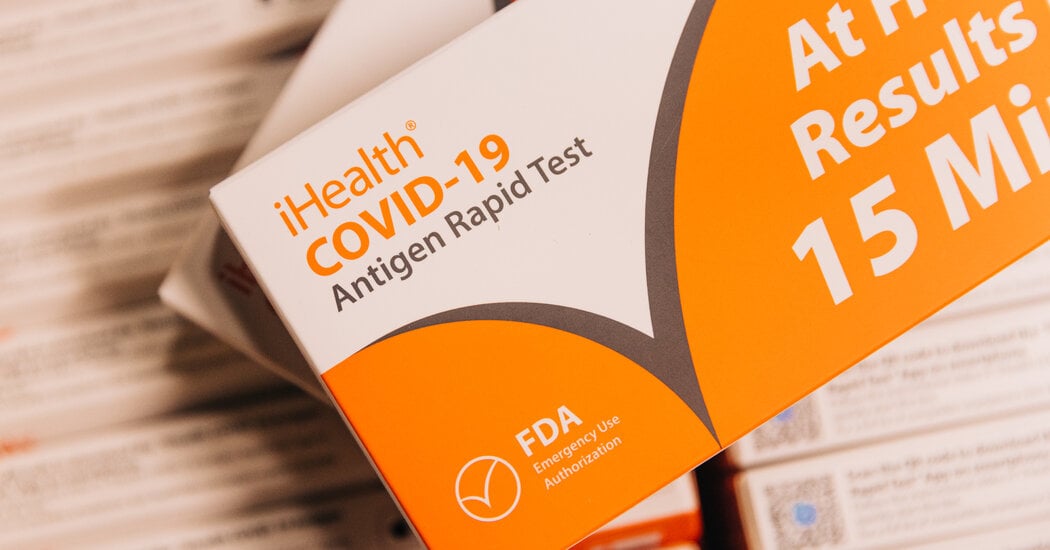
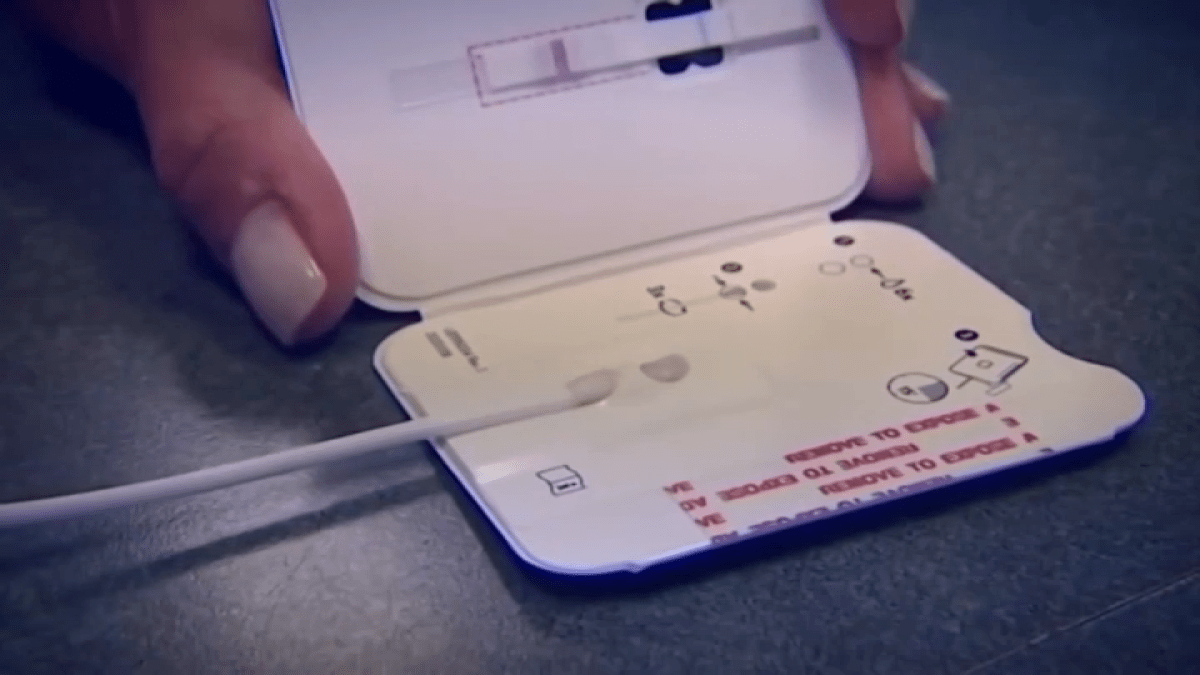
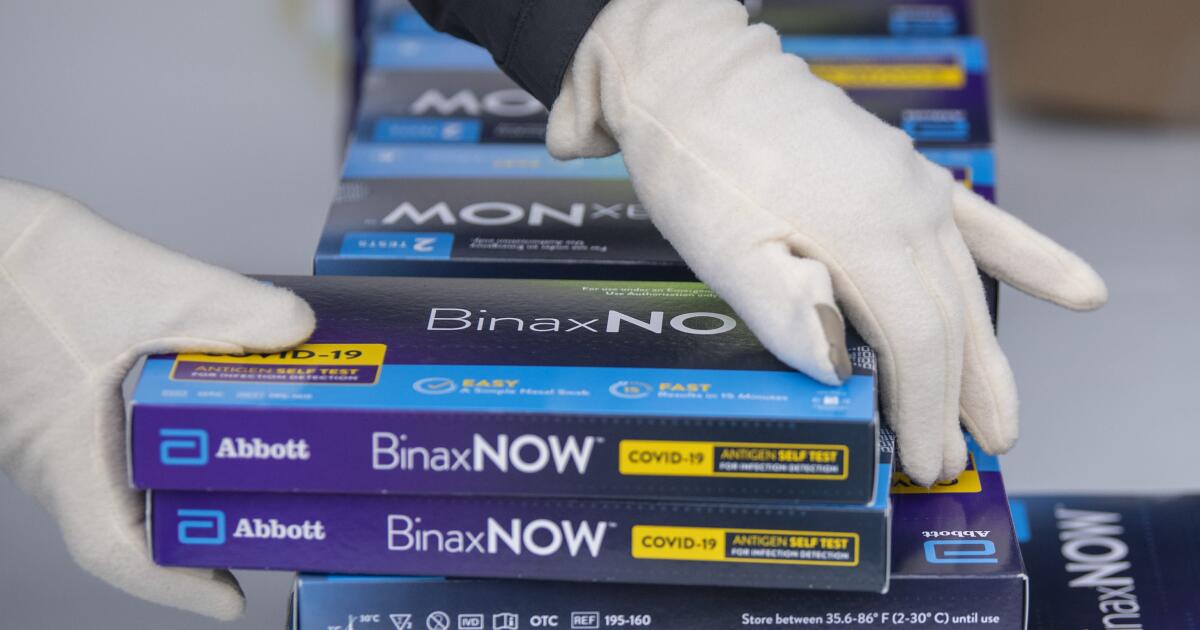
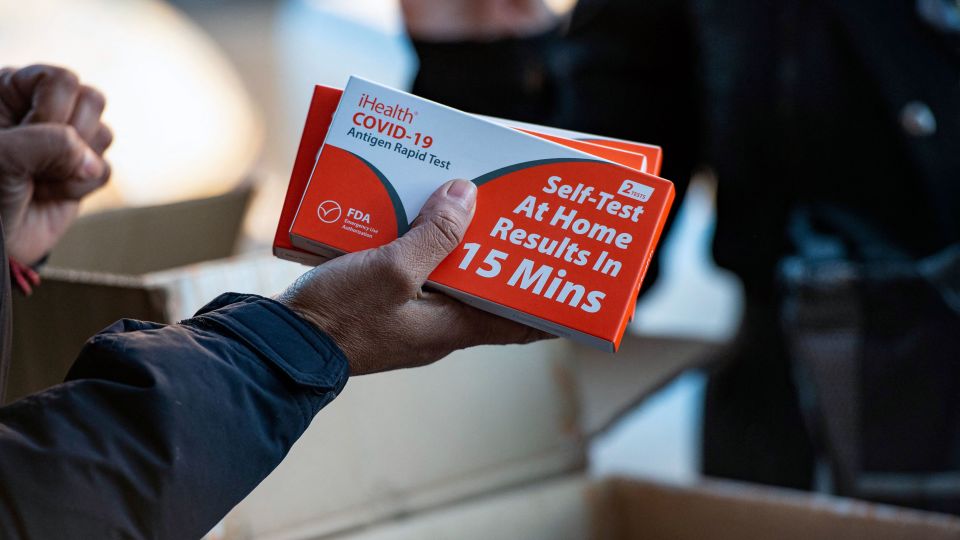
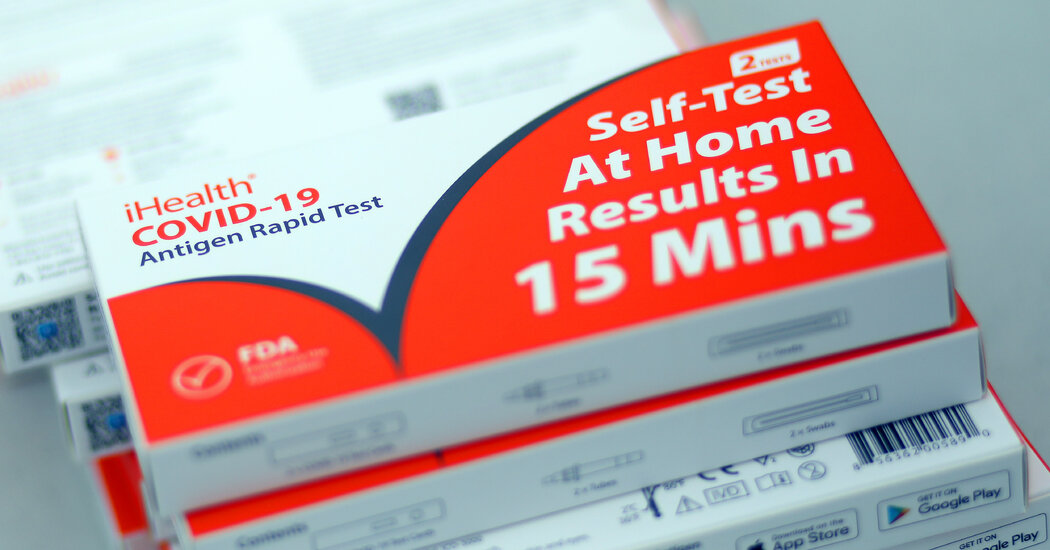
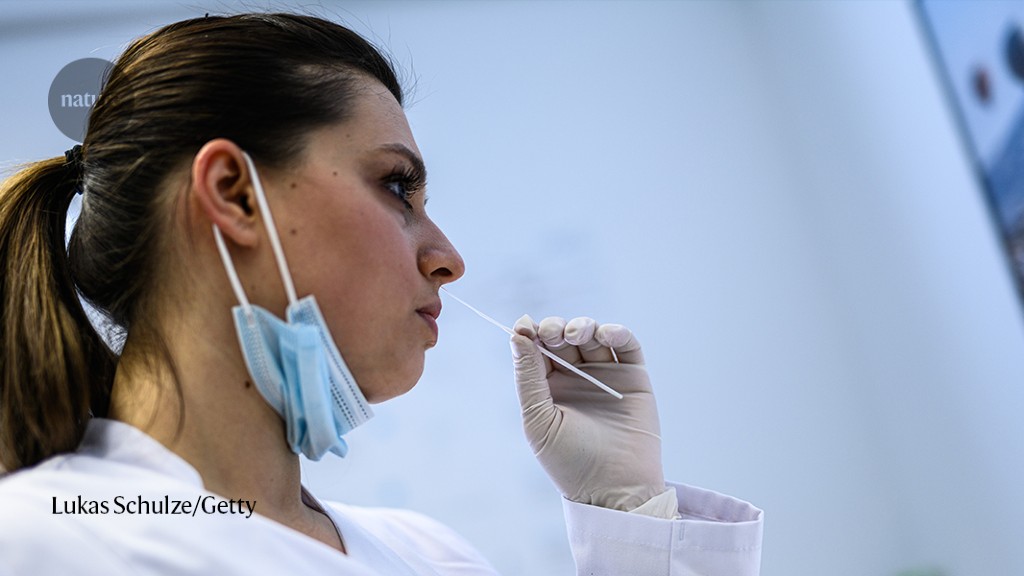
At-home Covid tests are still effective in detecting the virus, even with the presence of new variants. Experts recommend testing once symptoms develop and throughout the illness, waiting three to four days after symptom onset if low on tests. If negative, test again 48 hours later to rule out a false negative. If exposed to someone and not symptomatic, wait five days to test. It's advised to stay home if experiencing any symptoms, regardless of test results.
Health care providers warn that at-home COVID tests may take longer to show positive results, with some rapid tests not turning positive until the 4th day after symptoms appear. The CDC advises immediate testing for those with COVID symptoms and recommends re-testing after 48 hours if the initial result is negative. People with known exposure but no symptoms should wait at least 5 days before testing. The delay in positive results may be due to accumulated immunity levels from vaccinations or previous infections. Free at-home COVID tests can be ordered online, and uninsured or eligible individuals may receive free testing and virtual medical appointments through the Home Test To Treat program.
As COVID cases surge, it's taking longer for rapid tests to detect infections, with some individuals testing positive up to four days after symptoms appear due to improved immunity from vaccinations or previous infections. This delay poses a risk of unknowingly spreading the virus, prompting experts to advise retesting and caution around others, especially for high-risk individuals considering treatment. The rise in cases may be linked to the more contagious JN.1 subvariant, leading to increased hospitalizations in several California counties.
With COVID-19 cases rising, it's taking longer for rapid tests to show positive results due to accumulated immunity from vaccinations or previous infections. The CDC recommends immediate testing for symptomatic individuals and suggests retesting if initial results are negative. Asymptomatic individuals exposed to the virus should get tested five days after exposure. A more contagious subvariant, JN.1, is contributing to the spread of COVID-19. Free at-home COVID tests are available through various channels, and the CDC has set up a website to locate free testing sites for uninsured individuals.
The Department of Health and Human Services will resume mailing free COVID-19 tests to help alleviate the financial burden on individuals. Starting September 25, households can request up to four rapid tests through COVID.org, with an extended expiration date until the end of 2023. With COVID-19 cases on the rise again, hospitals have seen an increase in admissions and deaths. The HHS plans to invest $600 million in creating and distributing 200 million rapid home tests. Over 755 million tests have already been distributed to two-thirds of U.S. households, including underserved communities.
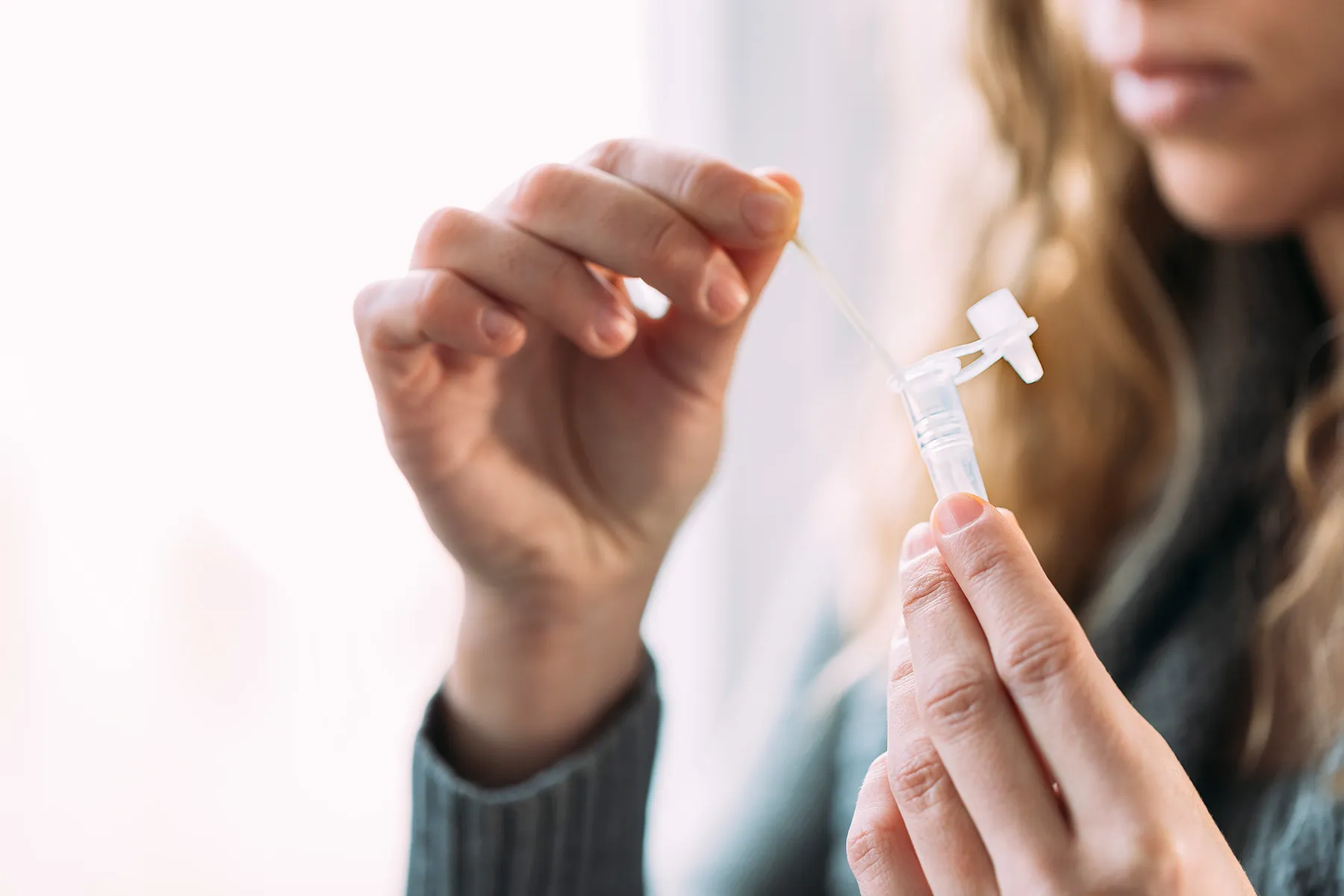
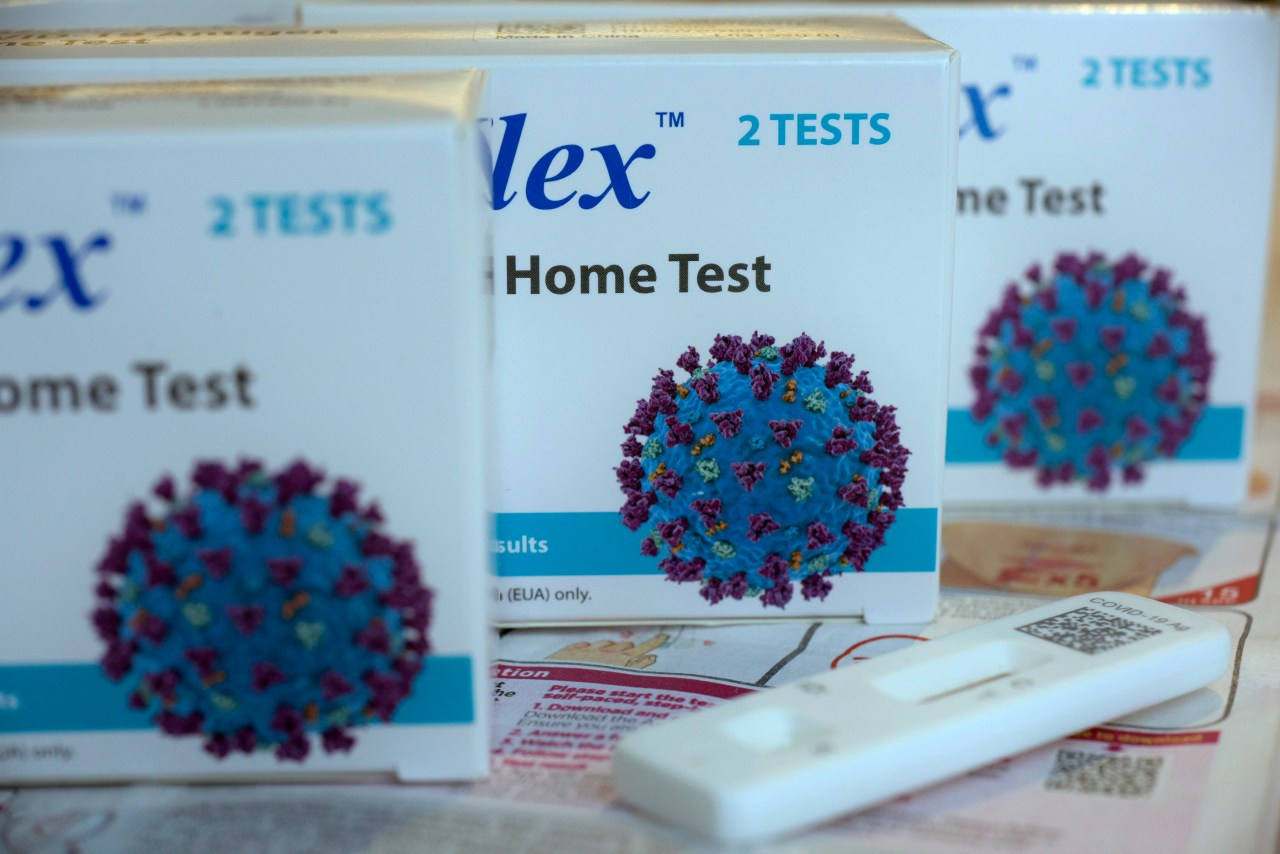
Home tests for COVID-19 are still effective in detecting infections, but there are reasons why they may not pick up an infection. People are using rapid tests differently now, and our underlying immunity to the virus can affect test performance. However, the tests are still capable of detecting infections. Most rapid tests target the nucleocapsid proteins of the virus, which do not change as much as the spike proteins targeted by vaccines and antibodies. Researchers have developed a tool to quickly assess whether a test will work against new variants. The CDC recommends taking a rapid test five days after a known exposure. Repeat testing within 48 hours improves accuracy, especially for asymptomatic cases. Operator error and difficulty obtaining good samples from children can also contribute to false-negative results.
New York Governor Kathy Hochul has announced that the state will provide COVID-19 rapid test kits and masks to school districts upon request, as cases continue to rise.
New York State will be providing masks and COVID-19 rapid tests to school districts upon request for the start of the upcoming school year. Governor Kathy Hochul's office will conduct a survey to determine the needs of districts and organizations, and the supplies will be delivered accordingly. The governor also urges districts to review the latest CDC guidance in light of the new BA.2.86 variant and recent increases in COVID-19 cases and hospitalizations.
As the availability of lab P.C.R. tests declines, at-home rapid tests have become more important in detecting Covid-19. However, it is crucial to check the expiration date of the test, as expired tests may not provide accurate results. The FDA has extended expiration dates for certain brands, which can be checked on their website. Extreme heat can also damage at-home tests, so it is recommended to wait at least two hours after delivery on hot days. Testing guidelines vary depending on symptoms and exposure, with immediate testing recommended for those with symptoms and recent exposure. Testing multiple times, especially if asymptomatic, is advised for accurate results. Additionally, individuals who experience Paxlovid rebound should test within two to eight days after recovery, as rebound cases can still be contagious.
Rapid antigen tests for COVID-19 are more reliable at detecting infections in people with symptoms compared to those without symptoms, according to the largest study comparing home rapid tests with gold-standard PCR tests. However, the tests are found to be much more effective when taken three times over several days.