Tag

Home Tests

All articles tagged with #home tests

health2 years ago

"Timing and Accuracy of Home COVID Tests for New Variant Contagion"

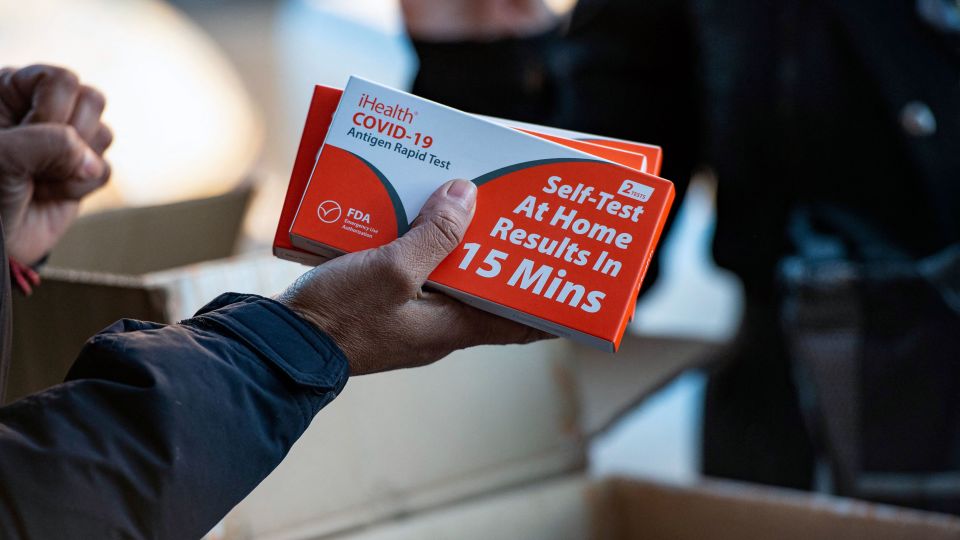
The JN.1 variant of COVID-19 may take longer to show a positive result on home antigen tests, triggering concerns about their effectiveness. Infectious disease experts attribute this to our stronger immune systems, which now detect the virus earlier, causing symptoms to appear sooner. A study found that viral load peaks around the fourth day of symptoms, affecting the sensitivity of home tests. The CDC advises retesting or getting a PCR test if a home test is negative, but acknowledges the challenges and costs of repeat testing.
health2 years ago

"Jump Test: A Simple Way to Assess Appendicitis in Kids"

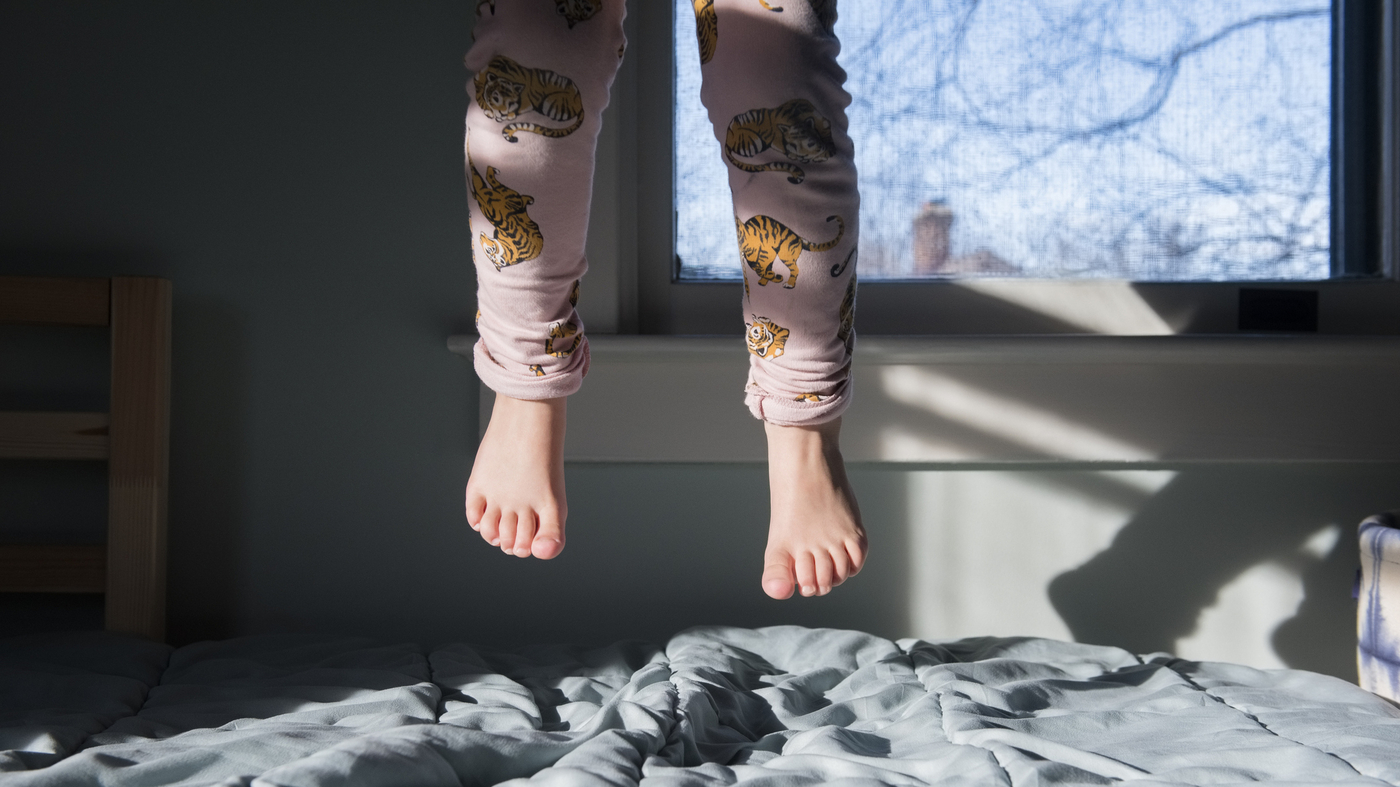
The jump test can help determine if a child's stomach pain is due to appendicitis or a less serious condition. If a child can jump without significant pain, it's likely not appendicitis. The jump test is a simple and effective way to assess the inflamed peritoneum, which is a sign of appendicitis. Other home tests, such as pressing on specific areas of the abdomen, can also provide clues. However, if symptoms worsen or additional signs of appendicitis are present, it's important to seek medical attention promptly. Appendicitis is relatively rare in preschool-age children, with constipation and stomach viruses being more common causes of stomach pain.

health2 years ago

"Latest COVID Vaccine Updates: Guidance, Boosters, Strains, and Houston Cases"

The new FDA-approved COVID vaccine is now available at local pharmacies, but doctors say the approach to who needs to get it is more nuanced this time. Immunity has changed over time, especially for those who have already had COVID, and the vaccine has also evolved to target the most recent strain. Factors such as previous boosters, recent infections, and underlying health conditions should be considered when deciding whether to get vaccinated. False negative home tests and the use of traditional supplements like echinacea and elderberry are cautioned against. Zinc, higher doses of vitamin D, astragalus, and quercetin are recommended instead. The updated COVID vaccine should be free for most patients this year, and getting a flu shot simultaneously is possible. Long-COVID symptoms remain unpredictable.

health2 years ago

The Limitations of Home Covid-19 Tests: Why Your Results May Be Inaccurate

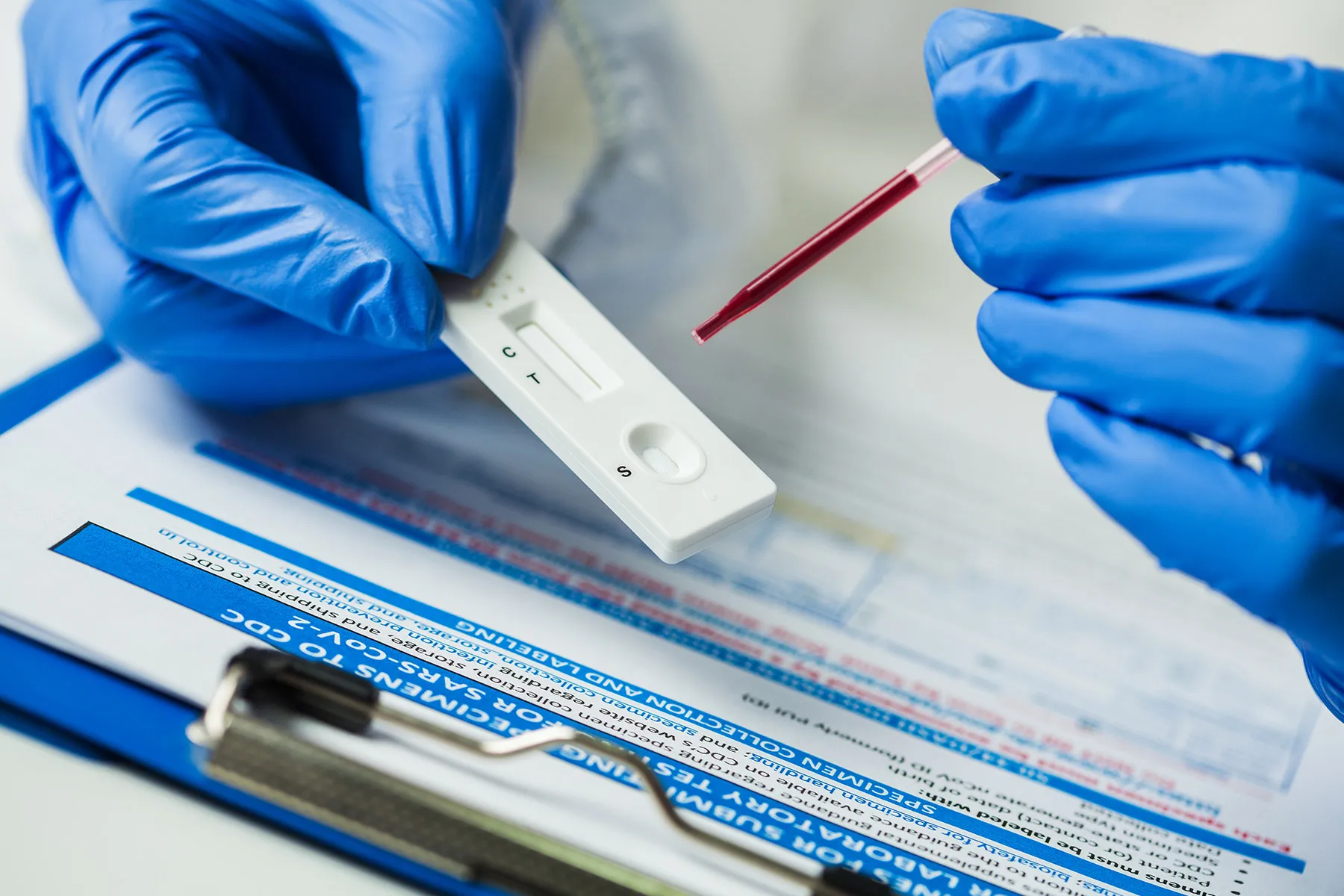
Home tests for COVID-19 are still effective in detecting infections, but there are reasons why they may not pick up an infection. People are using rapid tests differently now, and our underlying immunity to the virus can affect test performance. However, the tests are still capable of detecting infections. Most rapid tests target the nucleocapsid proteins of the virus, which do not change as much as the spike proteins targeted by vaccines and antibodies. Researchers have developed a tool to quickly assess whether a test will work against new variants. The CDC recommends taking a rapid test five days after a known exposure. Repeat testing within 48 hours improves accuracy, especially for asymptomatic cases. Operator error and difficulty obtaining good samples from children can also contribute to false-negative results.

health2 years ago

FDA warns of bacterial contamination in some at-home COVID tests.

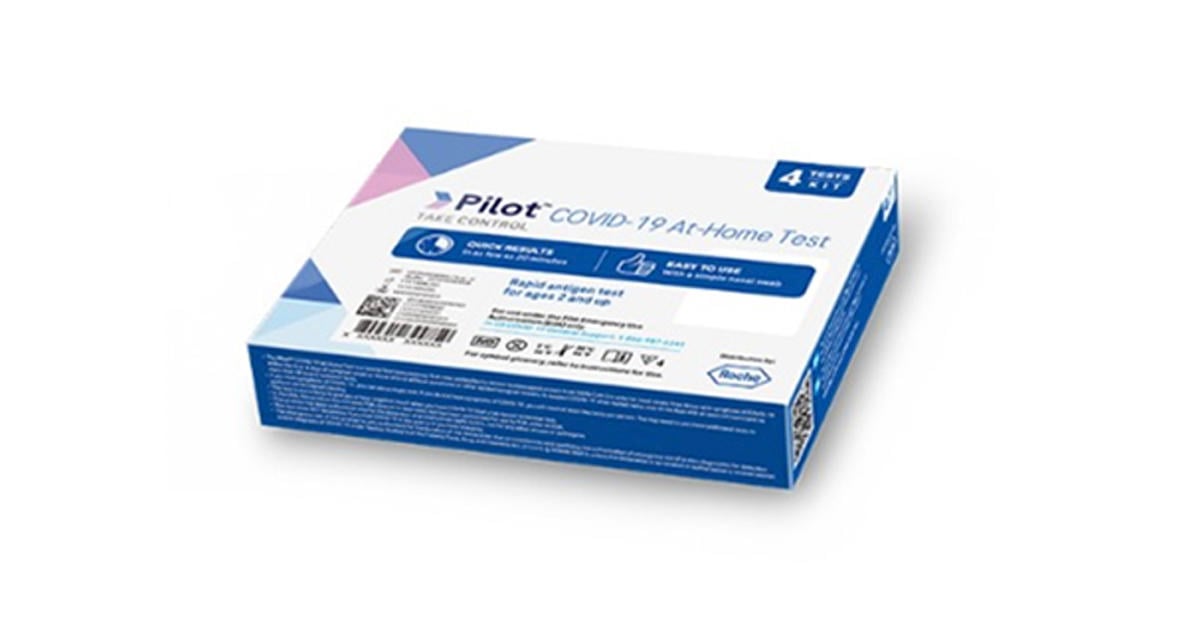
The FDA has recalled over half a million "Pilot COVID-19 At-Home Tests" from Roche and SD Biosensor due to concerns over bacterial contamination in the liquid buffer solution. The recalled tests were distributed to CVS and Amazon, but not through federal government testing programs. The bacteria found in the tests can lead to potentially dangerous infections, especially in people with compromised immune systems. So far, no injuries or deaths have been reported, but people who have already used the tests may have received false positive or false negative results. Roche and SD Biosensor are cooperating with the FDA in their investigation.