
Tag

Testing Accuracy

All articles tagged with #testing accuracy

The Limitations of Home Covid-19 Tests: Why Your Results May Be Inaccurate

Originally Published 2 years ago — by Yahoo Life
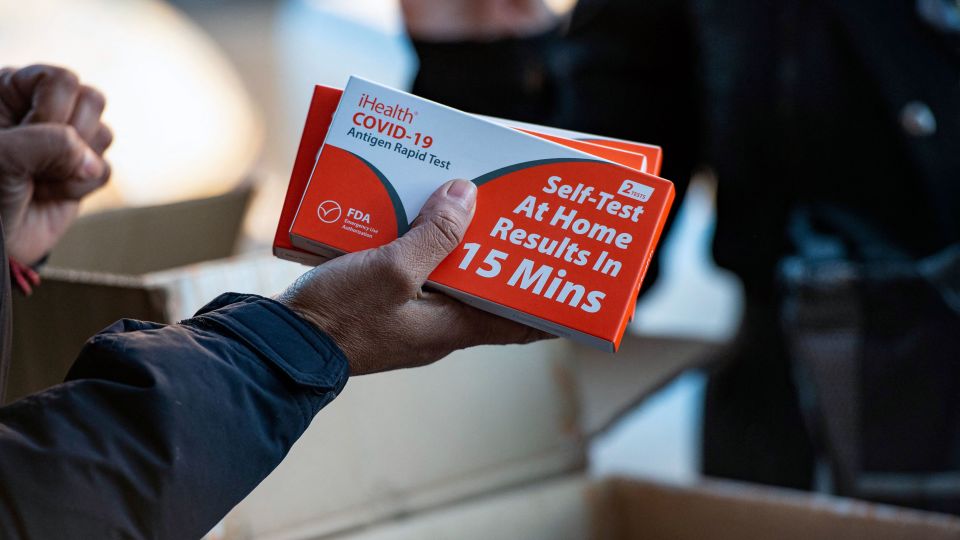
Featured image for The Limitations of Home Covid-19 Tests: Why Your Results May Be Inaccurate
Source: Yahoo Life

Home tests for COVID-19 are still effective in detecting infections, but there are reasons why they may not pick up an infection. People are using rapid tests differently now, and our underlying immunity to the virus can affect test performance. However, the tests are still capable of detecting infections. Most rapid tests target the nucleocapsid proteins of the virus, which do not change as much as the spike proteins targeted by vaccines and antibodies. Researchers have developed a tool to quickly assess whether a test will work against new variants. The CDC recommends taking a rapid test five days after a known exposure. Repeat testing within 48 hours improves accuracy, especially for asymptomatic cases. Operator error and difficulty obtaining good samples from children can also contribute to false-negative results.
The Disconnect: COVID Symptoms and Negative Tests - Experts Reveal Common Mistakes

Originally Published 2 years ago — by Fortune

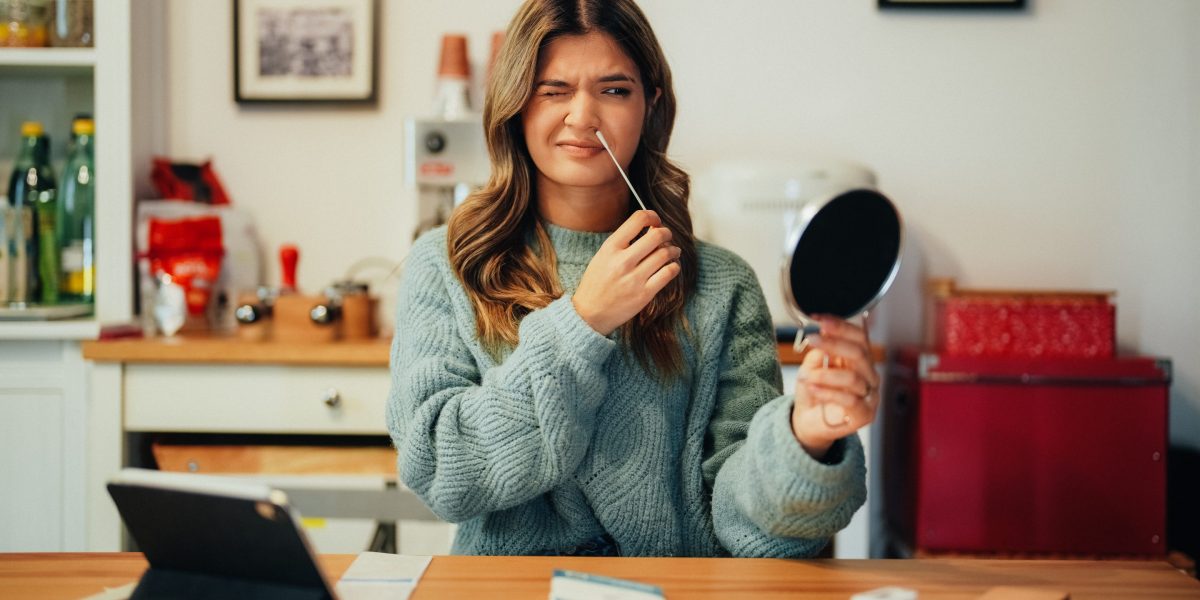
Featured image for The Disconnect: COVID Symptoms and Negative Tests - Experts Reveal Common Mistakes
Source: Fortune

If you have COVID symptoms but test negative with an at-home COVID test, there are several possibilities. It could be a false negative, as they are more common than false positives. Another reason could be that you performed the test incorrectly or at the wrong time. At-home tests may not work if taken too early or late in the infection. It's important to understand that these tests only determine if you can spread COVID, not if you have or had it. Following CDC guidelines, it is recommended to repeat the test after 48 hours if initially negative, and to consider getting a PCR test for more accuracy.