Tag

At Home Tests

All articles tagged with #at home tests

Expert Tips to Protect Yourself During Flu Season

Originally Published 11 days ago — by ABC News

Featured image for Expert Tips to Protect Yourself During Flu Season
Source: ABC News

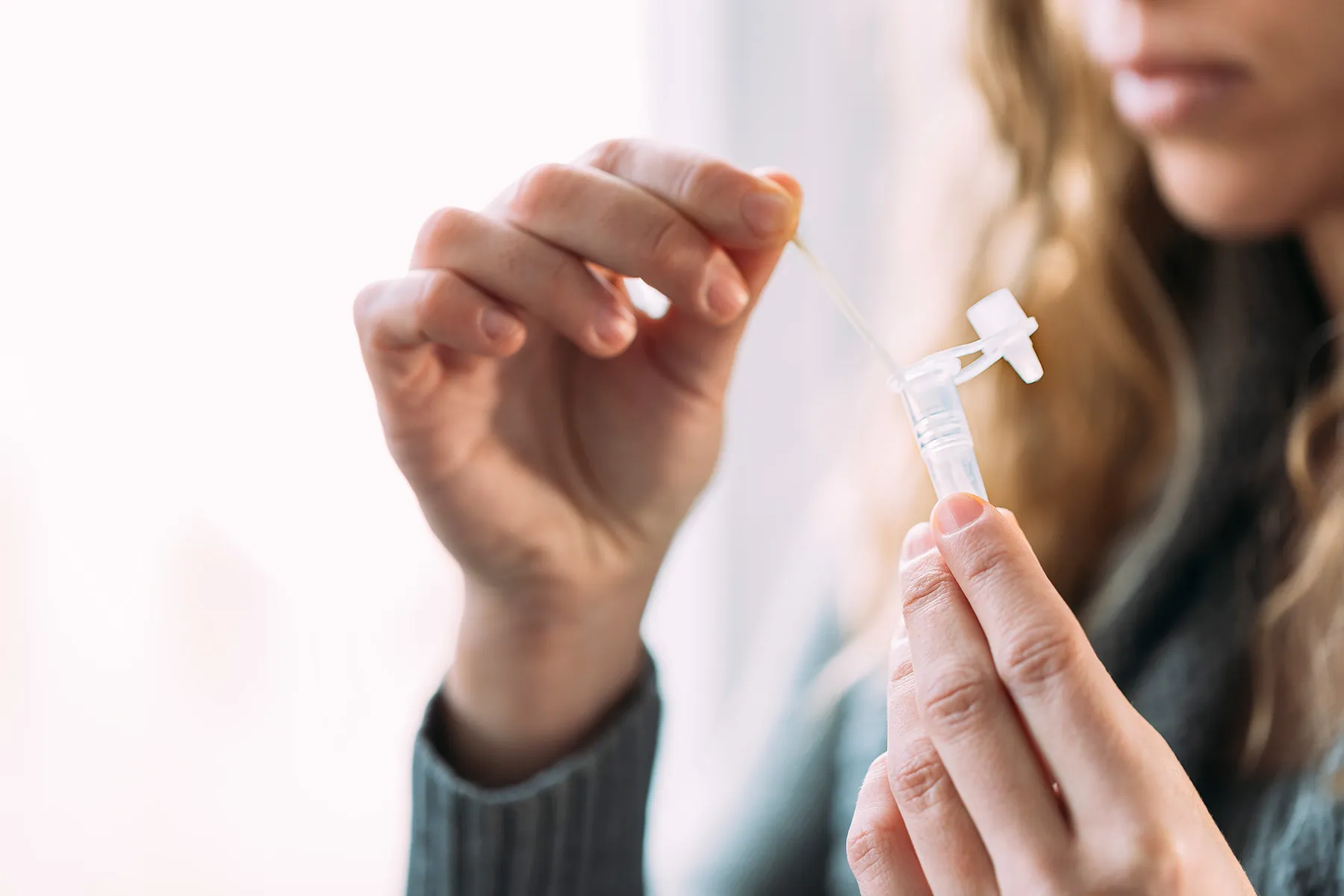
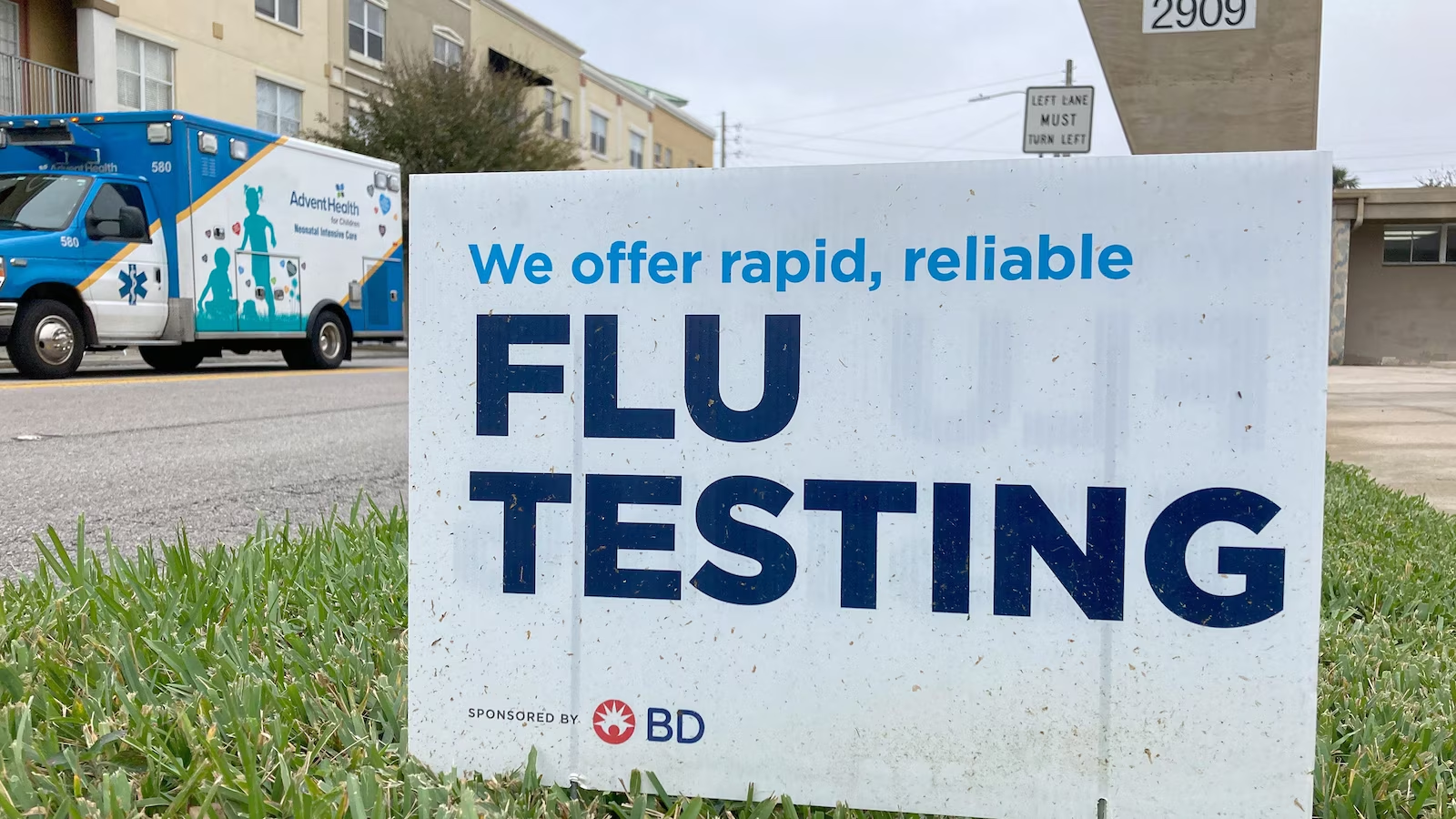
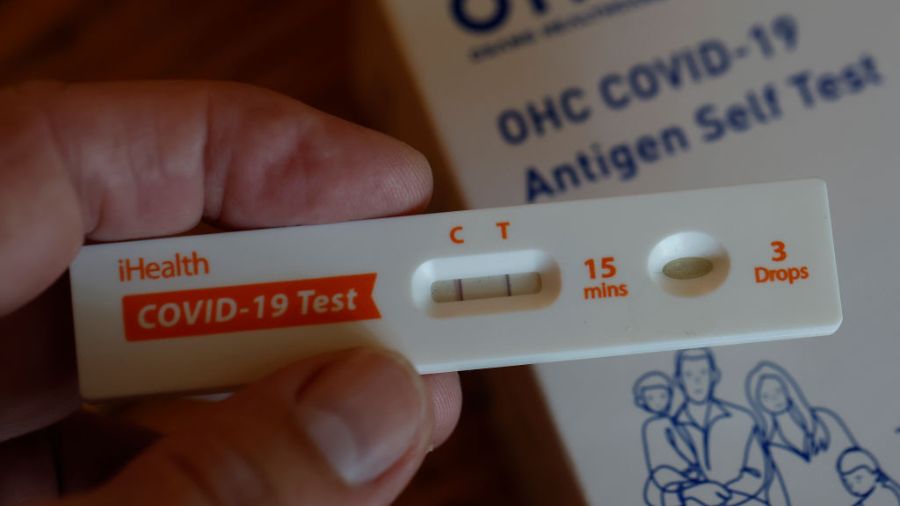
Amid an early and severe flu season in the US, at-home flu tests are widely available at pharmacies and online, costing around $20-$30, and can provide results within 15-20 minutes. While highly specific, these rapid tests have a sensitivity of 50-70%, meaning false negatives are possible, especially later in the season. Experts recommend testing early and consulting healthcare providers if symptoms are severe or high-risk, with vaccination still advised to reduce severe illness.
Top Tips and Science-Backed Methods to Improve Gut Health

Originally Published 3 months ago — by Euronews.com

Featured image for Top Tips and Science-Backed Methods to Improve Gut Health
Source: Euronews.com

Gut health is a complex and individualized aspect of wellbeing, with experts cautioning against overreliance on at-home tests, quick fixes like supplements, and DIY faecal transplants. Instead, they recommend maintaining a balanced diet rich in fiber, staying hydrated, exercising regularly, and being cautious of unproven products and treatments, emphasizing the need for more rigorous scientific research in this field.

Summer Wave Causes COVID-19 Surge in King County

Originally Published 6 months ago — by MyNorthwest.com

Featured image for Summer Wave Causes COVID-19 Surge in King County
Source: MyNorthwest.com

COVID-19 cases are rising in King County during the summer, with increased emergency visits, though still lower than last year. The rise is partly due to more at-home testing, which may underestimate true cases. Public health officials recommend staying up to date on vaccinations, using masks in crowded indoor spaces, and testing properly. No increase in flu or RSV visits has been observed.

Revolutionary at-home test detects diseases with high accuracy

Originally Published 6 months ago — by Medical Xpress

Featured image for Revolutionary at-home test detects diseases with high accuracy
Source: Medical Xpress

Researchers at UC Berkeley have developed a highly sensitive, low-cost at-home diagnostic test that uses the coffee-ring effect, plasmonic nanoparticles, and AI to detect disease biomarkers with remarkable accuracy, potentially revolutionizing rapid testing for illnesses like COVID-19, cancer, and sepsis.

"USPS Ends Free COVID Test Kit Distribution: Last Chance to Order"

Originally Published 1 year ago — by The Guardian US

Featured image for "USPS Ends Free COVID Test Kit Distribution: Last Chance to Order"
Source: The Guardian US

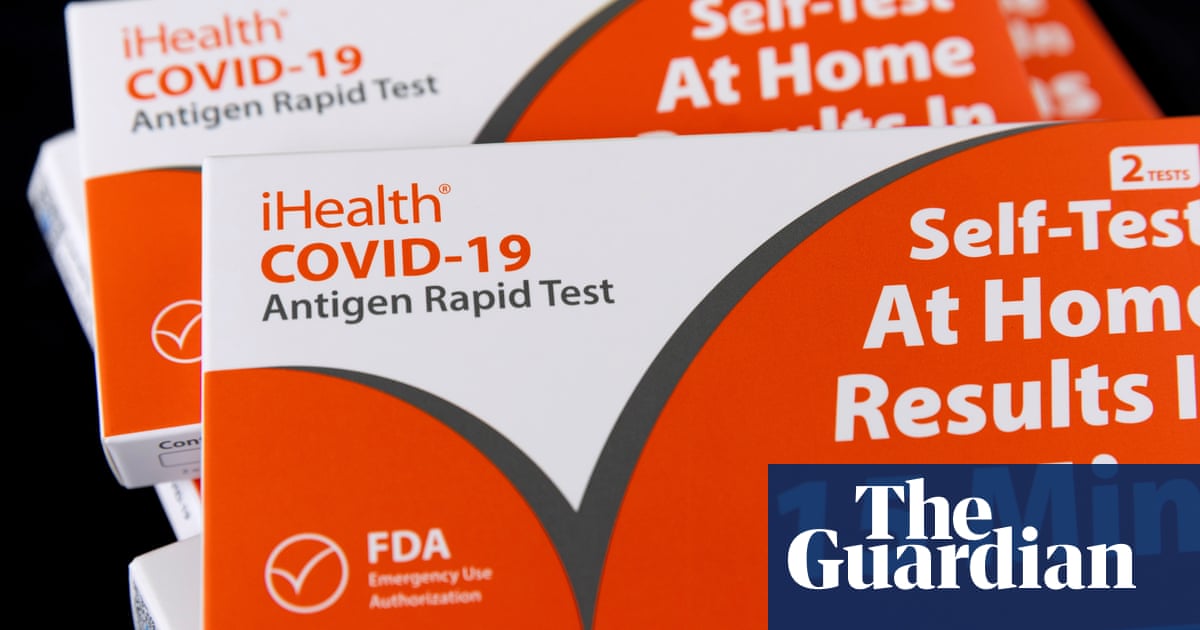
The US government will stop accepting orders for free at-home Covid-19 tests on 8 March, with each household able to place an order until then via the USPS. The decision comes amid slowing case rates, but the tests could still be distributed in the future. Additionally, the CDC has changed isolation guidance for those testing positive for Covid-19, and antiviral treatment Paxlovid will no longer be authorized for emergency use, except for high-risk pediatric patients.

"Predicting Your Lifespan: The Accuracy of At-Home Tests"

Originally Published 1 year ago — by Star Tribune

Featured image for "Predicting Your Lifespan: The Accuracy of At-Home Tests"
Source: Star Tribune

At-home tests claiming to predict longevity based on physical abilities have gained popularity, but experts caution against relying on them. Tests like the sitting-rising test, one-legged stance test, and grip strength assessment have been linked to increased risk of mortality in some studies. However, experts warn that these tests may not provide a complete picture of overall health and aging, and caution against older adults attempting them without supervision due to the risk of falls and injury.

"Maximizing COVID-19 Testing Accuracy at Home and After Exposure"

Originally Published 2 years ago — by The New York Times

Featured image for "Maximizing COVID-19 Testing Accuracy at Home and After Exposure"
Source: The New York Times

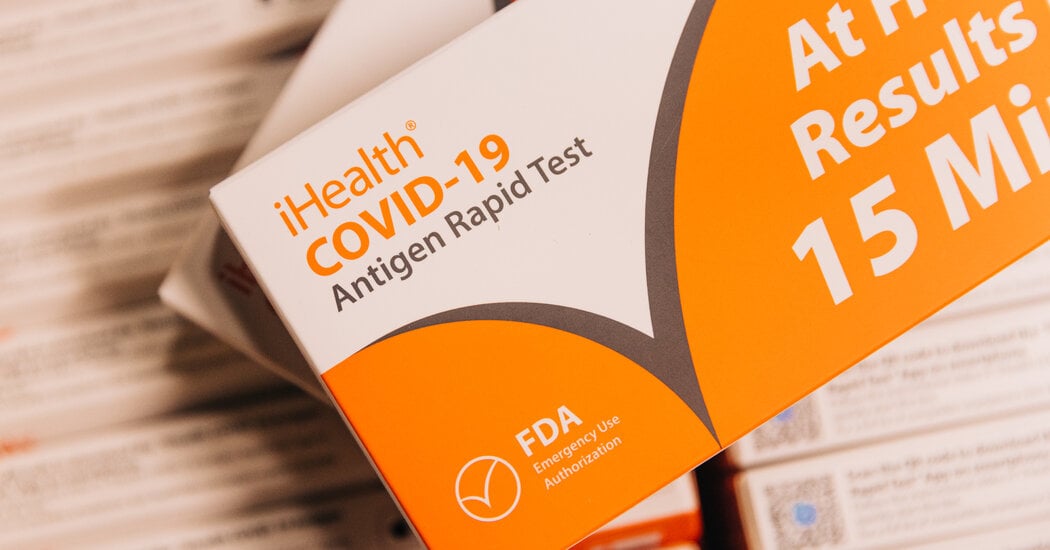
At-home Covid tests are still effective in detecting the virus, even with the presence of new variants. Experts recommend testing once symptoms develop and throughout the illness, waiting three to four days after symptom onset if low on tests. If negative, test again 48 hours later to rule out a false negative. If exposed to someone and not symptomatic, wait five days to test. It's advised to stay home if experiencing any symptoms, regardless of test results.

"Delays in At-Home COVID Test Results Raise Concerns"

Originally Published 2 years ago — by WebMD

Featured image for "Delays in At-Home COVID Test Results Raise Concerns"
Source: WebMD

Health care providers warn that at-home COVID tests may take longer to show positive results, with some rapid tests not turning positive until the 4th day after symptoms appear. The CDC advises immediate testing for those with COVID symptoms and recommends re-testing after 48 hours if the initial result is negative. People with known exposure but no symptoms should wait at least 5 days before testing. The delay in positive results may be due to accumulated immunity levels from vaccinations or previous infections. Free at-home COVID tests can be ordered online, and uninsured or eligible individuals may receive free testing and virtual medical appointments through the Home Test To Treat program.

"Delays in At-Home COVID Test Results Amid Rising Cases"

Originally Published 2 years ago — by Anchorage Daily News

Featured image for "Delays in At-Home COVID Test Results Amid Rising Cases"
Source: Anchorage Daily News

With COVID-19 cases rising, at-home tests may take longer to show positive results due to accumulated immunity from vaccinations or previous infections. The CDC recommends testing immediately if symptomatic, and retesting if initially negative. Asymptomatic individuals exposed to the virus should test five days after exposure and follow up with additional tests. A more contagious subvariant, JN.1, is contributing to the spread of COVID-19. Free at-home tests are available through various government programs, and healthcare coverage may impact the cost of testing.

"Delays in at-home COVID test results as cases surge"

Originally Published 2 years ago — by Yahoo News

Featured image for "Delays in at-home COVID test results as cases surge"
Source: Yahoo News

With COVID-19 cases rising, at-home rapid tests may take longer to show positive results due to accumulated immunity from vaccinations or previous infections. The delay in accurate test results could lead to a false sense of security for those testing negative despite having symptoms. Recommendations include immediate testing for symptoms, retesting if initially negative, and getting a PCR test for more sensitive results. Asymptomatic individuals exposed to COVID-19 should also follow specific testing guidelines. The rise in COVID-19 cases is attributed to a more contagious subvariant, and free at-home tests are available through various government programs and health plans.

"U.S. Government Expands Free At-Home COVID Testing Program"

Originally Published 2 years ago — by The New York Times

Featured image for "U.S. Government Expands Free At-Home COVID Testing Program"
Source: The New York Times

The Biden administration is offering Americans another round of free at-home COVID-19 tests through the Postal Service. Starting Monday, households can order an additional four tests, or eight if they haven't ordered any in the previous round. Hospitalizations and deaths from COVID-19 have decreased significantly compared to the worst periods of the pandemic. The program aims to provide accessible testing options for Americans during the holiday season.

"US Government Provides Free COVID Tests Delivered to Your Doorstep"

Originally Published 2 years ago — by USA TODAY

Featured image for "US Government Provides Free COVID Tests Delivered to Your Doorstep"
Source: USA TODAY

The U.S. government is offering another round of free at-home COVID-19 tests to Americans in time for the holiday season. Insurance companies are no longer required to cover the cost of COVID testing, making the availability of free tests crucial. Every U.S. household is eligible to order four free tests, and those who missed out on the previous round can place two orders for a total of eight tests. To order, visit COVIDtests.gov and fill out the form. The tests will be shipped for free via USPS. It's important to note that at-home tests are rapid antigen tests, which are less accurate than PCR tests. Precautions such as testing before gatherings, practicing social distancing, and getting vaccinated are recommended to reduce the risk of transmission during the holiday season.

"US Government Provides Additional Free COVID Tests to Combat Winter Spike"

Originally Published 2 years ago — by CNBC

Featured image for "US Government Provides Additional Free COVID Tests to Combat Winter Spike"
Source: CNBC

The Biden administration is offering another round of free at-home Covid tests to U.S. households starting Monday, ahead of the holiday season when the virus typically spreads at higher levels. Americans can request four free tests per household through COVIDtests.gov, with the option to place two orders for a total of eight tests. At-home tests have become a critical tool to protect against the virus, especially as lab PCR tests have become more expensive and less accessible. Demand for tests has decreased over the past year as cases and public concern about the virus have dwindled.

COVID Testing: Timing, Delivery, and Expiration - Your Complete Guide

Originally Published 2 years ago — by Health.com

Featured image for COVID Testing: Timing, Delivery, and Expiration - Your Complete Guide
Source: Health.com

A new study suggests that the viral load of COVID-19 is highest four to five days after symptoms appear, indicating that at-home antigen tests may not be effective if taken too early. Testing on the first day of symptoms could result in a false negative due to lower viral load. PCR tests are generally considered more reliable than at-home tests, as they can detect lower levels of viral load. If experiencing symptoms and receiving a negative antigen test, it is recommended to wait 48 hours and retest or opt for a PCR test. Regardless of test results, it is important to isolate when experiencing respiratory illness to prevent the spread of any potential virus.

Navigating COVID-19 Testing: What You Need to Know

Originally Published 2 years ago — by South Florida Sun Sentinel

Featured image for Navigating COVID-19 Testing: What You Need to Know
Source: South Florida Sun Sentinel

At-home COVID-19 tests are reliable in detecting the virus, including new variants, but a negative result does not guarantee that you are not infected. These tests target the nucleocapsid proteins of the virus, which remain relatively stable despite genetic changes. Timing is crucial, as testing too soon may yield a false negative. If you have symptoms and your at-home test is negative, it is recommended to take a second test 48 hours later. Testing should be based on symptoms and risk, rather than vaccination status or previous infection. PCR tests remain the most accurate, and expired at-home tests should not be used. At-home tests may be less reliable for children. If you test positive for COVID-19, CDC guidelines recommend isolating for at least five days and coming out of isolation only after being fever-free for 24 hours and showing improvement in symptoms. Retesting may not be necessary and additional precautions should be taken if you are medically fragile or around vulnerable individuals.