Tag

Testing Guidelines

All articles tagged with #testing guidelines

health2 years ago

"Understanding COVID Contagiousness Despite Negative Test Results"

COVID testing guidelines have evolved since the start of the pandemic, with recommendations to test immediately if symptomatic or after exposure, and to consider repeat testing with at-home tests. A leading epidemiologist advises that a negative PCR test likely means you're not contagious, while interpreting at-home test results depends on the stage of illness. Isolation duration and mask-wearing recommendations vary based on symptoms and test results, with the CDC providing an isolation calculator to determine the appropriate duration.
health2 years ago

"Understanding the Contagiousness of Negative COVID Tests"

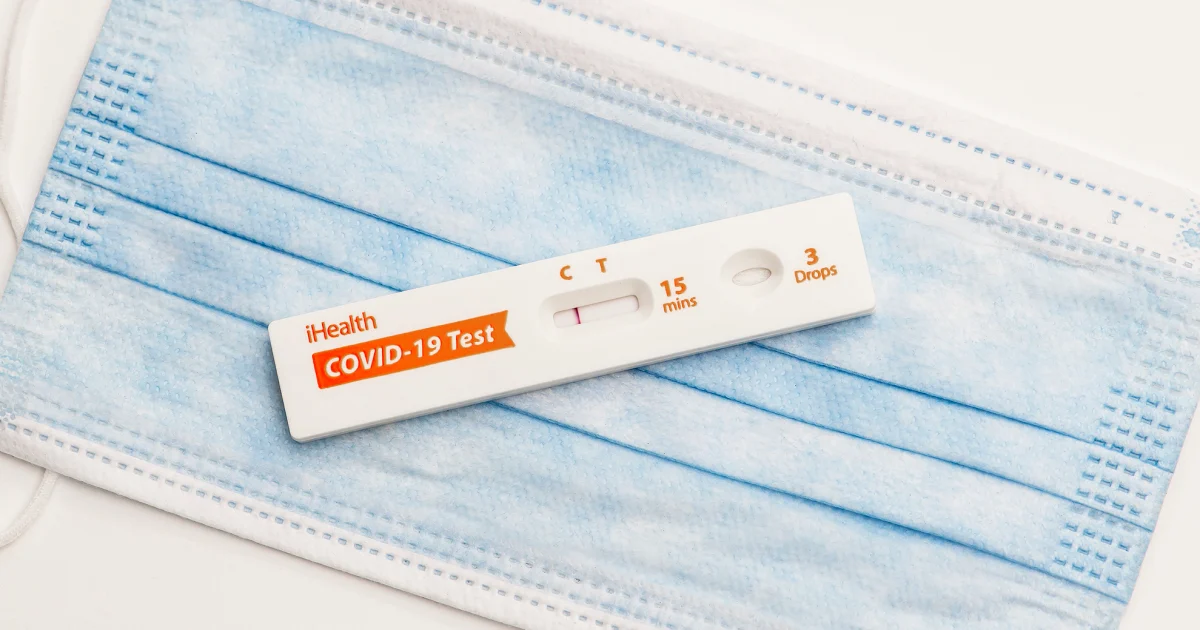
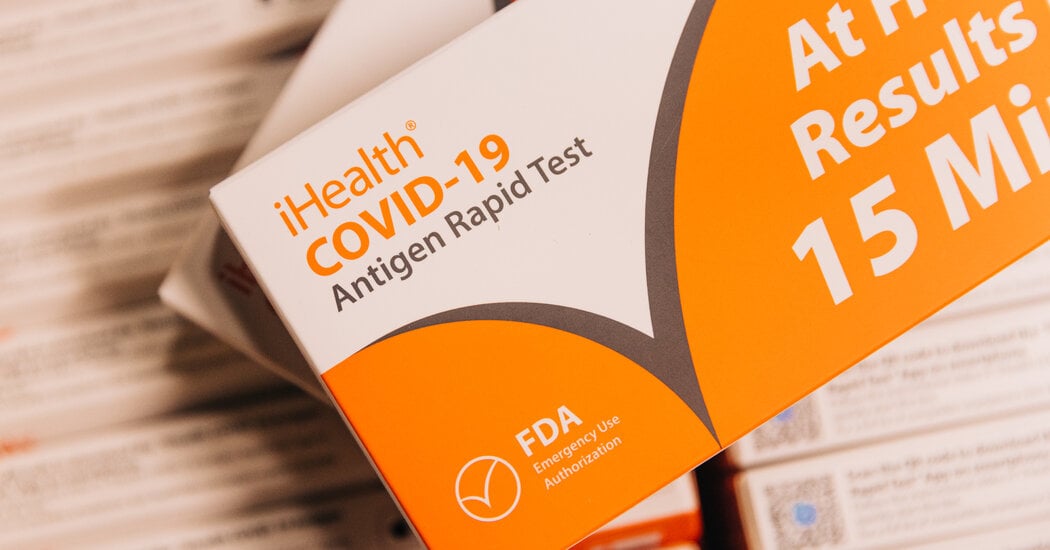
COVID testing guidelines have evolved since the start of the pandemic, with recommendations for when to test and how to interpret results. At-home tests are reliable but may require multiple tests for accuracy, while PCR tests are recommended for the most reliable results. The duration of contagiousness varies based on individual factors, and the CDC provides guidelines for isolation and masking. Rapid antigen testing can help determine when to end isolation, with multiple negative tests indicating reduced infectivity.

health2 years ago

"Maximizing COVID-19 Testing Accuracy at Home and After Exposure"

At-home Covid tests are still effective in detecting the virus, even with the presence of new variants. Experts recommend testing once symptoms develop and throughout the illness, waiting three to four days after symptom onset if low on tests. If negative, test again 48 hours later to rule out a false negative. If exposed to someone and not symptomatic, wait five days to test. It's advised to stay home if experiencing any symptoms, regardless of test results.

health2 years ago

Navigating COVID-19 Testing: What You Need to Know

At-home COVID-19 tests are reliable in detecting the virus, including new variants, but a negative result does not guarantee that you are not infected. These tests target the nucleocapsid proteins of the virus, which remain relatively stable despite genetic changes. Timing is crucial, as testing too soon may yield a false negative. If you have symptoms and your at-home test is negative, it is recommended to take a second test 48 hours later. Testing should be based on symptoms and risk, rather than vaccination status or previous infection. PCR tests remain the most accurate, and expired at-home tests should not be used. At-home tests may be less reliable for children. If you test positive for COVID-19, CDC guidelines recommend isolating for at least five days and coming out of isolation only after being fever-free for 24 hours and showing improvement in symptoms. Retesting may not be necessary and additional precautions should be taken if you are medically fragile or around vulnerable individuals.

health2 years ago

The Truth About Expired Covid Tests During the Surge

As the availability of lab P.C.R. tests declines, at-home rapid tests have become more important in detecting Covid-19. However, it is crucial to check the expiration date of the test, as expired tests may not provide accurate results. The FDA has extended expiration dates for certain brands, which can be checked on their website. Extreme heat can also damage at-home tests, so it is recommended to wait at least two hours after delivery on hot days. Testing guidelines vary depending on symptoms and exposure, with immediate testing recommended for those with symptoms and recent exposure. Testing multiple times, especially if asymptomatic, is advised for accurate results. Additionally, individuals who experience Paxlovid rebound should test within two to eight days after recovery, as rebound cases can still be contagious.