Norovirus is a highly contagious virus causing gastroenteritis, with symptoms like vomiting and diarrhea, peaking in winter. It spreads mainly through fecal-oral contact and contaminated surfaces, and is difficult to prevent due to its many strains and mutations. Good hand hygiene, surface disinfection, and avoiding shared food are key prevention measures. Most people recover within a few days, but high-risk groups should seek medical care to prevent severe dehydration. There is no vaccine yet, so vigilance and hygiene are essential.

The highly contagious norovirus, especially the new GII.17 variant, is rapidly spreading across the U.S., causing severe vomiting and diarrhea, with surges in multiple states amid concurrent rises in COVID and flu cases. Proper hygiene and surface disinfection are crucial to prevent its spread, and symptoms typically resolve within a few days.
Adenovirus is a highly contagious virus causing cold-like symptoms such as fever, sore throat, and cough, which can last up to two weeks. It spreads through respiratory droplets, contact with contaminated surfaces, and the fecal-oral route. While most infections are mild and self-limiting, it can cause severe illness in immunocompromised individuals. Preventative measures include good hygiene, disinfecting surfaces, and avoiding close contact with infected persons. Treatment mainly involves symptom relief, as antibiotics are ineffective against viruses.
Adenovirus, a highly contagious and more resilient virus than Covid and flu, is spreading rapidly with symptoms like sore throat, runny nose, and shortness of breath. It is untreatable with common disinfectants, and most cases are mild, but vulnerable groups should monitor symptoms closely, especially if fever exceeds 40°C or persists beyond three days. The rise in cases may be linked to fewer flu vaccinations and previous flu surges.
Norovirus, a highly contagious stomach virus causing vomiting and diarrhea, is surging across the US, especially in close quarters like care facilities and cruise ships. It spreads mainly through contaminated surfaces, food, and fecal-oral contact, and cannot be effectively killed by hand sanitizer. Proper hand washing with soap and water, disinfecting surfaces, and good food hygiene are crucial for prevention. Symptoms typically last a few days, but the virus can be shed for weeks, making hygiene and staying home important to prevent spread.
Norovirus, a highly contagious stomach virus causing vomiting and diarrhea, is surging across the US, spreading mainly through contaminated surfaces, food, and close contact. Proper hand washing with soap and water, disinfecting surfaces, and good food hygiene are key to prevention. The virus is most contagious in the first days of symptoms, and dehydration is a major concern, requiring hydration and medical attention if symptoms worsen.
Norovirus, a highly contagious stomach virus causing vomiting and diarrhea, is surging across the US, especially in close quarters like care facilities and cruise ships. It spreads mainly through contaminated surfaces, food, and fecal-oral contact, and is resistant to hand sanitizer, making thorough hand washing with soap and water essential. Preventative measures include disinfecting surfaces and washing produce properly. People should stay home when sick, hydrate, and watch for dehydration or severe symptoms, seeking medical care if necessary.
The highly contagious norovirus, known as the 'winter vomiting disease,' is surging across the U.S., with cases doubling in recent weeks. It causes severe vomiting and diarrhea, especially affecting children and the elderly, and spreads easily through contaminated surfaces, food, and fluids. There is no specific cure, but symptoms typically resolve within a few days with supportive care. Preventative measures include good hand hygiene, thorough cooking of shellfish, and surface disinfection.
An outbreak of scabies, a contagious skin condition caused by mites, has emerged in the UK, leading to school closures in Devon and a rise in cases across the country. The infection causes intense itching and a rash, often mistaken for eczema, and requires prompt treatment to prevent spread. Health officials advise treating all household members and cleaning bedding and clothes thoroughly to control the outbreak.
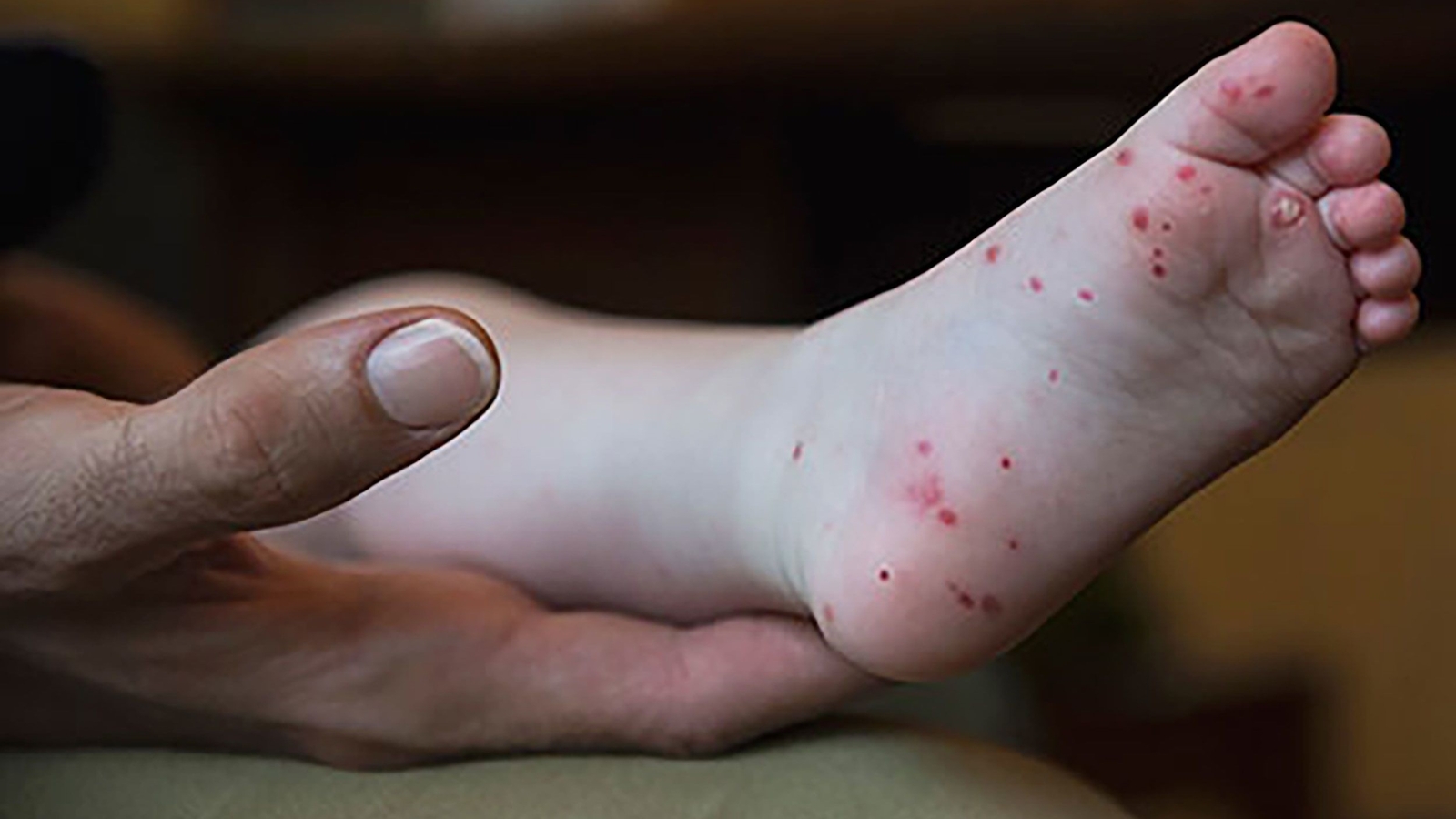
Multiple states are experiencing a surge in hand, foot, and mouth disease, a highly contagious virus affecting mainly children but also adults, with symptoms including blisters and rash. The virus spreads through respiratory droplets, contact with blisters, and contaminated surfaces. Most recover at home with symptomatic care, but good hygiene and avoiding sick individuals are key to prevention.
Multiple states are experiencing an outbreak of hand, foot, and mouth disease, a highly contagious virus affecting mainly children but also adults, with symptoms like blisters and rash. Experts emphasize the importance of good hygiene, especially hand-washing, to prevent spread, and note most recover at home with symptomatic care. The virus spreads through respiratory droplets, contact with blisters, and contaminated surfaces, and can cause serious complications in rare cases.
Multiple states are experiencing an outbreak of hand, foot, and mouth disease, a highly contagious virus affecting mainly children but also adults, with symptoms including blisters and rash. Experts emphasize the importance of good hygiene, especially hand-washing, to prevent spread, and note that most recover at home with symptomatic care. The virus spreads through respiratory droplets, contact with blisters, and contaminated surfaces, and can cause serious complications in rare cases.
Hand, foot and mouth disease is a highly contagious viral illness affecting mainly children under 5, characterized by fever, mouth sores, and rashes on hands and feet. It spreads easily through close contact and contaminated surfaces, but most cases are mild and resolve within a week to 10 days. Prevention includes good hygiene practices, and children can return to school once symptoms improve. Adults can also get the disease, though symptoms are usually milder.
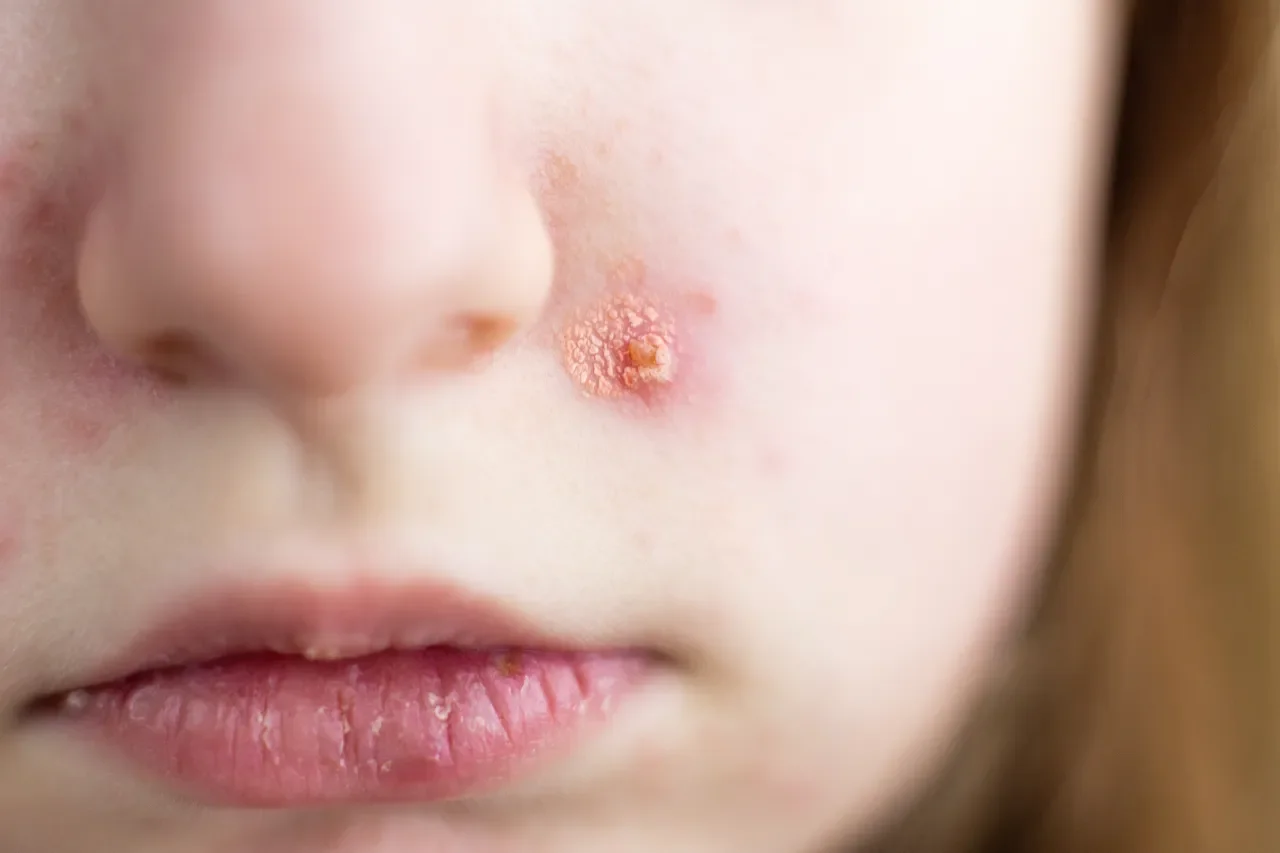
South Beloit High School has issued a health alert after multiple students were diagnosed with impetigo, a contagious bacterial skin infection. The school is increasing cleaning measures, and parents are advised to seek medical attention if their children show symptoms and keep them home from school to prevent further spread.
Norovirus, also known as the winter vomiting bug, is surging again, causing widespread illness with symptoms like nausea, vomiting, and diarrhea. It is highly infectious and can spread through contaminated surfaces, food, water, and aerosols from vomiting or toilet flushing. The CDC warns to stay home for 48 hours after symptoms stop to prevent spreading, and emphasizes thorough handwashing since hand sanitizer is ineffective against the virus. The outbreak is expected to peak in the US between December and March, with recent data indicating higher-than-normal cases.