Physicists at the University of Konstanz have developed a method to use light to alter the magnetic properties of common crystals like hematite in a non-thermal way, enabling high-speed data processing and quantum research at room temperature, potentially revolutionizing information technology and quantum studies.
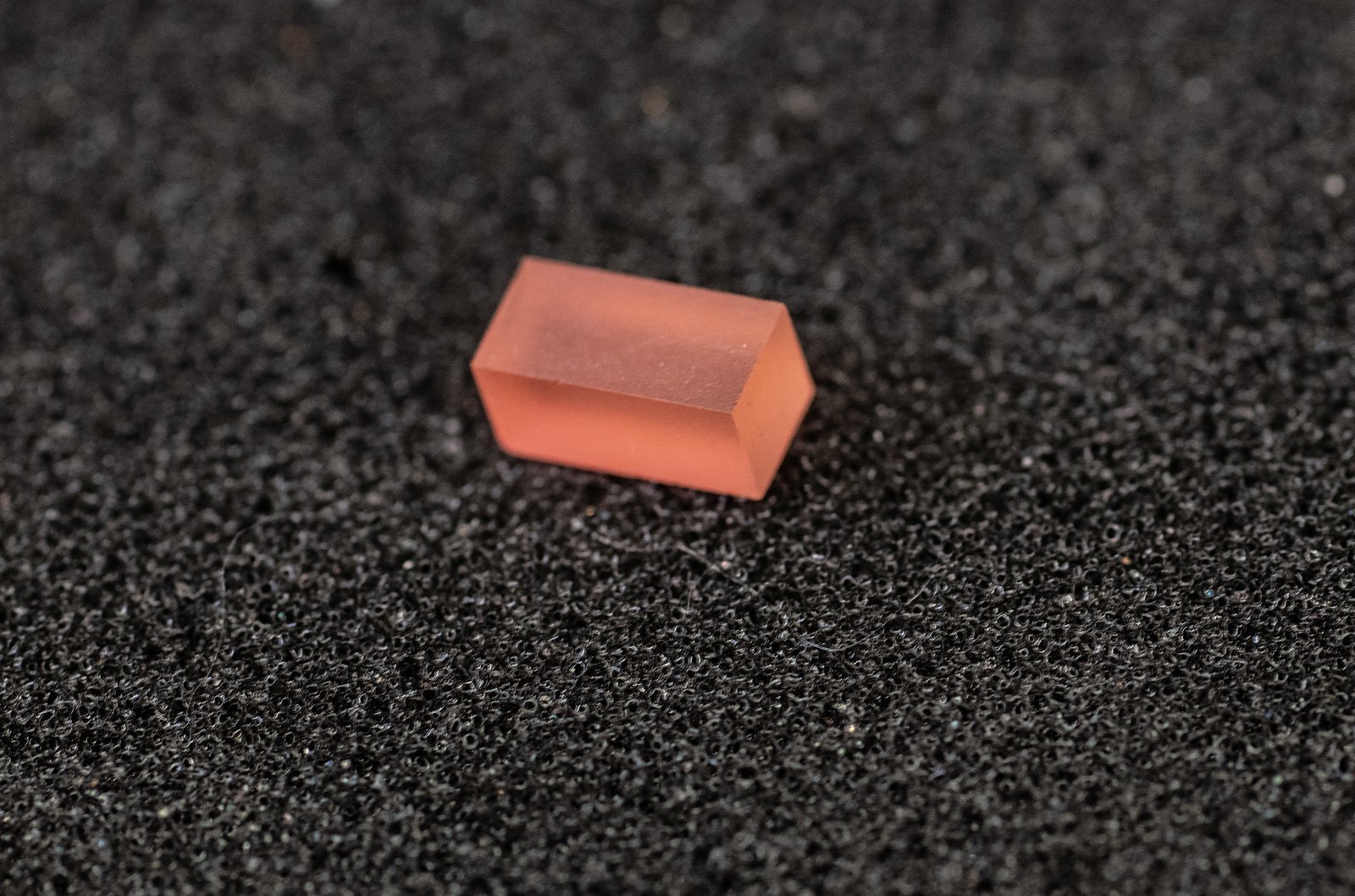
Caltech researchers have detected "Barkhausen noise" for the first time through quantum mechanical effects, representing an advance in fundamental physics. By studying a pink crystalline material called lithium holmium yttrium fluoride cooled to near absolute zero, the team observed that quantum tunneling and co-tunneling effects can lead to macroscopic changes in the magnetic orientations of electron spins, causing a magnetic avalanche. This discovery could have potential applications in creating quantum sensors and other electronic devices.
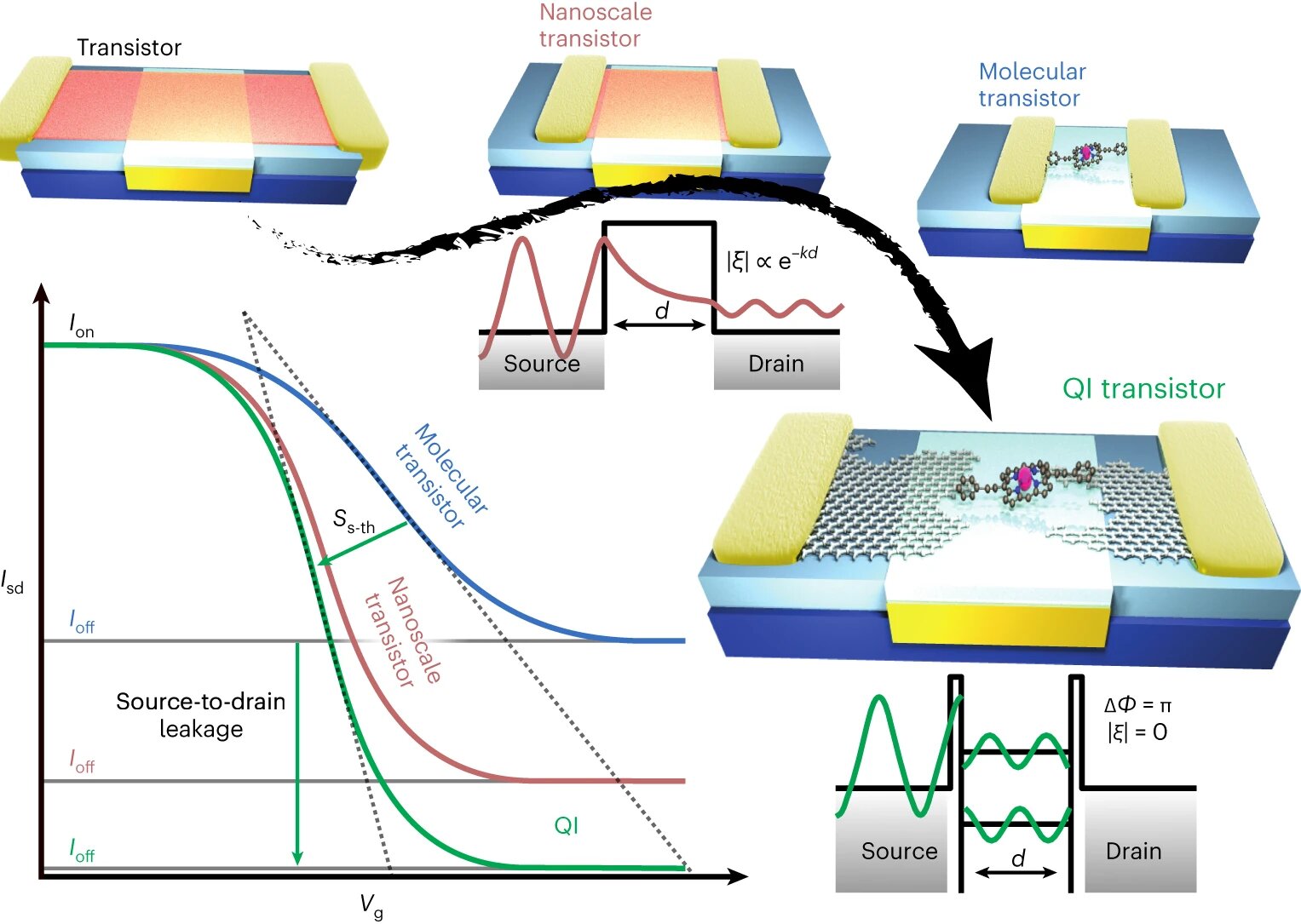
Researchers have developed a new single-molecule transistor that utilizes quantum interference to control electron flow, potentially leading to smaller, faster, and more energy-efficient transistors. By exploiting quantum effects, the transistor demonstrates a high on/off ratio and stability, with the ability to operate for hundreds of thousands of cycles. This breakthrough could pave the way for the development of new types of transistors that are more efficient and reliable, with potential applications in various electronic devices.
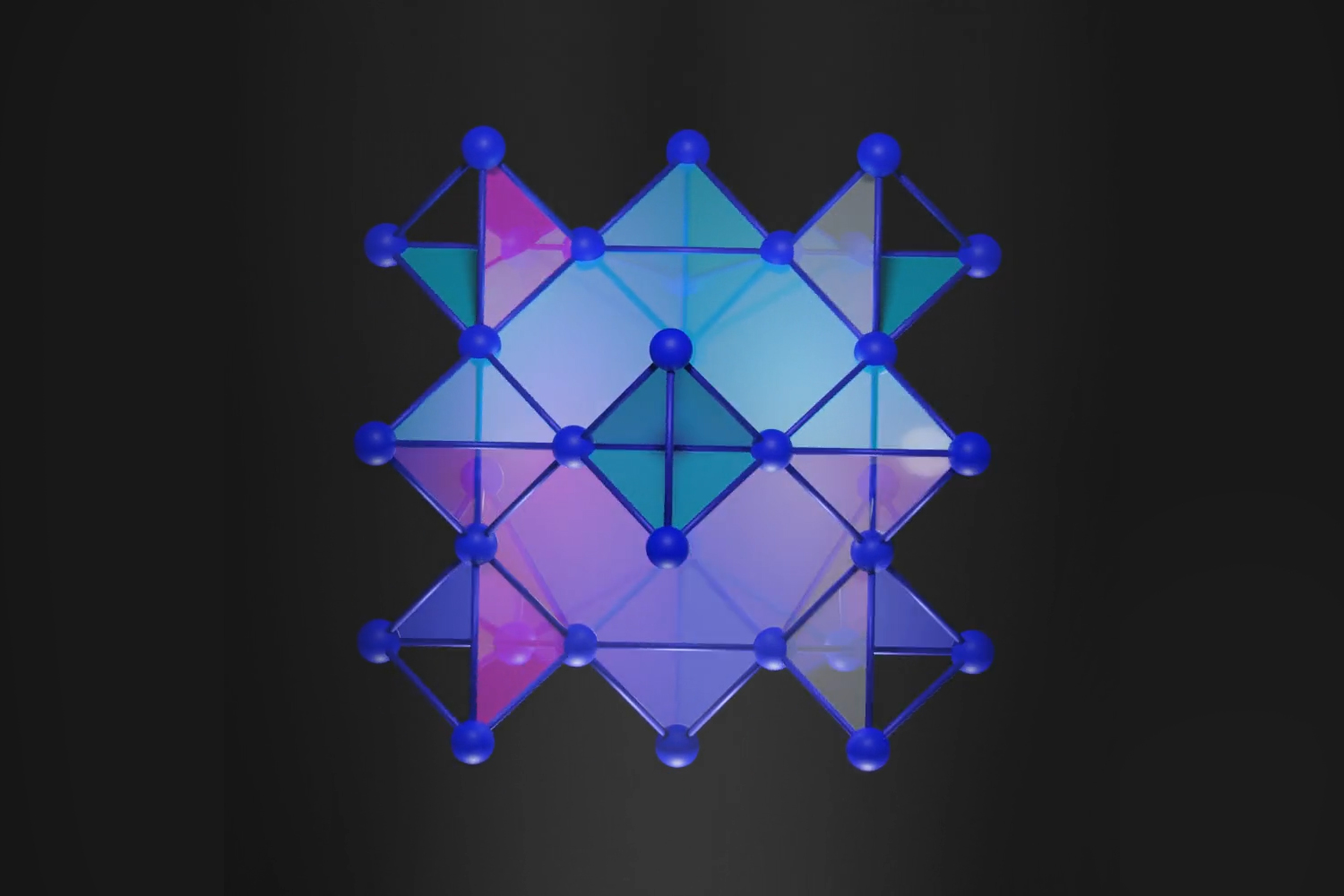
Researchers at Rice University have discovered an alloy of copper, vanadium, and sulfur that forms crystals capable of trapping electrons due to quantum effects, resulting in flat bands with unique properties. This marks the first instance of a 3D crystal exhibiting this behavior, potentially holding significance for future quantum computers and the development of room-temperature superconductors.
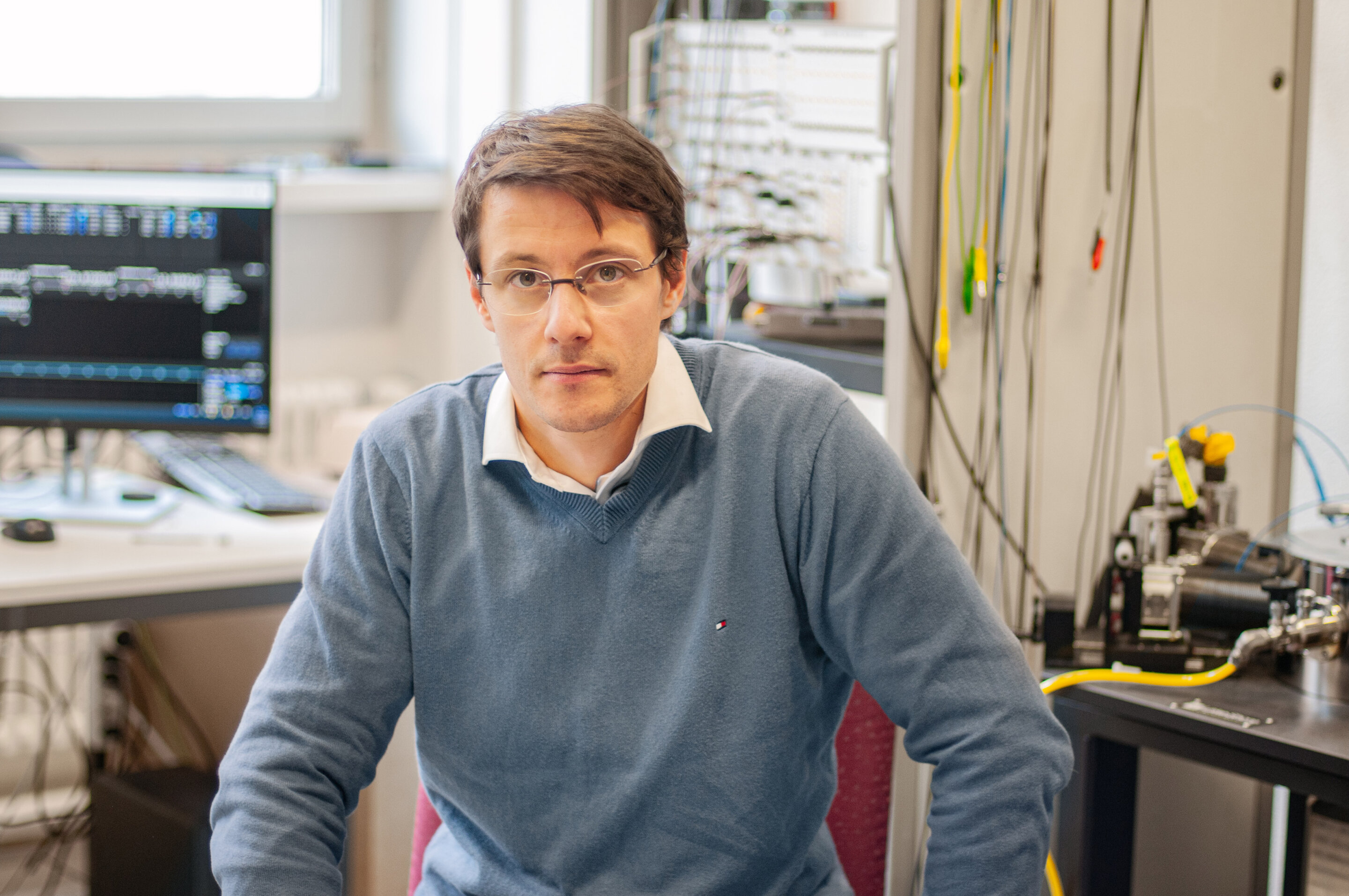
Quantum physicist Mickael Perrin is researching the use of graphene nanoribbons to build nanoscale power plants that can efficiently convert thermal energy into electricity using quantum effects, with potential applications in smartphones and minisensors. His work combines thermodynamics and quantum mechanics, and has earned him prestigious research grants and fellowships. Perrin's research group at Empa has demonstrated that graphene nanoribbons can preserve quantum effects at higher temperatures, paving the way for future practical applications. However, challenges remain in scaling up and incorporating these materials into devices, with an estimated timeline of at least 15 years for practical implementation.
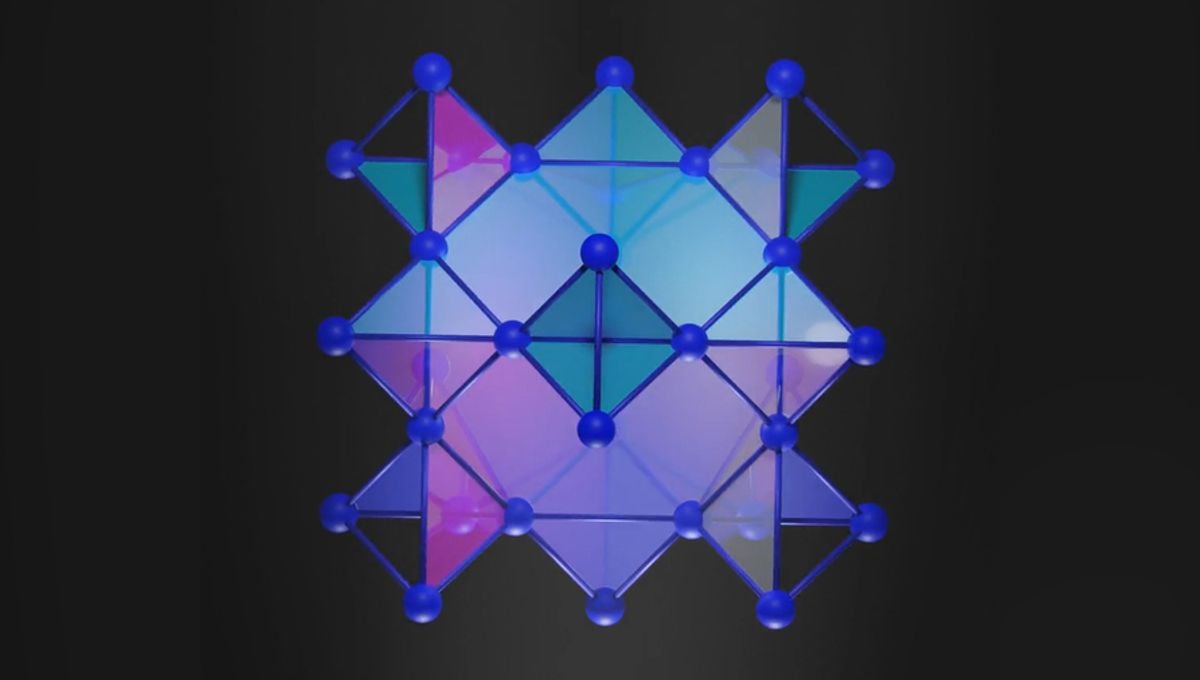
Researchers have successfully trapped electrons in a three-dimensional crystal, creating a flat band state that exhibits quantum effects such as superconductivity. By using a 3D kagome-shaped lattice, the team was able to trap electrons in all three dimensions. The crystal was then turned into a superconductor by making a chemical modification. This breakthrough opens up possibilities for studying new physics and developing technologies such as ultra-efficient power lines and faster electronic devices.
Physicists at MIT have successfully trapped electrons in a three-dimensional crystal for the first time, creating an electronic "flat band" state. This state allows electrons to behave collectively and exhibit quantum effects, potentially leading to superconductivity and unique forms of magnetism. The crystal's atomic geometry, resembling the Japanese art of basket-weaving called "kagome," allows the electrons to be trapped and settle into the same energy band. The researchers also demonstrated that by manipulating the crystal's composition, they could transform it into a superconductor. This breakthrough opens up new possibilities for exploring rare electronic states in three-dimensional materials and developing technologies such as ultraefficient power lines and faster electronic devices.
Researchers at Duke University have used a quantum simulator, developed from research in quantum computing, to observe a quantum effect known as a conical intersection in light-absorbing molecules. This effect governs the motion of electrons between energy states and has implications for processes such as photosynthesis and vision. By slowing down the simulated molecular quantum effects by a billion times, the researchers were able to directly measure the geometric phase, a mathematical constraint that determines certain molecular transformations. The results provide insights into the inner workings of complex quantum systems and demonstrate the potential of quantum computers in investigating fundamental science.
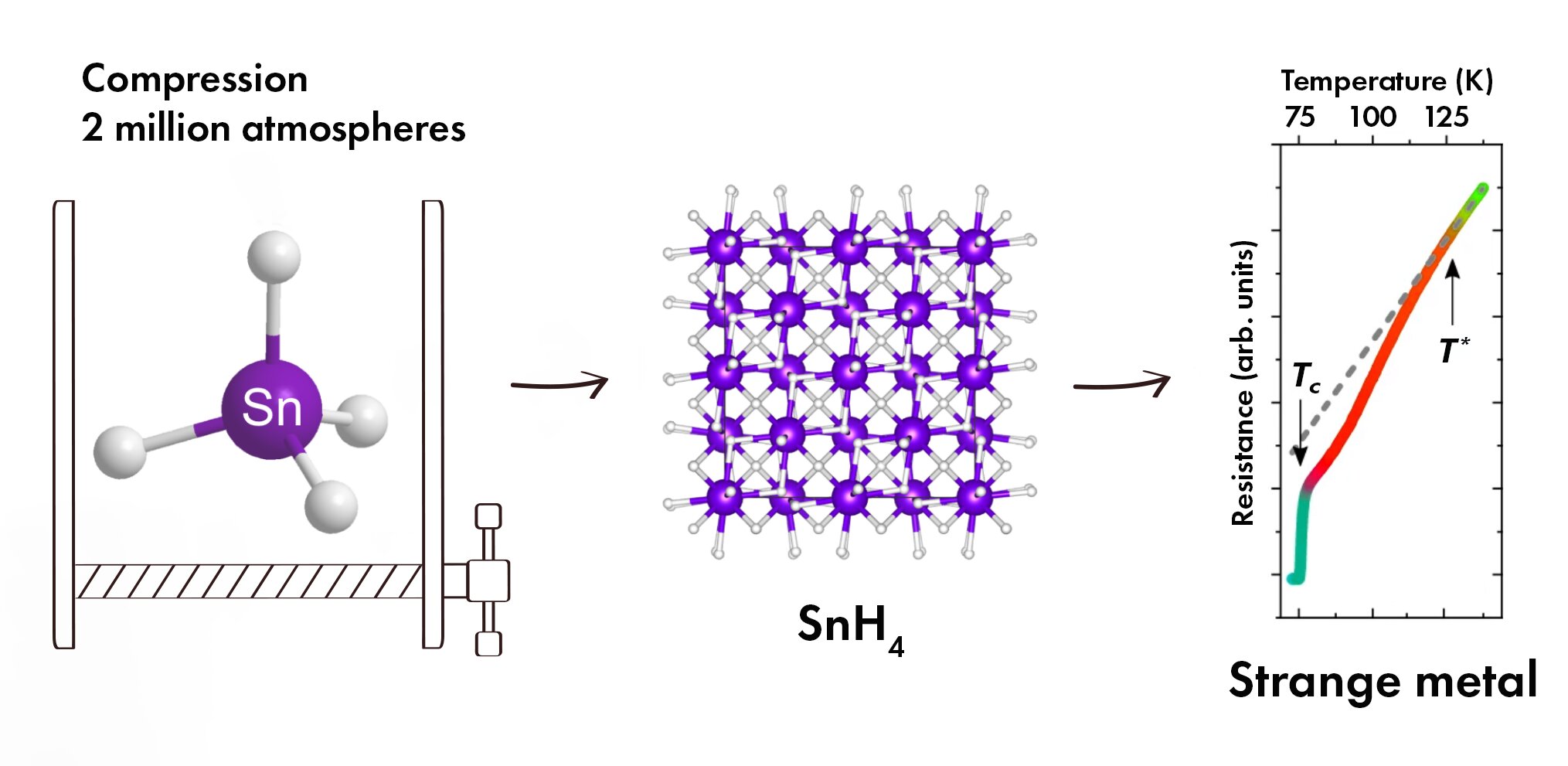
Researchers from Skoltech and HPSTAR have discovered previously unknown tin hydrides that exhibit superconducting properties at a critical temperature of 72 Kelvins. The hydrides display unusual behavior similar to cuprate superconductors, known as "strange" metals, conducting electricity differently from conventional metals. The team used high-pressure diamond anvil cells to study the chemical interaction between tin and hydrogen under extreme pressure. The findings bridge the gap between cuprate superconductivity and high-pressure hydride superconductivity, highlighting the potential for practical applications and the need for further research.
Quantum biology is an emerging field that explores the influence of quantum effects on biological systems. While quantum effects are typically only observed at small scales and low temperatures, recent research suggests that they may play a role in regulating enzyme activity, sensing magnetic fields, and other physiological processes. Scientists are working to develop tools to measure and control quantum properties in biological systems, with the goal of developing noninvasive, remotely controlled therapeutic devices. The interdisciplinary nature of quantum biology requires collaboration between researchers from fields such as physics, biology, and medicine.
Quantum biology is an emerging field that explores the influence of quantum effects on biological systems. While quantum effects are typically only observed at very small scales, recent research suggests that they may play a role in regulating enzyme activity, sensing magnetic fields, and other physiological processes. Scientists are working to better understand these effects and develop tools to measure and manipulate them, with the potential to revolutionize medicine and biomanufacturing. The interdisciplinary nature of quantum biology requires collaboration between researchers from diverse fields, and could lead to a whole new way of understanding life processes.
Quantum biology is an emerging field that studies the influence of quantum effects on biological systems. While it was previously believed that classical physics could fully describe biological processes, recent research has shown that quantum effects do play a role in regulating enzyme activity, sensing magnetic fields, and electron transport in biomolecules. By fine-tuning nature's quantum properties, researchers could develop noninvasive, remotely controlled therapeutic devices accessible with a mobile phone. The interdisciplinary nature of quantum biology requires a transformative model of collaboration to conduct experiments that meet the breadth of the field.