Scientists have used a quantum computer to slow down a chemical reaction by 100 billion times, allowing them to directly observe a molecular interaction known as a conical intersection. This breakthrough could provide new insights into chemical reactions and have applications in materials science, drug design, and solar energy harvesting.
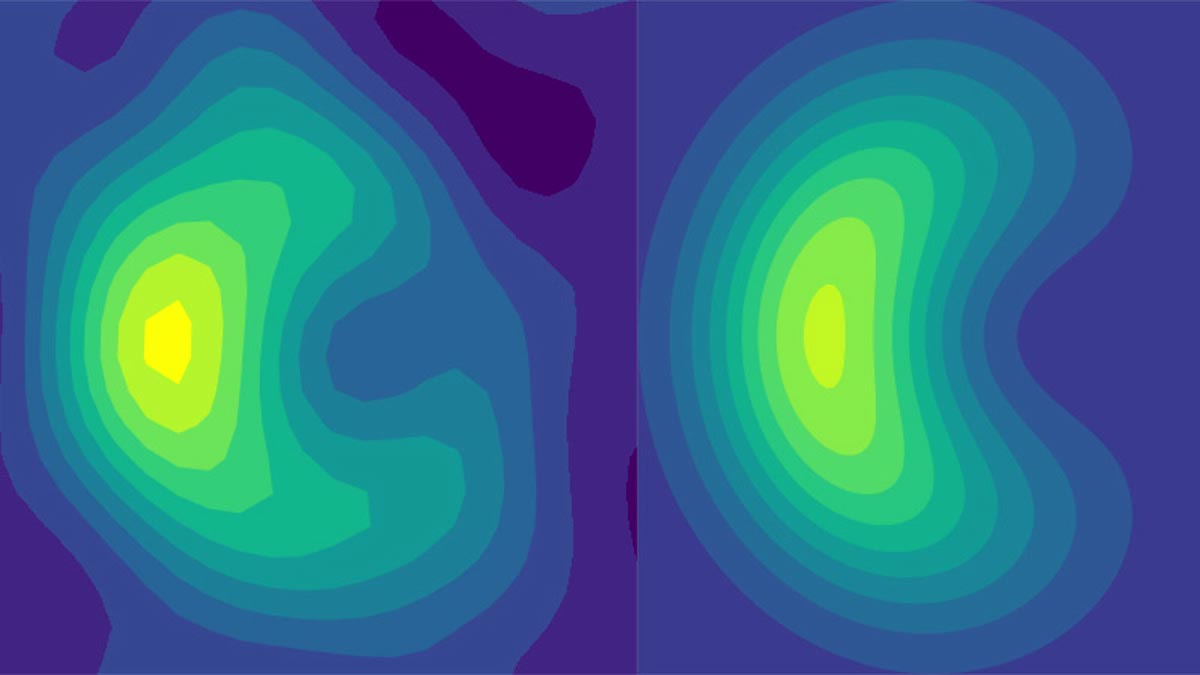
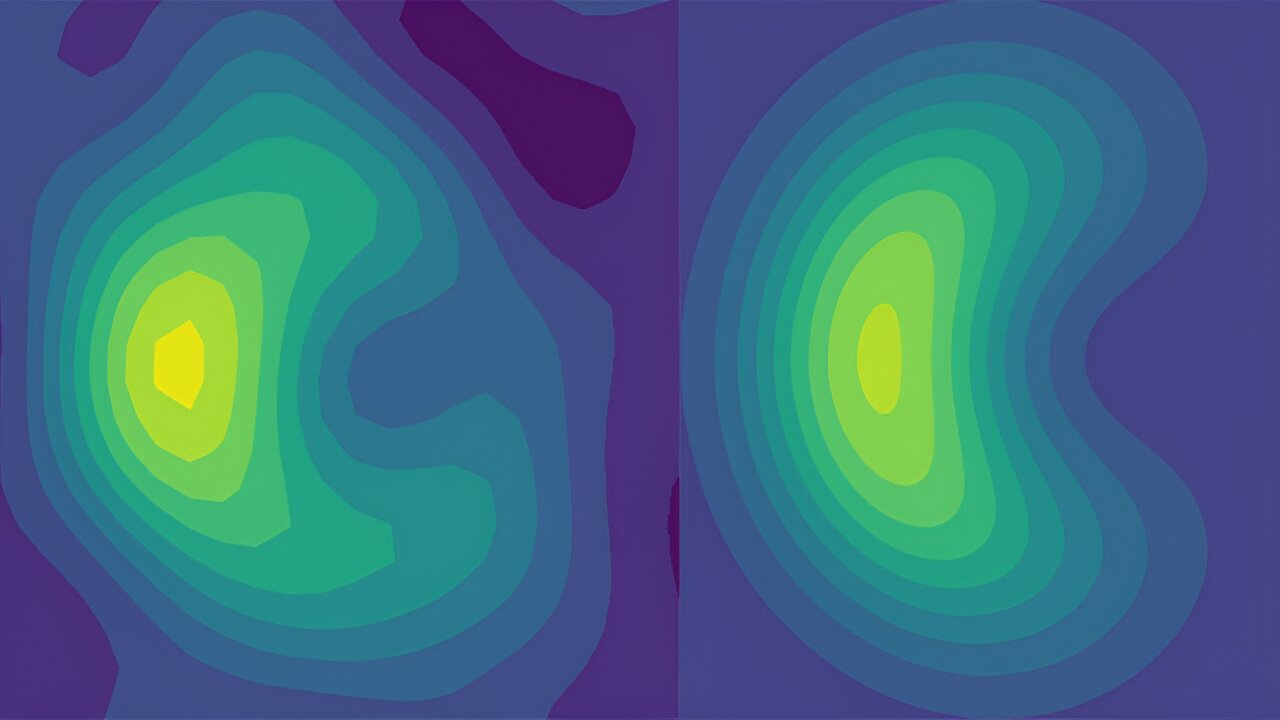
Researchers at Duke University have used a quantum simulator, developed from research in quantum computing, to observe a quantum effect known as a conical intersection in light-absorbing molecules. This effect governs the motion of electrons between energy states and has implications for processes such as photosynthesis and vision. By slowing down the simulated molecular quantum effects by a billion times, the researchers were able to directly measure the geometric phase, a mathematical constraint that determines certain molecular transformations. The results provide insights into the inner workings of complex quantum systems and demonstrate the potential of quantum computers in investigating fundamental science.
Scientists at Duke University have utilized quantum-based methods to unravel the mystery of conical intersections, a phenomenon that affects the paths molecules can take during transitions between configurations. This breakthrough has significant implications for understanding essential chemical processes such as photosynthesis, vision, and photocatalysis.
Researchers at Duke University have used a quantum simulator, developed from research in quantum computing, to observe a quantum effect called a conical intersection in the way light-absorbing molecules interact with incoming photons. This observation method addresses a fundamental question in chemistry and provides insights into processes such as photosynthesis and vision. The results demonstrate how advances in quantum computing are being used to investigate fundamental science.
Scientists at the University of Sydney have used a quantum computer to slow down a chemical reaction by a factor of 100 billion times, allowing them to directly observe and study a process critical in chemical reactions called a "conical intersection." This breakthrough could have implications for materials science, drug design, and solar energy harvesting, as well as improving our understanding of processes like smog formation and ozone layer damage. The experiment involved mapping the complex problem onto a trapped-ion quantum computer, enabling the researchers to observe and measure the dynamics of the chemical reaction in a way that has never been done before.