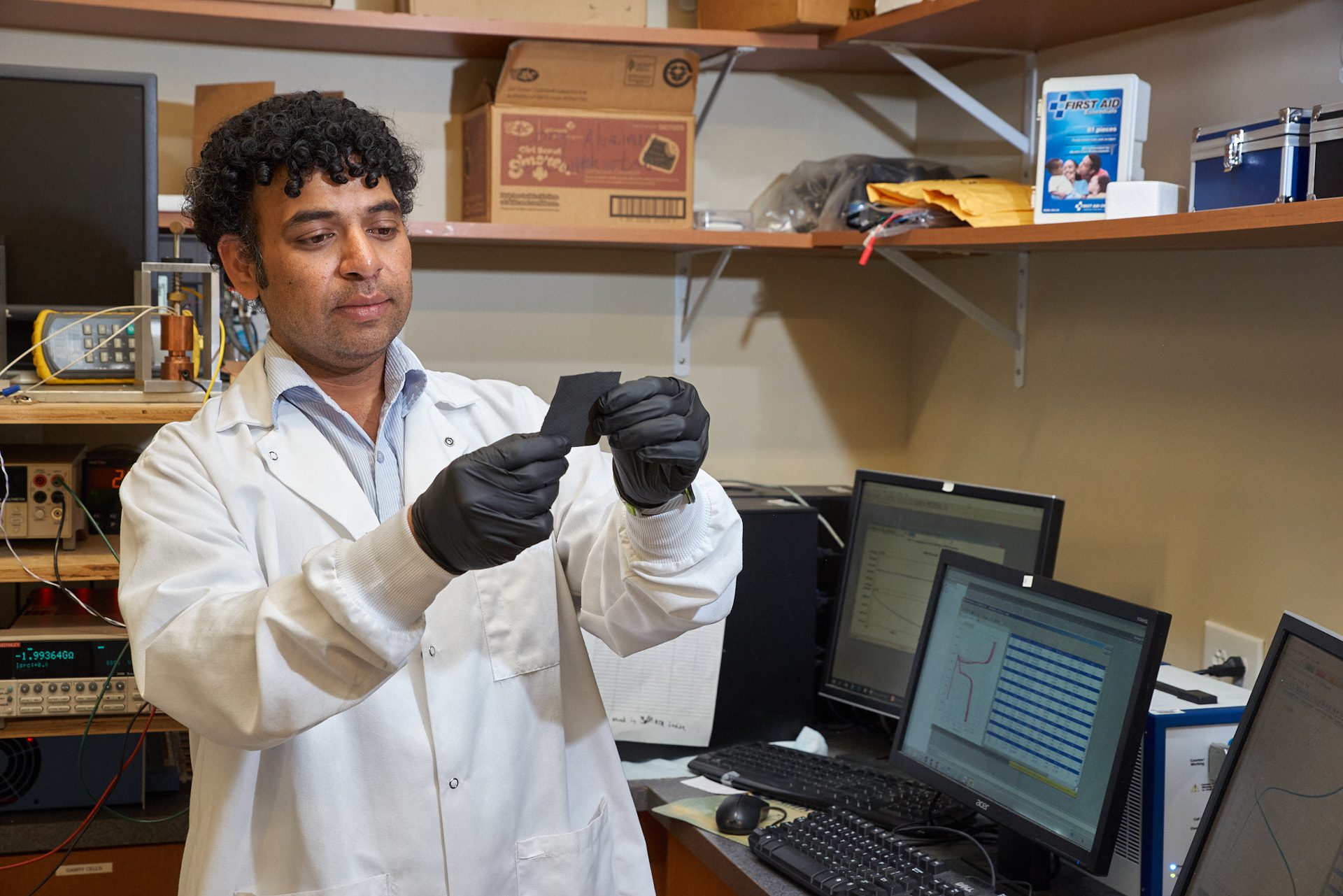
Ramakrishna Podila, a Clemson University physicist, has been named a Fellow of the Institute of Physics for his interdisciplinary work in condensed matter, nanoscience, and emerging fields like quantum biology, with significant contributions to energy storage and nanophysics.
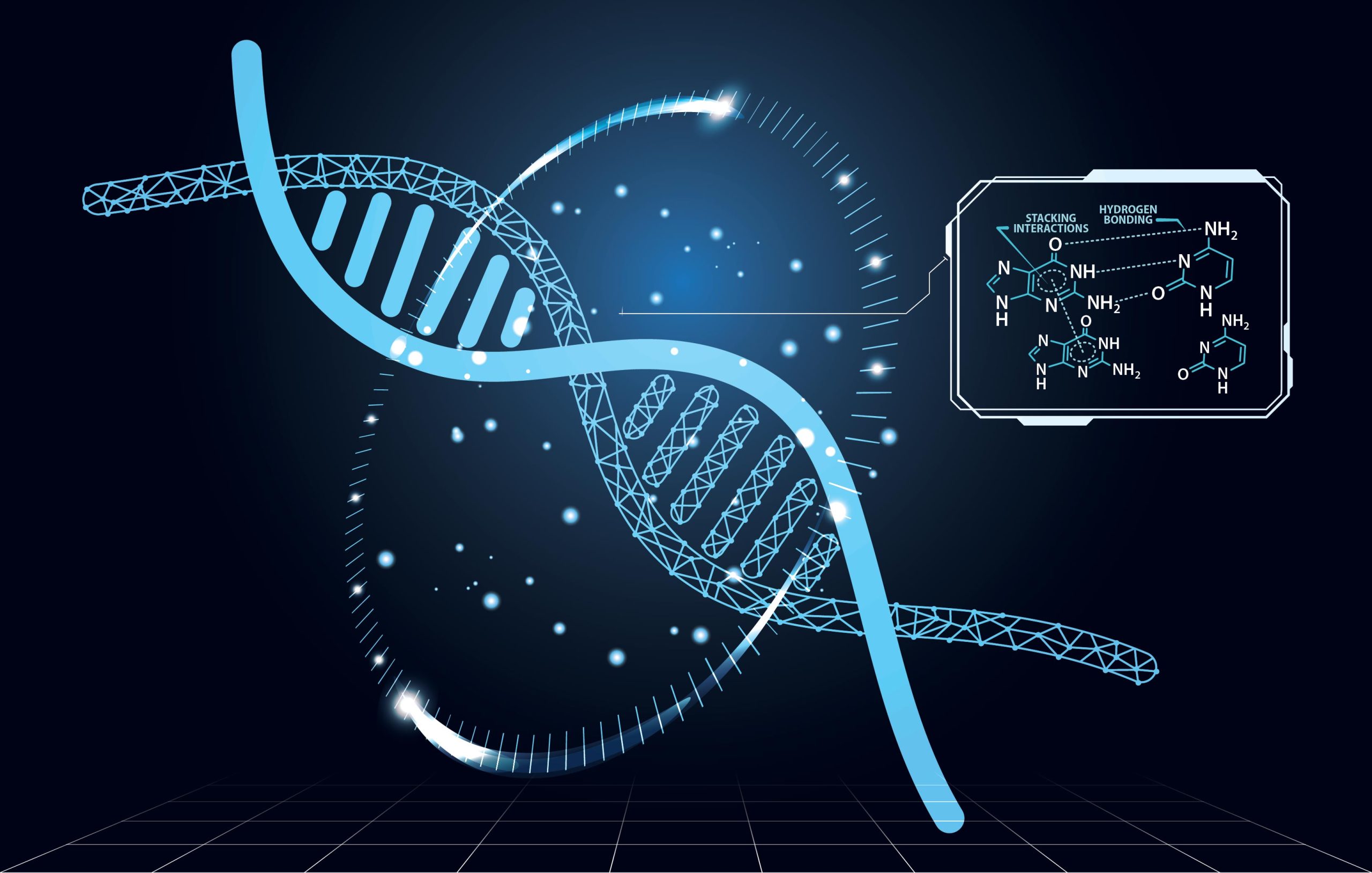
Scientists at Oak Ridge National Laboratory have combined quantum biology and explainable artificial intelligence to enhance CRISPR Cas9 genome editing in microbes. By utilizing quantum biology to understand the electronic structure of nucleotides and training an explainable AI model, the researchers were able to improve the accuracy of guide RNA selection for CRISPR Cas9, leading to more precise genetic modifications in microbes. This breakthrough has significant implications for renewable fuel and chemical production, as well as drug development and functional genomics.
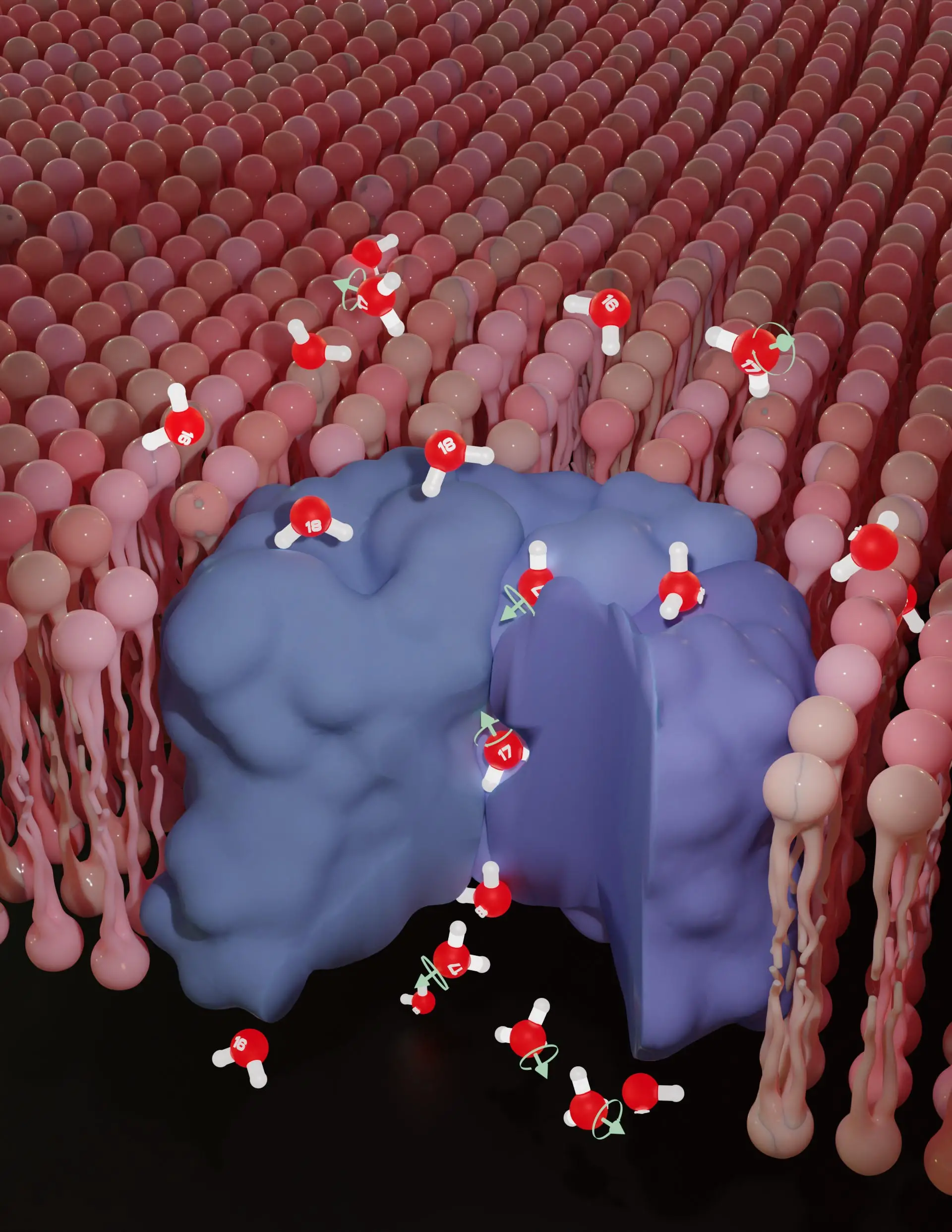
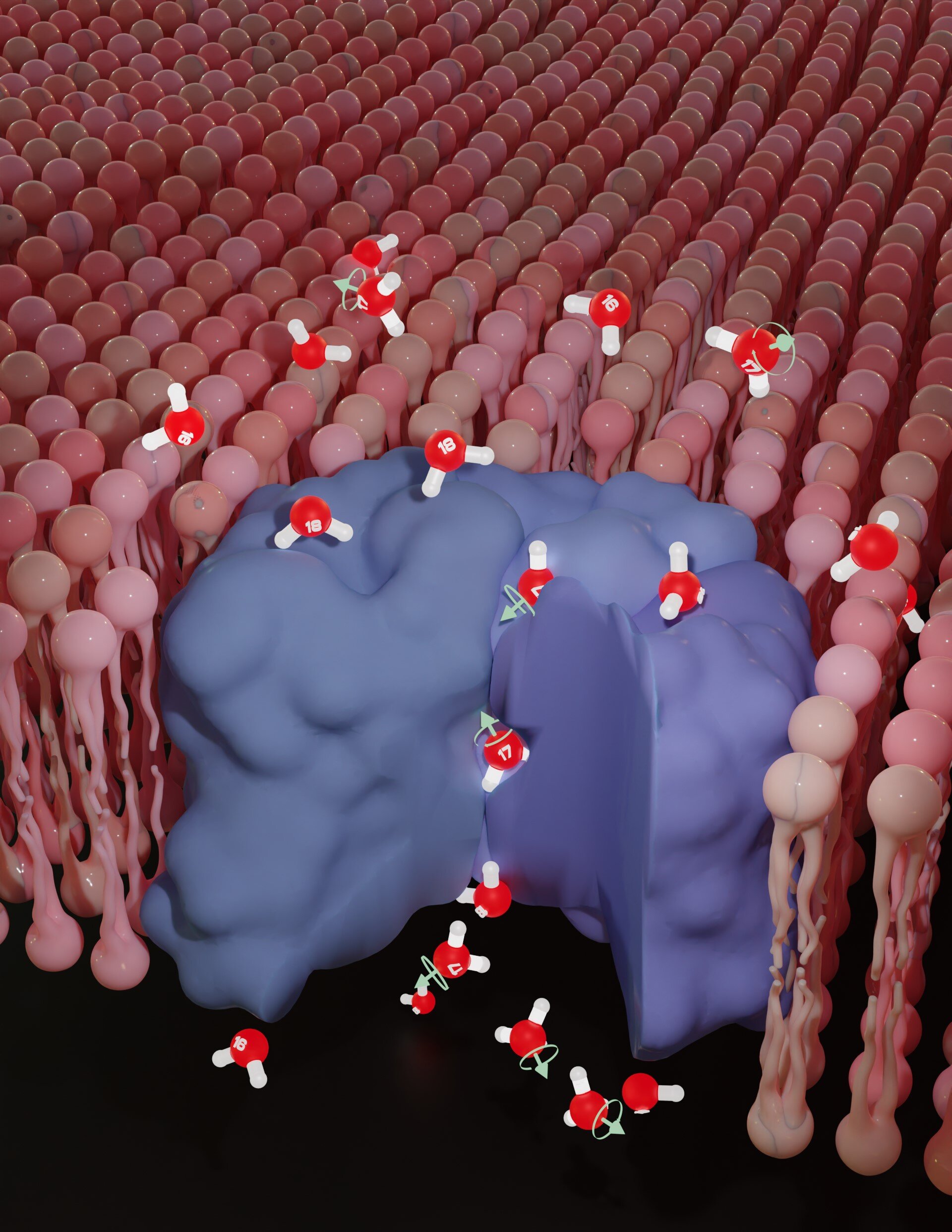
New research reveals that nuclear spin has a significant impact on biological processes, challenging long-held assumptions. The study focused on the influence of nuclear spin on oxygen dynamics in chiral environments, uncovering its effects on transport. This breakthrough has implications for biotechnology, quantum biology, isotope separation, and nuclear magnetic resonance (NMR) technology. Manipulating nuclear spin could lead to groundbreaking applications in these fields, revolutionizing isotopic fractionation processes and unlocking new possibilities in NMR.
A new study led by researchers at the Hebrew University of Jerusalem reveals that nuclear spin has a significant impact on biological processes, challenging previous assumptions. The team found that nuclear spin affects oxygen dynamics in chiral environments, potentially revolutionizing fields such as biotechnology and quantum biology. The findings have implications for controlled isotope separation and could advance nuclear magnetic resonance (NMR) technology. Understanding and manipulating spin could have profound effects on how living things function and may lead to improvements in medical imaging and disease treatment.
A recent paper published in IEEE Transactions on Molecular, Biological and Multi-Scale Communications reviews the evidence of electron tunneling associated with ferritin, a protein involved in iron storage. The study explores the potential role of electron tunneling in various biological systems, including the retina, cochlea, macrophages, glial cells, mitochondria, and magnetosensory systems. The authors hope to raise awareness of this phenomenon and encourage further research into the mechanism of electron tunneling in biological systems that incorporate ferritin.
Quantum biology explores how quantum effects influence biological processes, potentially leading to breakthroughs in medicine and biotechnology. Despite the assumption that quantum effects rapidly disappear in biological systems, research suggests these effects play a key role in physiological processes. This opens up the possibility of manipulating these processes to create non-invasive, remote-controlled therapeutic devices. However, achieving this requires a new, interdisciplinary approach to scientific research.
Quantum biology is an emerging field that explores the influence of quantum effects on biological systems. While quantum effects are typically only observed at small scales and low temperatures, recent research suggests that they may play a role in regulating enzyme activity, sensing magnetic fields, and other physiological processes. Scientists are working to develop tools to measure and control quantum properties in biological systems, with the goal of developing noninvasive, remotely controlled therapeutic devices. The interdisciplinary nature of quantum biology requires collaboration between researchers from fields such as physics, biology, and medicine.
Quantum biology is an emerging field that explores the influence of quantum effects on biological systems. While quantum effects are typically only observed at very small scales, recent research suggests that they may play a role in regulating enzyme activity, sensing magnetic fields, and other physiological processes. Scientists are working to better understand these effects and develop tools to measure and manipulate them, with the potential to revolutionize medicine and biomanufacturing. The interdisciplinary nature of quantum biology requires collaboration between researchers from diverse fields, and could lead to a whole new way of understanding life processes.
Quantum biology is an emerging field that studies the influence of quantum mechanics on biological systems. While quantum effects are typically only observed at small scales and low temperatures, recent research suggests that they may play a role in regulating enzyme activity, sensing magnetic fields, and other physiological processes. By studying and manipulating the quantum properties of biological matter, researchers may be able to develop noninvasive, remotely controlled therapeutic devices accessible through mobile phones. This interdisciplinary field requires collaboration between scientists from various disciplines, including mainstream quantum physics, biophysics, medicine, chemistry, and biology.
Quantum biology is an emerging field that studies the influence of quantum effects on biological systems. While it was previously believed that classical physics could fully describe biological processes, recent research has shown that quantum effects do play a role in regulating enzyme activity, sensing magnetic fields, and electron transport in biomolecules. By fine-tuning nature's quantum properties, researchers could develop noninvasive, remotely controlled therapeutic devices accessible with a mobile phone. The interdisciplinary nature of quantum biology requires a transformative model of collaboration to conduct experiments that meet the breadth of the field.
Quantum biology research, which studies the quantum-driven behaviors of biological systems, has been overlooked by funders and established research communities. However, understanding these phenomena could lead to the development of new drugs and noninvasive therapeutic devices to heal the human body. The lack of experimental verification and a cohesive quantum biology community are some of the reasons why the field is not considered legitimate. Interdisciplinary collaboration is needed to explore the problem, ideally in a quantum biology-focused institute.
Physicists are using quantum biology to understand how living matter is different from inanimate matter, while astrobiologists are trying to create a new physical theory of life based on information theory. Living systems have low entropy, which seems to contradict the second law of thermodynamics. Quantum mechanics may be used by living systems to promote or halt quantum processes. Information seems to be crucial to life, and living organisms have an inbuilt set of instructions, DNA, which non-living things simply don’t have.