Scientists at the University of Maryland have experimentally measured a phenomenon called imaginary time, a concept from quantum theory, by observing how microwave radiation interacts with materials. This discovery could enhance sensing and storage technologies and improve understanding of how information is affected as light travels through different media.
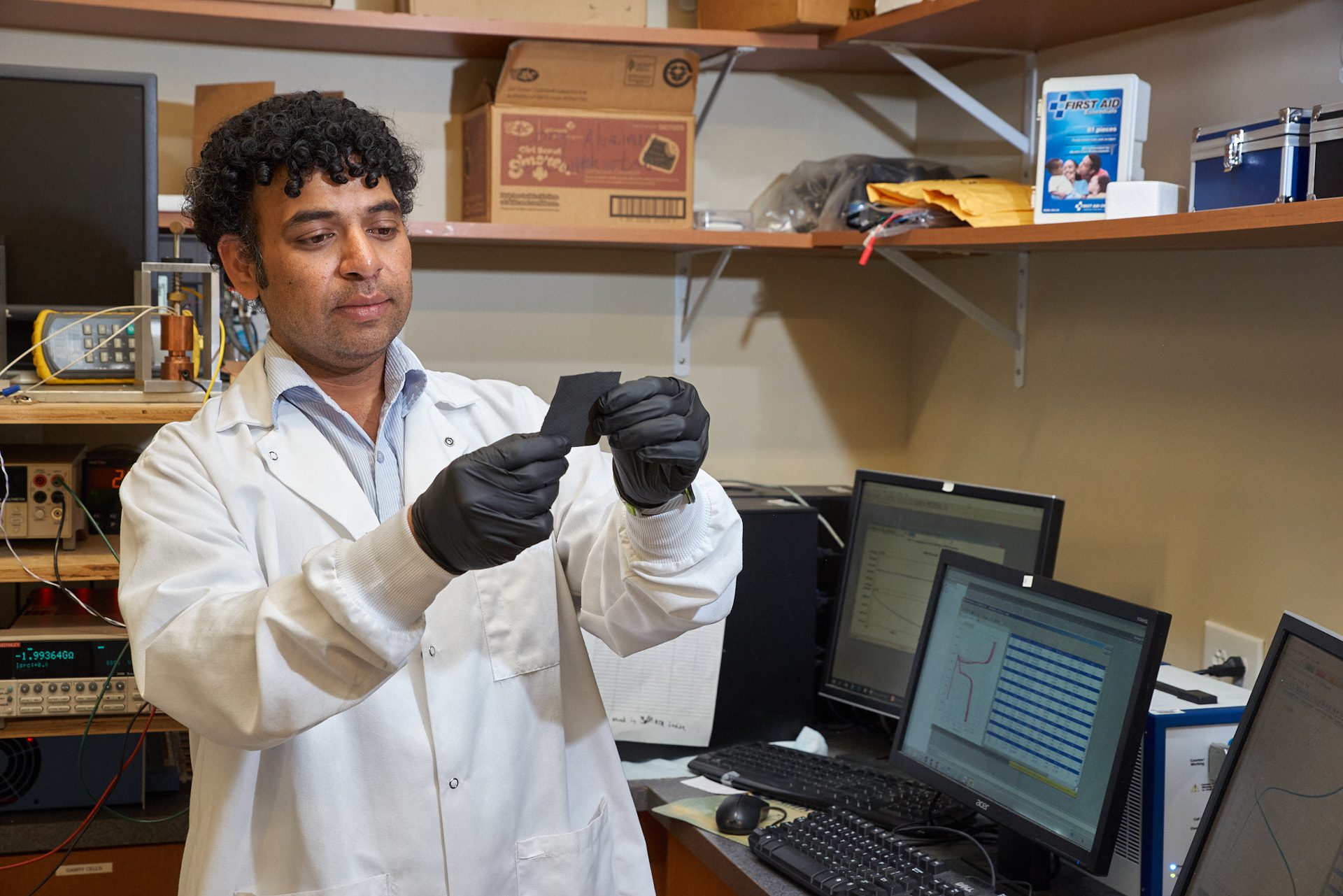
Ramakrishna Podila, a Clemson University physicist, has been named a Fellow of the Institute of Physics for his interdisciplinary work in condensed matter, nanoscience, and emerging fields like quantum biology, with significant contributions to energy storage and nanophysics.
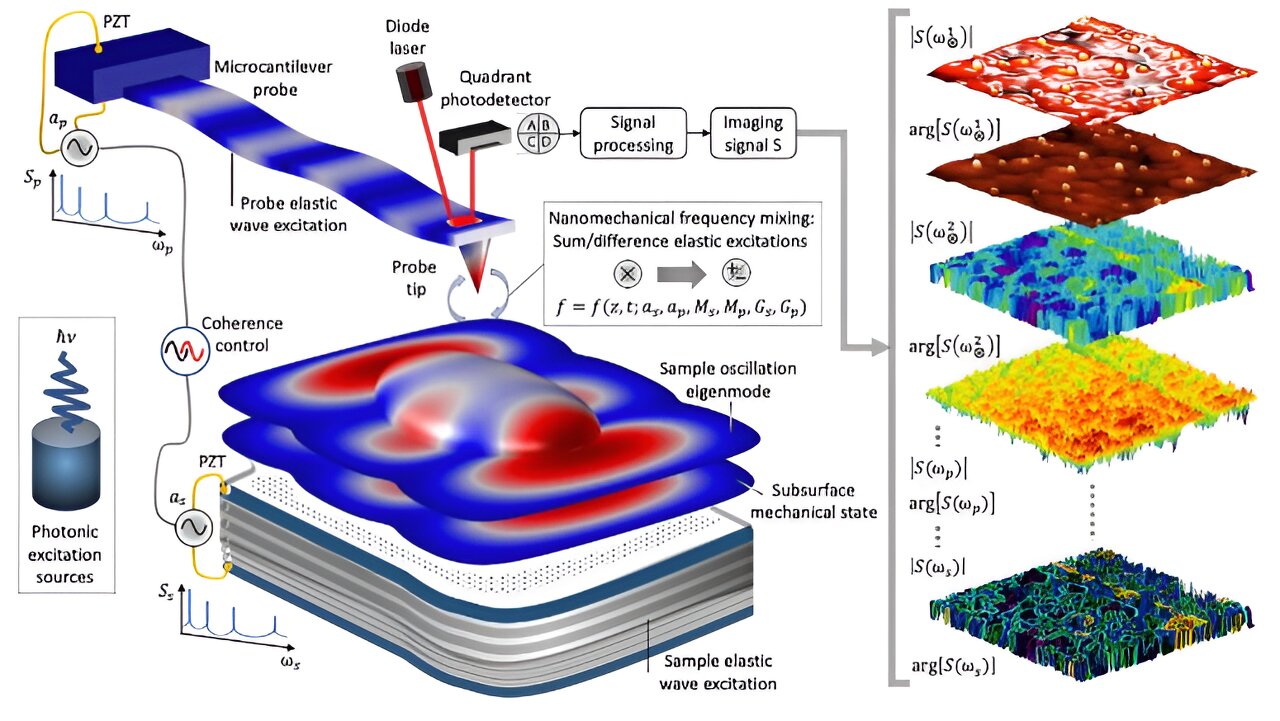
A new study published in Science Advances explores the field of subsurface nanometrology, focusing on internal measurements at the nanoscale level. The researchers suggest that quantum sensing techniques, such as using quantum probes, could revolutionize subsurface exploration. This could have applications in various fields, including targeted drug delivery, quantum computing, and characterizing quantum materials. The study highlights the need for new methods to peer inside materials while leaving them intact and emphasizes the potential of quantum science in achieving greater discoveries and understanding in sensing and imaging science.
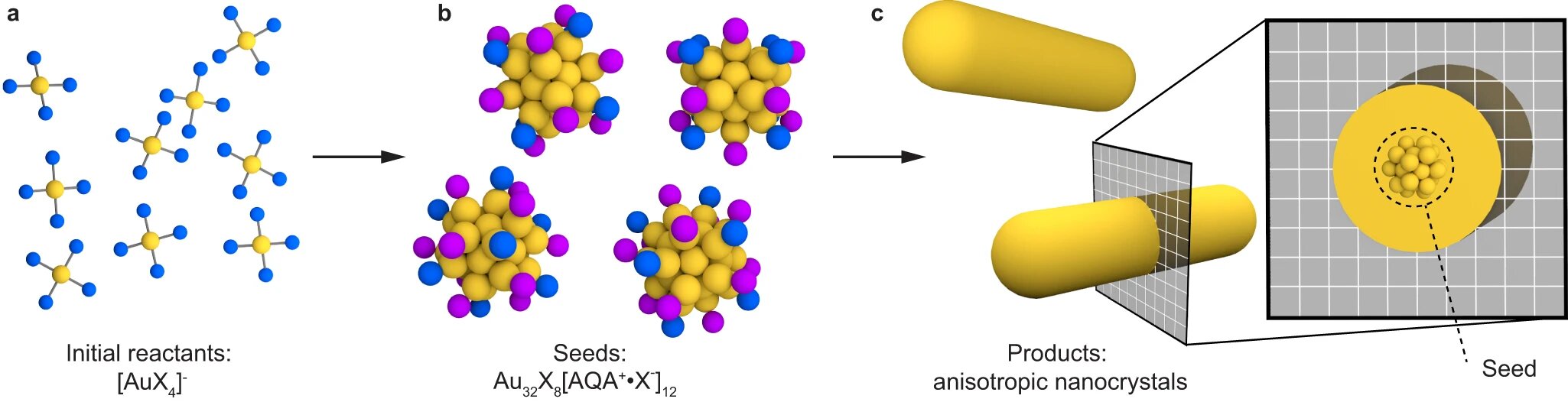
Chemists at Rice University have discovered that the tiny gold "seed" particles commonly used in nanoparticle synthesis are actually gold buckyballs, 32-atom spherical molecules. This finding could help researchers understand the mechanisms behind nanoparticle synthesis and improve control over particle shape and properties. The distinction between nanoparticles and molecules is crucial for advancing nanoscience and achieving precise control over matter.
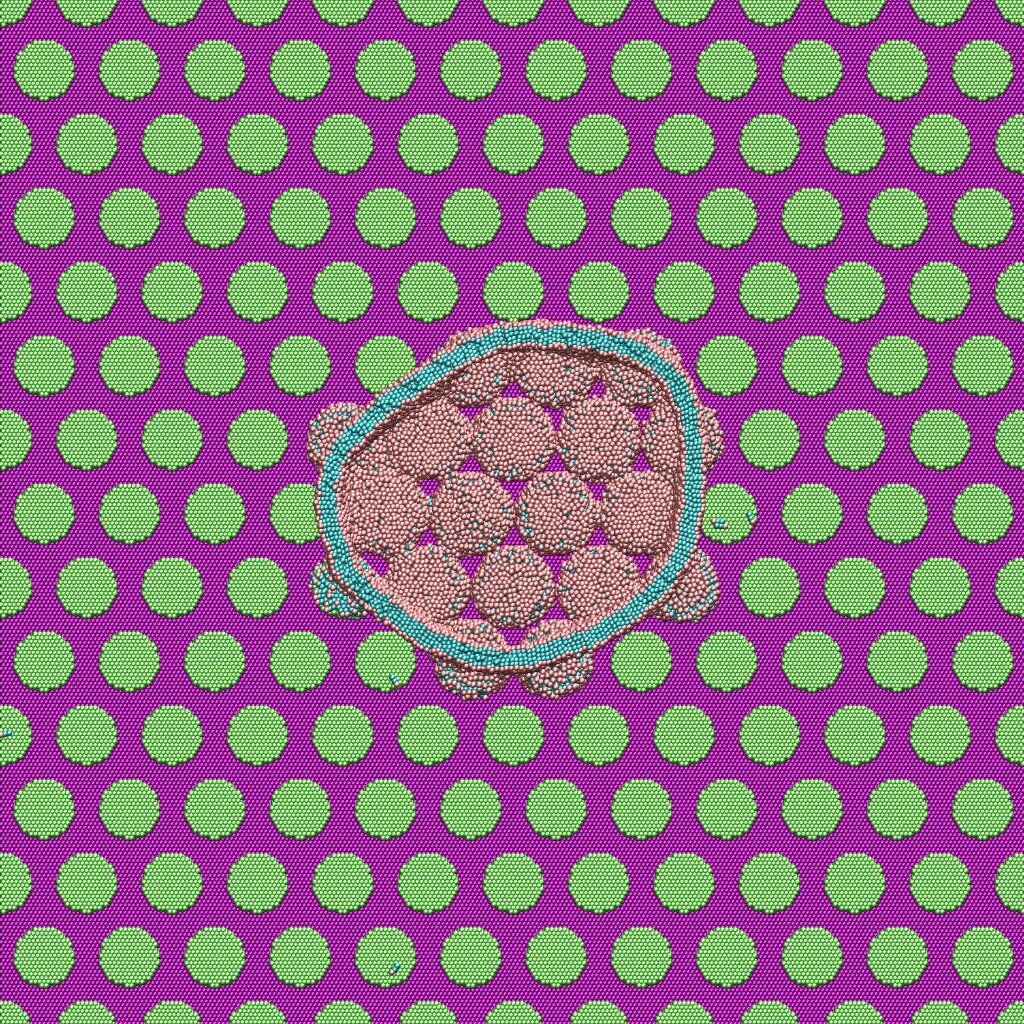
Scientists at Stony Brook University and Oak Ridge National Laboratory have used supercomputer simulations to gain insight into how cicada wings kill bacteria. By replicating the nanostructure of cicada wings, researchers were able to create nanosurfaces with antibacterial properties. The simulations showed that the nanopillars on the nanosurfaces interact with bacterial cell membranes, causing them to stretch and collapse, leading to the bacteria's death. Surprisingly, the height of the nanopillars was not crucial to their antibacterial effectiveness. The researchers plan to further investigate the self-cleaning functionality of the nanosurfaces before applying them to biomedical devices.
Former Harvard Professor Charles Lieber, an expert in nanoscience, has been sentenced to six months of home confinement and two years of supervised release after being found guilty of federal charges related to payments he received from a Chinese government talent program. Lieber was convicted in December 2021 and will avoid prison time.