AI is transforming scientific research from a passive tool to an active collaborator, as seen in Stanford's 'Virtual Lab' framework, which uses AI agents to assist in interdisciplinary research, such as designing nanobodies for SARS-CoV-2. These AI agents engage in discussions, propose solutions, and critically evaluate outcomes, though human oversight remains crucial to verify their accuracy. The framework is adaptable to various scientific fields, highlighting AI's growing role in accelerating scientific discovery.

G. Scott Hubbard, a retired NASA official, emphasizes the need for integrating the dominant cultures of human spaceflight, engineering, and science at NASA to achieve the goal of returning humans to the moon and eventually reaching Mars. He suggests that a dedicated effort towards a unified "One NASA" approach is necessary, involving top leadership embracing cross-organizational culture change, appointing program scientists with authority, and establishing an independent review board to ensure progress towards the goal of humanity exploring other worlds.
A study of over 11,000 Swedish researchers reveals a widespread belief in one’s own ethical superiority, with over 55% rating themselves as adhering to good research practices as well as or better than their peers, and nearly 63% rating their research field’s ethical standards as high or higher than others. This self-assessment bias, particularly pronounced in medical research, raises concerns about recognizing ethical shortcomings and hindering interdisciplinary collaboration, highlighting the need for heightened self-awareness and ethical vigilance in the scientific community.
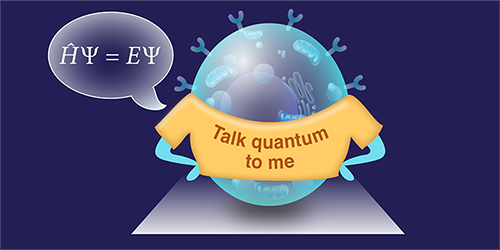
Quantum biology research, which studies the quantum-driven behaviors of biological systems, has been overlooked by funders and established research communities. However, understanding these phenomena could lead to the development of new drugs and noninvasive therapeutic devices to heal the human body. The lack of experimental verification and a cohesive quantum biology community are some of the reasons why the field is not considered legitimate. Interdisciplinary collaboration is needed to explore the problem, ideally in a quantum biology-focused institute.