Physicists have created a microscopic Stirling engine using a silica particle levitated in electric fields, capable of simulating temperatures up to 13 million kelvin, providing insights into thermodynamics at extreme scales and potential applications in understanding biological processes and particle behavior in complex environments.
Scientists have confirmed that living organisms, including humans, emit faint biophotons due to oxidative metabolic processes in mitochondria, and this emission ceases after death. The phenomenon, observable in both animals and plants, is purely biochemical and could have applications in health and ecological monitoring.
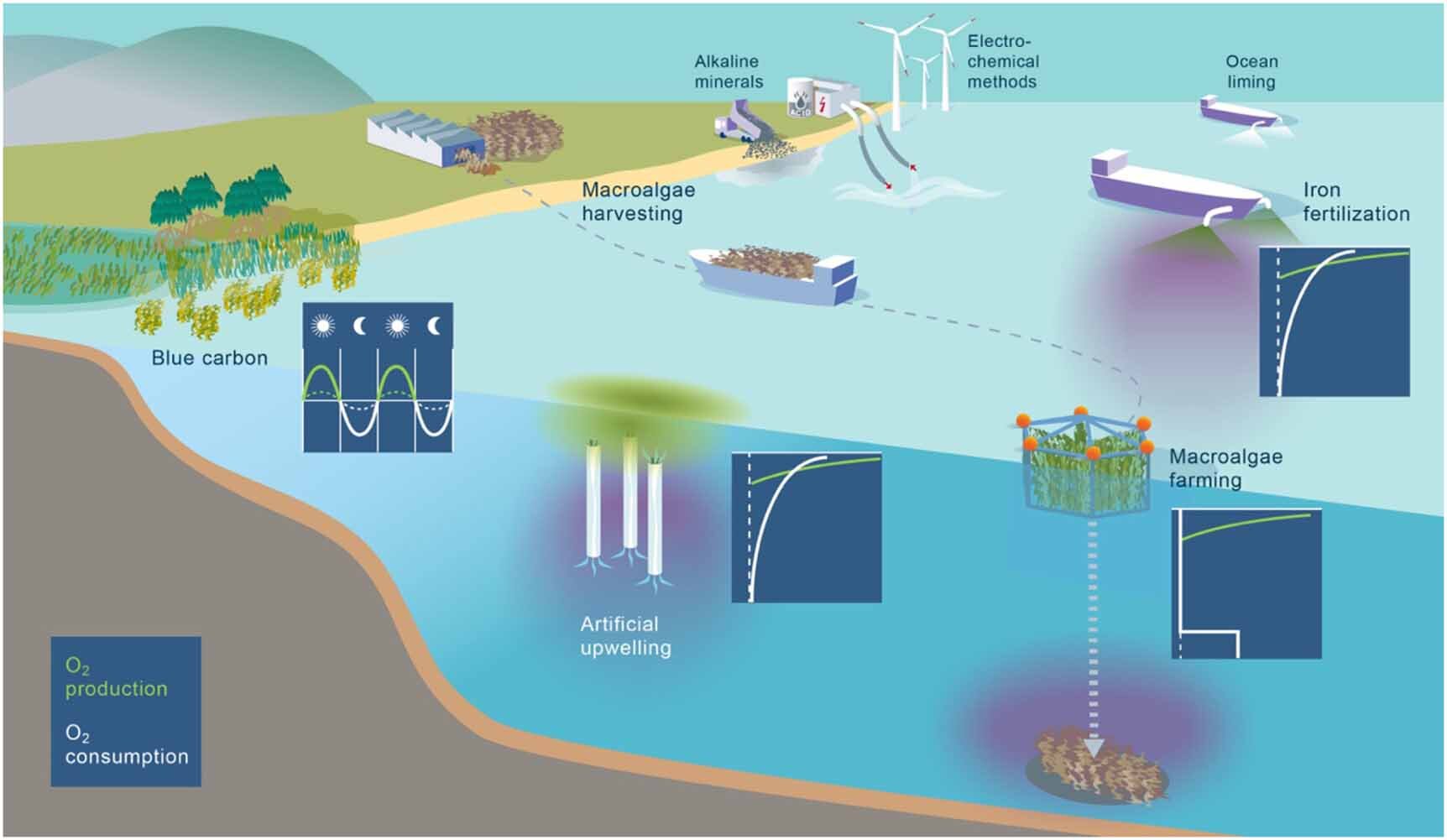
A recent study warns that some marine carbon dioxide removal methods, especially biological ones like ocean fertilization and macroalgae sinking, could significantly worsen ocean deoxygenation, potentially causing oxygen loss 4 to 40 times greater than current levels, highlighting the need for careful assessment and monitoring of these approaches.
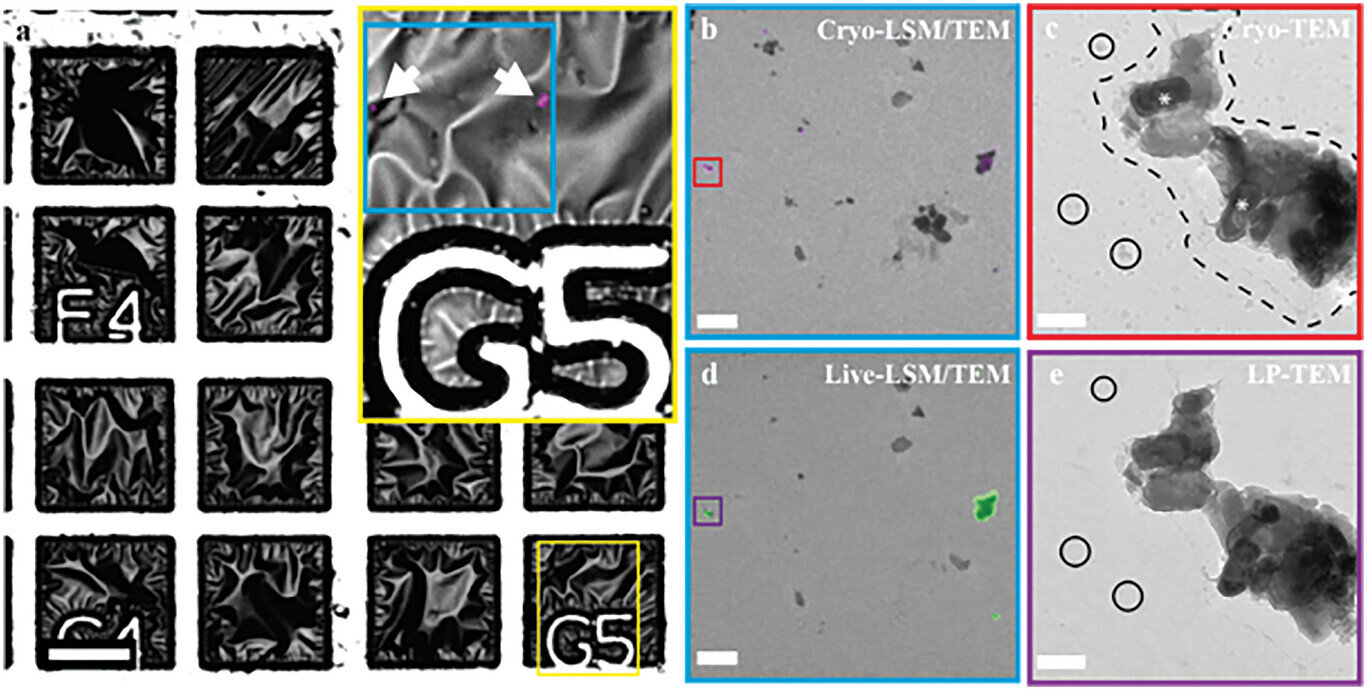
Researchers at Radboud University Medical Center in the Netherlands have developed a groundbreaking microscope that allows for live imaging of biological processes at the nanoscale, overcoming previous limitations of either frozen or low-detail observations. This technique uses graphene to protect samples from electron beam damage, enabling detailed visualization of processes like arterial calcification. The innovation could lead to new insights into diseases and treatments, such as developing a 'heart valve on a chip' to study calcification.
Experts have revealed the detrimental effects of just one night without sleep on the body. After 18 hours of being awake, blood pressure begins to rise, increasing the risk of heart attack or stroke. Lack of sleep also leads to falling testosterone levels, reduced energy, impaired immune system, and the buildup of inflammatory proteins associated with chronic diseases. After 24 hours without sleep, the brain functions similarly to being intoxicated, causing reduced reaction times, slurred speech, and slowed thinking. Food cravings, irritability, and increased stress are also common. At 36 hours, memory, learning, decision making, and blood pressure regulation become difficult. After 48 hours, hallucinations, heightened stress, anxiety, and depersonalization may occur. At 72 hours, the brain struggles with exhaustion, leading to psychosis and altered perception of reality. Extreme sleep deprivation can be fatal and is linked to traffic accidents and workplace mistakes. Seeking psychological therapy or medication may be helpful for sleep issues related to mental health.
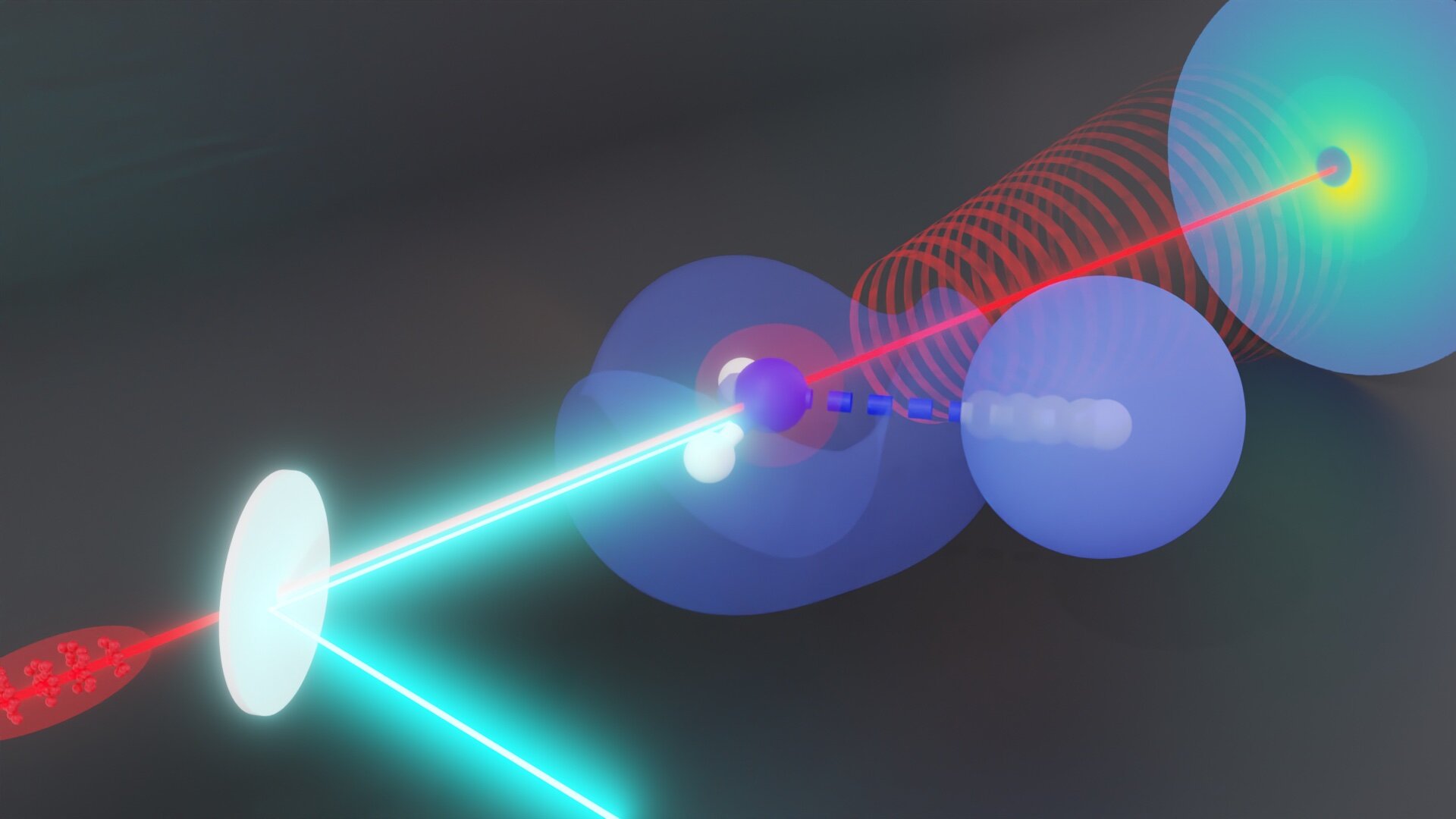
Researchers at SLAC National Accelerator Laboratory and Stanford University have successfully used ultrafast electron diffraction (UED) to capture the motion of hydrogen atoms within ammonia molecules as they dissociate. This breakthrough technique allows scientists to study hydrogen transfers, which are critical for many biological and chemical reactions. By understanding the structure and behavior of protons during these reactions, researchers can gain valuable insights into proton transfers and their implications in chemistry and biology. The findings open up new possibilities for investigating complex processes that occur within femtoseconds, providing a deeper understanding of fundamental scientific phenomena.
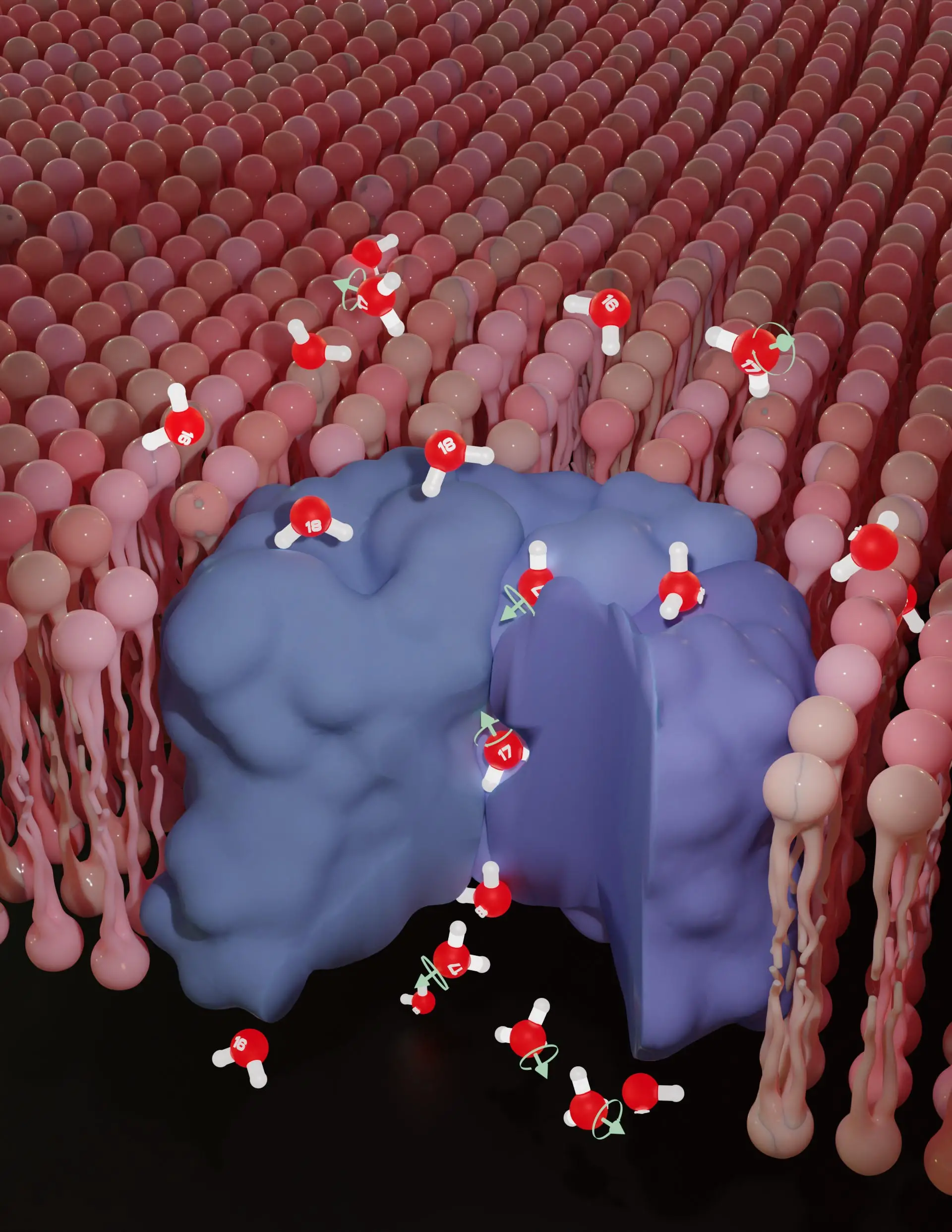
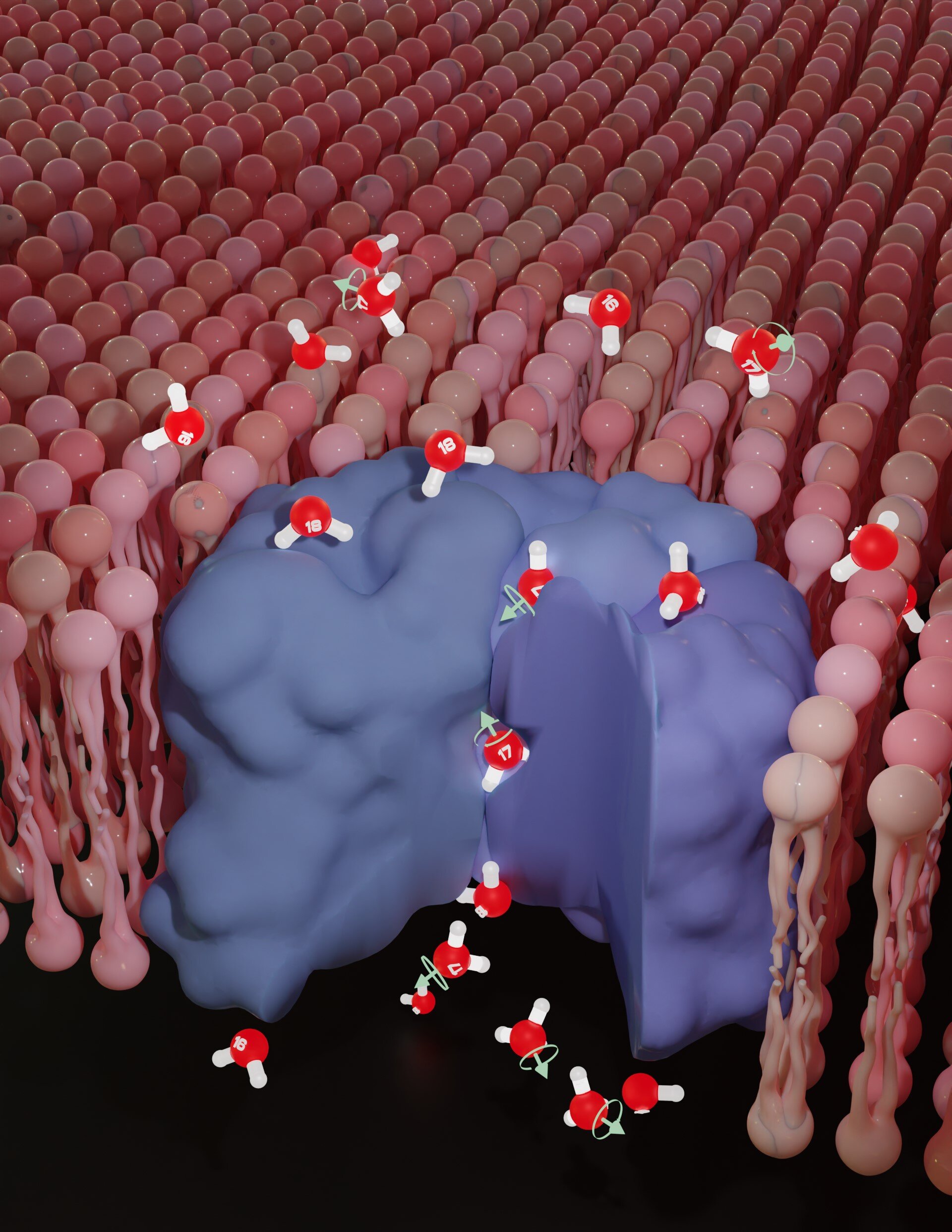
New research reveals that nuclear spin has a significant impact on biological processes, challenging long-held assumptions. The study focused on the influence of nuclear spin on oxygen dynamics in chiral environments, uncovering its effects on transport. This breakthrough has implications for biotechnology, quantum biology, isotope separation, and nuclear magnetic resonance (NMR) technology. Manipulating nuclear spin could lead to groundbreaking applications in these fields, revolutionizing isotopic fractionation processes and unlocking new possibilities in NMR.
New research has revealed that transposons, also known as "selfish genes," play important and unexpected roles in biological processes. These jumping genes, which can move within the genome and generate new copies of themselves, make up over 45% of the human genome. While most transposon copies are inactive, a hundred copies belonging to the LINE family are potentially active and contribute to genetic processes. Studies have shown that transposons are essential for the development of the cerebral cortex, embryonic development, and gene regulation. These findings open up new avenues for research and potential treatments for neurodevelopmental and aging-related disorders.
Researchers at the University of Virginia Health have identified critical biological processes that contribute to coronary artery disease, the leading cause of death in the United States. The study focused on smooth muscle cells that line blood vessels and found that problems with metabolic pathways, specifically how the cells use nitrogen and glycogen, may contribute to the development and progression of the disease. The discovery provides new targets for potential therapies and interventions to treat and prevent coronary artery disease.
A new study led by researchers at the Hebrew University of Jerusalem reveals that nuclear spin has a significant impact on biological processes, challenging previous assumptions. The team found that nuclear spin affects oxygen dynamics in chiral environments, potentially revolutionizing fields such as biotechnology and quantum biology. The findings have implications for controlled isotope separation and could advance nuclear magnetic resonance (NMR) technology. Understanding and manipulating spin could have profound effects on how living things function and may lead to improvements in medical imaging and disease treatment.
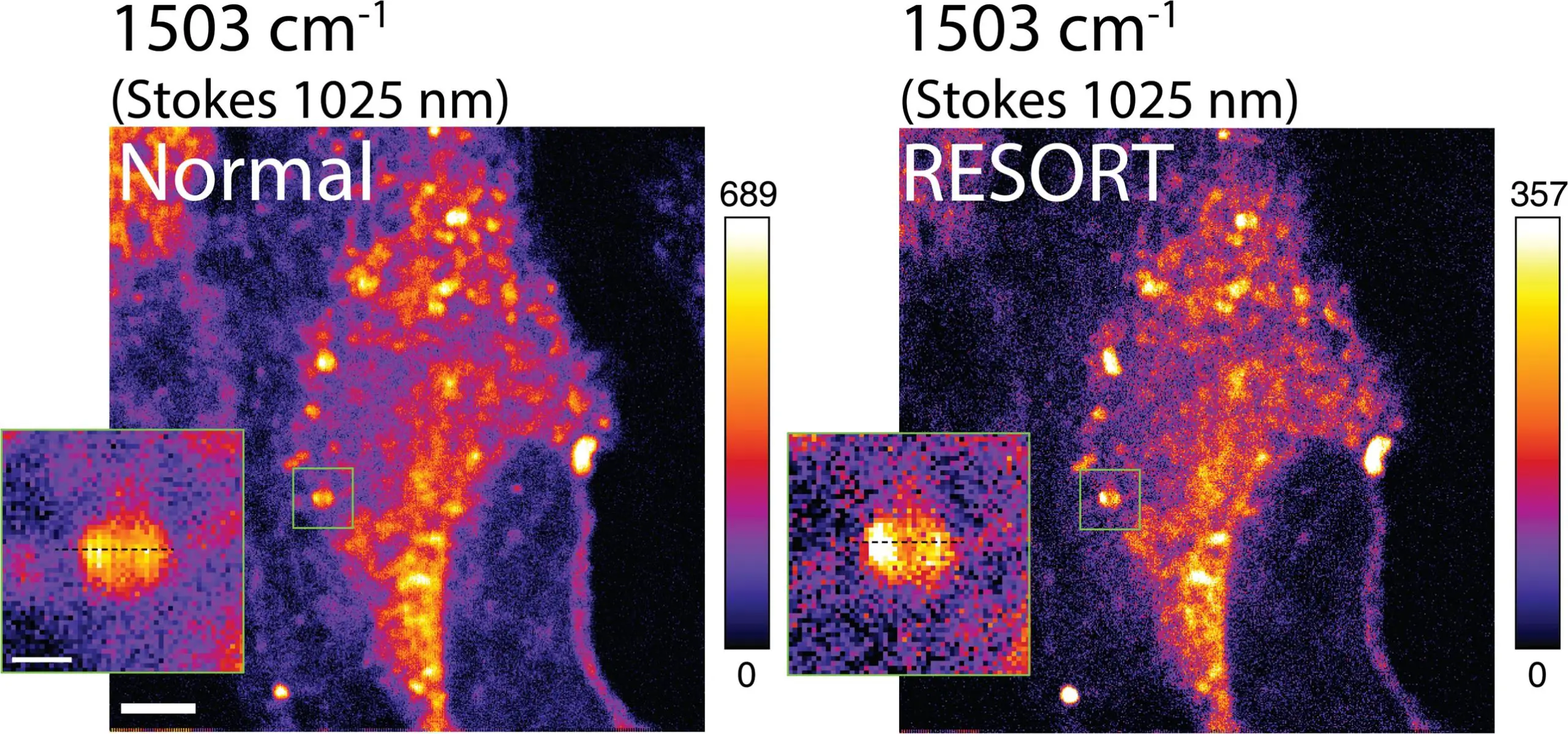
Researchers have developed a new imaging technique called RESORT, which combines the benefits of super-resolution fluorescence and vibrational imaging. RESORT uses laser-based Raman scattering, enabling high spatial resolution imaging without damaging the samples, thus allowing for the observation of living systems in exceptional detail. This innovative method could significantly advance our understanding of complex biological processes.
Exposure to a mixture of synthetic chemicals known as PFAS, or "forever chemicals," disrupts crucial biological processes in children and young adults, increasing the likelihood of various diseases, including developmental disorders, cardiovascular disease, metabolic disease, and several forms of cancer. The study is the first to evaluate which biological processes are altered by exposure to a combination of multiple PFAS, which is important because most people carry a mixture of the chemicals in their blood. The researchers found that PFAS exposure altered the way the body metabolized lipids and amino acids as well as the levels of thyroid hormone, an important determinant of metabolic rates.
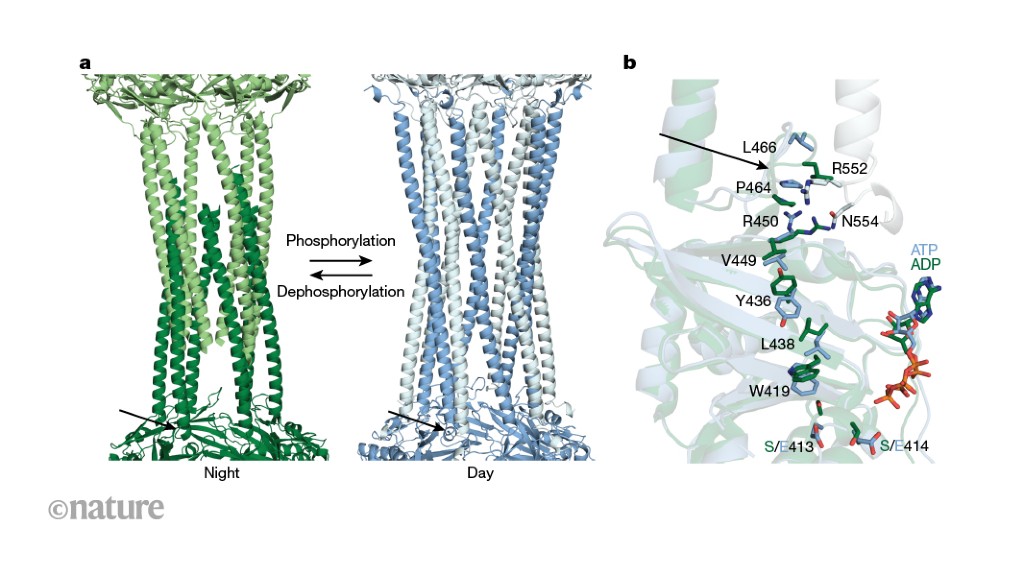
The earliest form of circadian clocks involves the proteins KaiB and KaiC that control the addition and removal of a phosphate group to and from KaiC, according to a recent study. Circadian clocks play a central role in many biological processes and are controlled by the day-night cycle.