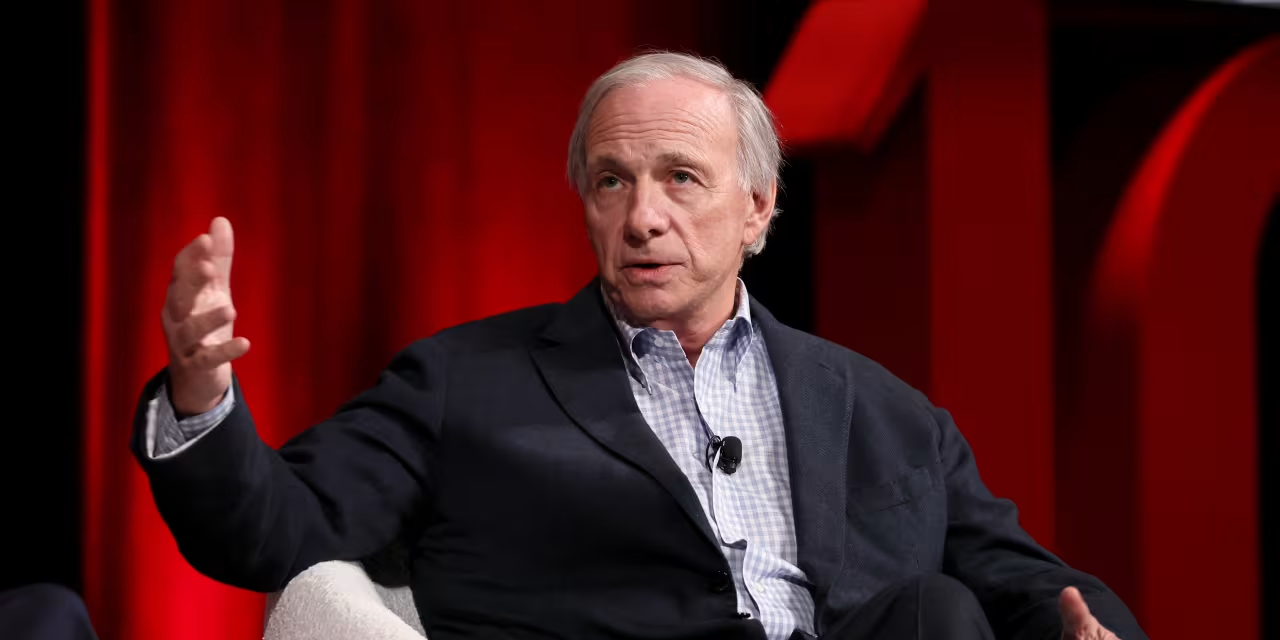
Ray Dalio warns that the Fed's decision to stop quantitative tightening and begin quantitative easing could potentially create a bubble and be more inflationary, raising concerns about the impact of the new policy on the economy.
Scott Bessent questioned Federal Reserve chair candidates about their views on interest rates and quantitative easing during a grilling session, highlighting key issues in monetary policy discussions.
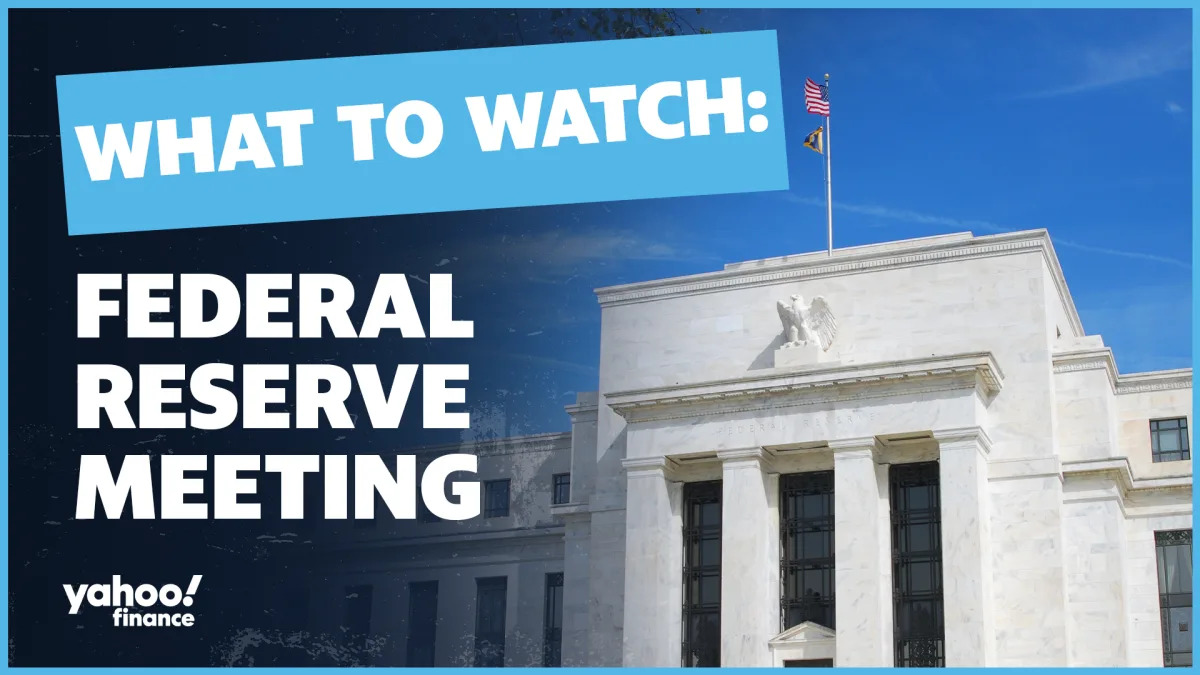
The Federal Reserve is expected to keep its benchmark interest rate steady at 5.25% to 5.5% for the fourth straight meeting, amid a backdrop of economic expansion and decreasing inflation. Investors are eyeing the possibility of a rate cut in the second meeting of 2024, but Fed officials are cautious, emphasizing the need for more data and a methodical approach. Additionally, the future of the Fed's balance sheet policy, including quantitative tightening, is becoming a significant concern for investors.
Deutsche Bank suggests that the Bank of Japan needs to move away from its ultra-loose monetary policy in order to support the yen. The yen could reach a 33-year low against the dollar if it weakens further. The Bank of Japan has heavily relied on quantitative easing measures to stimulate the economy, but it has been slow in addressing inflation concerns. Deutsche Bank believes that a more dovish stance from other central banks or a shift in policy by the Bank of Japan is necessary for the yen to strengthen.
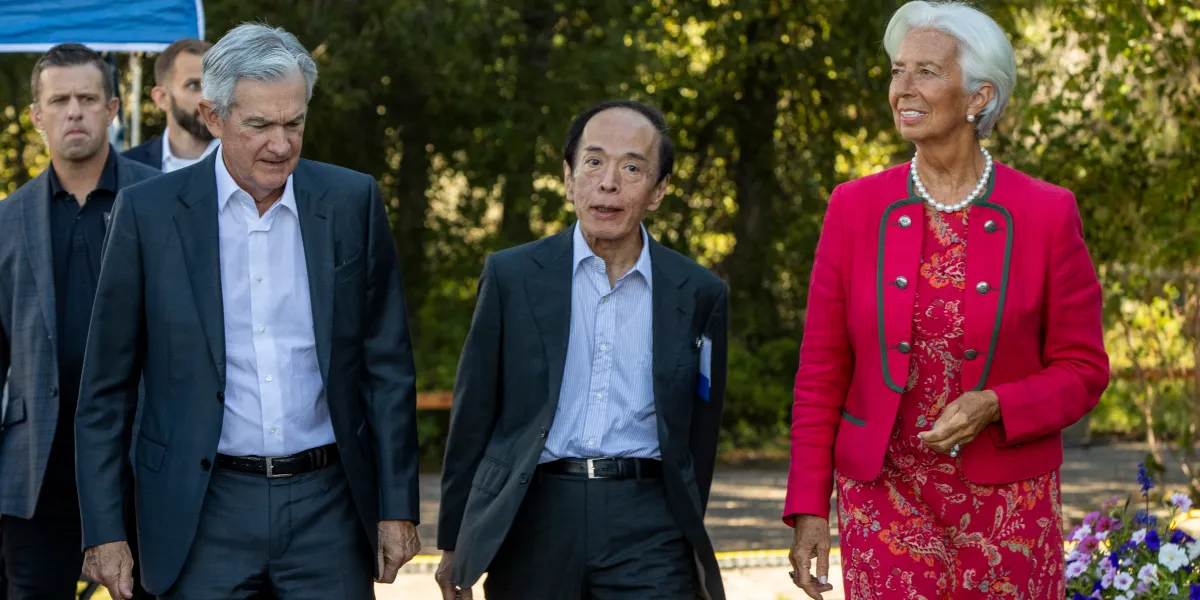
Economists and central bankers are reevaluating the strategy of quantitative easing (QE) that was implemented to save the global economy but resulted in bubbles and distortions. The ongoing debates focus on the flexibility of central banks in reaching inflation targets, the effectiveness of asset purchases, and the coordination between monetary and fiscal policies. Economists predict that central banks will be more cautious with QE in the future, using it sparingly or solely for addressing financial stability concerns. There is also a growing discussion about the need for closer coordination between monetary and fiscal policies to manage inflation and economic cycles effectively.
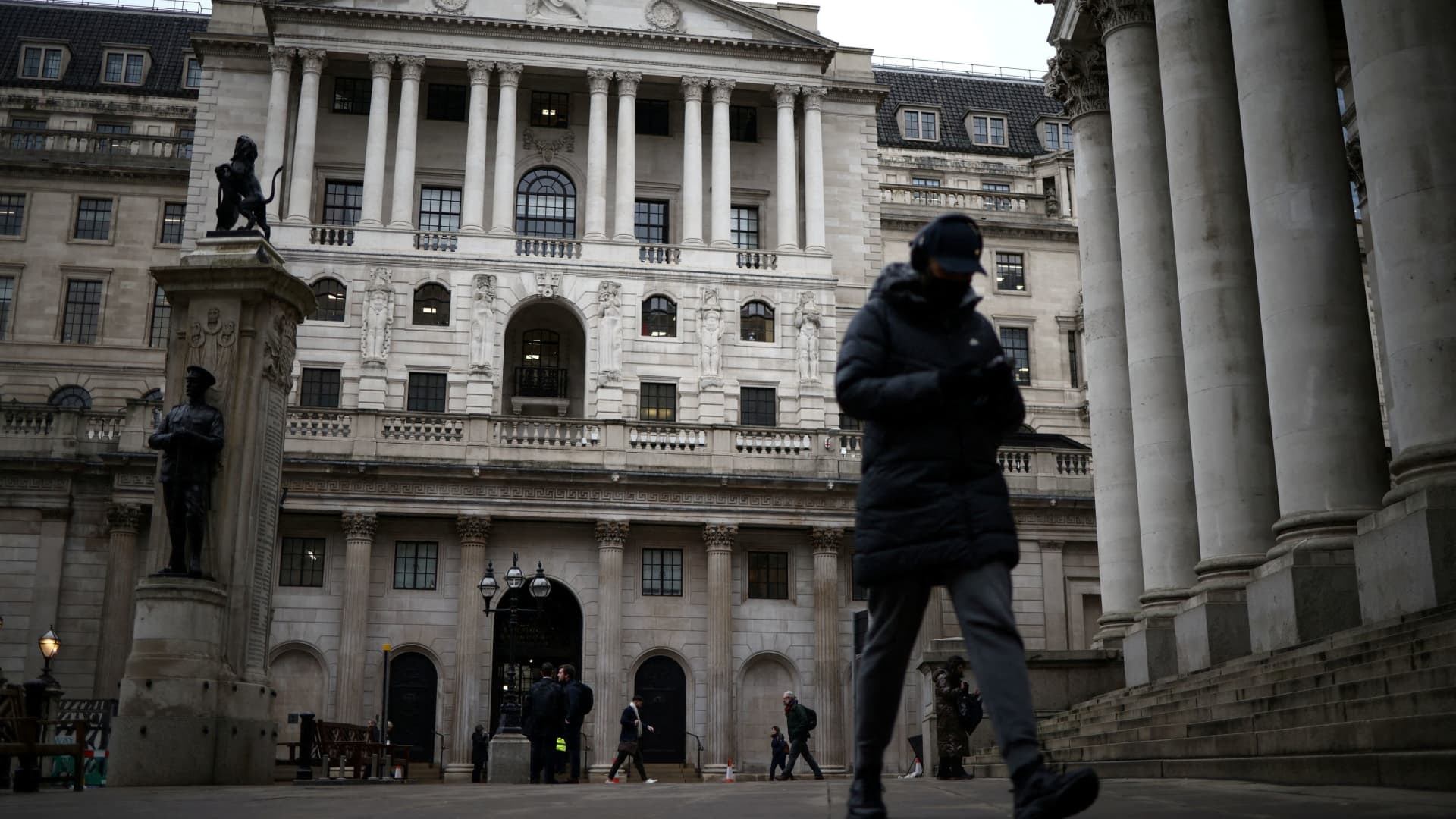
The Bank of England's rapid pace of bond sales is causing concern among investors, with some likening it to "selling gold at the bottom." The central bank is unwinding its holdings of UK government bonds, known as gilts, which were accumulated during the 2008 financial crisis. The Bank of England has been the most aggressive among central banks in selling these bonds, leading to significant losses that are being backstopped by the UK Treasury. The pace of sales has put downward pressure on gilt prices and raised fears that the market may struggle to absorb the supply. However, some investors see this as an opportunity, as inflation eases and peak interest rates approach. The Bank of England's Monetary Policy Committee is due to meet on September 21, where further details on gilt sales may be provided.
A chart from Apollo Global Management chief economist Torsten Slok shows a close relationship between S&P 500 performance and net Federal Reserve quantitative easing (QE) since the pandemic began. The high correlation between Fed net QE and the S&P 500 suggests that Fed liquidity is a crucial driver of the stock market. However, with the Fed turning more hawkish and continuing quantitative tightening, the downside risks to equities are growing.
HSBC Senior Economic Adviser Stephen King has said that the prolonged period of loose monetary policy after the global financial crisis equated to central banks "nationalizing bond markets," and meant policymakers were slow off the mark in containing inflation over the past two years. King suggested that the "wobbles" in the financial system over the past month were arguably the consequence of a prolonged period of low rates and quantitative easing.
Bitcoin hit a new nine-month high of $27,025 on Bitstamp as the Federal Reserve injected almost $300 billion into the economy as part of the banking crisis response, effectively restarting quantitative easing. The move undid months of liquidity removal under the Fed’s quantitative tightening. Former BitMEX CEO Arthur Hayes revealed he is liquidating most of his stock portfolio and moving it into crypto, believing Bitcoin is a firm haven in contrast to stocks. Market commentators believe the uptrend could continue despite stocks producing sideways action on the day.
Bitcoin's price surged over 6% in the past 24 hours, reaching a high of $26,350, alongside a wider uplift in the cryptocurrency market. The rise in U.S. and Asian stock markets after major lenders agreed to inject $30 billion to save U.S.-based First Republic Bank from insolvency, promoting risk-on sentiments. The Fed potentially moving away from quantitative tightening is prompting renewed interest in risk-on assets like stocks and crypto from investors. Bitcoin is also benefiting from the risk of a global banking crisis, with uncertainty around a banking failure building positive sentiment around decentralized alternatives such as Bitcoin.