While low fees are attractive, investors should consider other factors like fund structure, provider consistency, and liquidity when choosing ETFs, as these can impact long-term returns and risk exposure.
The Federal Reserve has started 'reserve management purchases,' buying $40 billion of short-term Treasurys monthly to stabilize markets and provide liquidity, marking a significant shift that could influence interest rates and market conditions, even as it differs from traditional quantitative easing.
SoftBank sold its entire Nvidia stake for $5.83 billion to fund its AI projects, highlighting its focus on expanding in the AI ecosystem despite questions about a potential investment bubble, and leveraging proceeds to support ventures like OpenAI and data centers.
Originally Published 2 months ago — by Lucid Motors
Lucid Motors reported strong Q3 2025 financial results with a 68% increase in revenue to $336.6 million, vehicle production up 116%, and a strategic partnership with NVIDIA to develop Level 4 autonomous driving technology. The company also increased its liquidity to approximately $5.5 billion following a credit facility expansion, and made organizational changes to accelerate growth and global expansion.
The Federal Reserve plans to end its quantitative tightening program on December 1, which will stop draining liquidity from the financial system and may support higher stock prices and lower long-term Treasury yields, potentially acting as an effective interest rate cut and boosting financial markets.
Originally Published 2 months ago — by Wolf Street
Banks borrowed a record $50 billion from the Fed's new Standing Repo Facility (SRF) amid volatile repo rates, with ON RRP balances also spiking to $52 billion, indicating significant liquidity movements at month-end. The activity reflects efforts to keep repo rates aligned with the Fed's policy rate, and the Fed's liquidity tools are being further optimized to ensure market stability.
The Federal Reserve announced it will cease shrinking its Treasury holdings starting December 1 after a three-year process, while continuing to reduce mortgage-backed securities, amid rising funding costs and tightening money markets, without immediate plans to inject liquidity into the system.
The article discusses how the Federal Reserve's balance sheet is becoming a focal point amid rising liquidity concerns, with recent volatility in short-term interest rates and signs of potential distress in the repo market, leading to increased use of the Fed's Standing Repo Facility.
October initially saw a strong rally in crypto prices driven by ETF inflows and institutional demand, but a $19 billion liquidation event and thin order books caused a sharp decline, raising questions about the sustainability of the rally. Analysts remain cautiously optimistic, noting that if market depth and institutional interest recover, the rally could still continue.
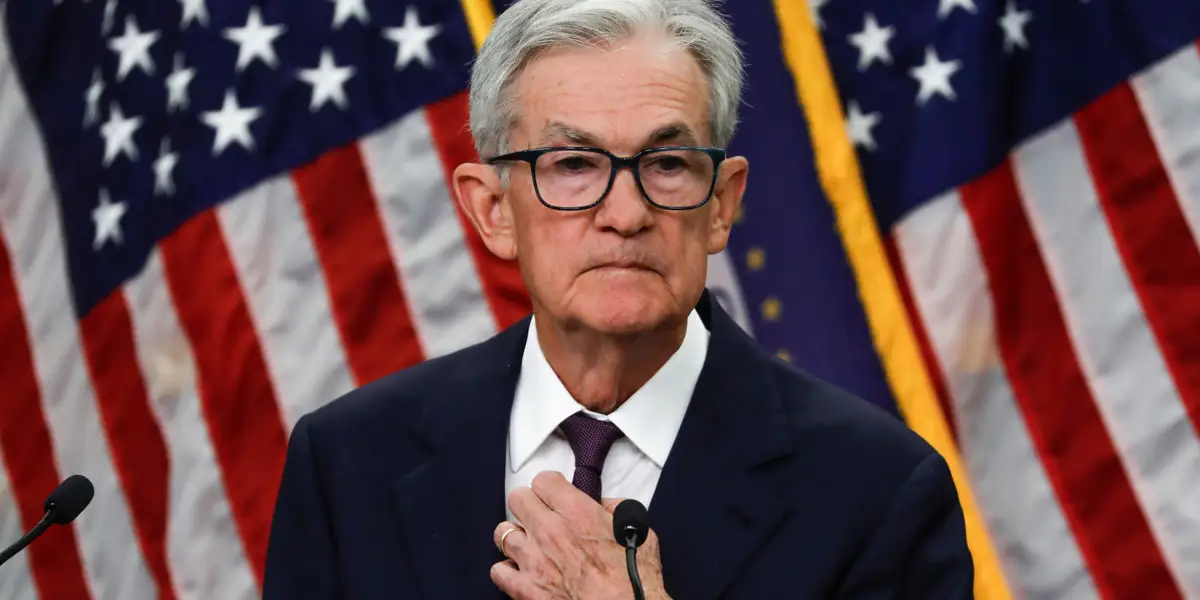
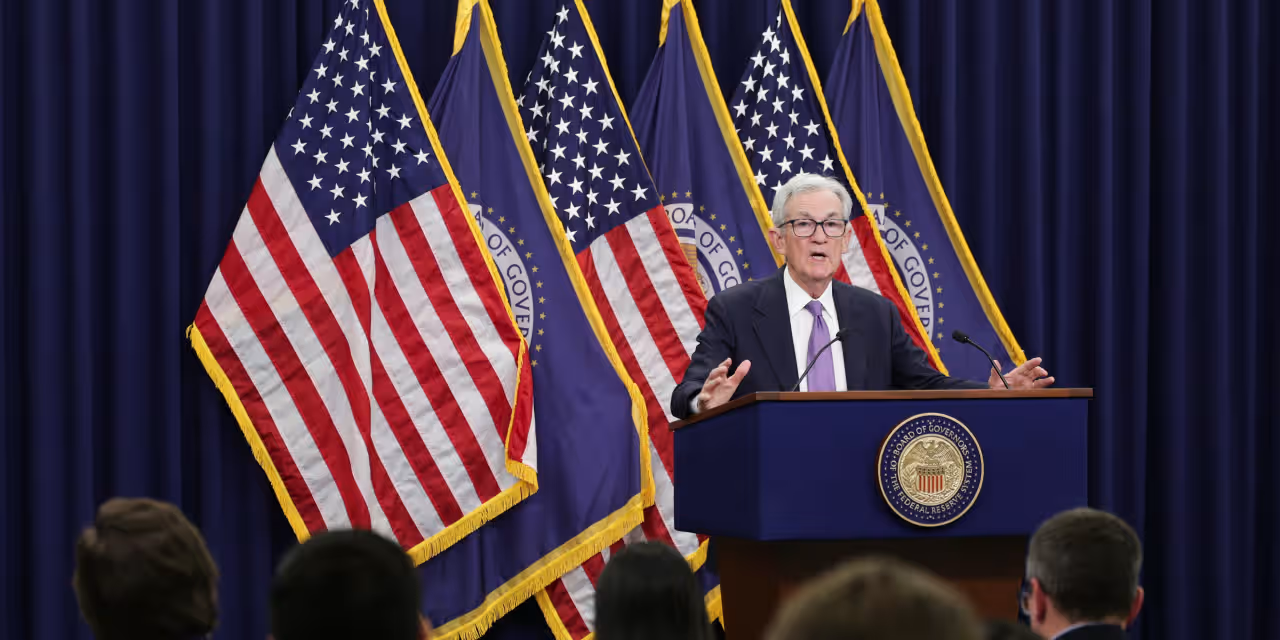
Federal Reserve Chair Jerome Powell indicated that the end of the Fed's quantitative tightening process may be near as liquidity conditions tighten and the reverse repo facility nears zero usage, signaling a potential shift in monetary policy. Powell emphasized the importance of the Fed's balance sheet tools and warned against removing its interest-paying powers, highlighting the delicate balance the Fed maintains to control interest rates and financial stability.
The article discusses a significant shift in market dynamics from momentum-driven to a focus on fundamentals, emphasizing the importance of discipline, risk management, and preparation for the upcoming phase of market correction and opportunity, driven by tightening liquidity and structural risks.
Pumpius, a Bitcoin investor, predicts XRP could reach $50 following Ripple's potential approval for a national bank charter by the OCC, which would enable Ripple to operate as a full-scale bank and position XRP as a key asset in global liquidity networks, driven by its utility in settling trillions of dollars daily. Despite resistance from banking groups, this regulatory milestone could transform XRP from a crypto asset into a foundational element of U.S. financial infrastructure.
The stablecoin supply on Ethereum has reached an all-time high of $130 billion, driven by increased activity across multiple blockchains and recent U.S. regulatory clarity. This surge in stablecoin liquidity, along with capital rotation from Bitcoin and growing reserves in the U.S., could potentially trigger a new altcoin rally, especially if stablecoin dominance declines further and Bitcoin's dominance continues to fall.
Spirit Airlines has warned of potential insolvency within 12 months due to financial struggles, including cash shortages and ongoing losses, raising concerns for travelers but not immediate flight cancellations. The airline is exploring asset sales and negotiations with creditors, and its future remains uncertain, potentially impacting the low-cost airline market and offering opportunities for competitors like Frontier Airlines. Travelers are advised to consider travel insurance and stay informed about the airline's financial status.
Spirit Airlines, recently emerged from Chapter 11 bankruptcy, warns of potential insolvency within a year due to ongoing market challenges, including weak demand and high costs, despite restructuring efforts and cost-cutting measures.