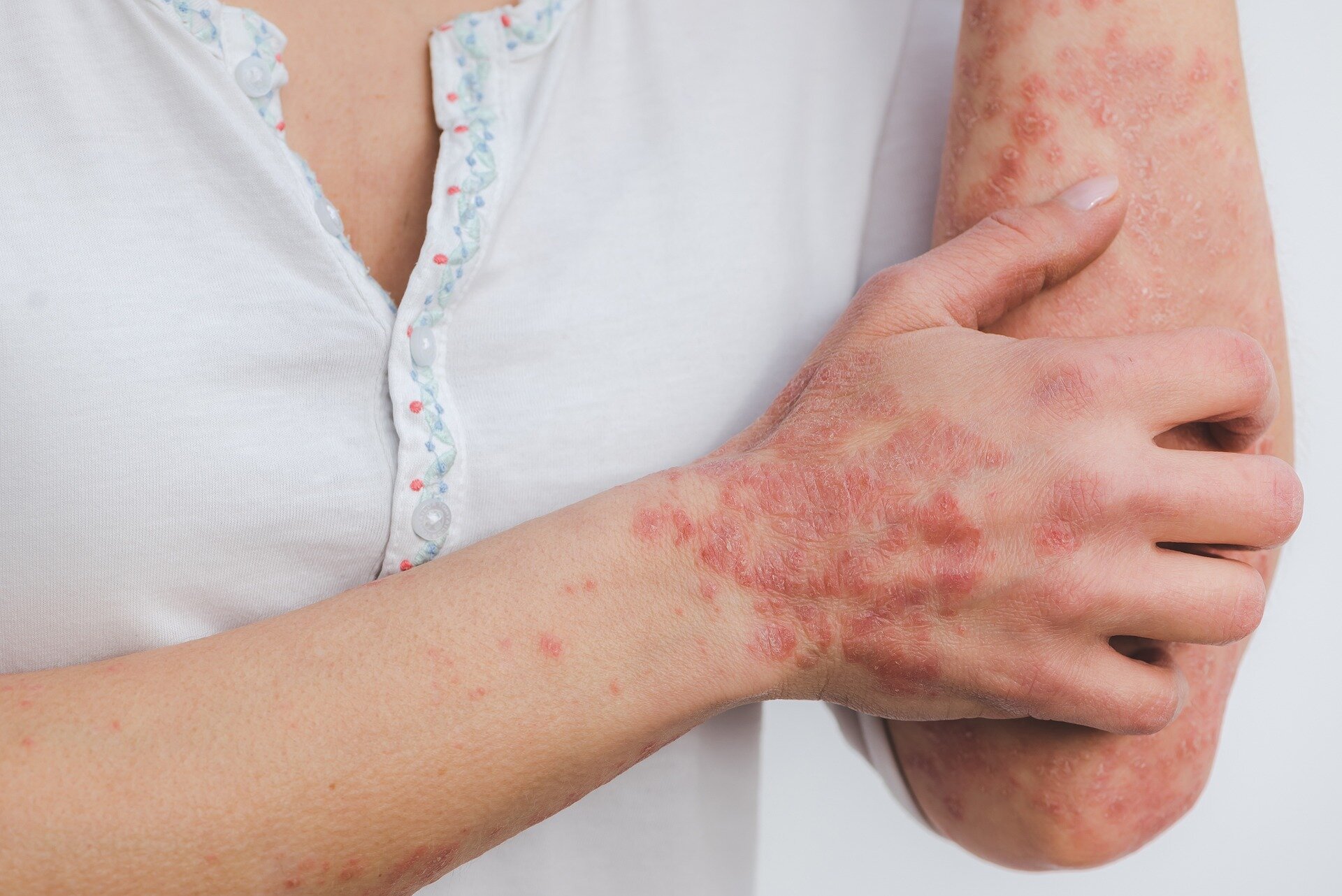
New research shows that immune cells shed a sugar-rich surface layer called glycocalyx to enter inflamed skin in psoriasis, challenging previous beliefs and opening new avenues for treatment targeting immune cell migration.
A global increase in psoriasis, a chronic inflammatory skin condition, is notably higher in wealthier regions like North America and Western Europe, with cases rising over 86% since 1990. Factors such as better diagnosis, hygiene practices, and immune system responses are believed to contribute, although no cure exists, and management involves topical treatments and light therapy.
New research reveals that immune cells shed their glycocalyx layer to facilitate movement into tissues during inflammation, challenging previous beliefs that only blood vessel walls modify their glycocalyx, which could influence future treatments for inflammatory diseases like psoriasis.
This week in science, a groundbreaking gene therapy for Huntington's disease was announced, a record-breaking tropical storm hit Asia, a black hole exceeded theoretical growth limits challenging current cosmological models, and research linked air pollution to increased psoriasis cases worldwide.
Recent studies reveal a significant link between air pollution and the triggering or worsening of psoriasis, an autoimmune skin condition, with pollutants like PM2.5 and PAHs contributing to inflammation and immune activation. Individuals in polluted environments, such as those near sugarcane burning or factories, are at increased risk, highlighting the need for regulatory action and personal protective measures.
A study suggests that weight loss drugs like Ozempic and Zepbound may provide additional benefits for psoriasis patients, including reduced risks of premature death, heart attacks, strokes, and substance abuse, potentially due to their anti-inflammatory effects and impact on mood and reward systems.
Researchers have found a strong link between central abdominal fat and psoriasis, a chronic inflammatory skin condition, suggesting that body fat distribution plays a crucial role in disease risk and severity. The study highlights the potential of using obesity-related treatments, like GLP-1 receptor agonists, to manage psoriasis, emphasizing the importance of targeted weight management and new therapeutic approaches. The findings underscore the need for clinical trials to explore these drugs as potential psoriasis treatments, especially given the rising obesity rates.
Researchers at The Australian National University have discovered a gene mutation, IKBKB, responsible for causing psoriasis and potentially leading to psoriatic arthritis. The mutation affects the function of immune cells, contributing to inflammation and disease onset. The findings offer hope for improved diagnosis and treatment, potentially leading to a cure for the conditions, which affect hundreds of thousands of Australians. Patients hope to break the stigma associated with these conditions and raise awareness of the challenges they face.
Beyonce opened up about her lifelong battle with psoriasis, a chronic autoimmune condition, while promoting her hair care range in an interview with Essence. She shared personal memories of her hair and discussed the importance of salons and barbershops as community spaces. Psoriasis causes rapid skin cell multiplication, leading to scaly patches on the scalp, elbows, or knees.
Kim Kardashian faced backlash for using a tanning bed to treat her psoriasis, but experts advise against it, recommending UVB therapy instead. Dr. Hamza Bhatti, a dermatologist, explains that narrowband UVB therapy is effective for treating psoriasis without increasing skin cancer risk, while tanning beds are not recommended and can cause harm. Other treatments for skin conditions include excimer lasers, PUVA, topical treatments, injections, and oral medicine, but it's crucial to consult a doctor before pursuing any treatment and to avoid tanning beds altogether.
Kim Kardashian shared candid videos on social media showing a "painful" psoriasis flare-up on her skin, expressing frustration and humor about the condition. She has been open about her experiences with psoriasis, which she first experienced at age 25, and has discussed her struggles with triggers and treatments. Recently, controversy arose when she shared a video tour of her office, which includes a tanning bed, sparking concerns due to the link between tanning beds and skin cancer.
Kim Kardashian shared photos of painful red markings on her legs due to a psoriasis flare-up, expressing her struggle with the chronic immune disease and the pain it causes. She recounted her history with the condition and the difficulty in getting a correct diagnosis, ultimately being diagnosed with psoriatic arthritis. Kim hopes that sharing her story will encourage others with psoriasis to seek proper care and not let the condition take over their lives.
Kim Kardashian shares a close-up video of her "painful" psoriasis rash on her leg, emphasizing her decade-long battle with the autoimmune disorder. Defending her use of tanning beds for treatment, she faces backlash for promoting a practice linked to skin cancer. Psoriasis causes skin cells to multiply rapidly, resulting in scaly, itchy rashes. Kim, who was diagnosed in 2011, expresses frustration at her latest flare-up and her struggle to find effective treatment, while also promoting her beauty brand SKKN by Kim.
Kim Kardashian defended her use of tanning beds after facing criticism for featuring one in her office tour, citing its help with her psoriasis. However, the National Psoriasis Foundation and other health organizations advise against tanning beds due to their potential skin damage and increased risk of skin cancer. Kim has been open about her psoriasis journey and hopes to inspire others with autoimmune diseases to feel confident and find hope.
Kim Kardashian is facing criticism from doctors for using tanning beds to treat her psoriasis, with dermatologists calling it "irresponsible" and emphasizing the risks of tanning bed use, including increased risk of melanoma and premature aging. While Kardashian defended her usage by stating that it helps with her psoriasis, doctors argue that there are safer and more effective medical therapies available for treating the condition, such as red light therapy, and that promoting tanning beds for this purpose is not the right approach.