Uniqure's stock dropped 59% after the FDA provided confusing and unexpected feedback regarding its Huntington's disease gene therapy, AMT-130, casting doubt on the company's plans for approval and indicating a key shift from previous communications.
uniQure announced that the FDA no longer considers Phase I/II data versus an external control sufficient as primary evidence for a BLA submission for its Huntington's disease gene therapy AMT-130, creating uncertainty about the approval timeline. The company plans urgent discussions with the FDA and continues regulatory engagement in the EU and UK, despite holding breakthrough therapy and RMAT designations.
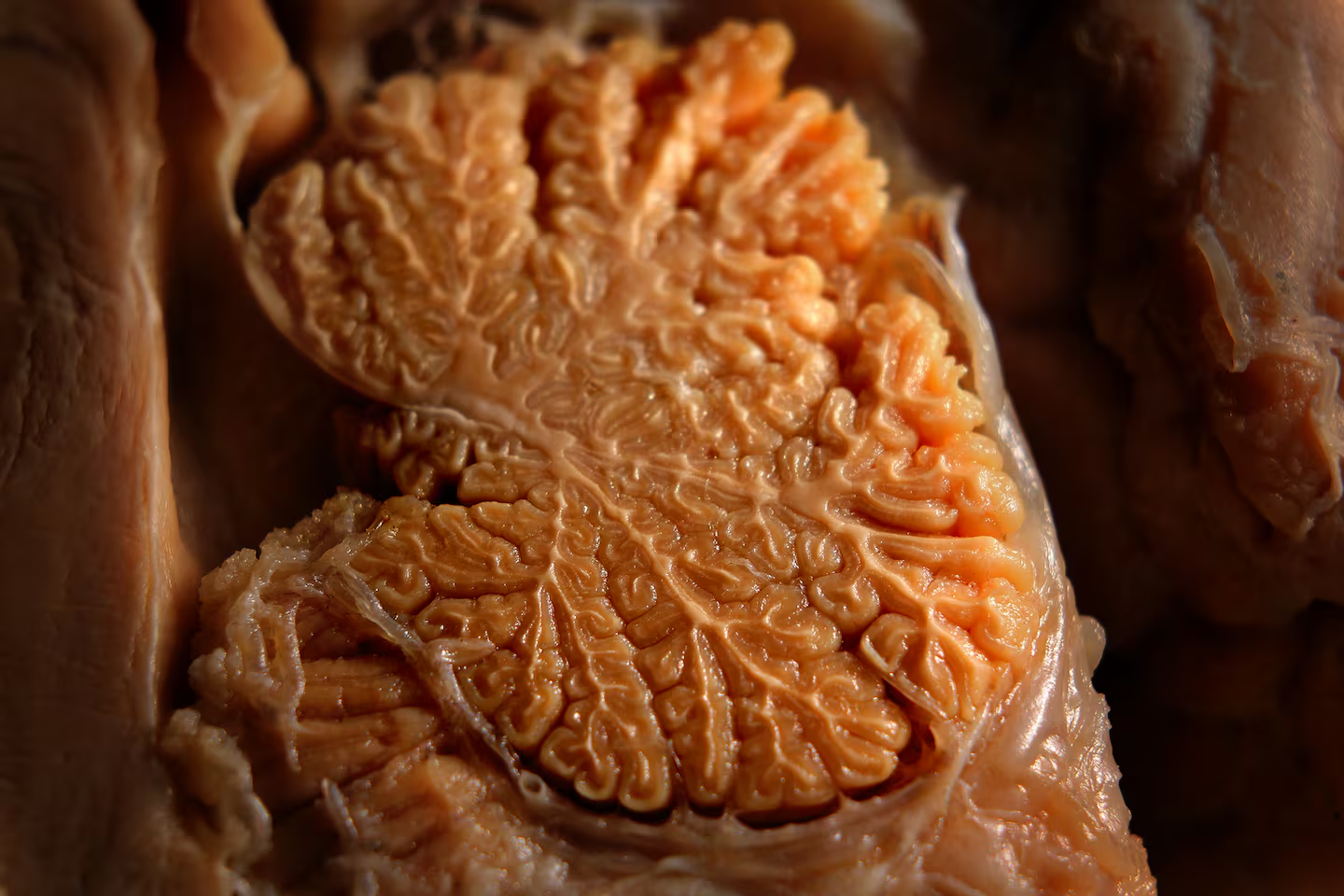
The Harvard Brain Tissue Resource Center faces potential setbacks in Huntington's disease research due to funding cuts that threaten the timely collection and preservation of donated brain tissue, which is crucial for ongoing studies.
A small, early study suggests that the gene therapy AMT-130 may slow Huntington's disease progression, but results are preliminary, unreviewed, and require further research to confirm efficacy and safety.
This week in science, a groundbreaking gene therapy for Huntington's disease was announced, a record-breaking tropical storm hit Asia, a black hole exceeded theoretical growth limits challenging current cosmological models, and research linked air pollution to increased psoriasis cases worldwide.
A small trial has shown that a one-time gene therapy can significantly slow the progression of Huntington’s disease by 75% over three years, offering new hope for treatment, though further research is needed to confirm these preliminary results.
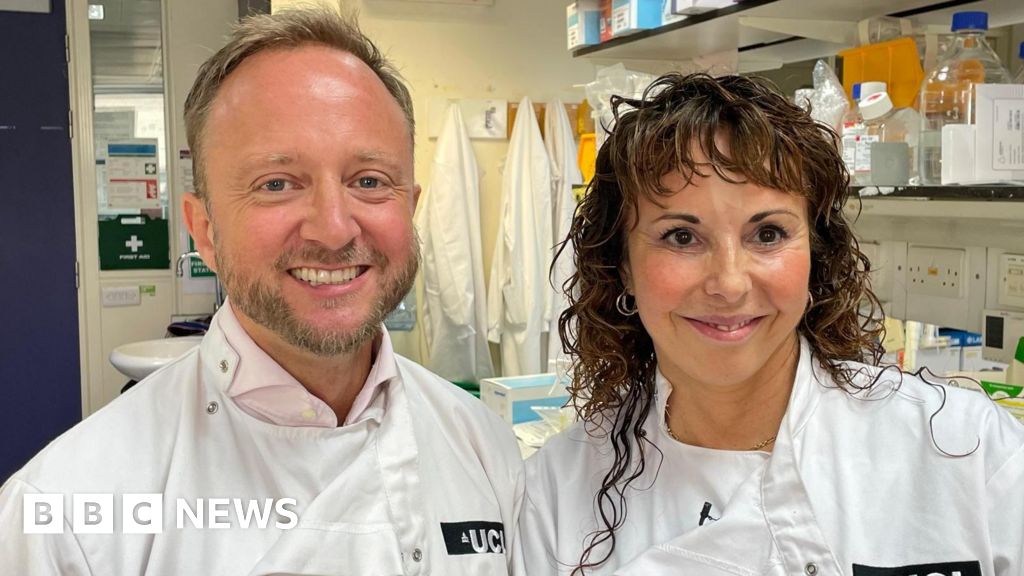
Researchers in the UK have trialed a promising gene therapy, AMT-130, which can slow Huntington's disease progression by up to 75% over three years, potentially offering the first effective treatment for this fatal neurodegenerative disorder.
A small study has shown that a new treatment can slow the progression of Huntington's disease, marking a potential advance in managing this genetic disorder, though it is still in early stages and not yet approved.
UniQure's experimental gene therapy, AMT-130, showed promising results in slowing Huntington's disease progression by 75%, leading to a over 240% surge in its stock price and plans to seek FDA approval by 2026, offering hope for a disease-modifying treatment.
A groundbreaking gene therapy has successfully slowed Huntington's disease progression by 75% in a clinical trial, offering hope for a treatment that could extend and improve patients' lives, though it involves complex surgery and high costs.
An experimental gene therapy called AMT-130 from Uniqure significantly slowed Huntington's disease progression by 75% over three years, potentially paving the way for the first genetic treatment approval for this neurodegenerative disorder.
The author’s sister Lindsey decides to get tested for Huntington’s disease during a visit, highlighting the complex emotional and ethical considerations involved in genetic testing for incurable diseases.
Novartis has made a significant investment in Huntington's disease treatment by paying $1 billion upfront, with an additional $1.9 billion in potential milestone payments, to acquire access to PTC Therapeutics' Phase 2 oral drug.
A study from the University of Iowa reveals that the genetic mutation causing Huntington's disease (HD) enhances early brain development and intelligence, but leads to degeneration in adulthood. This supports the theory of antagonistic pleiotropy, where genetic traits beneficial in early life incur costs later. The findings suggest that treatments should focus on slowing brain aging rather than silencing the HD gene, potentially reshaping understanding of HD pathology and contributing to targeted therapies.
A study published in the journal Nature Aging has found that plants possess natural defenses against neurodegenerative diseases like Huntington's. Researchers discovered that a plant protein called SPP, found in the cells responsible for photosynthesis, can reduce protein clumping and symptoms of Huntington's when introduced into human and animal cells. Unlike humans, plants have chloroplasts, which help them avoid toxic protein aggregation. The study suggests that SPP could be tested as a potential therapy for Huntington's disease, opening the door for plants to contribute to the treatment of human diseases. The researchers plan to establish a start-up to produce plant-derived therapeutic proteins for testing in humans.