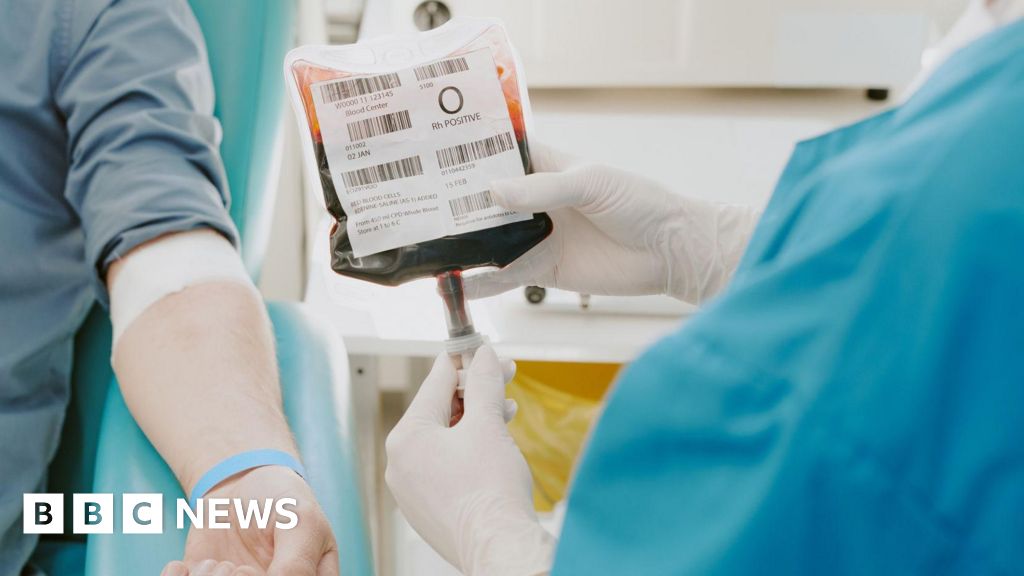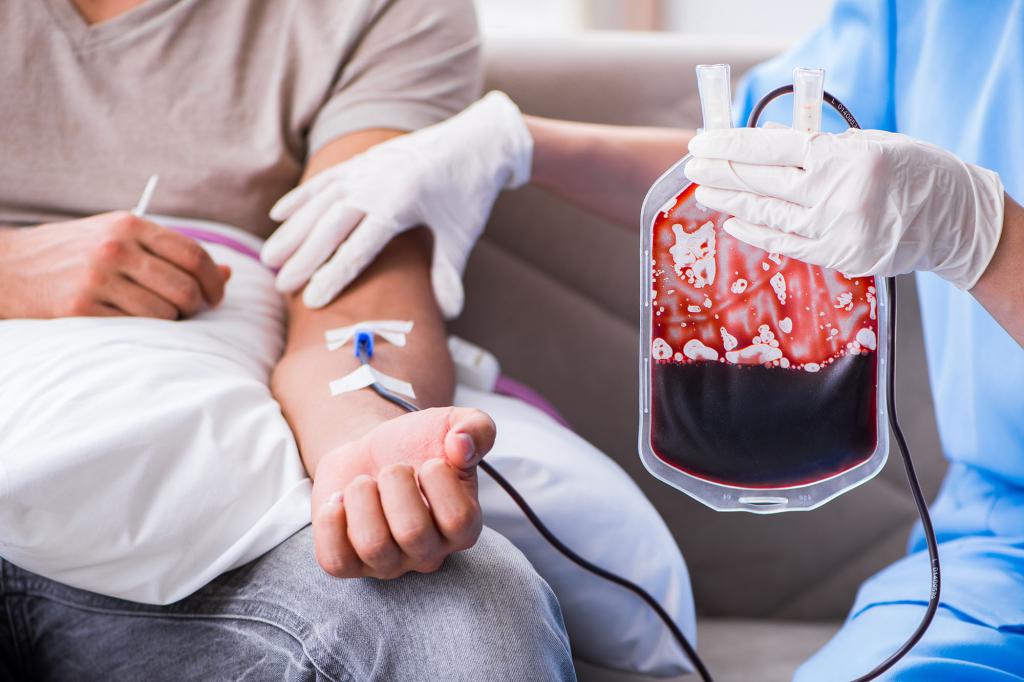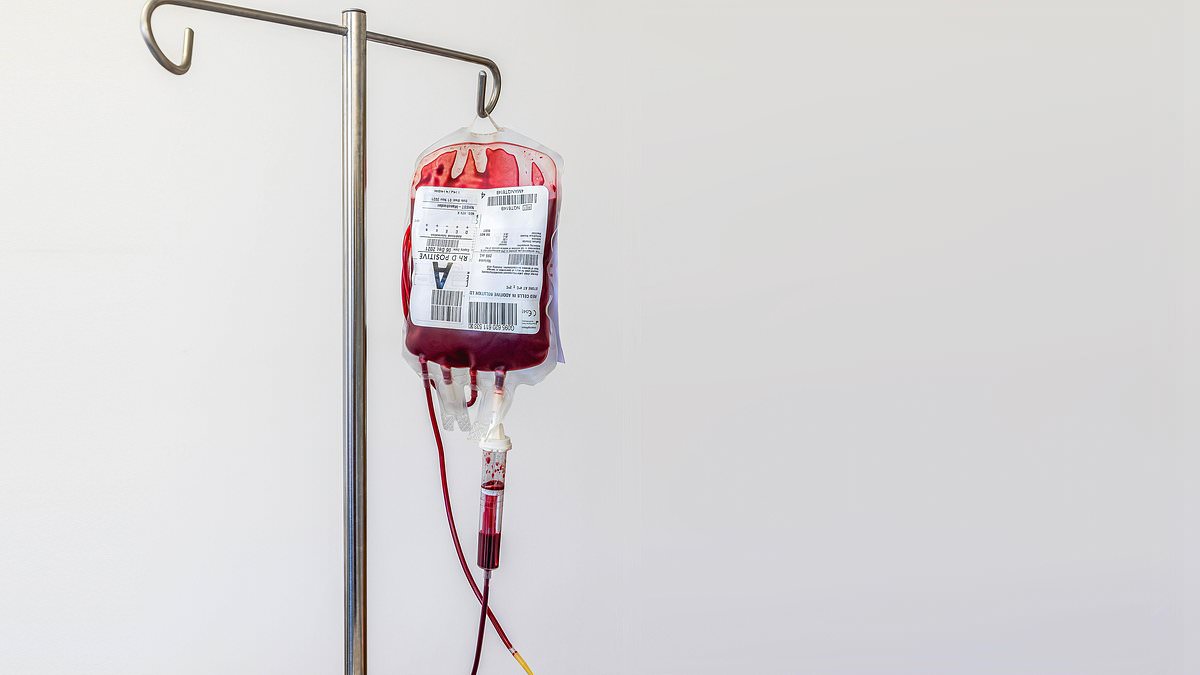
A Scottish court has authorized a blood transfusion for a 14-year-old Jehovah's Witness girl in an emergency, despite her religious refusal, considering her capacity and the potential severity of not administering the transfusion.
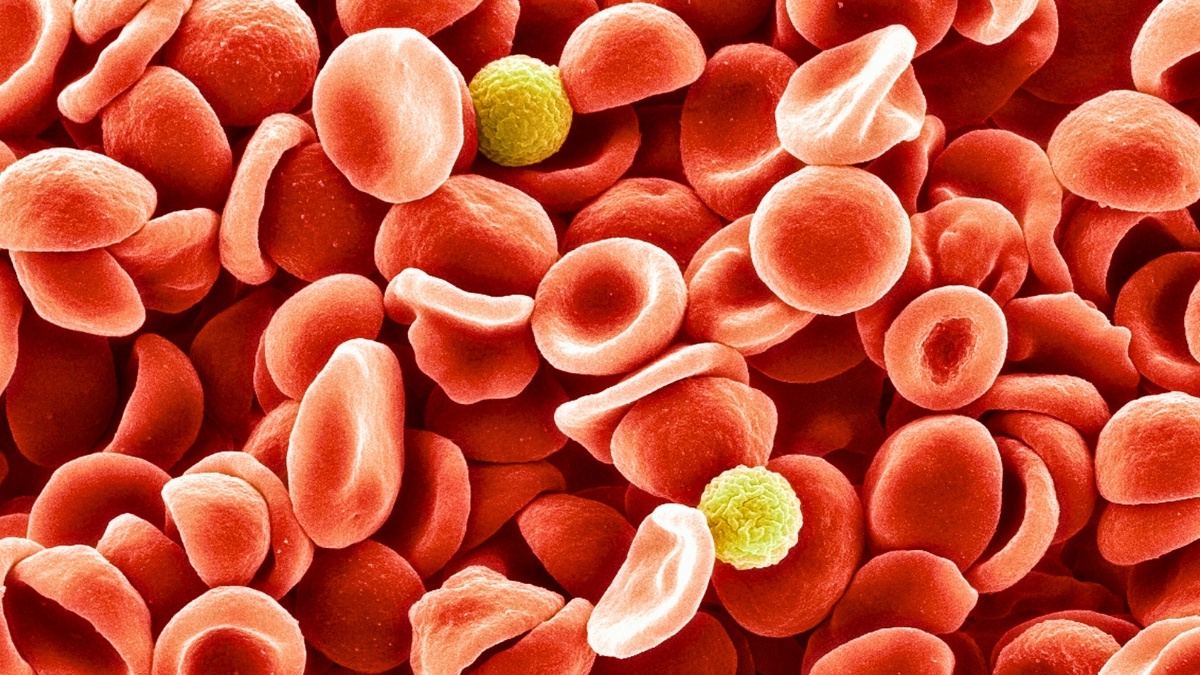
Scientists have identified a new human blood group system called the MAL blood group, after discovering a patient from 1972 lacked a surface molecule found on all other red blood cells, a finding that could improve transfusion safety for rare blood types.
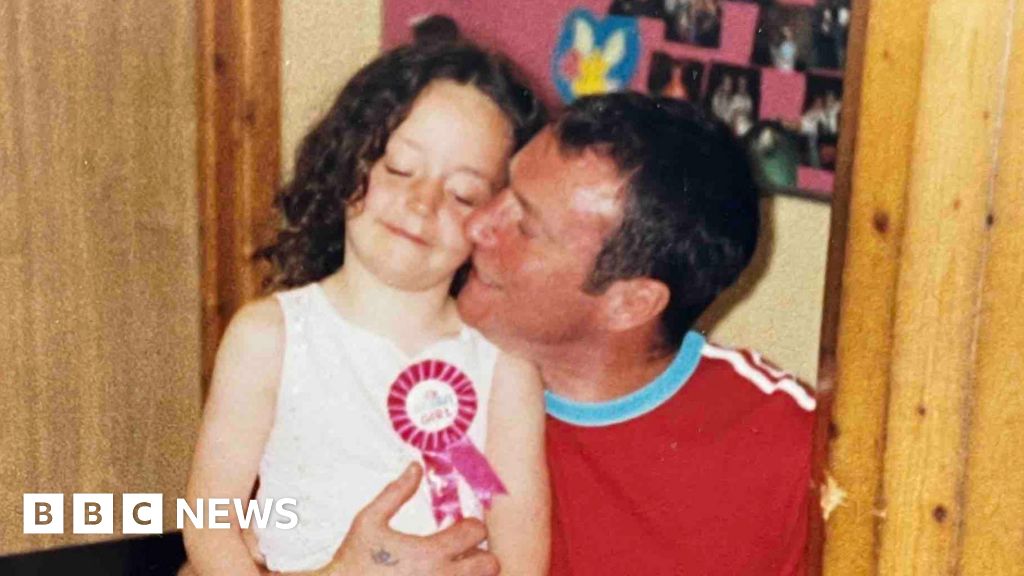
Maegan Clay's father was infected with hepatitis C through contaminated NHS blood products in the 1980s, a revelation that came too late to save his life and deeply affected their relationship. The scandal, involving thousands of victims, has led to a government inquiry, compensation schemes, and ongoing calls for justice and acknowledgment for those affected.
Scientists have discovered that young blood serum, when combined with bone marrow cells, can activate anti-aging signals in human skin cells, potentially reversing signs of aging by promoting cell renewal and collagen production. This research, conducted using a 3D human skin model, highlights the role of specific proteins in this process and suggests promising avenues for future anti-aging therapies, although further testing in humans is needed.
Chad Michael Murray revealed he nearly died at age 15 after losing 50% of his blood due to internal bleeding, which required extensive surgery and a blood transfusion, leading him to adopt a healthier lifestyle to avoid future health issues.
Scientists discovered a new, unique blood type called 'Gwada negative' in a woman from Guadeloupe, which is genetically distinct and may help improve care for patients with rare blood types. The discovery was made using advanced gene sequencing, revealing a mutation in the PIGZ gene that makes her compatible only with herself. Researchers aim to find more individuals with this blood type, especially among local blood donors.
French scientists have identified a new blood type called 'Gwada negative' in a woman from Guadeloupe, making it the 48th recognized blood group system worldwide, which could improve care for patients with rare blood types.
Japanese scientists have developed an artificial blood made from hemoglobin extracted from expired donor blood, encased in a protective shell, which can be stored longer and used universally without compatibility testing, aiming to address blood supply shortages and potentially be in practical use by 2030.
Former NFL player Steve "Mongo" McMichael, who is battling ALS, underwent a blood transfusion after developing MRSA and a urinary tract infection. The Hall of Famer, scheduled to be inducted in August, was admitted to intensive care but is responding to treatment and expected to be released soon. He had previously been hospitalized in 2023 with sepsis and pneumonia.
Former Chicago Bears player Steve ‘Mongo’ McMichael, who was diagnosed with ALS in 2021, has been hospitalized with a urinary tract infection and is now receiving a blood transfusion for MRSA, a difficult-to-treat staph infection. His family has requested prayers for his recovery. Despite his health challenges, McMichael was announced as a member of the 2024 NFL Hall of Fame class in February.
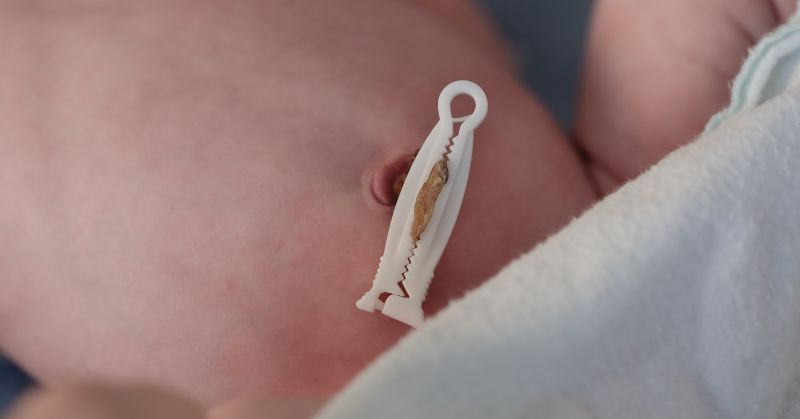
A study supported by the National Institutes of Health suggests that umbilical cord milking, a procedure that involves gently squeezing the cord to push blood into a preterm infant's abdomen, appears to be safe for infants born after 28 weeks. The technique allows for faster response than the standard procedure of delayed cord clamping, reducing the delay for infants in need of immediate assistance. The study found that rates of severe brain bleeding and/or death did not differ significantly between infants who underwent cord milking and those who underwent delayed cord clamping.
Rock star Bret Michaels has adopted a stray husky named Bret Michaels after the dog saved a month-old kitten's life through a blood transfusion. The Nebraska Humane Society shared the story on Facebook, which reached the attention of the human Bret Michaels. The rock star, who is a dog lover, reached out to the shelter and expressed his interest in adopting the husky. The dog, who was found as a stray, now has a new home with the rock star, who plans to meet him in person after his tour.
Some recipients of blood transfusions have reported changes in mood, behavior, and memories after the procedure, according to researchers from the University of Geneva. A study from the University of Michigan found that there is a persistent belief that transplants can result in personality changes, despite scientific evidence to the contrary. Another study linked blood transfusions to rare cases of spontaneous brain hemorrhages, suggesting a potential spread of vascular disease. While these effects remain relatively rare, further research is needed to explore the physical and psychological impacts of blood transfusions on recipients.
Scientists are exploring the possibility of unexpected transmissions occurring during organ transplants and blood transfusions, including the transfer of memories and personality traits. A recent study suggests that certain factors leading to spontaneous brain haemorrhages can be spread through blood transfusions. While the number of affected patients is small, researchers are investigating aberrant proteins associated with the condition. Some patients have reported changes in behavior and values after receiving blood transfusions, leading to the belief that personality traits may be transferred. The concept of cellular memory suggests that memories from the donor's life may be stored in the cells of the transplanted organ and "remembered" by the recipient. However, further research is needed to determine the validity of these claims.
Fourteen children in Uttar Pradesh's Kanpur have tested positive for infections like Hepatitis B, C, and HIV after receiving blood transfusions at a government-run hospital. Officials suspect faulty tests for viruses may have led to the infections, although the source of the infection itself is difficult to pinpoint. The children, who were already battling Thalassemia, now face a greater health risk. The hospital has referred the patients to specialized departments for treatment, and district-level officials will investigate the root of the infection.