The article reviews the strong market performance in 2025 driven by AI and major tech stocks, but highlights underlying economic issues and dismal statistics that could present profit opportunities in 2026.
Layoffs during the holiday season are increasing, with data indicating a potential shift from traditional practices of avoiding layoffs during this period, driven by economic pressures and companies' need to cut costs, although macroeconomic data has yet to fully reflect this trend.
The article discusses how private equity firms are able to perform well and challenge the negative economic outlook, highlighting their resilience and strategic advantages in uncertain times.
Mortgage rates have decreased to around 6.20% as of December 9, 2024, down from 6.56% last month, influenced by strong labor market data and expectations of a Federal Reserve rate cut. As inflation eases, rates are expected to continue declining into 2025. However, future rate trends will depend on economic conditions, including inflation and potential Fed actions. Adjustable-rate mortgages and FHA loans also show slight rate changes, with refinancing rates remaining slightly higher than purchase rates.
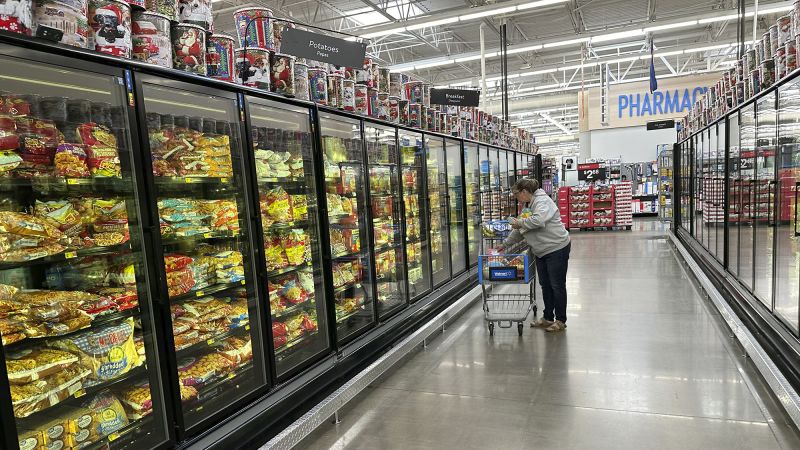
Walmart's business is thriving, with a notable increase in customers earning over $100,000 annually, contributing to a 5.3% rise in US sales and an 8.2% profit growth last quarter. The retailer has expanded its appeal to higher-income shoppers by enhancing its grocery offerings and competitive pricing, traditionally Amazon's customer base. Walmart's online sales in the US grew by 22%, bolstered by services like buy online, pickup in store, and Walmart+. This growth contrasts with struggles faced by other retailers, many of which are closing stores due to high prices and interest rates.
High-yield savings accounts offer interest rates around 5% APY, significantly higher than the average 0.45% for traditional savings accounts. These rates are typically found at online banks, credit unions, and community banks. Savings rates have fluctuated over the past decade, influenced by economic events like the 2008 financial crisis and the COVID-19 pandemic. High-yield accounts are ideal for short-term savings goals, providing competitive rates with easy access to funds.
The Producer Price Index (PPI) data for March showed significant seasonal adjustments, with the not-seasonally adjusted PPI jumping by 7.9% annualized, the highest since June 2022. The three-month rates for PPI all increased, indicating a trend of higher lows and higher highs, which could impact future inflation data. The seasonal adjustments in March were notably larger than in previous years, likely influenced by pandemic-related distortions. The volatility in PPI data and the potential for self-correction in seasonal adjustments may lead to surprises in the coming months.
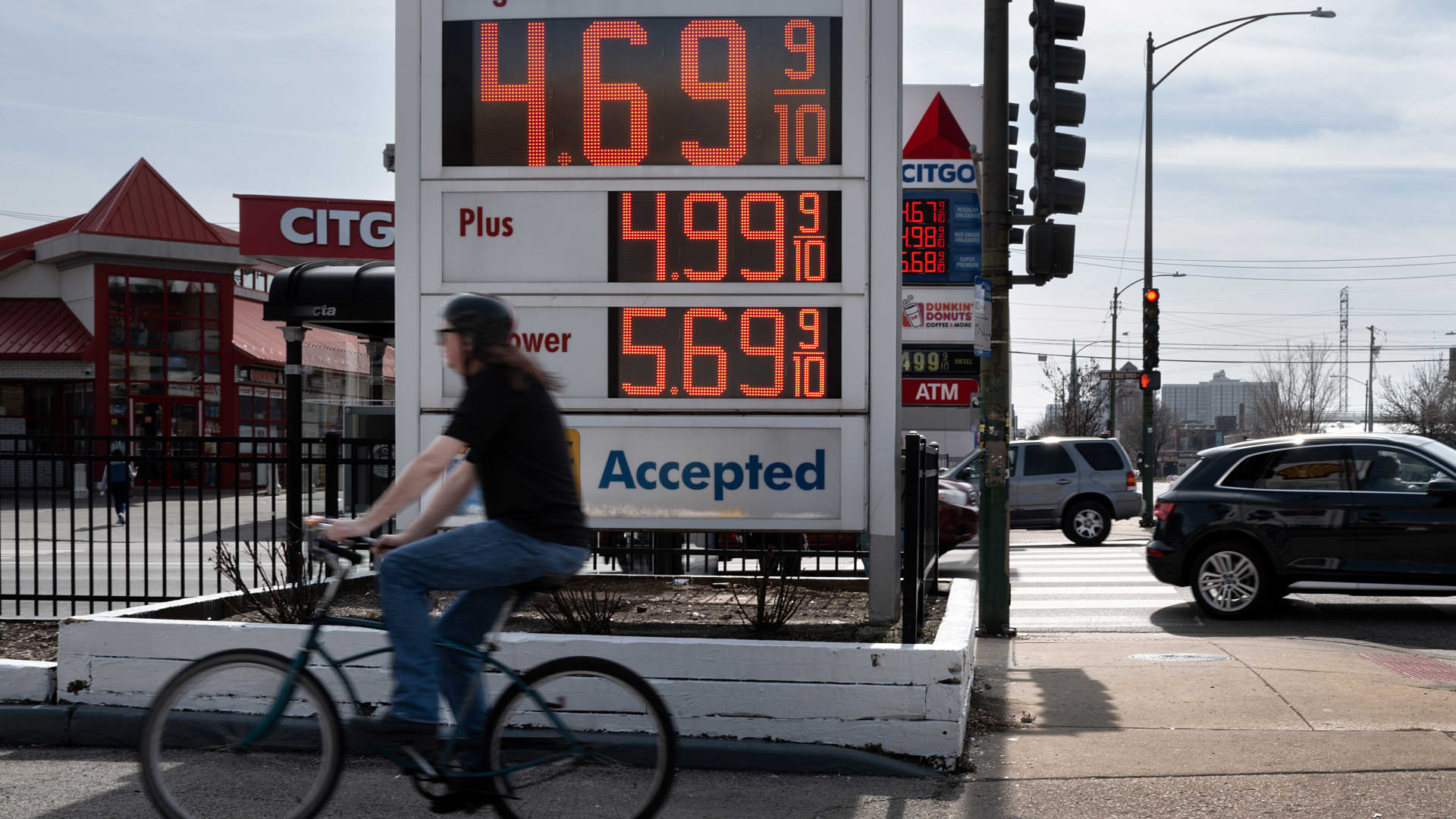
The upcoming Labor Department report is expected to show little progress in curbing inflation, with the consumer price index likely to register increases of 0.3% for both all-items and core measures, putting the inflation rates at 3.4% and 3.7% respectively. This slow progress may impact consumers, market participants, and Federal Reserve officials, who are hoping for a slowdown in price increases to consider cutting interest rates. The report will be closely watched for trends in items such as shelter, airfares, vehicle prices, and gas prices, which could provide insights into longer-term inflation trends.
Japan's economy has seen a surge in female employment, with working-age women steadily joining the labor market over the past decade. This trend has been partly driven by government efforts to make public policies and corporate culture more friendly to women in the workforce. The increase in female participation has surprised many, highlighting the impact of policy changes and shifting social norms on labor market dynamics.
Despite falling prices, Chinese consumers are tightening their belts, reflecting concerns about the economic outlook and job security. The trend is driven by a combination of factors, including a slowdown in the property market, rising living costs, and uncertainty about the future. This shift in consumer behavior has significant implications for businesses and policymakers as they navigate the challenges posed by changing consumer sentiment and economic trends in China.
In 2024, the cost of living in America experienced a mixed trend with overall prices rising at a slower pace compared to previous years, while some costs decreased, indicating a nuanced economic landscape with both inflationary pressures and deflationary occurrences in different sectors.
Companies and big investors are selling shares at the fastest rate in years, indicating a shift in the stock market. The trend is driven by concerns over economic growth and rising interest rates, as well as the ongoing pandemic. This sell-off is expected to continue in the coming months, leading to increased volatility in the market.
The heads of the US Federal Reserve and the People's Bank of China met in Washington, D.C. to discuss economic and financial trends between the two countries. The meeting comes amid escalating political tensions between the US and China, and limited high-level interactions. The PBoC statement did not include any photos, and the US Federal Reserve and IMF did not immediately respond to a CNBC request for comment.