Top British psychologist Dr. Julie Smith highlights five hidden signs of stress—irritability, procrastination, overthinking, trouble concentrating, and numbing out—that should not be ignored, as they can have serious health implications if left unaddressed.
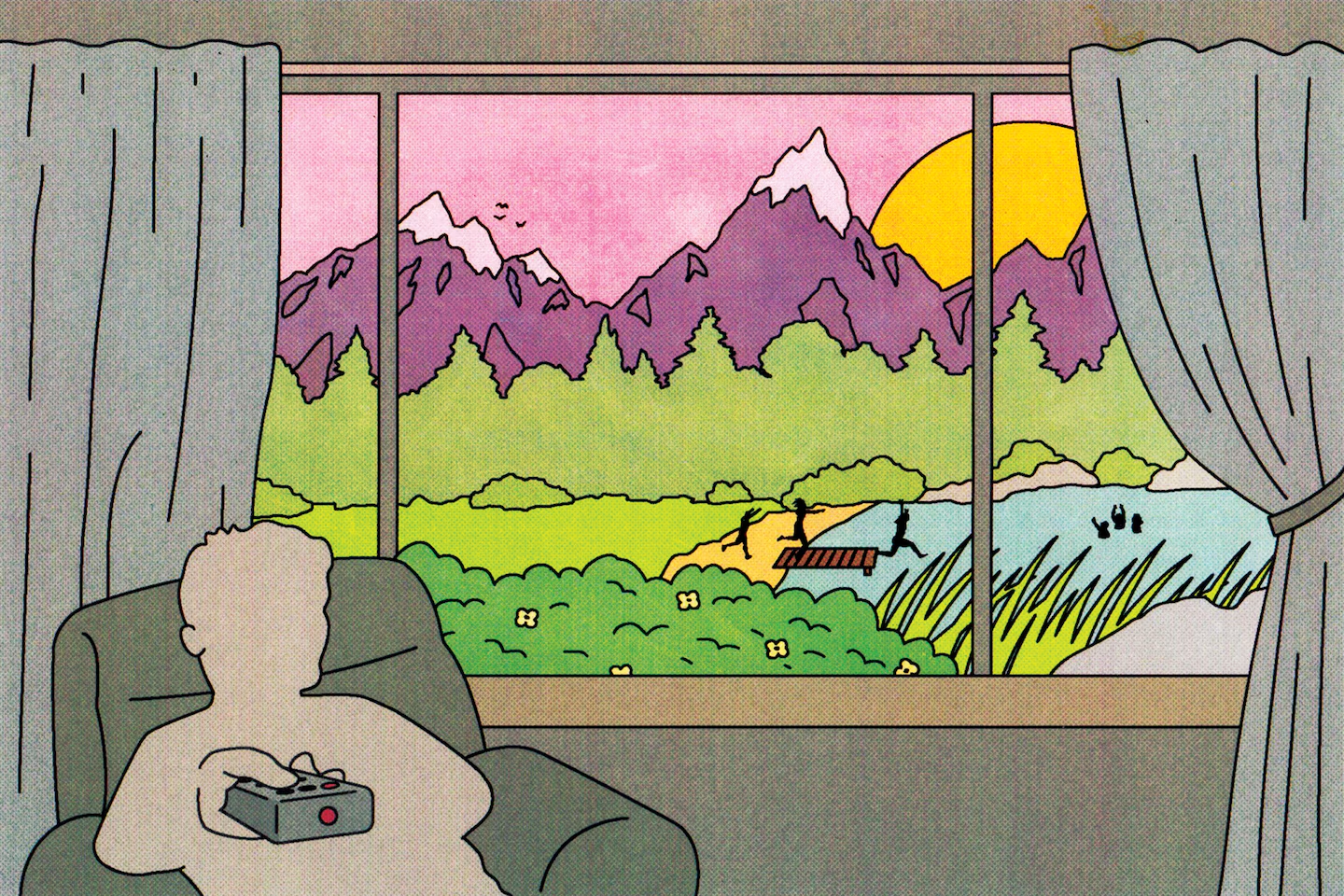
Research reveals that people tend to delay enjoyable activities to maximize their perceived value and avoid spoiling the moment, leading to longer delays over time. Awareness and strategic reframing can help overcome this tendency, encouraging more immediate engagement with happiness-inducing experiences.
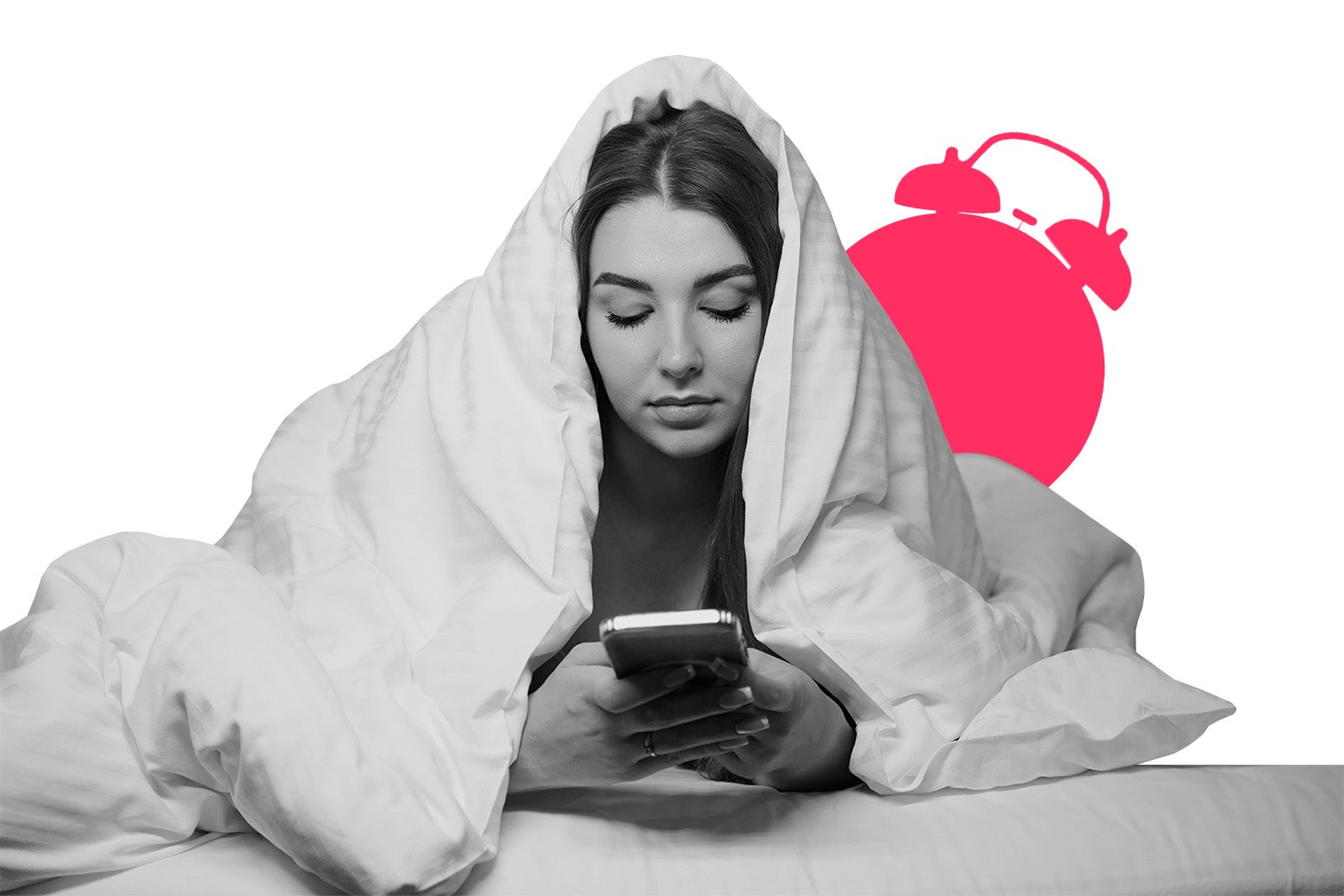
A young woman writes to Dear Prudence about her struggles with executive function and procrastination, suspecting she has ADHD but unable to afford a second opinion. Prudence and readers offer support, suggesting seeking alternative medical care, exploring school mental health services, and utilizing practical tips and strategies. Many share their own experiences and recommend resources like the "How to ADHD" YouTube channel, emphasizing that she is not weak-willed and encouraging her to seek the help she deserves.
New research suggests that individuals with a stronger negative bias are more likely to procrastinate, delaying tasks such as tax filing and academic participation. Interventions that balanced participants’ valence weighting bias showed promise in reducing procrastination, indicating that this psychological bias might be a key target for improving decision-making and task completion. Understanding and adjusting valence weighting bias could lead to new strategies for enhancing productivity and decision-making, beyond merely combating procrastination.
New research suggests that people with negative attitudes are more likely to delay tackling unpleasant tasks due to a mental process called valence weighting bias, which determines whether positive or negative internal "signals" carry the most weight in guiding behavior. The study found links between a negative-leaning attitude and procrastination, but also showed it's possible to shift this bias and reverse the tendency to delay tasks. The research highlights the impact of valence weighting bias on decision-making and behavior in various scenarios.
Despite stores pushing Valentine's Day inventory weeks ahead of the holiday, nearly half of U.S. spending on Valentine’s Day flowers, candy, and cards occurs between Feb. 11 and Feb. 14, with sales peaking on Valentine’s Day itself. Americans are expected to spend a collective $25.8 billion this year, with candy being the most popular gift. Procrastination seems to be part of the holiday tradition, with delivery companies experiencing peak flower orders on Valentine’s Day between 10 a.m. and 5 p.m. Businesses struggle to keep up with last-minute orders, and while some procrastinate due to fear of failure, a psychology professor advises not to procrastinate when it comes to expressing love.
To live life to the fullest, it's important to let go of joy-stealing habits. These include overthinking, procrastination, neglecting self-care, comparing oneself to others, holding onto grudges, neglecting relationships, fearing failure, living in the past or future, and ignoring passions. By making conscious choices to break these habits, individuals can enhance their happiness and experience life to the fullest.
Lazy people who struggle to move forward in life often exhibit habits such as procrastination, lack of a morning routine, being a night owl, avoiding challenges, neglecting self-care, living in the past, fear of failure, and lack of goals. These habits contribute to a state of stagnation and hinder progress. However, with conscious effort and determination, these habits can be unlearned, leading to personal growth and achievement.
A video showcasing candy being squished in a hydraulic press has gained popularity, leading to an interest in candy compressing experiments. The compacted rainbow ribbons of sugar have an appealing aesthetic, except for the gummy hamburgers. The author expresses a desire to purchase hydraulically pressed candy, excluding the unappetizing gummy hamburgers.
Self-compassion has been found to have numerous positive effects on mental health and various aspects of life. Studies have shown that practicing self-compassion can help reduce procrastination, increase work performance, and lead to greater resilience and well-being. It can also have a positive impact on financial well-being by reducing impulse buying and materialism. Cultivating self-compassion involves techniques such as noticing negative self-talk, speaking to oneself as a friend, and practicing gratitude. Overall, self-compassion is a powerful tool that can bring about desirable outcomes, including success, confidence, and improved financial outcomes.
Oliver Anthony Music discusses the discourse surrounding his breakout hit "Rich Men North of Richmond," finding it amusing to watch people speculate about his personal life and beliefs. He also opens up about his music journey, admitting to procrastinating on pursuing his career despite growing up with a love for music.
Today's Wordle hint is "Defend!" and the clue is that the word has more consonants than vowels. The answer is "guard." The author shares their experience with procrastination and encourages readers to have a lovely, lazy Sunday. The article also includes rules for playing competitive Wordle and the etymology of the word "guard."