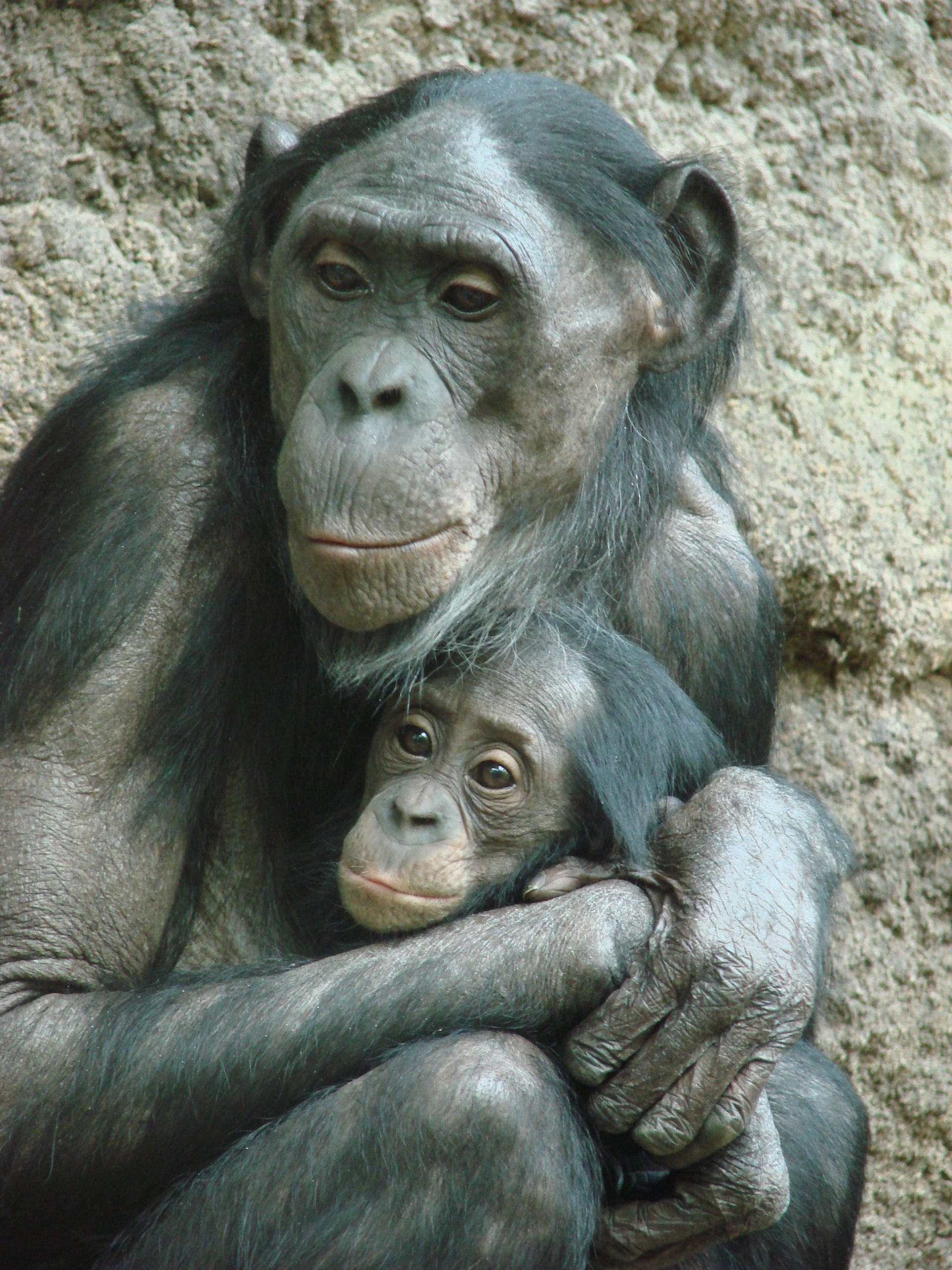
Scientists have discovered a universal pattern of brain waves in multiple primate species, including humans, which involves distinct electrical activity in the six layers of tissue covering the outer surface of the brain. This pattern, revealed in a recent study published in Nature Neuroscience, suggests a mechanism for how the brain consciously switches focus from one piece of information to the next. The researchers hope to further study how conditions affecting the brain may disrupt this universal pattern, potentially aiding in the diagnosis and treatment of conditions like Alzheimer's and schizophrenia.
A new study challenges the belief that human newborns have significantly less developed brains compared to other primates. The research reveals that human infants are born with brains typical of similar primate species, but their brains grow larger and more complex post-birth, giving the impression of underdevelopment. Contrary to previous notions, this study suggests that humans' brains are in line with those of other primates, including chimpanzees and gorillas, during early development. The findings reshape our understanding of the evolution of human brain development.
A recent study published in the journal eLife challenges the notion that the adolescent growth spurt in body length is unique to humans. The research indicates that many primate species, including humans, experience growth spurts in body weight during adolescence. The study suggests that previous misunderstandings were due to methodological errors and highlights the importance of considering scaling laws when interpreting growth curves. The findings also suggest that pronounced adolescent growth spurts in body weight and length likely exist in many non-human primates, not just bonobos.