The European Union has agreed to lower the price cap on Russian crude oil as part of new sanctions aimed at reducing Russia's oil revenues and pressuring it to cease hostilities in Ukraine, with the new cap set just above $47 per barrel, marking a significant shift in the EU's approach to Russian energy exports.
Two years after Putin's invasion of Ukraine, the US and an international Coalition have implemented a price cap on Russian oil to limit Kremlin profits while maintaining stable energy markets. The second phase of the price cap aims to tighten enforcement and increase costs for Russia, resulting in a significant decline in the price at which Russia sells its oil and a stable supply of energy to global consumers. The Coalition's efforts have led to a marked increase in the discount on Russian oil, reducing Putin's profits while maintaining market stability. The price cap's impact on Russian revenues and exports is being closely monitored, and the Coalition remains committed to further reducing Kremlin profits.
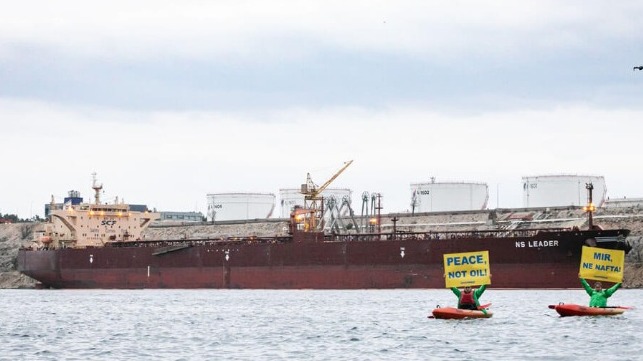
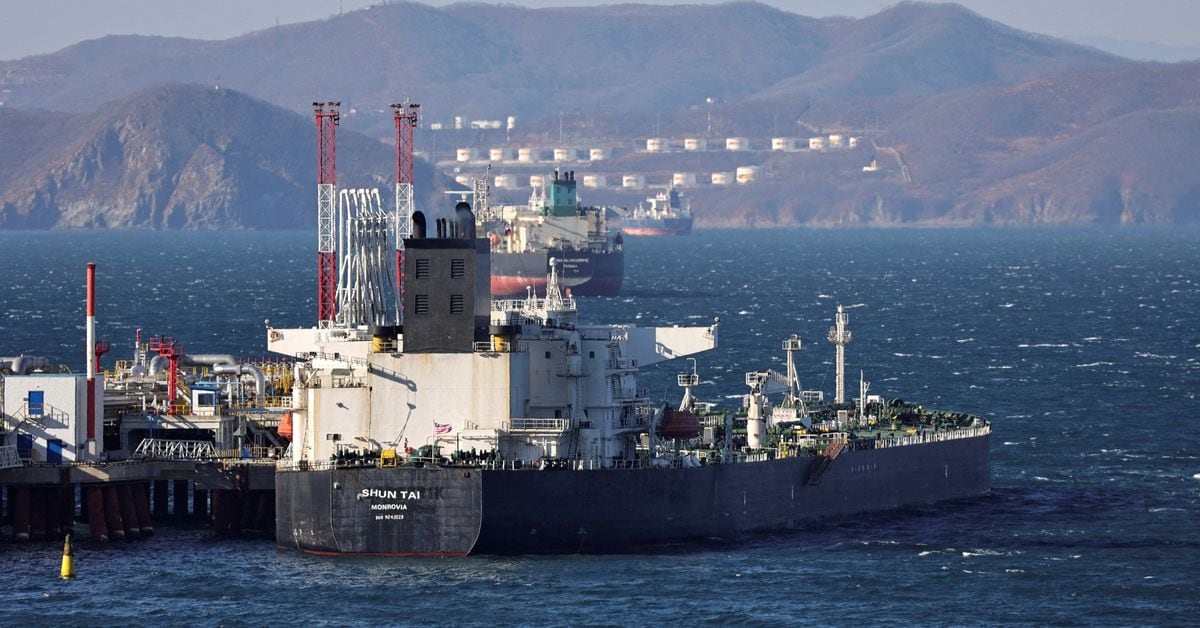
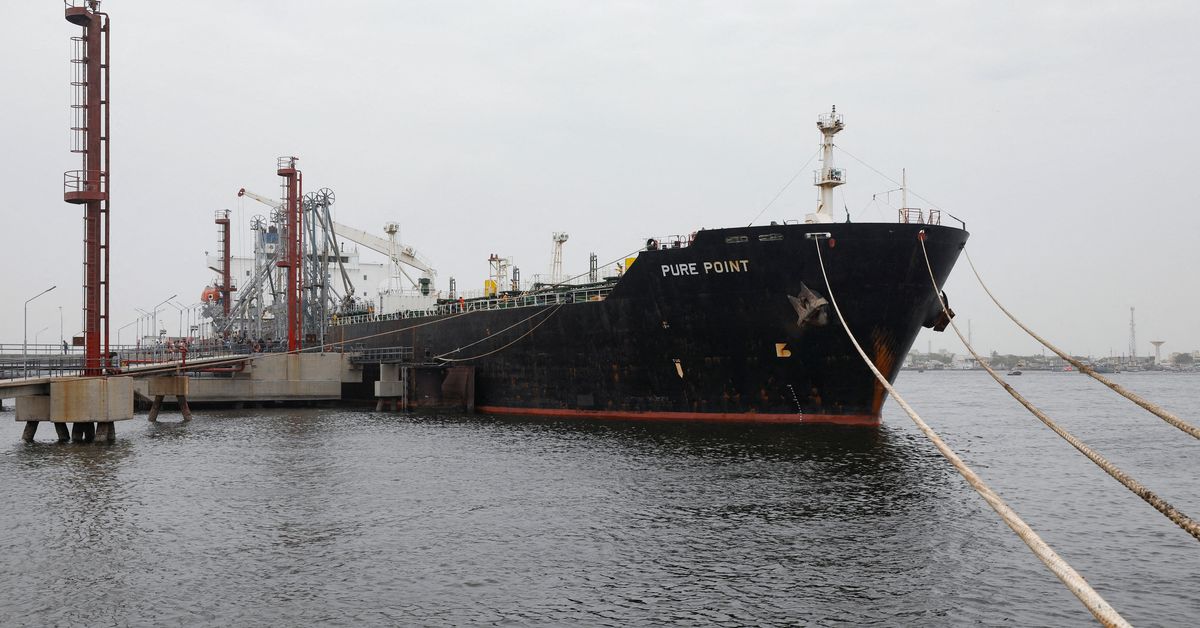
The U.S. Treasury Department listed a tanker, NS Leader, for repeatedly violating the $60 price cap on Russian crude oil and making port calls in Russia, prompting the tanker to change its course. The tanker is managed by UAE-based Oil Tankers SCF Mgmt FZCO, which is linked to the Russian government through Sovcomflot. The enforcement efforts have caused disruptions in the flow of Russian oil, with Greek tanker operators and oil deliveries to India being affected.
Russia's monthly income from oil exports has surpassed pre-war levels, generating $11 billion in the year since G7 countries imposed a price cap on Russian oil. Moscow has rerouted its oil exports to China and India, exporting almost 3.5 million barrels per day in 2023. Net oil revenues have almost doubled between April and October, making up 31% of the country's total net budget revenue for that month. Anonymous traders and unknown shipping companies have handled about $11 billion of Russia's petrodollars. The US Treasury has sanctioned eight oil tankers for price cap violations, and inquiries have been made about potential breaches with around 100 ships. Russia is expected to use the extra proceeds from oil and gas sales to cover its budget deficit.
A report by the Centre for Research on Energy and Clean Air (CREA) states that the G7 price cap on Russian crude oil has fallen short of its potential. The price cap, which allows Russian crude shipments to use Western insurance and financing if sold below $60 per barrel, has cost Russia an estimated $36.8 billion in export revenue. The sanctions have reduced Russia's oil export earnings by 14%, but a failure to enforce and consistently monitor the price cap has allowed Russia to undo the impact in the second half of the year. The U.S. has recently sanctioned vessels and their owners for violations related to the price cap.
Western officials report that almost no Russian oil is being sold below the $60 per barrel cap, indicating that Russia is effectively managing to keep its oil prices above this threshold despite market conditions.
Russian crude oil producers are benefiting from cheaper freight rates to ship their oil to China and India, thanks to a growing number of vessels operating outside the purview of Western governments. This allows Russian firms to earn more than the $60 per barrel cap that the US and its allies had aimed to impose on Russia through sanctions. The increase in tanker fleet and lower freight rates mean that enforcing the price cap will have limited impact on Russian revenues. The US has recently imposed sanctions on tankers carrying Russian oil above the cap, but many vessels have already been re-registered in countries not imposing sanctions. As a result, Russian exporters are earning about $70 per barrel, well above the $60 price cap.
The G7 and its allies have halted regular reviews of the Russian oil price cap scheme, despite most Russian crude trading above the limit due to a surge in global crude prices. Russian producers have found ways to sell oil using fewer Western ships and insurance services, making it difficult for the West to enforce the existing price cap. The G7 has not reviewed the cap since March, and there are no immediate plans to adjust the scheme. The cap was implemented to cut Moscow's revenues amid its conflict with Ukraine while avoiding market disruptions caused by an EU ban on Russian oil.
Russia has defied sanctions by selling oil above the price cap, despite international restrictions. This move highlights Russia's non-compliance with imposed measures and raises concerns about the effectiveness of sanctions in curbing the country's actions.
The price of Russian crude oil has surpassed the price cap set by the Group of Seven (G7) nations, testing the effectiveness of Western sanctions against Moscow. The cap, introduced eight months ago, restricts Western firms from providing services to export Russian seaborne oil if it is priced above the threshold. While the G7 and the European Union have banned imports of Russian seaborne crude, China and India have increased their imports of cheap Russian oil. The enforcement of the cap is challenging, particularly in monitoring services provided by Western companies to non-G7 countries. The narrowing gap between Urals and Brent crude prices indicates a diminishing impact of the price cap on Russian oil revenues. Despite rising prices, buyers like India are unlikely to turn away from Russian oil.
UK households can expect cheaper energy bills from July as regulator Ofgem cuts its price cap to reflect a slump in wholesale costs. The new cap of £2,074 a year for average use of electricity and gas marks a near 40% fall compared with the previous level. However, some 6.6 million British households would remain in fuel poverty, despite the cut. The price drop for most British households will be around 17% as since October a government guarantee has kept the average annual cost of energy at £2,500 a year.
The Group of 7 leaders have successfully implemented a price cap on Russian oil exports, forcing Moscow to sell its oil for less than other major producers. This has led to a drop in Russia's oil revenues, which is starting to hamper its war effort. The cap has also benefited emerging market and lower-income countries that import oil from Russia. However, some analysts doubt the plan is working nearly as well as administration officials claim, at least when it comes to revenues.
The G7's policy to cap the price of Russian oil has been successful in restricting Russia's oil revenues while maintaining the supply of Russian oil, making it harder for Russia to fund its war in Ukraine while keeping energy costs down for consumers and businesses around the world. The price cap policy works by allowing companies based in Coalition countries to continue providing maritime services for the transport of Russian oil only if that oil is sold at or below the price cap level. Despite selling a consistent volume of oil, Russia makes far less revenue on each barrel because its oil now trades at a significant discount relative to Brent crude, the global benchmark oil price.
India and China have bought most of Russia's oil in April at prices above the Western price cap of $60 per barrel, despite pressure from some European Union countries to lower the cap to increase pressure on Moscow. The latest data from Refinitiv Eikon suggest Russian Urals oil cargoes that loaded in the first half of April are mostly heading to India's and China's ports. The advocates of the cap say it reduces revenues for Russia while allowing oil to flow, but its opponents say it is too soft to force Russia to backtrack on its activities in Ukraine.
The price cap on Russian crude oil, imposed by the US Treasury Department and allies, seems to be working as Russia's oil and gas revenues plunged by 45% in Q1 2022 due to the costs of the war with Ukraine. The cap, in conjunction with other sanctions, has been successful at keeping Russian oil flowing while reducing the amount of money Russia reaps from its sale. However, it remains to be seen how well the cap would operate if energy demand from China fully bounced back.