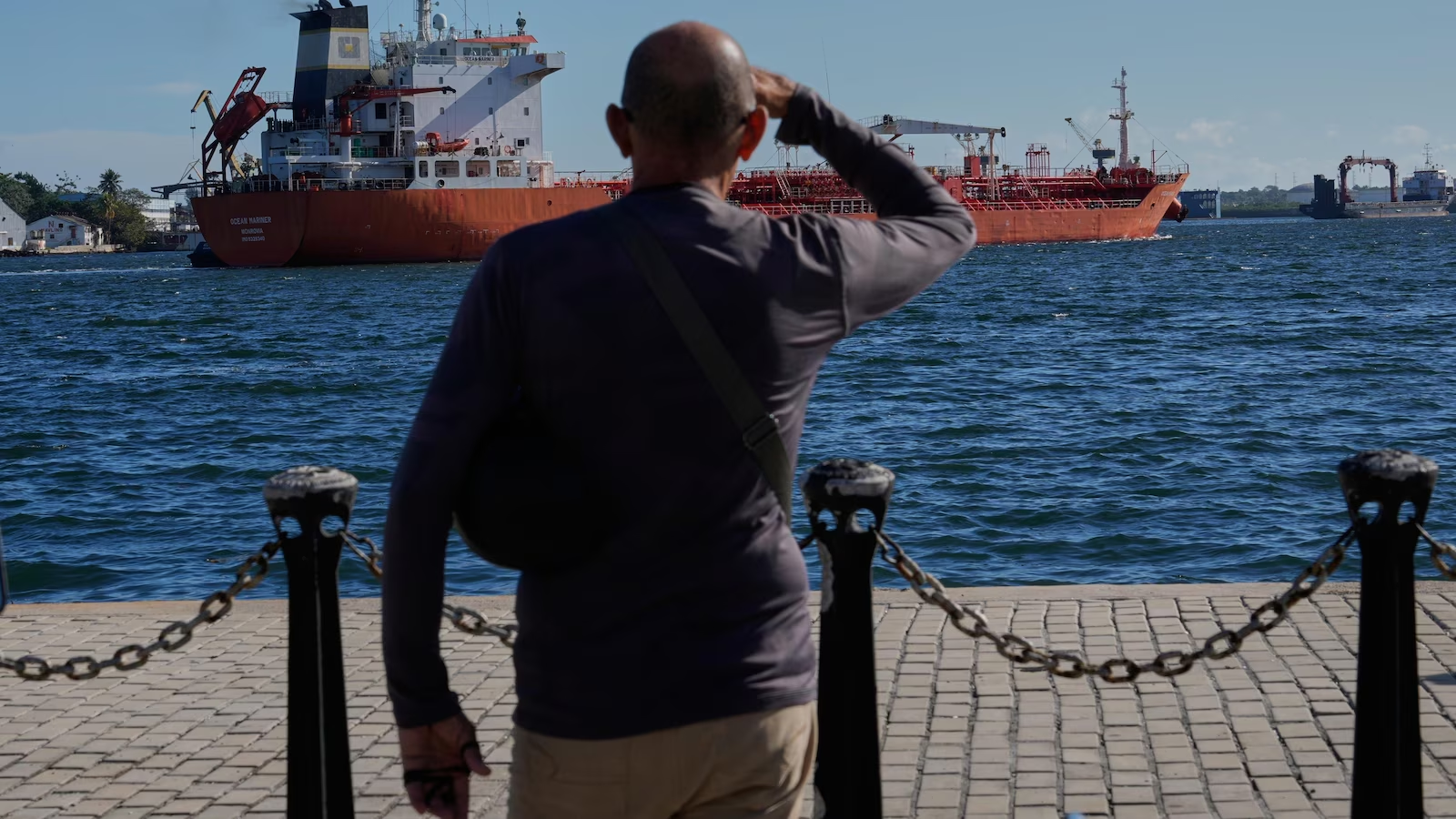
The article discusses Cuba's worsening economic crisis exacerbated by US seizures of Venezuela-linked oil tankers, raising fears of social unrest, mass migration, and potential regime instability amid ongoing US sanctions and political tensions.
Venezuela accused the US of 'extortion' over the seizure of Venezuelan oil tankers, calling it an act of pillaging and illegal under international law, while the US justified its actions as part of a broader campaign against drug trafficking and gangs, leading to international criticism and accusations of bullying from Russia and China.
Venezuela's National Assembly approved a law criminalizing activities like oil tanker seizures, following US actions against Venezuelan ships to pressure Maduro amid ongoing sanctions and political tensions, with the bill now awaiting Maduro's signature.
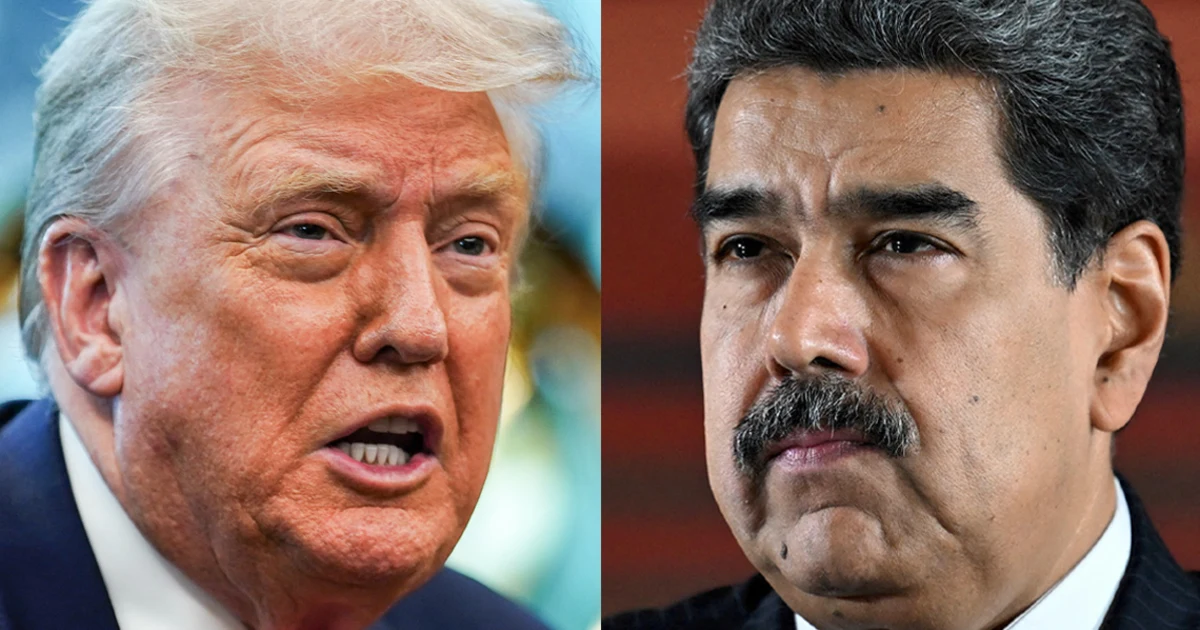
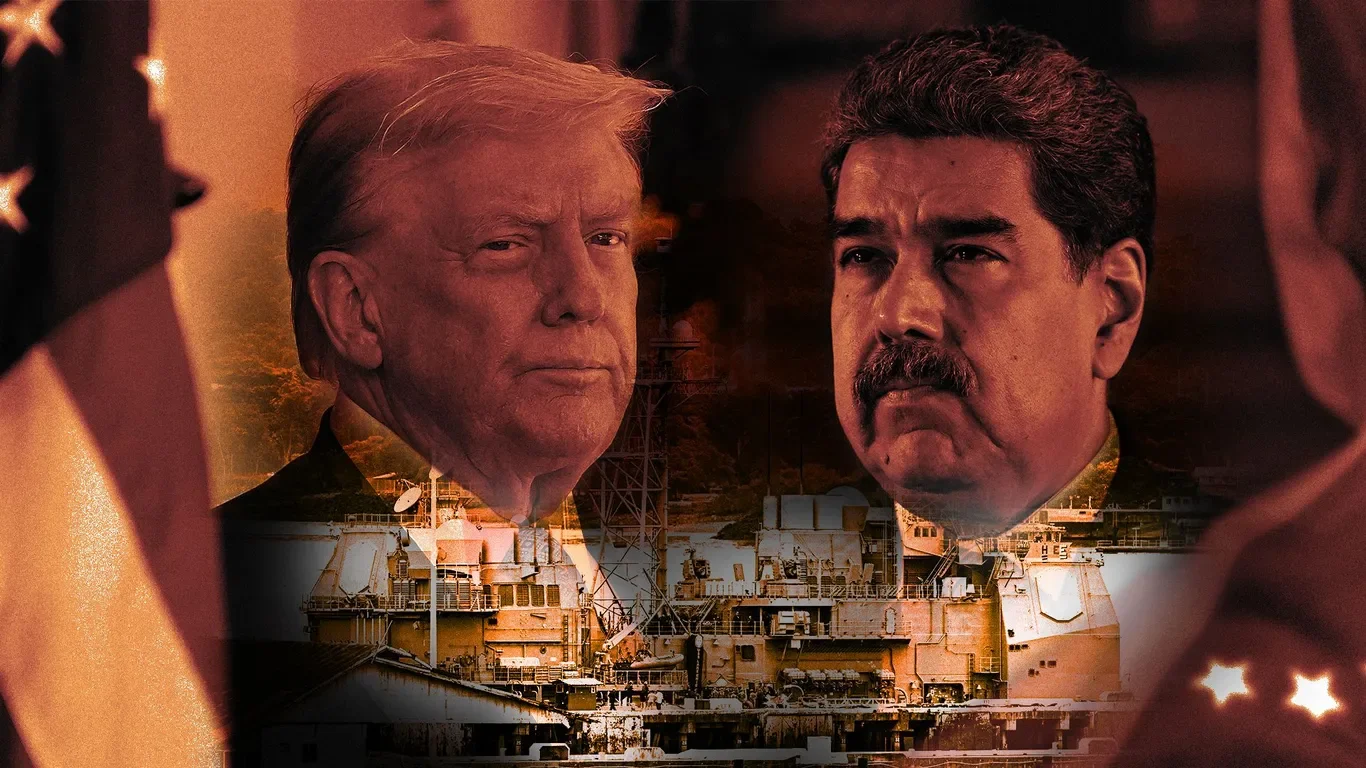
President Trump announced a 'complete blockade' of sanctioned oil tankers near Venezuela, escalating pressure on Maduro's regime, with actions described as a legal quarantine rather than a military blockade, raising questions about the scope and impact of the move.
China criticized the US for seizing oil tankers off Venezuela, claiming it violates international law and supporting Caracas amid US efforts to blockade Venezuela's oil exports, which are mainly shipped to China.
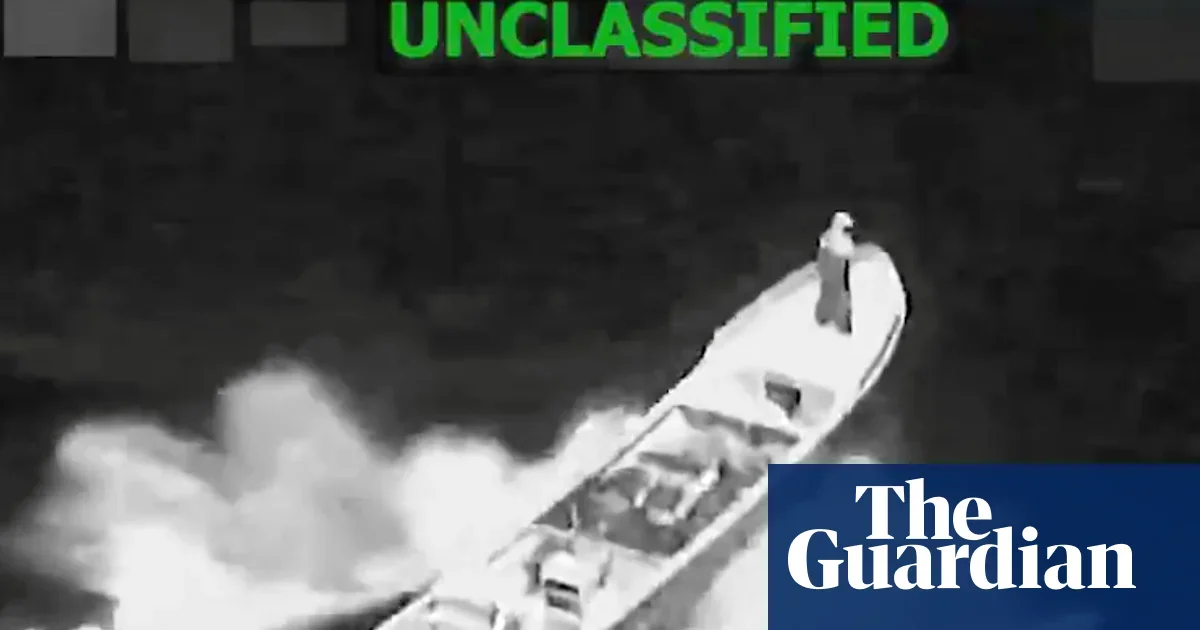
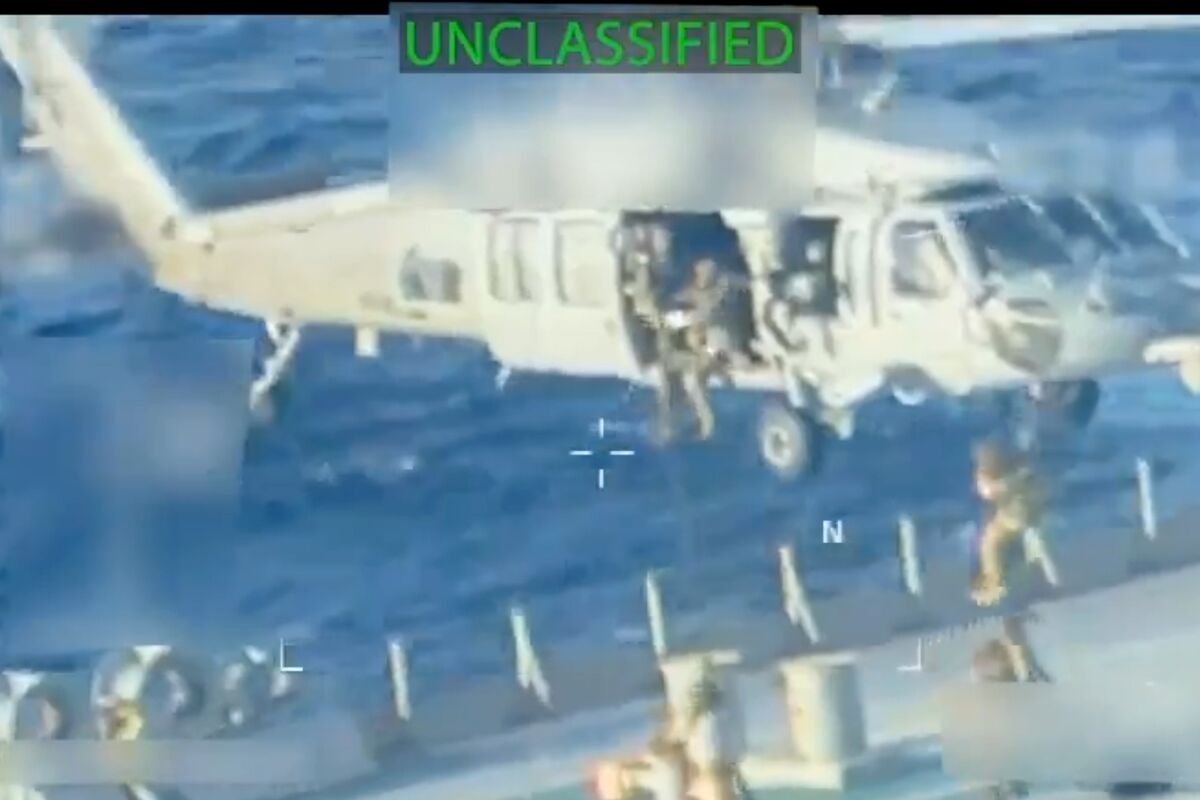
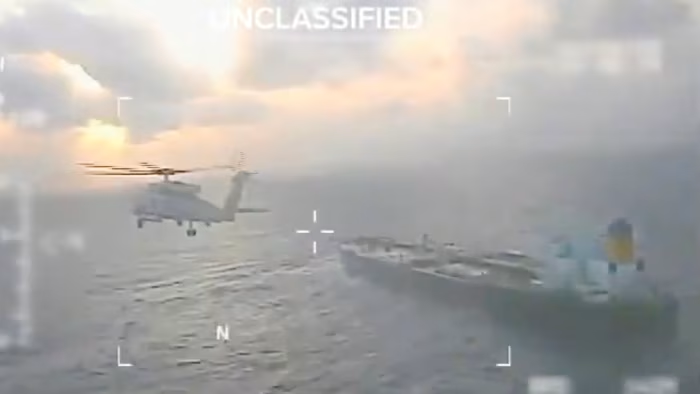
The U.S. Coast Guard is pursuing a third Venezuelan oil tanker, Bella 1, as part of a broader effort to pressure Venezuela's regime by seizing ships on sanctions lists, amidst escalating tensions and accusations of supporting terrorist groups, with the U.S. aiming to weaken Maduro's government and curb Iran-Venezuela cooperation.
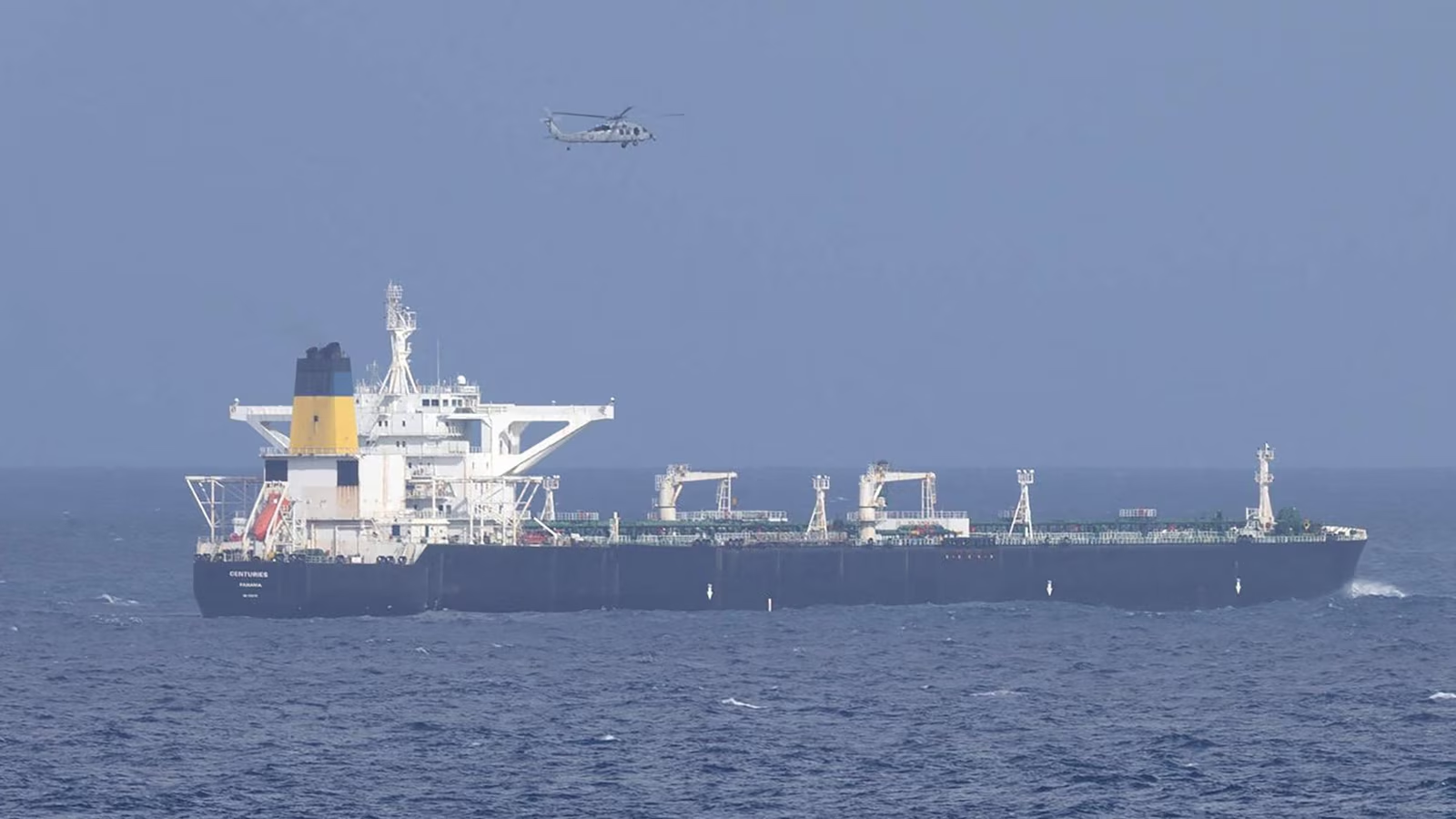
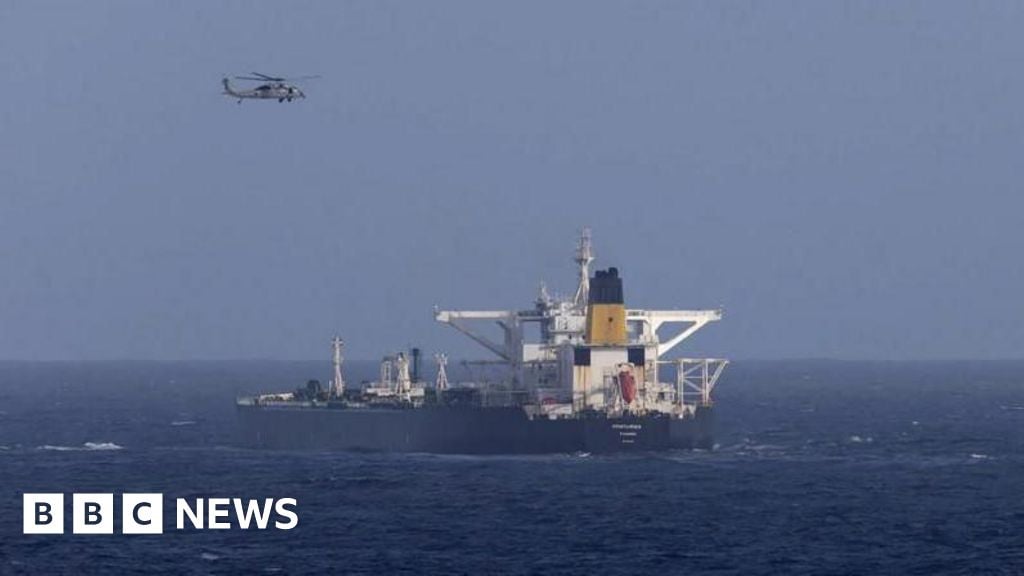
The US has intensified its efforts to blockade Venezuelan oil by attempting to board and seize sanctioned tankers, including Bella 1 and Centuries, as part of a broader strategy to cut off Venezuela's oil exports amid political tensions and potential military action, significantly impacting Venezuela's economy and international relations.
The US is actively pursuing a third oil tanker near Venezuela, amid escalating tensions and recent seizures of vessels linked to Venezuela's sanctions evasion, with the US accusing Venezuela of using oil revenues for crime and the Venezuelan government condemning the actions as theft.
Venezuela is testing U.S. sanctions by allowing two unsanctioned oil tankers to leave ports, including one with a military escort, escalating tensions with the U.S. amid ongoing sanctions and threats of conflict, as Maduro seeks to challenge Trump's blockade and maintain oil exports.
The US has at least 12 sanctioned Venezuelan oil tankers at sea, with President Trump promising a complete blockade of such vessels, though oil prices have not significantly risen. The US is targeting Venezuelan oil exports, mainly affecting China and Cuba, while authorized vessels like Chevron's continue to operate. The situation involves complex maritime activities, including vessel spoofing and cargo transfers.
President Donald Trump has ordered a blockade on oil tankers that are sanctioned off Venezuela, as part of broader efforts to exert pressure on the Venezuelan government.
US President Donald Trump announced a total and complete blockade of all sanctioned oil tankers entering and leaving Venezuela, escalating tensions amid accusations of resource theft and criminal activities by Maduro's government.
The U.S. is escalating its pressure on Venezuela by preparing to seize more oil tankers and potentially conducting land strikes, aiming to weaken Maduro's regime amid ongoing sanctions and military actions.
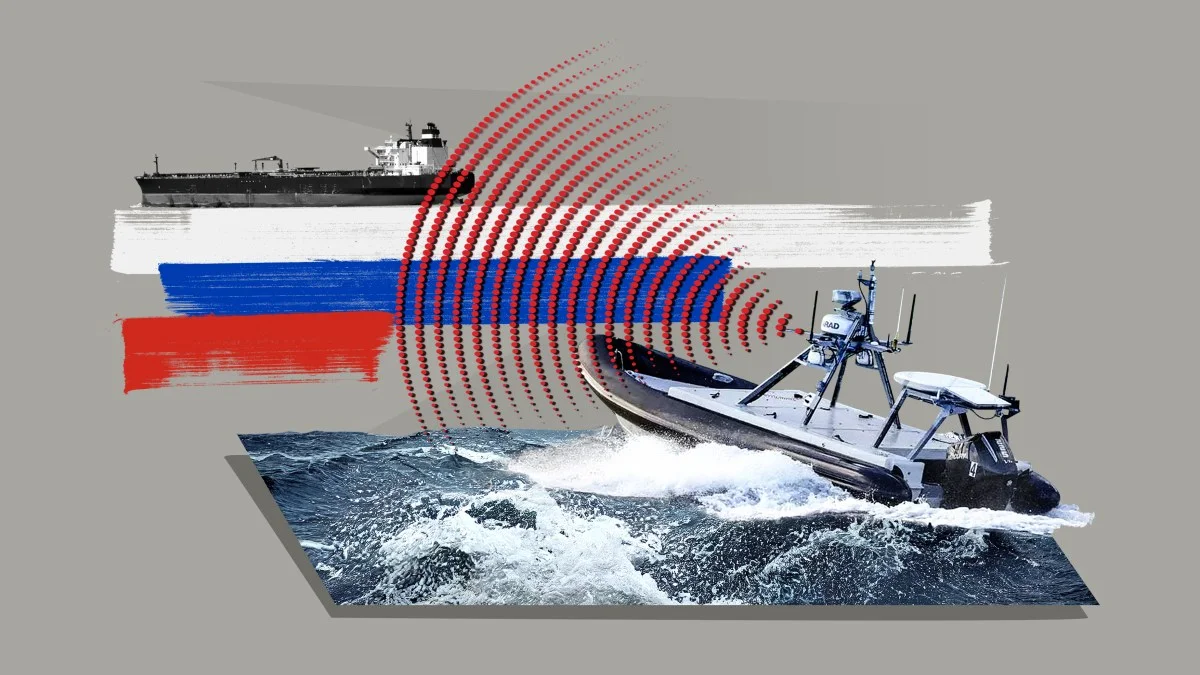
Ukraine claims to have attacked Russian 'shadow fleet' tankers in the Black Sea using underwater drones, damaging two vessels and impacting Russian oil transportation amid ongoing tensions and recent attacks on ships carrying Russian crude oil. The incidents involve multiple ships, including the Gambian-flagged Virat and Kairos, with concerns raised over regional safety and international implications.
Several Russian oil tankers are idling off India's coast as Indian refiners reconsider Russian crude purchases due to sanctions and US pressure, with state-owned companies halting imports and seeking alternative sources amid geopolitical tensions.