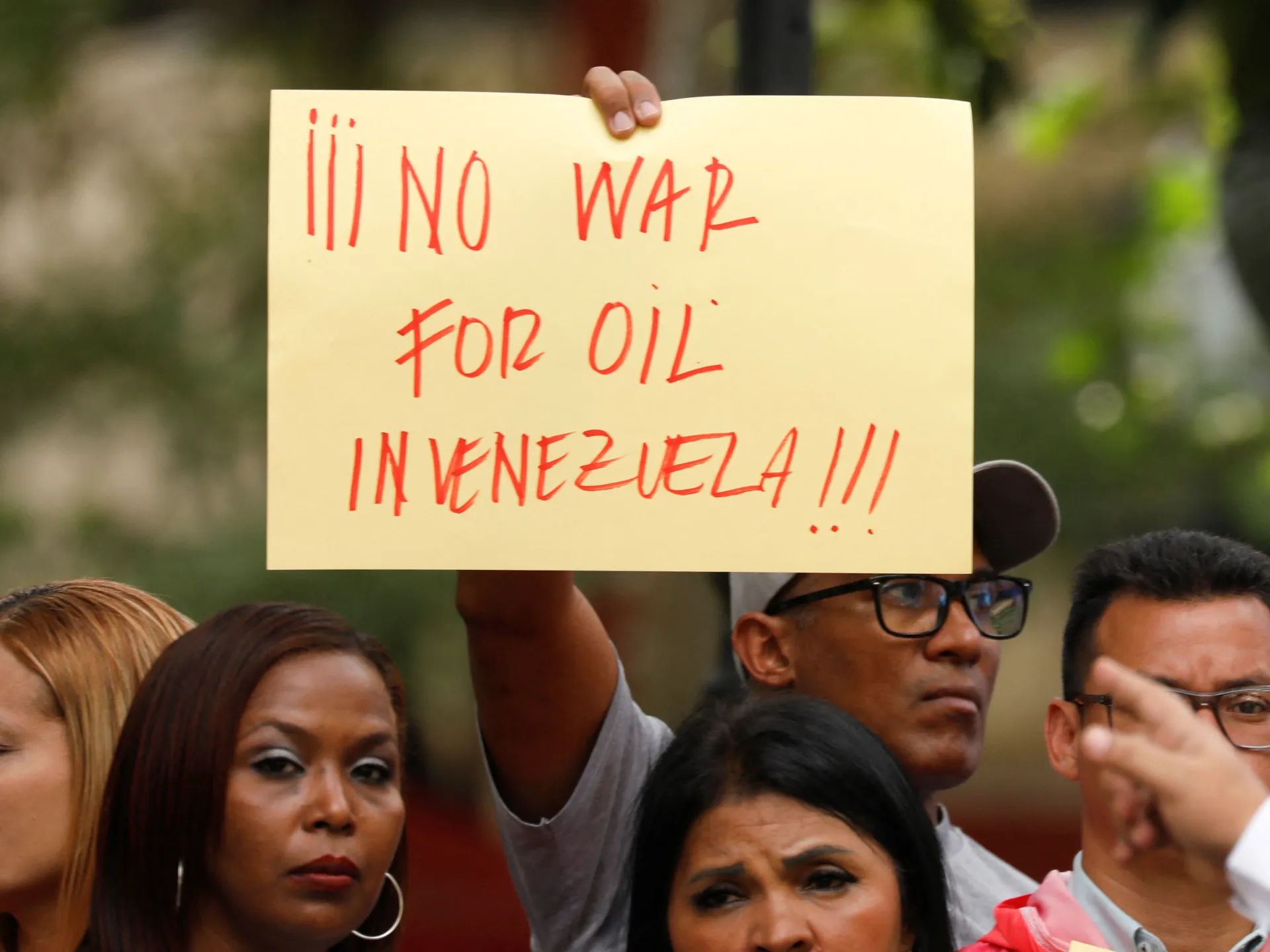
Regional leaders and international organizations are calling for calm amid escalating US-Venezuela tensions over oil exports, with the US threatening a full blockade and deploying military assets, while Venezuela's government and Latin American leaders urge dialogue and caution to prevent conflict.
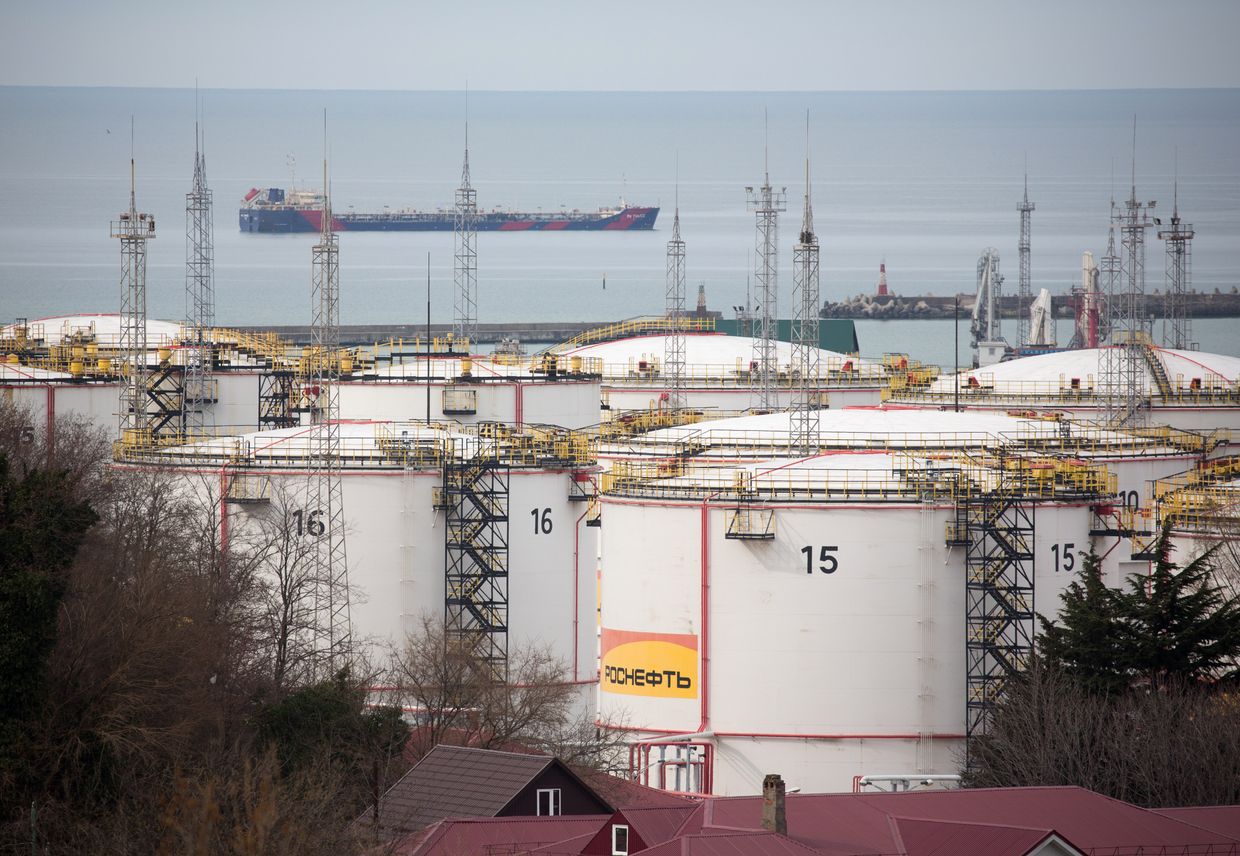
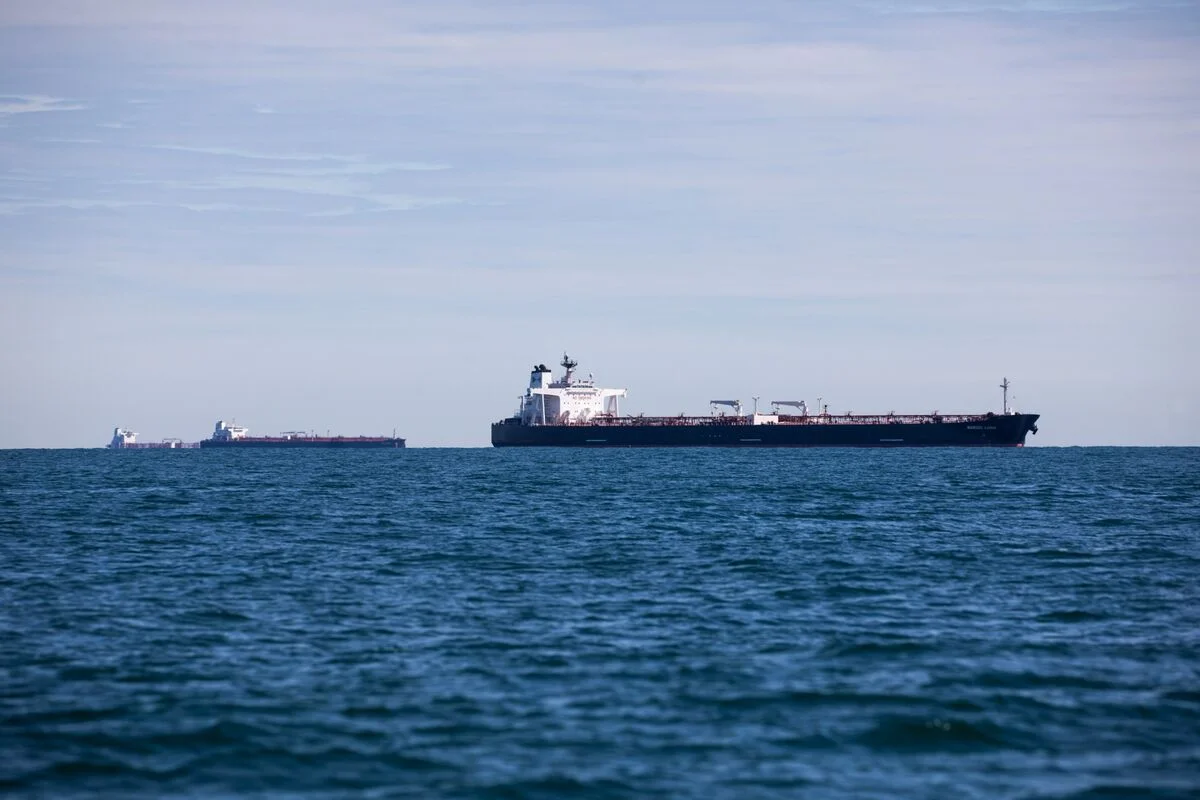
Russia's seaborne crude oil exports have sharply declined, the largest weekly drop since January 2024, following US sanctions on major Russian oil companies, leading to increased oil storage at sea and reduced exports to key buyers like India, China, and Turkey, amid broader geopolitical tensions and Europe's ongoing efforts to phase out Russian fossil fuels.
Russia's seaborne crude shipments have sharply declined due to US sanctions, leading to increased oil at sea and reduced export revenues, with major buyers like China, India, and Turkey cutting back on purchases, though some believe the disruption may be temporary.
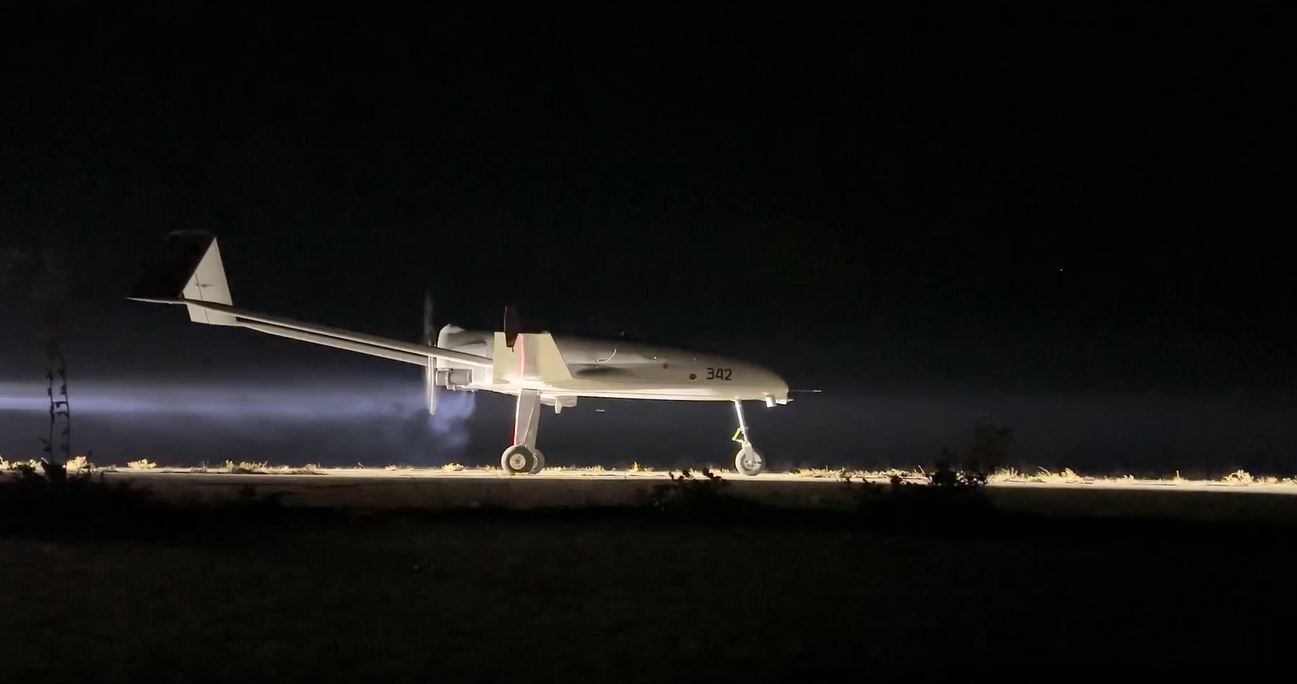
Ukrainian drone attacks on Russian oil refineries have reduced domestic processing capacity and caused a surge in Russia's crude exports, with at least 28 attacks since August impacting refinery operations and leading to increased seaborne crude sales, despite some infrastructure limitations.
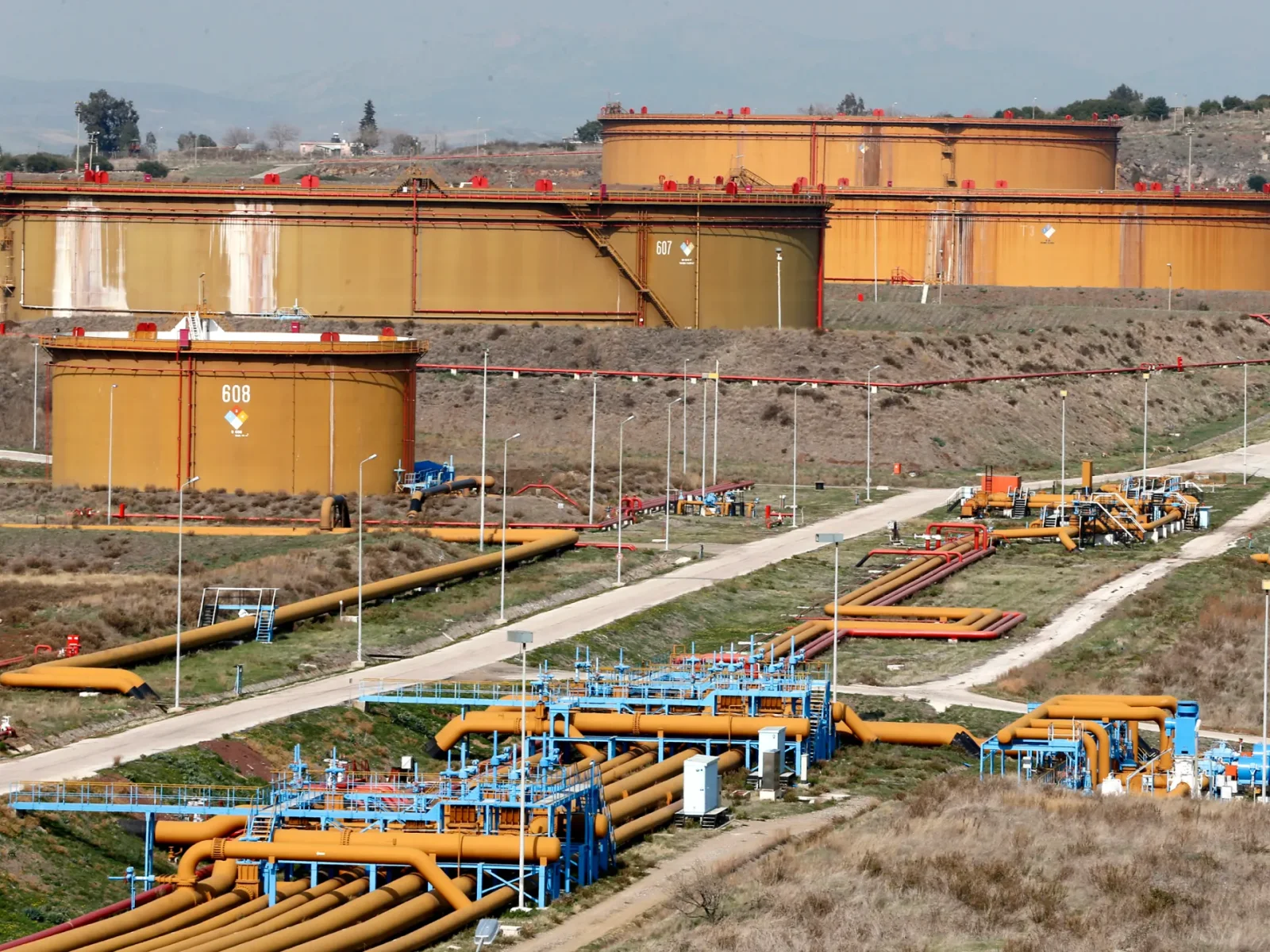
Iraq has resumed Kurdish oil exports to Turkiye after a 2.5-year halt, following an agreement between Baghdad, the Kurdistan regional government, and international oil companies, allowing about 180,000 to 190,000 barrels per day to be exported through the Ceyhan port, aiming to boost Iraq's oil revenues and stabilize regional relations.
Ukraine launched deep drone strikes on Russian energy infrastructure, targeting refineries and storage facilities, as part of an ongoing escalation in the energy conflict. Despite these attacks, Russia's oil exports increased in August, demonstrating resilience in maintaining export flows despite sanctions and revenue declines. Kyiv plans to continue its drone operations against Russian energy assets, while Moscow adapts to sanctions and price caps, highlighting the ongoing tension in the energy war.
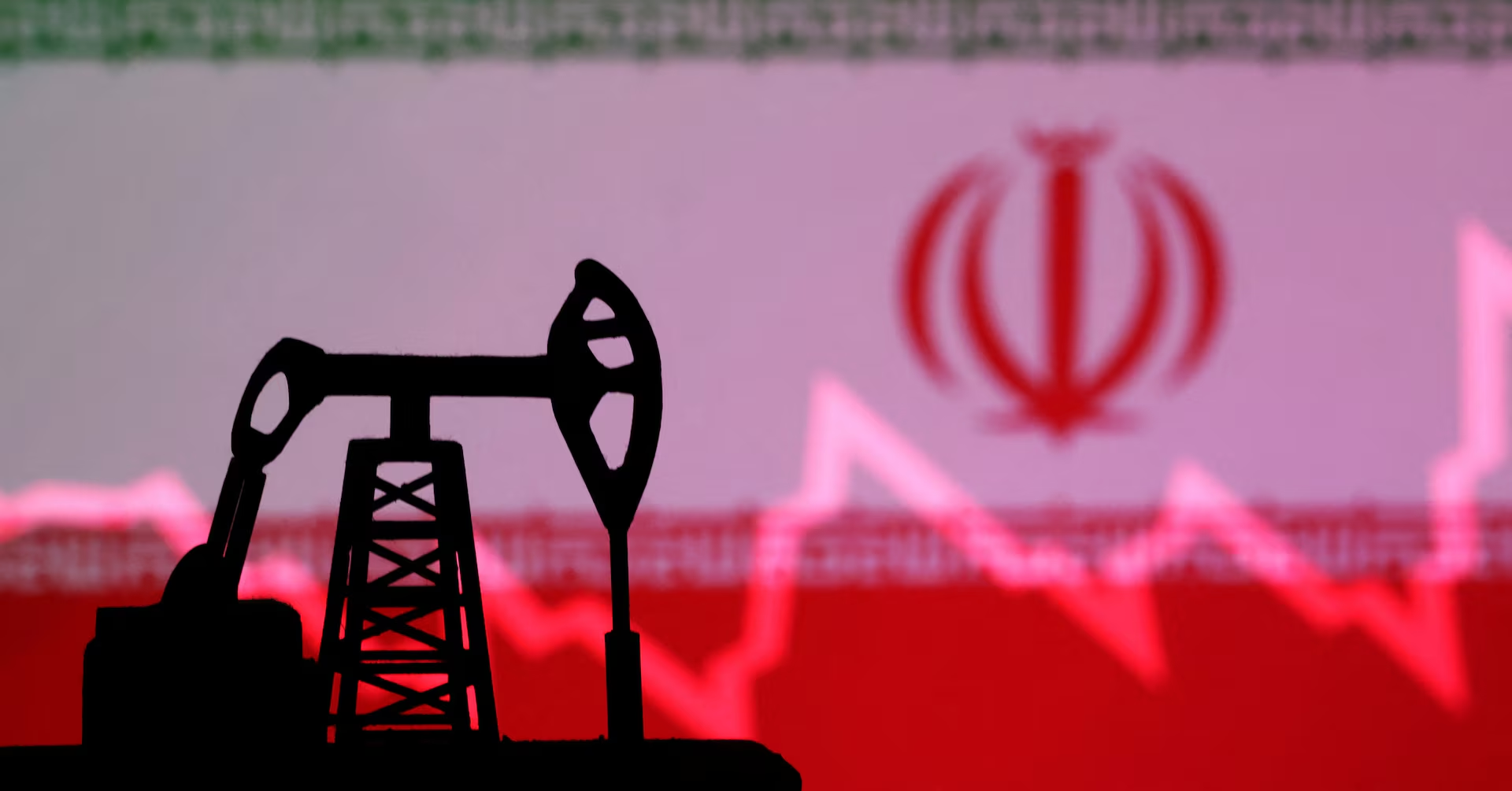
The U.S. Treasury has imposed new sanctions targeting Iranian oil exports and the shadow fleet involved in illicit transportation, aiming to cut Iran's revenue used for supporting terrorism and weapons programs by targeting key individuals and vessels, including Greek national Antonios Margaritis and several shipping companies.
Ukraine has fully halted the operation of the Druzba pipeline, Russia's major oil export route to Europe, following a Ukrainian drone strike that disabled a key pumping station, significantly impacting Russia's fuel exports to the EU, especially Hungary and Slovakia.
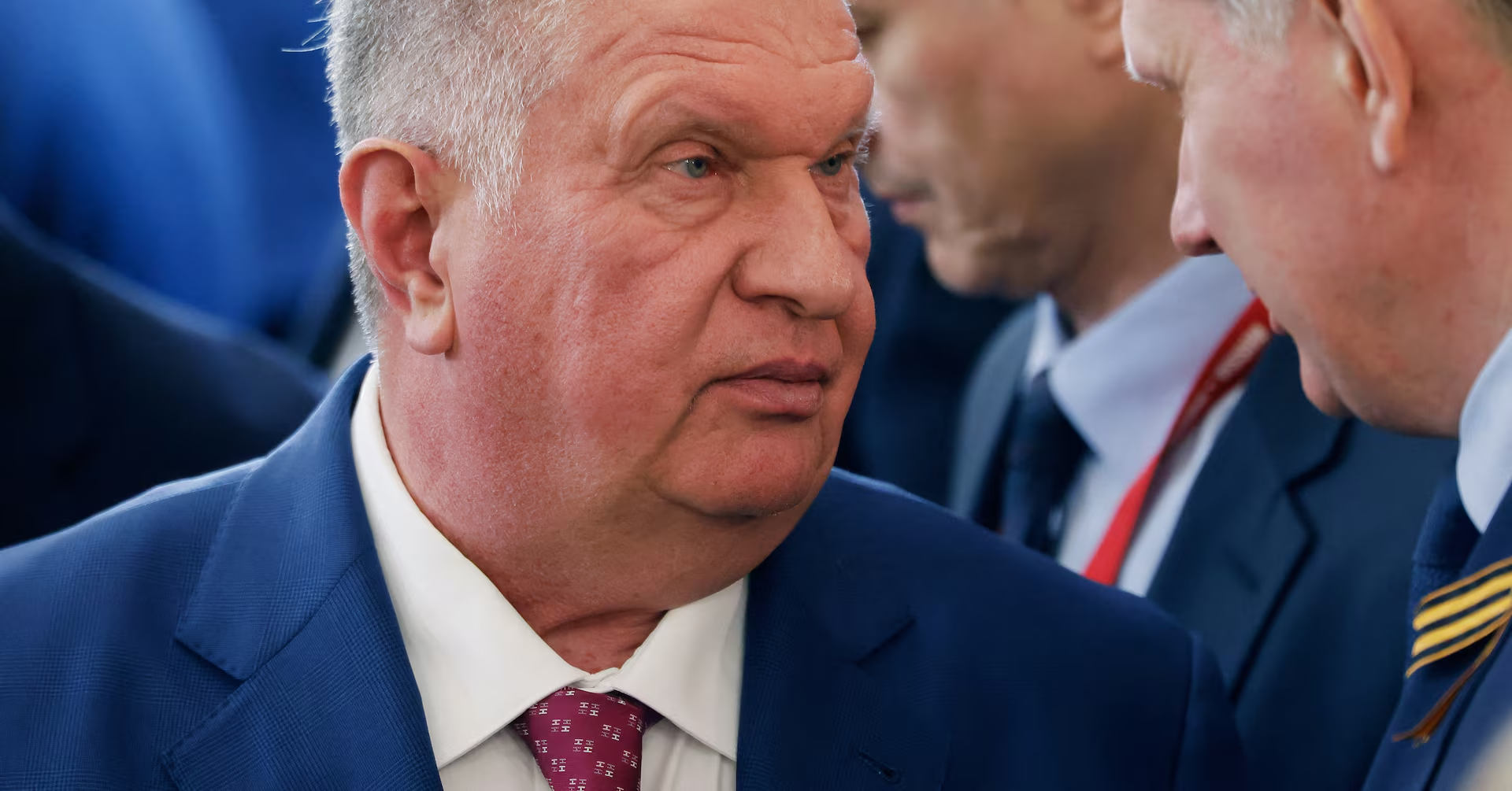
Russian oil executive Igor Sechin stated that China is striving for complete energy independence and could become a major energy exporter in the future, driven by increased electricity demand and investments in renewable and nuclear energy, which may impact global oil markets. Sechin also discussed geopolitical and economic factors influencing energy and global power dynamics.
Citibank warns that escalating Iran-Israel hostilities could raise Brent oil prices to $75-$78 per barrel if 1.1 million barrels per day of Iranian exports are disrupted, with potential for even higher prices in a broader regional conflict. Prices are already rising amid geopolitical tensions, and other analysts suggest that a wider conflict could push prices to $120-$130 per barrel, though some supply sources may offset disruptions.
The Trump administration plans to reinstate its 'maximum pressure' strategy on Iran by imposing stricter sanctions, particularly targeting Iran's oil exports, to cripple its economy and force nuclear negotiations. The strategy aims to reduce Iran's oil exports significantly, impacting its financial stability. However, Iranian officials have rejected negotiations under coercion, warning that repeating past policies would fail. The report also notes security risks and legislative efforts to impose secondary sanctions on entities buying Iranian oil.
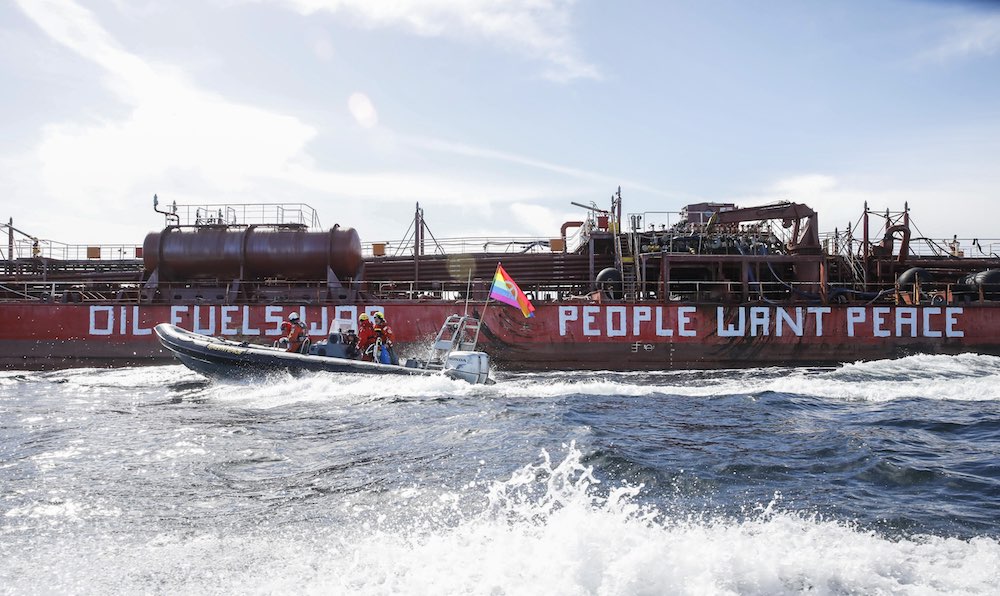
The European Parliament is set to vote on measures targeting Russia's shadow fleet, aiming to impose sanctions on vessels and entities involved in transporting Russian oil. The measures include banning Western vessels from transporting Russian oil, requiring proof of insurance for ships in EU waters, and enhancing monitoring of ship activities. The initiative follows the UK's crackdown on tankers with dubious insurance in the English Channel and calls for international cooperation to enforce oil price caps and prevent illegal maritime operations by the shadow fleet.
Iran's crude oil exports have reached a six-year high, with most of the oil being sent to China, earning Tehran around $35 billion. The Biden administration is considering new sanctions against Iran, but analysts suggest that tightening the sanctions could lead to increased oil prices, which the administration may want to avoid in an election year. Additionally, heavy-handed action against Iran's oil exports could strain relations with China, which is a major importer of Iranian crude.
The Biden administration is unlikely to significantly increase sanctions on Iran's oil exports despite pressure from House Republicans following Iran's missile and drone strike on Israel, as doing so could raise oil prices, anger China, and escalate regional tensions. Enforcing existing sanctions has proven challenging, and the administration is wary of taking actions that could impact gasoline prices, especially during an election year. Aggressively enforcing sanctions could also strain U.S.-China relations, as China is the biggest buyer of Iranian oil.
Ukrainian drone attacks on Russian energy facilities have disrupted about 600,000 barrels of Russia's daily oil-refining capacity, leading to an increase in crude oil prices and a reduction in exports of about 200,000 barrels. The attacks have added $2-$3 per barrel of risk premium to crude oil prices and halted about 7% of Russia's refining capacity in the first quarter, prompting Russia to increase its oil exports through western ports. The attacks are expected to continue and expand, posing significant challenges to Russia's oil industry.