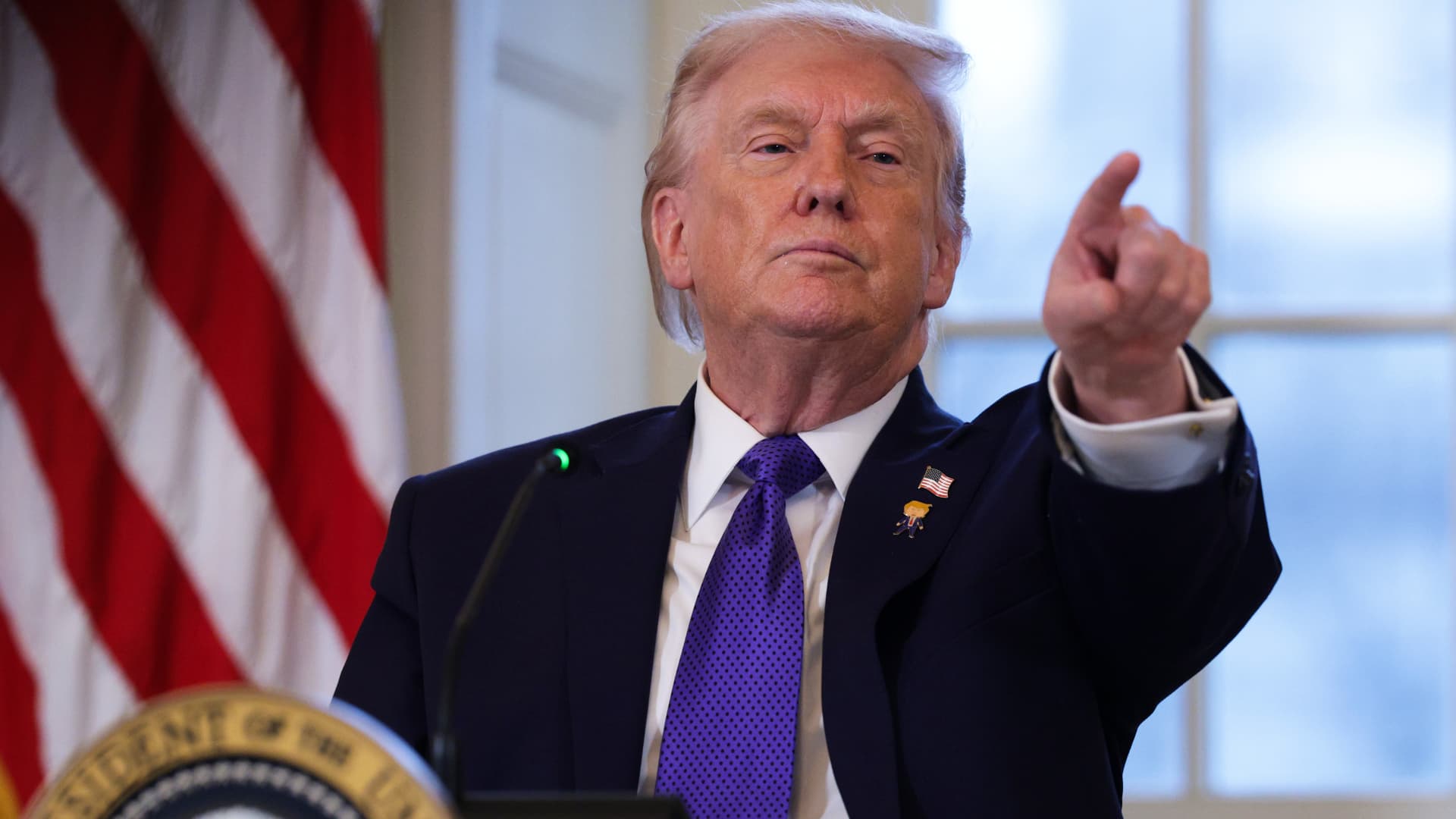
President Trump signed an executive order to prevent courts and creditors from seizing Venezuelan oil revenue held in U.S. accounts, citing national security and foreign policy concerns, amid efforts to stabilize Venezuela's economy and attract U.S. investment in its oil sector.
President Trump declared a national emergency to protect Venezuelan oil revenue held by the U.S. from seizure by private creditors, citing national security and regional stability concerns, and plans to manage Venezuelan oil sales and revenue indefinitely to counter malign actors and stabilize Venezuela.
A UN report accuses South Sudan's leaders of systematic looting, including $2.2 billion paid to companies linked to Vice President Bol Mel for incomplete road projects, amidst widespread poverty and conflict. The government denies the allegations, claiming data inaccuracies, but the report highlights corruption as a key factor in the country's ongoing humanitarian and economic crises.
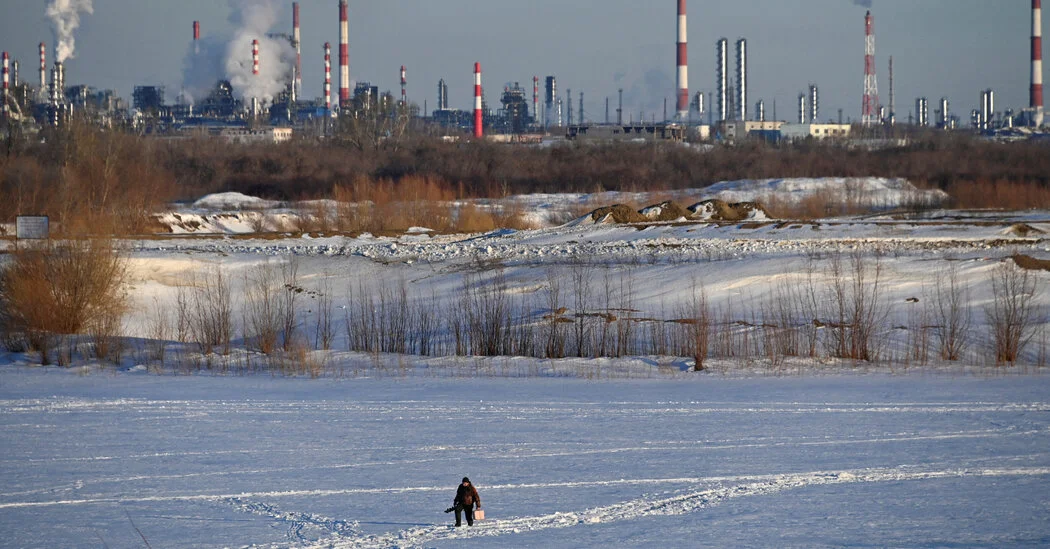
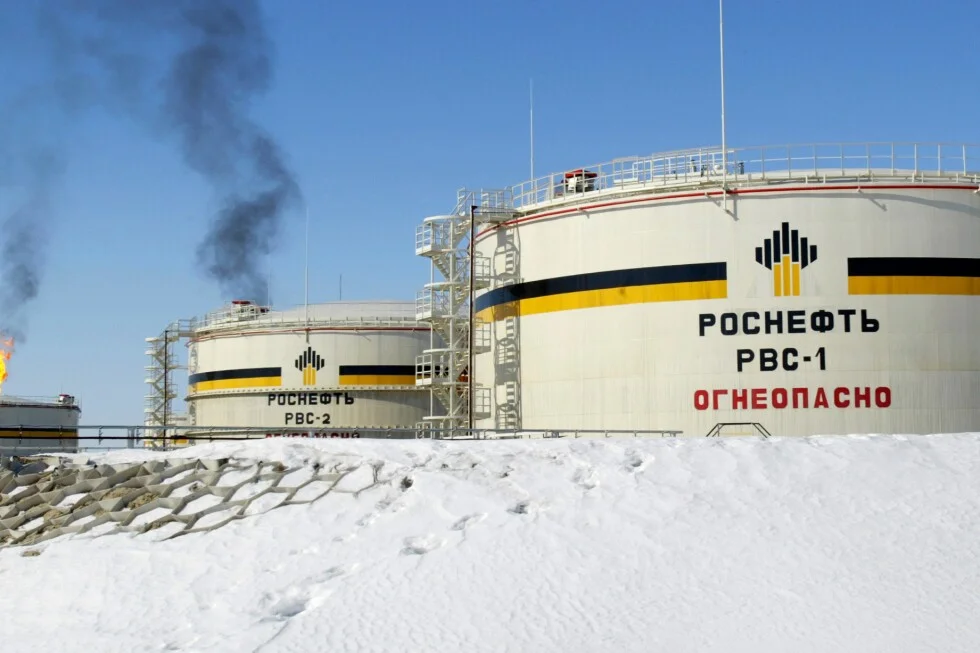
Russia's economy, already slowing due to declining oil revenues and high interest rates, remains resilient despite U.S. threats of sanctions and tariffs from Trump aimed at pressuring Putin to end the Ukraine conflict. The Kremlin has prioritized military spending and used various measures to prevent a crisis, but declining oil income poses a significant risk to its budget and war efforts. Trump's measures, including targeting Russian oil exports, may have limited impact as Russia continues to adapt and find alternative markets like India.
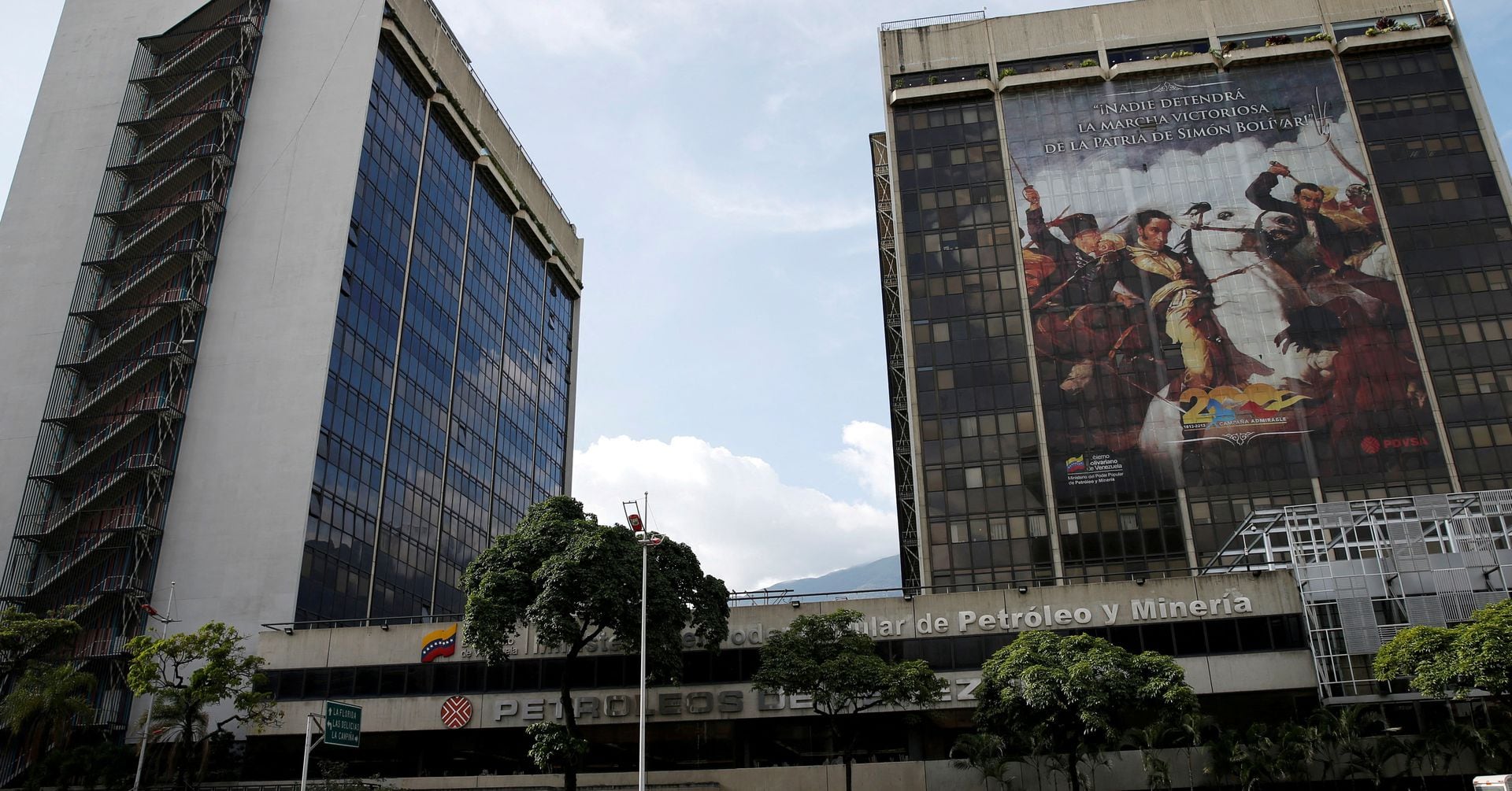
The reimposition of US sanctions on Venezuela's oil and gas sectors is expected to impact the country's ability to generate revenue from oil exports, hinder new energy investments, and raise the risk of domestic fuel scarcity. The US has ordered a wind down of business transactions with Venezuela's state miner and threatened to unwind easing of energy sanctions if President Maduro's administration does not adhere to an agreement for a fair presidential election. The potential return of sanctions could reduce Venezuela's oil revenue and impede economic growth, while also increasing the risk of fuel shortages.