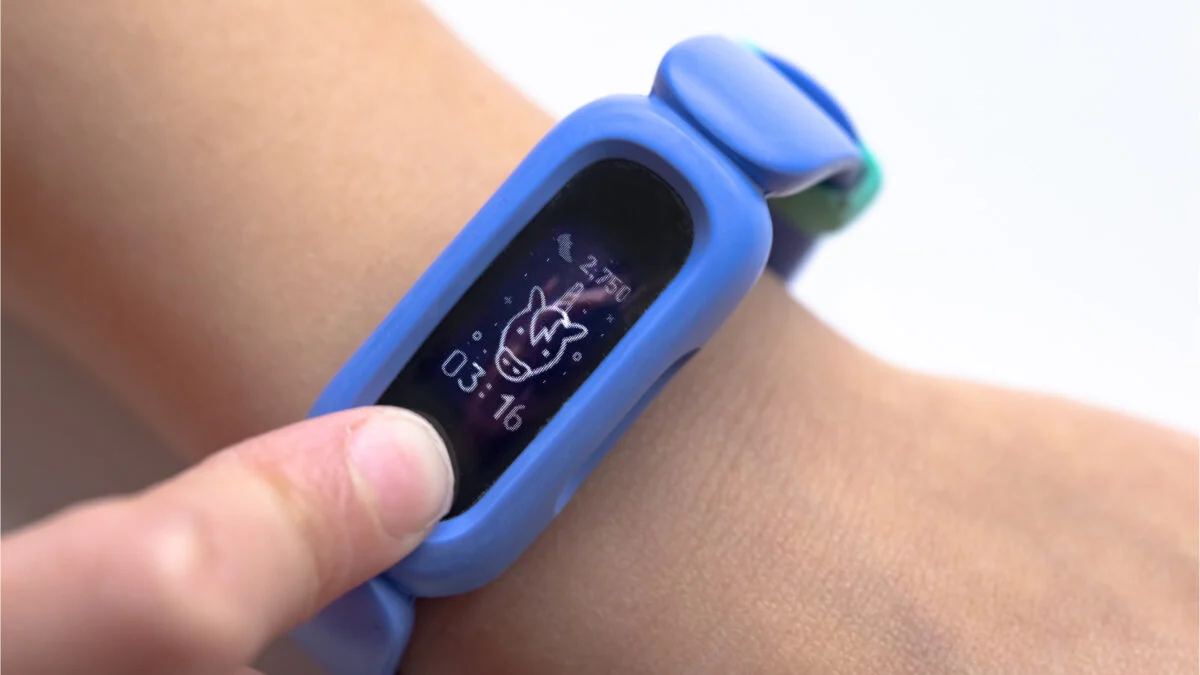
A study published in Science Advances demonstrates that wearable devices like Fitbits can effectively predict postoperative complications in children recovering from surgery, with a 91% sensitivity, by monitoring activity and biorhythms, potentially improving postoperative care and early intervention.
A study in Chicago found that Fitbit wearables, combined with a machine learning algorithm, can accurately predict postoperative complications in children after appendectomy up to three days before diagnosis, suggesting wearables could serve as an effective early warning system for post-surgical recovery and broader health monitoring.
Summa Health in Ohio tested an AI tool to predict sepsis in emergency departments, aiming to improve early detection amid overwhelmed staff and excessive false alerts from traditional systems, highlighting the potential and challenges of AI in clinical settings.
Companies are using ChatGPT to analyze employee meeting transcripts and detect signs of disengagement or potential resignation up to 18 months in advance, creating retention risk matrices to proactively address employee turnover, raising both innovative opportunities and privacy concerns.
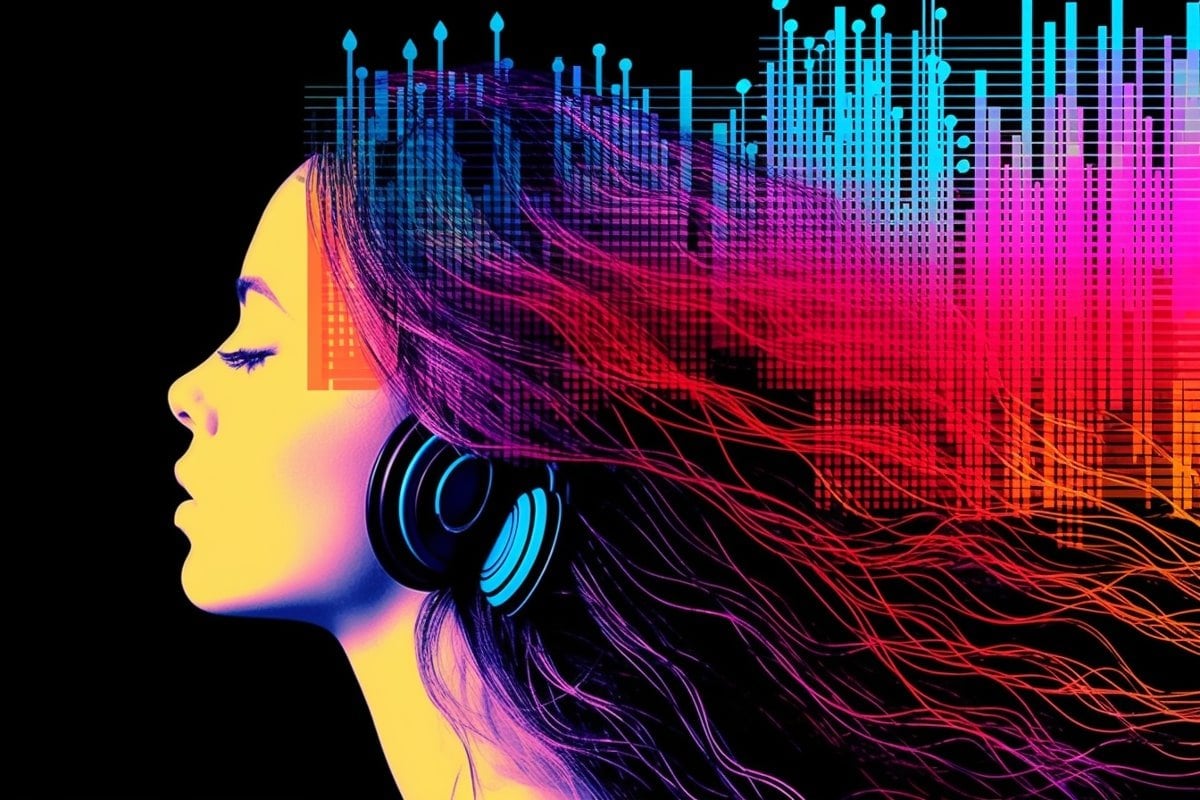
Scientists have developed a method to predict hit songs with high accuracy by measuring people's brain activity while listening to music and analyzing the data using artificial intelligence. The study found that neurophysiologic measures, specifically measures of immersion and retreat during music listening, can accurately identify hit songs. Machine learning techniques further improved the accuracy of predicting hit songs to nearly 100%. The researchers discovered that self-reported measures of liking a song were not predictive of its success. This study highlights the potential of using neurophysiologic responses and AI to forecast market outcomes in the music industry.
Researchers have developed a machine learning model that uses neural responses to predict the success of songs with 97% accuracy, termed 'neuroforecasting'. Participants listened to a set of songs while their neurophysiologic responses were monitored, generating data that helped the machine learning model determine potential hits. This approach can help streaming services efficiently identify popular new songs for their playlists. The researchers believe their method may be applicable beyond song identification, possibly predicting hits in movies and TV shows.
The hype around AI is causing confusion and unrealistic expectations for machine learning (ML) projects, which are designed to improve business operations through predictive analytics. The term "AI" is often used to describe practical ML initiatives, but it alludes to human-level capabilities and oversells what most ML business deployments actually do. Defining "AI" as something other than artificial general intelligence (AGI) has become a research challenge, and the lack of a clear definition contributes to the high failure rate of ML projects. To properly insulate ML as an industry from the next AI Winter, we need to differentiate ML from AI and resist the temptation to ride hype waves.
C3.ai's stock rose over 23% after the AI company raised its outlook, citing an "accelerating" interest in applying predictive analytics. The company's preliminary revenue release showed total revenue for its fourth fiscal quarter exceeded its own guidance, and it expects a narrower adjusted operating loss than previously expected. C3.ai's CEO has previously stated that AI will soon be a $600 billion addressable software market. The company also released the results of an investigation into allegations brought forth by short sellers Spruce Point Capital and Kerrisdale Capital, finding no irregularities, misrepresentations, or omissions in its prior disclosures.