The article discusses the challenge of managing high-performing employees who expect promotions but face no clear advancement opportunities, emphasizing the importance of honest communication and alternative development strategies to retain top talent.
Chipmakers like Nvidia, AMD, and Broadcom are using stock-based compensation, such as RSUs, to retain employees amid the AI boom, with many employees earning significant wealth from stock value increases, effectively creating 'golden handcuffs' that incentivize long-term loyalty and impact workforce dynamics.
The article discusses the shift from the post-pandemic migration of workers to a period where many are choosing to stay in their current jobs due to a softening job market, layoffs at large corporations, and economic uncertainties. Small businesses are benefiting from this trend, as they continue to hire and retain talent, leveraging benefits and community engagement to attract workers in a challenging environment.
Amid a stagnant labor market, employees are 'job hugging'—staying in their roles despite growing resentment and dissatisfaction—due to fears of limited options elsewhere. This trend, driven by economic uncertainty, high CEO turnover, and workplace instability, could lead to another wave of resignations once conditions improve, unless employers improve communication and engagement strategies.
Workers are currently 'job hugging' due to a stagnant labor market and economic uncertainty, but rising resentment and dissatisfaction suggest a potential wave of resignations once conditions improve, emphasizing the need for better communication and engagement strategies by employers.
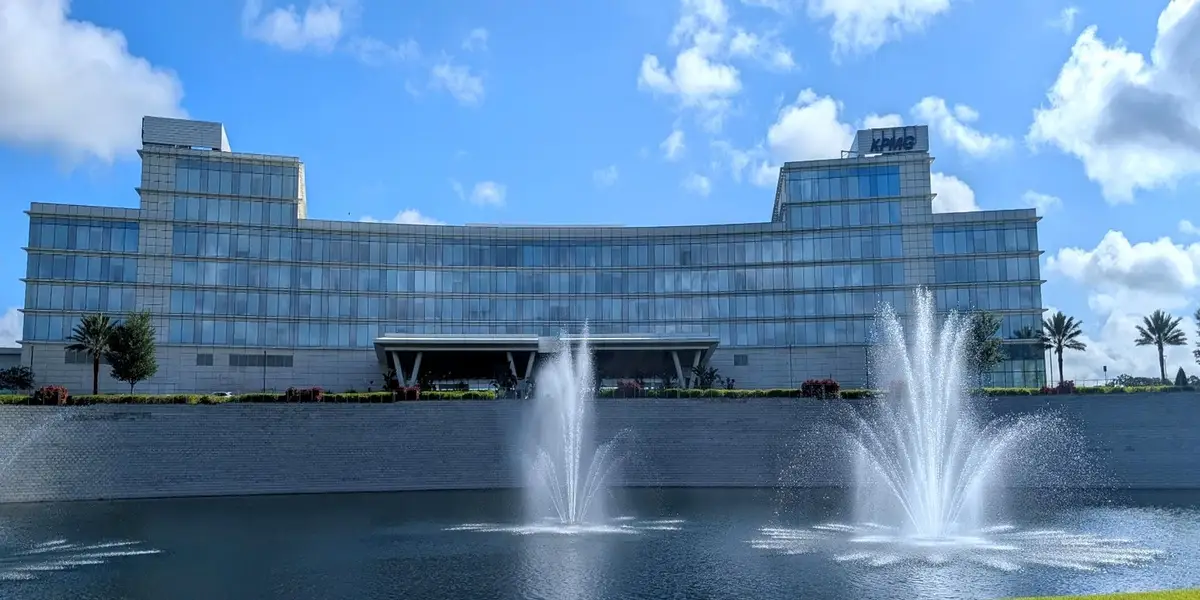
KPMG's $450 million Lakehouse in Florida is a state-of-the-art training and cultural hub designed to enhance employee development, foster collaboration, and improve retention, featuring amenities like classrooms, gyms, entertainment, and high-quality food, with positive employee feedback but concerns about cost and accessibility.
Anthropic CEO Dario Amodei criticizes Meta's $100 million AI talent poaching strategy, emphasizing his company's commitment to fair compensation principles and strong culture, which has resulted in higher employee retention and loyalty, contrasting with Meta's aggressive hiring tactics.
Companies are using ChatGPT to analyze employee meeting transcripts and detect signs of disengagement or potential resignation up to 18 months in advance, creating retention risk matrices to proactively address employee turnover, raising both innovative opportunities and privacy concerns.
Google is offering buyouts to certain teams and tightening its return-to-office policies to balance employee retention with the need for in-person collaboration, all while trying to retain top talent amid the competitive AI race and workforce challenges.
The share of returning employees, or boomerang hires, is increasing as companies prefer familiar workers during economic uncertainty, highlighting the importance of maintaining good relationships with previous employers and being strategic about job exits. This trend is especially prominent in the tech and media sectors, and both employers and employees are adapting to a more revolving door approach to employment.
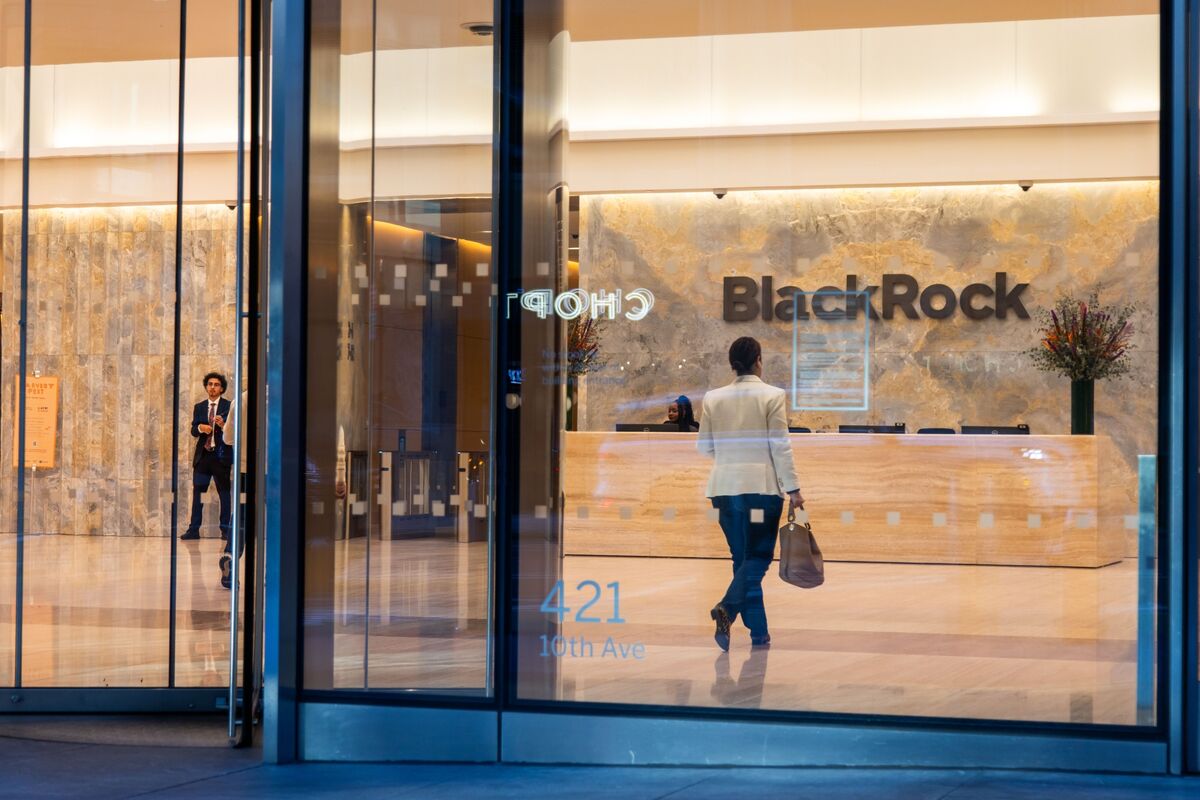
HPS Investment Partners is offering five-year vesting grants to its employees as an incentive to retain staff following its acquisition by BlackRock. The grants are designed to reward employees for their contributions and encourage long-term retention, as detailed in a letter to investors.
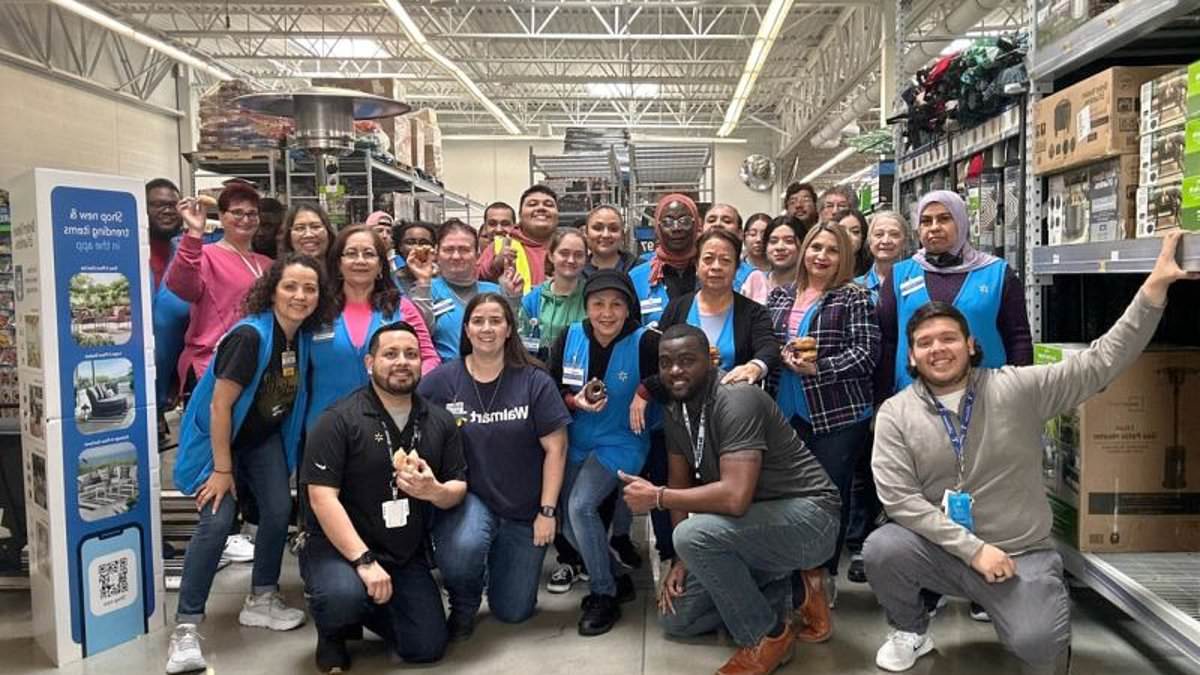
Walmart store manager Greg Harden reveals he could earn up to $530,000 annually under the company's revamped compensation scheme, which includes a base salary increase, stock grants, and performance-based bonuses. The overhaul aims to retain high-level employees and has reportedly improved retention and engagement among managers.
Companies are increasingly designing office spaces that are Instagrammable and visually appealing in order to attract and retain young talent. These "Envy Offices" combine the comforts of a living room with the glamour of a vacation, featuring colorful walls, upholstered furniture, and carefully curated coffee table books. The goal is to create spaces that employees want to share on social media, showcasing a fun and enjoyable workplace. However, some employees feel that these aesthetics mask inconvenient arrangements like hot desks and lack of privacy. As office design evolves with changing work norms, companies are using social media aesthetics to enhance their corporate image and retain employees.
Japanese developer-publisher Atlus is raising the annual salaries of its staff by 15 percent, aiming to attract global talent and retain current employees. The move comes in contrast to widespread layoffs and studio closures in the games industry. Atlus plans to revise its compensation structure and reinvest profits into game development and sales performance. Game developer salaries in Japan are considerably lower than in the US, with the average Japanese game developer earning about $35,000 USD, $55,000 USD less than their US counterparts.
The white-collar labor market is experiencing a softening trend, with companies facing an unexpected challenge of employees not voluntarily leaving their jobs, a situation that was unimaginable during the Great Resignation era.