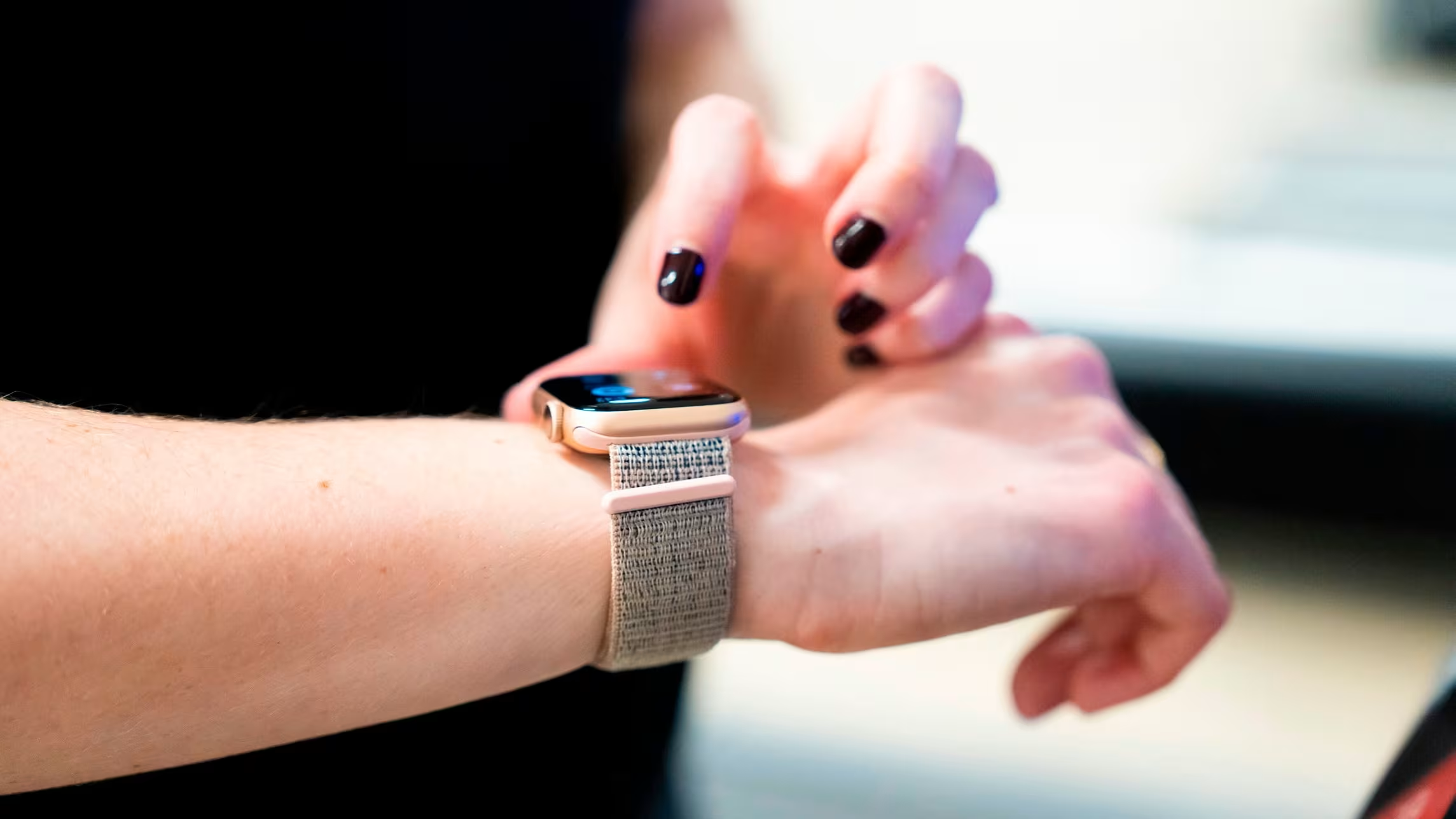
The article highlights the powerful features of the Apple Health app, emphasizing its integration with Apple Watch, third-party fitness trackers, medical records, and accessories to comprehensively monitor health metrics, organize data, and support healthier living in 2026.
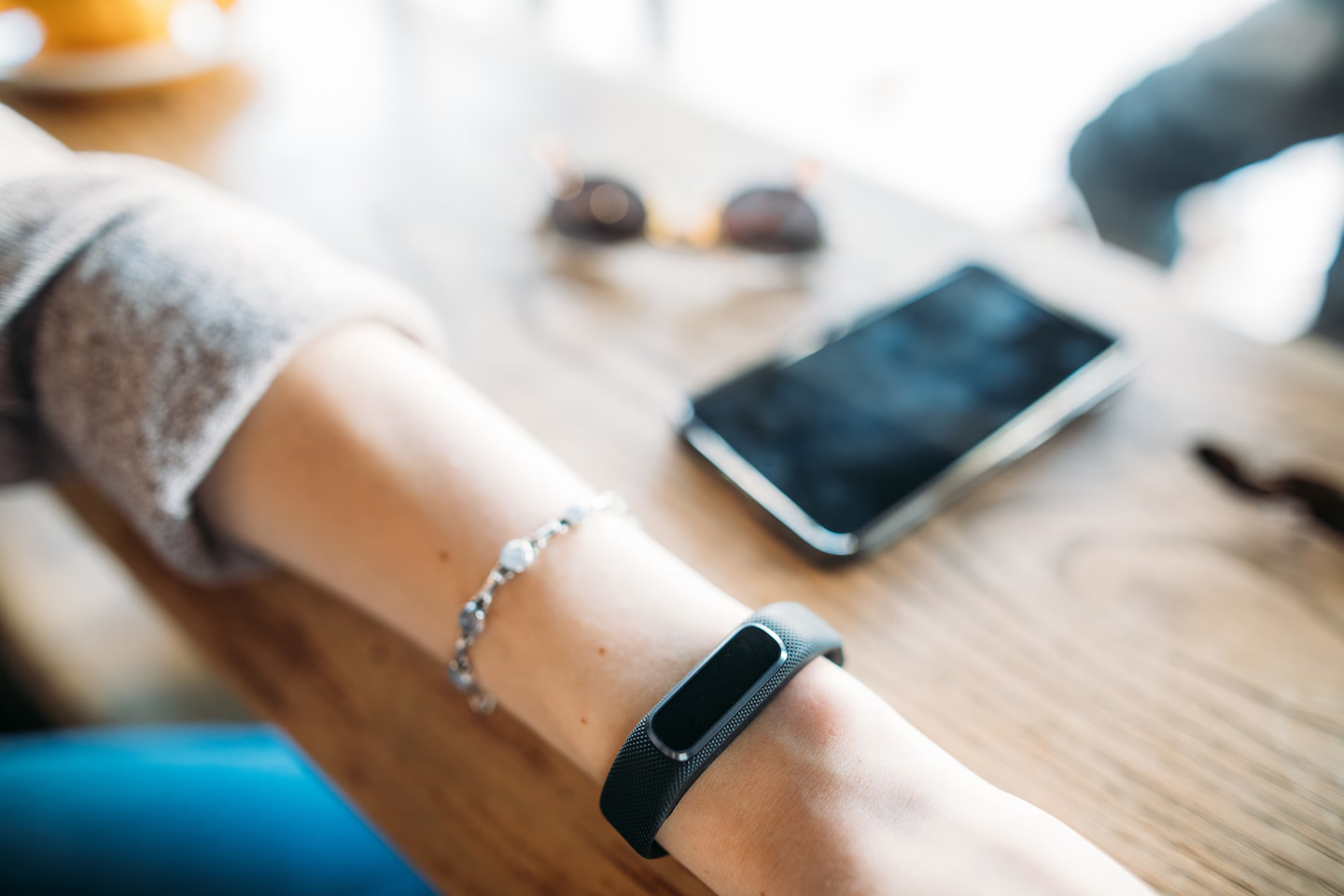
The article discusses the challenges and complexities of using step counts from wearable devices as a measure of physical activity and health, highlighting issues with accuracy, motivation, and the implications for public health data.
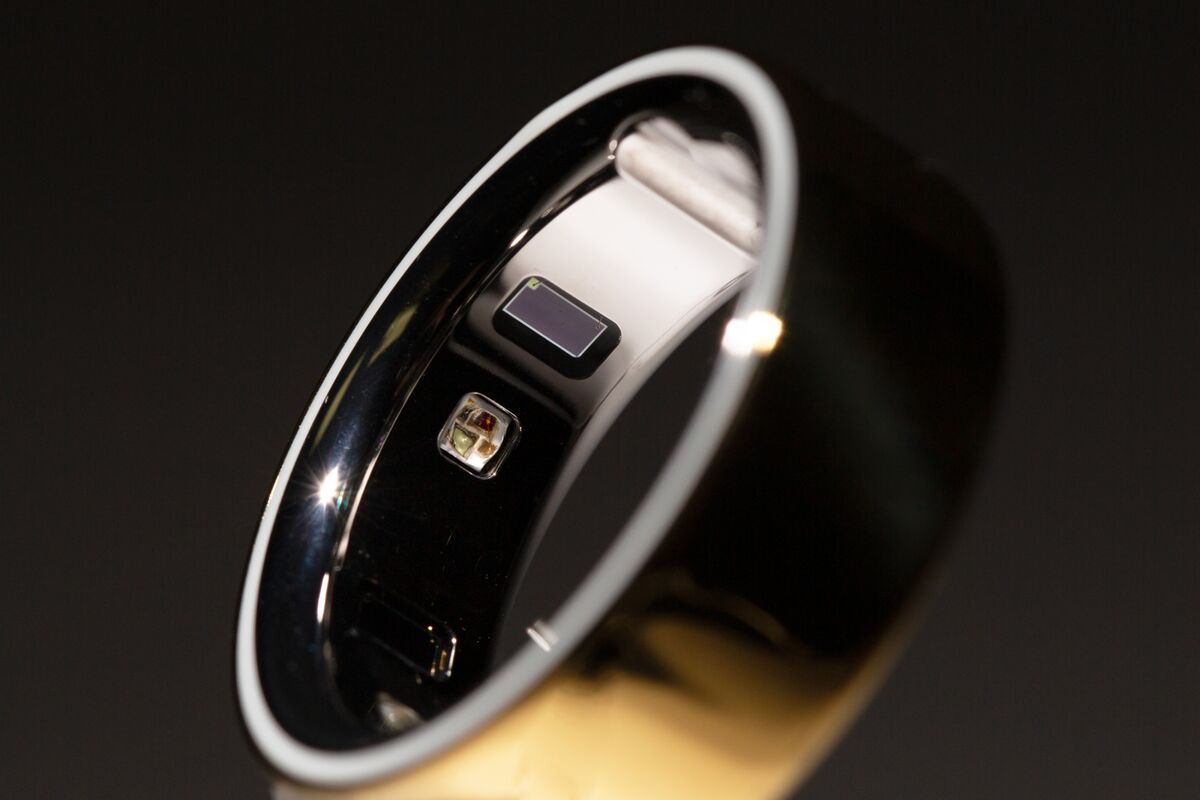
Oura Health plans to launch a study to develop a non-cuff blood pressure monitoring feature for its smart ring, aiming to detect early signs of hypertension passively and seeking FDA clearance, as part of a broader trend of integrating medical-grade health tracking into consumer wearables.
OpenAI is reportedly developing a range of AI-powered devices including a display-less smart speaker, glasses, a voice recorder, and a wearable pin, with plans to release them around 2026-2027, leveraging Apple’s supply chain and design expertise through a partnership with Jony Ive.
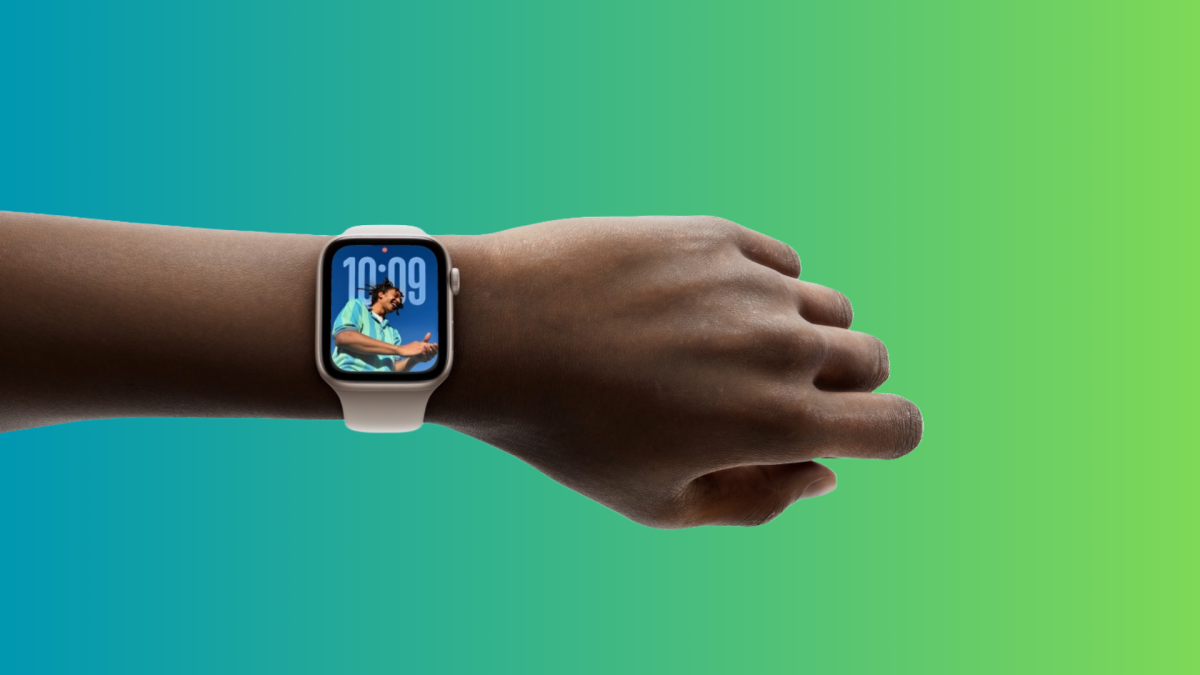
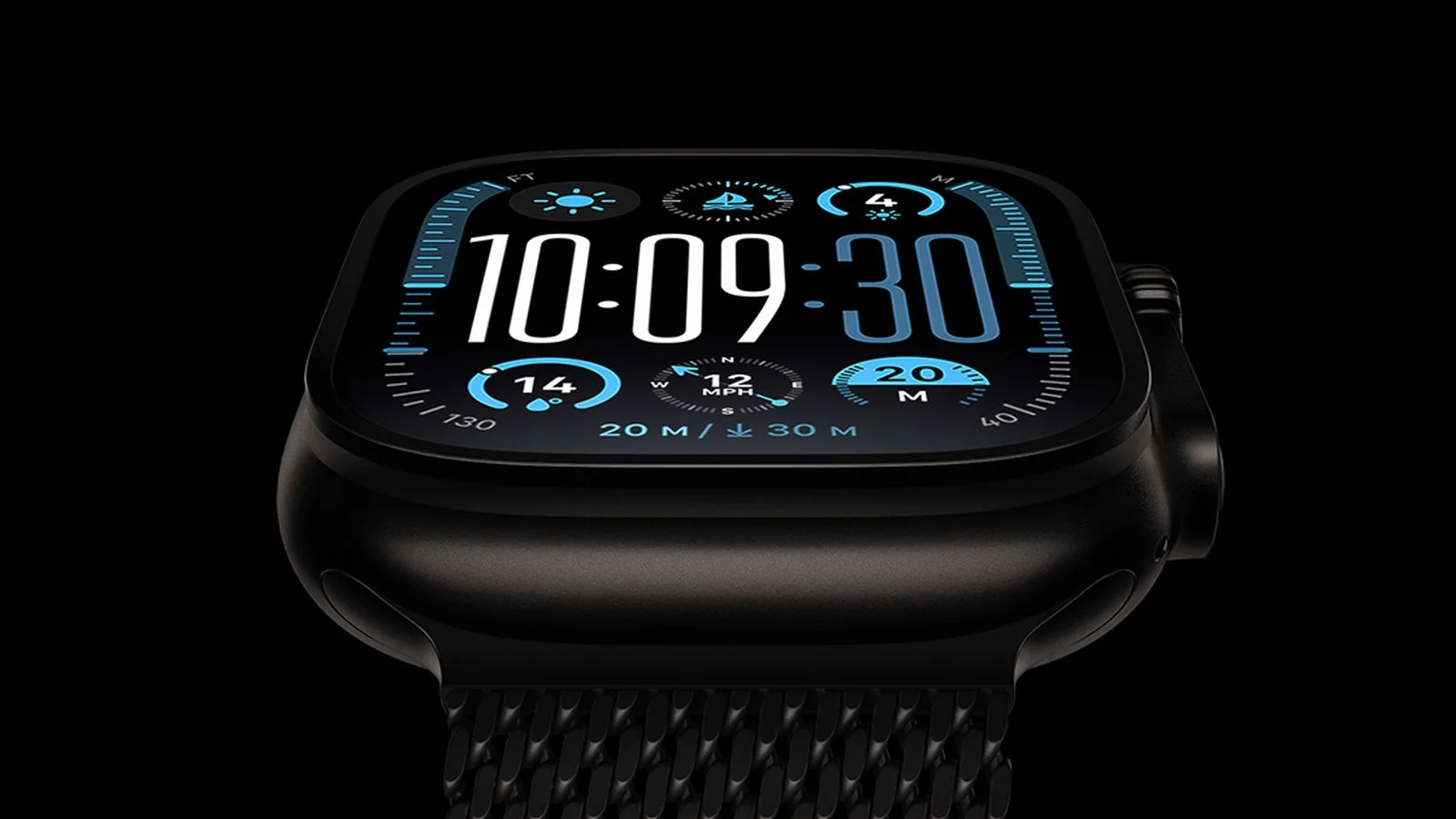
The article provides instructions on how to enable the new 'Wrist Flick' gesture feature in Apple's watchOS 26, enhancing user interaction with the Apple Watch.
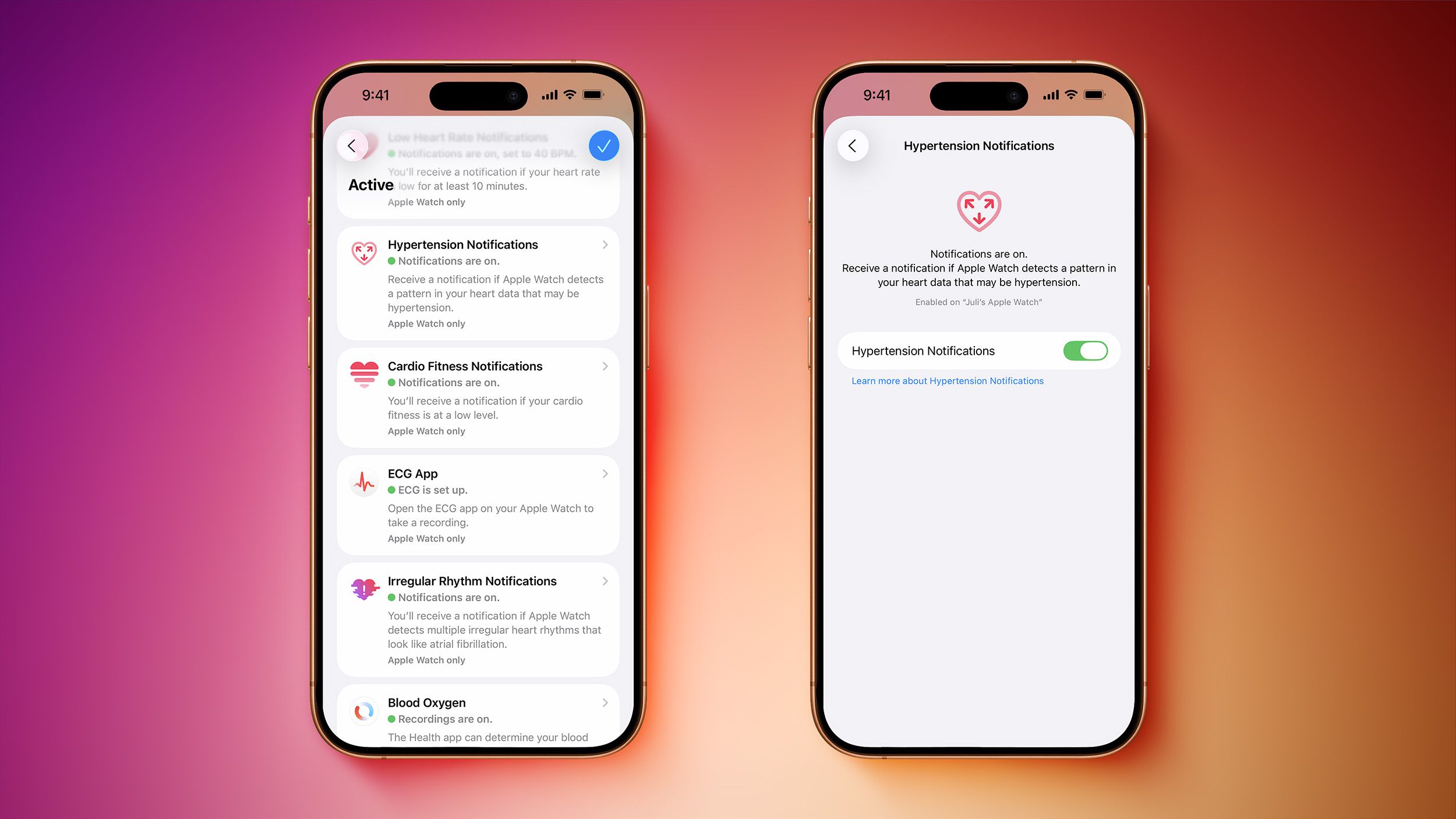
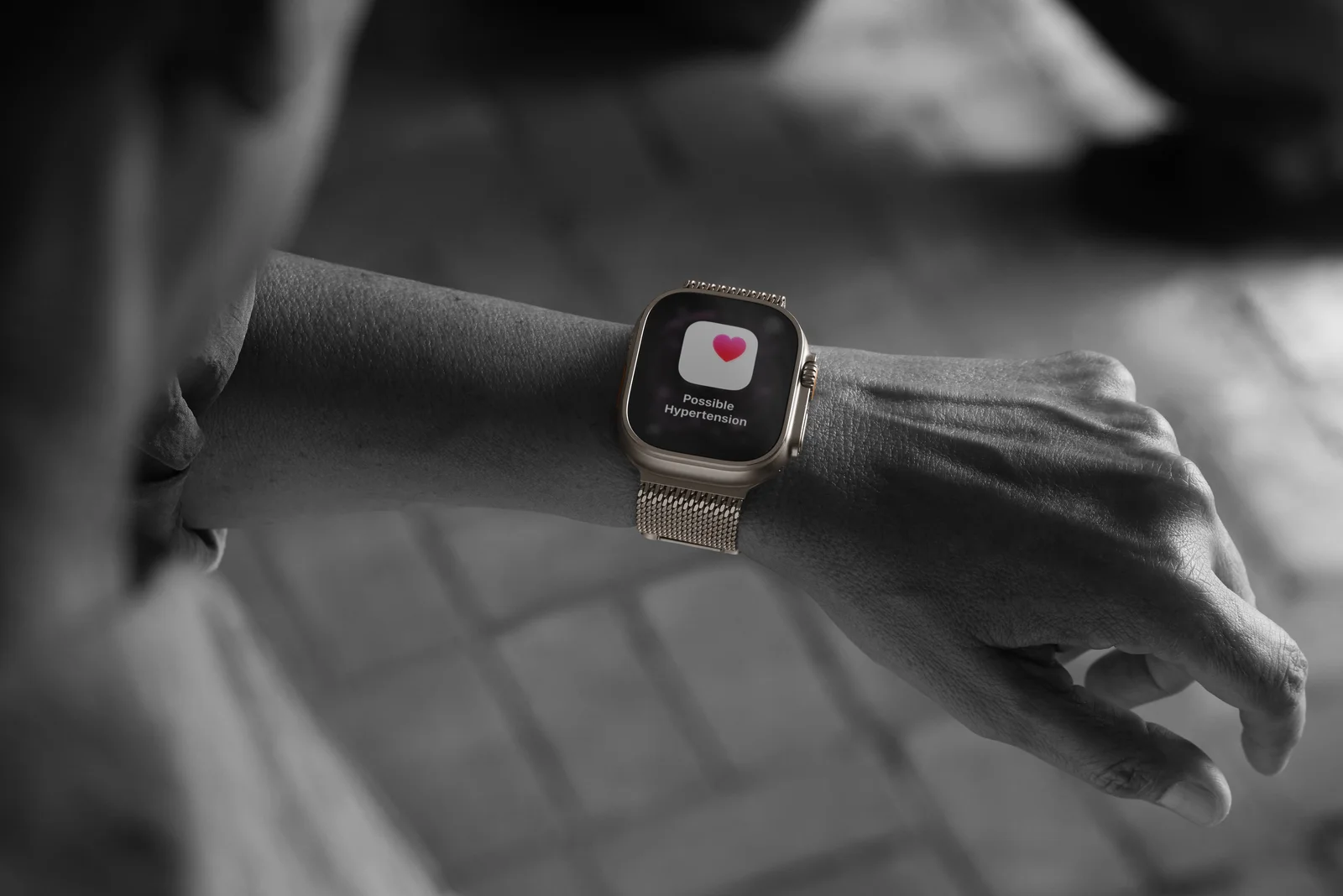
Apple Watch has introduced a new hypertension notifications feature that is now available, enhancing health monitoring capabilities for users at risk of high blood pressure.
Apple announced that its hypertension detection feature for the Apple Watch, approved by the FDA, will be available next week in 150 countries, using optical heart sensor data to monitor blood vessel response and alert users to potential high blood pressure, expanding its health-focused features amid increasing competition.
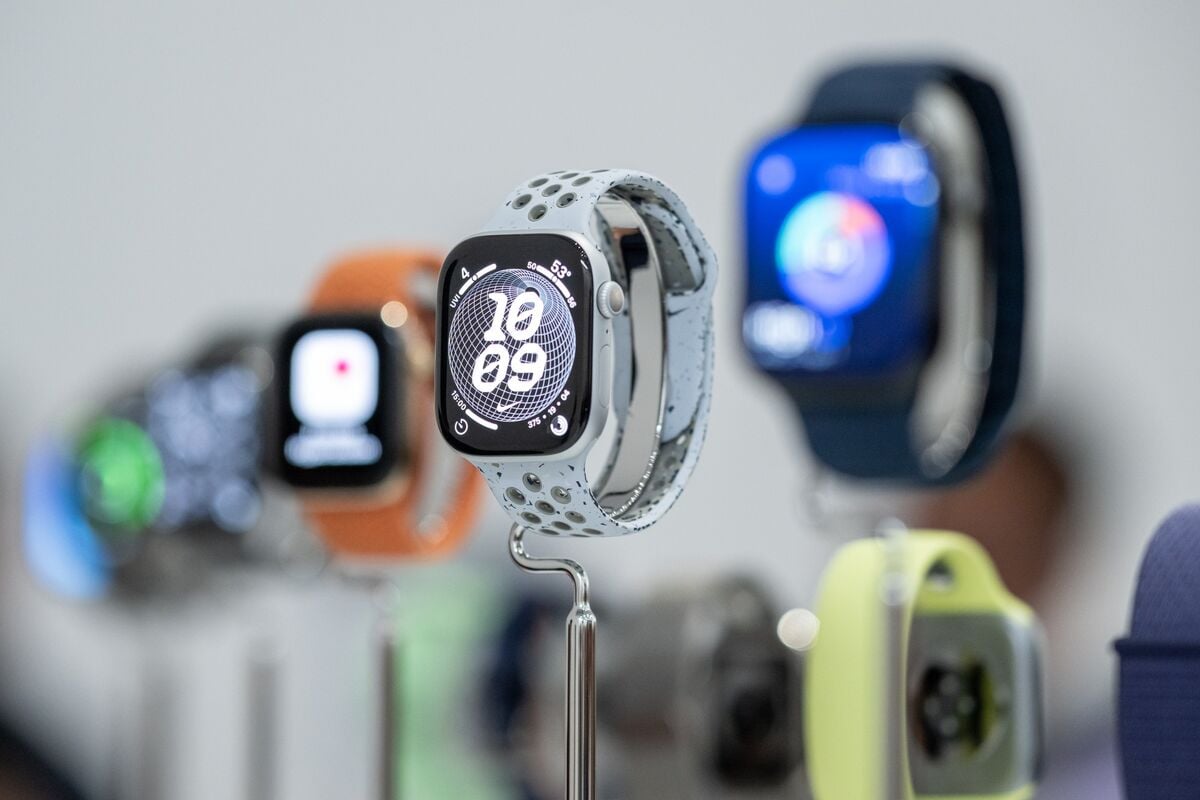
Older models of Apple Watch will soon feature hypertension alerts, enhancing health monitoring capabilities for users, especially benefiting those at risk of high blood pressure.
Nathan Xu's bootstrapped company Plaud has sold over 1 million AI recording devices, like the NotePin, which transcribe and summarize conversations, targeting professionals such as doctors and lawyers. The company is profitable, with projected $250 million annual revenue, and has avoided VC funding, focusing on international markets and ethical use. Xu envisions a future where wearable AI devices are ubiquitous, surpassing smartphones in popularity, and aims to build a significant valuation through expanding its AI tools and hardware.
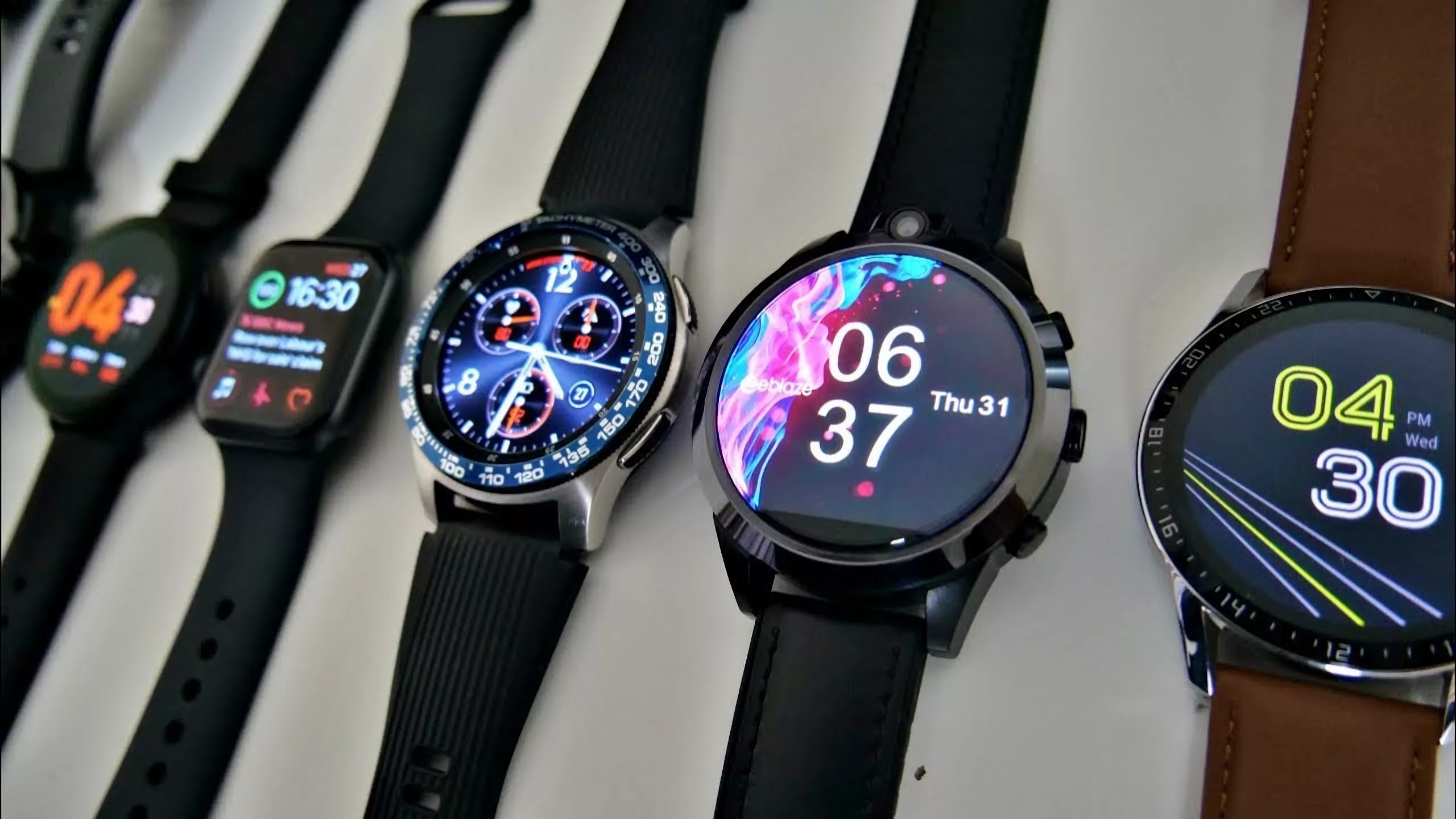
A Dutch study found that smartwatches and wearable devices have little to no correlation with actual stress levels reported by users, making them unreliable for measuring stress, though they may still be somewhat useful for sleep tracking and potential depression warning systems.
A study published in Science Advances demonstrates that wearable devices like Fitbits can effectively predict postoperative complications in children recovering from surgery, with a 91% sensitivity, by monitoring activity and biorhythms, potentially improving postoperative care and early intervention.
Samsung is exploring new AI-powered wearable devices, including earrings, necklaces, glasses, rings, and watches, aiming to create discreet, hands-free communication tools that complement smartphones. This initiative is part of a broader industry trend towards innovative AI consumer electronics, with Samsung focusing on devices that are worn rather than carried, although these products may remain prototypes for now.
A new Apple-backed AI model, called the Wearable Behavior Model (WBM), analyzes behavioral data from Apple Watch to predict health conditions more accurately than traditional sensor-based methods, demonstrating the potential for advanced health monitoring through wearables.