The Pacific Northwest is experiencing an influx of climate migrants fleeing environmental risks like droughts, wildfires, and flooding in other regions, prompting experts to advise the area to prepare for population growth and increased climate resilience, emphasizing community strength as a key factor.
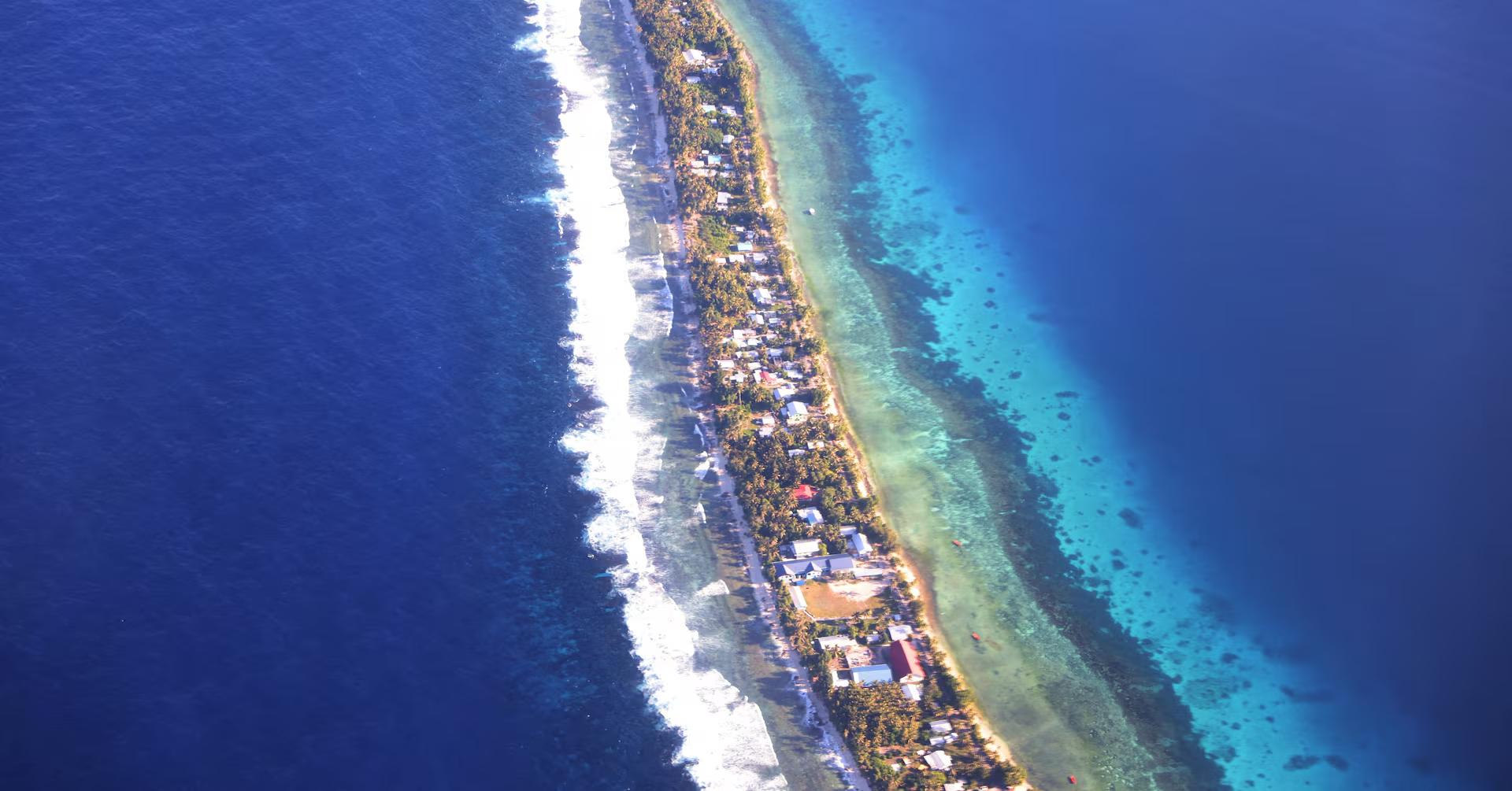
Over a third of Tuvalu's population has applied for climate visas to Australia due to rising sea levels threatening their homeland, with applications reaching over 4,000 under a bilateral treaty, highlighting urgent climate migration issues.
Abrahm Lustgarten's new book "On The Move: The Overheating Earth And The Uprooting of America" discusses the impact of climate change on the lives of many people, causing them to reconsider where they live. He explores how climate migration will reshape the United States as millions of people move to escape rising seas, wildfires, drought, and extreme heat. The book also delves into the economic implications of climate migration and the challenges faced by communities affected by climate change, such as declining agricultural productivity and coastal flooding.
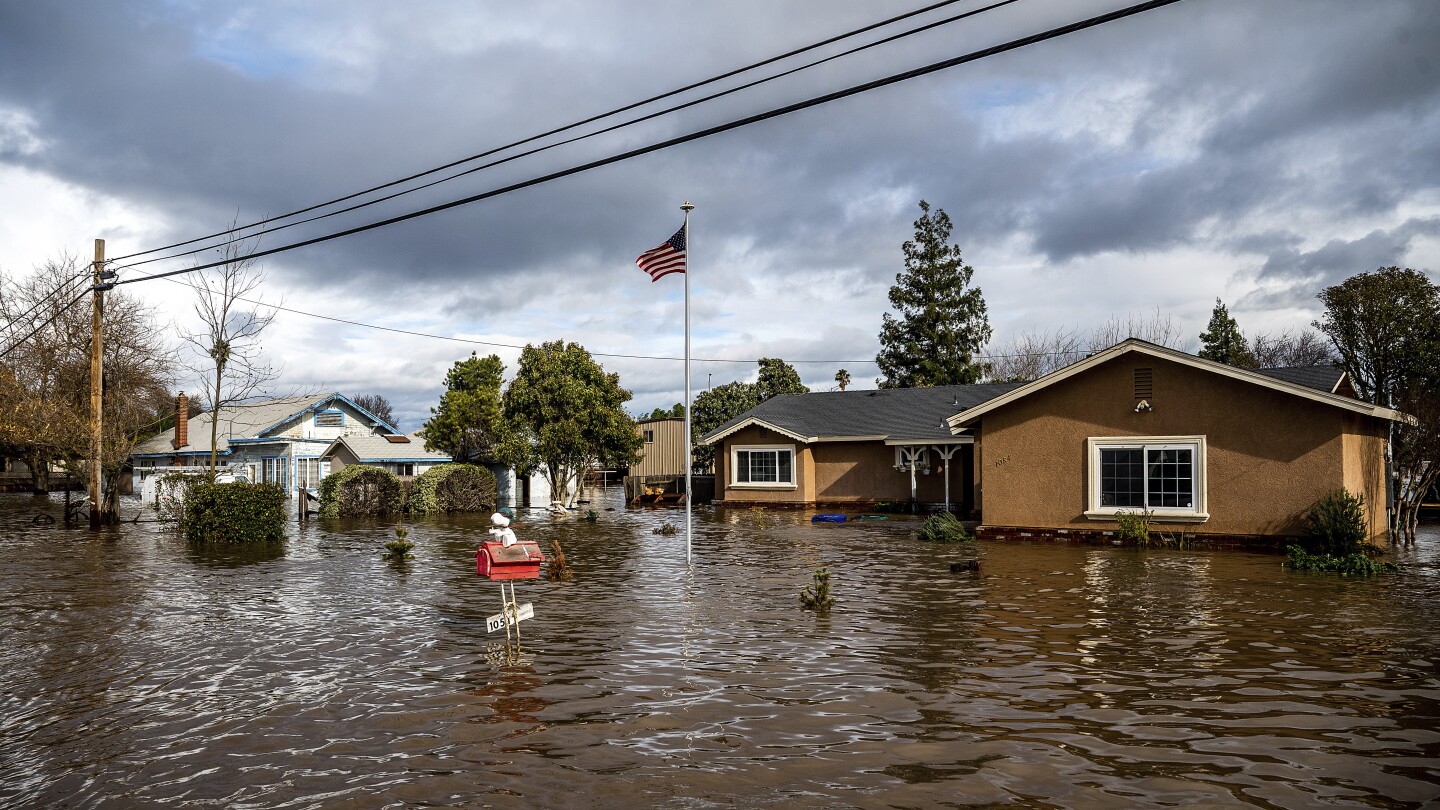
A new analysis by the First Street Foundation reveals that approximately 3.2 million Americans have been forced to relocate within the U.S. due to the increasing risks of flooding and other climate change-related effects. These "climate abandonment areas" have experienced population decline between 2000 and 2020, with many of them located in Sun Belt states like Florida and Texas. The study also highlights the economic consequences of such migration, including declining property values and local services. Surprisingly, Midwestern states like Illinois, Indiana, Michigan, and Ohio are projected to face high risks of climate migration in the future, as coastal areas remain attractive despite climate risks.
Flooding caused by climate change is driving millions of people to move out of their homes, impacting both prosperous and declining communities across the United States. A study by First Street Foundation reveals that in the first two decades of the 21st century, over 7 million people avoided or abandoned risky areas due to the threat of flooding. Climate change is intensifying hurricanes and increasing rainfall, leading researchers to predict that millions more will choose to relocate in the coming decades. The study also highlights the winners and losers at the neighborhood level, with flood-prone areas experiencing population decline while safer cities like Chicago are expected to attract more residents.
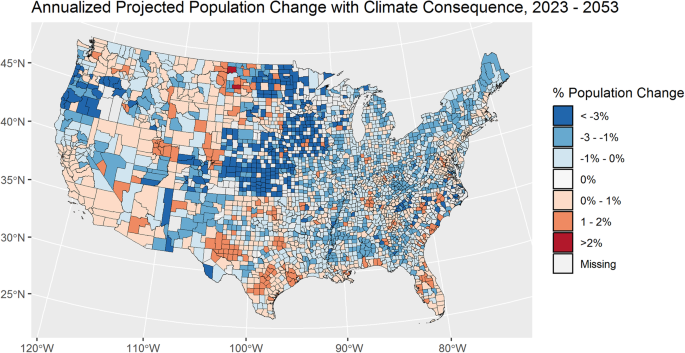
Integrating climate change-induced flood risk into future population projections is crucial for understanding the impact of flood exposure on population growth. Research shows that areas with high flood exposure experience slower or negative population growth compared to areas with lower exposure. The study highlights the need for high-resolution data to capture localized impacts and reveals that while larger areas with high flood exposure may be growing, smaller areas within those regions may be driving the growth. The findings emphasize the importance of considering flood risk in population projections and planning for climate change adaptation.
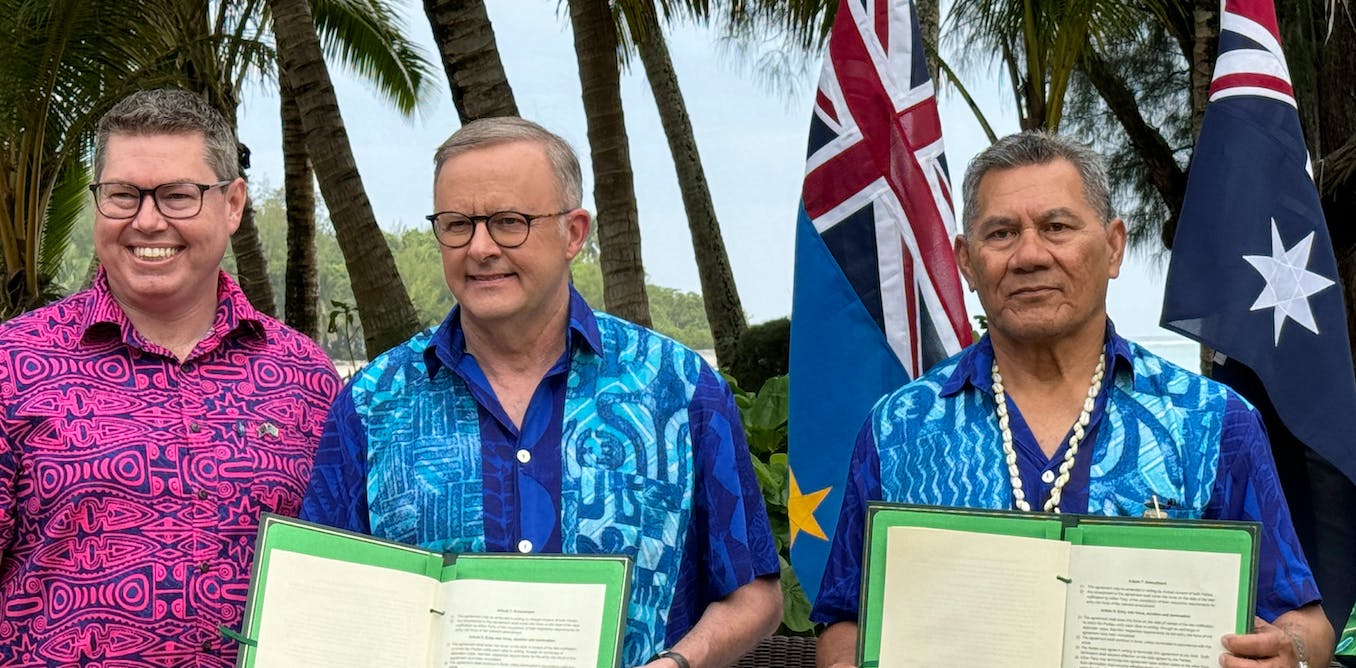
Australia has signed a groundbreaking treaty with Tuvalu, offering migration pathways for Tuvaluans facing the existential threat of climate change. Under the treaty, up to 280 Tuvaluans per year will be able to migrate to Australia, granting them access to education, healthcare, and family support. This is the world's first bilateral agreement on climate mobility and is seen as a significant step in providing assistance to Pacific communities affected by climate change. The treaty could pave the way for similar mobility pathways across the region and a broader regional scheme in the future.
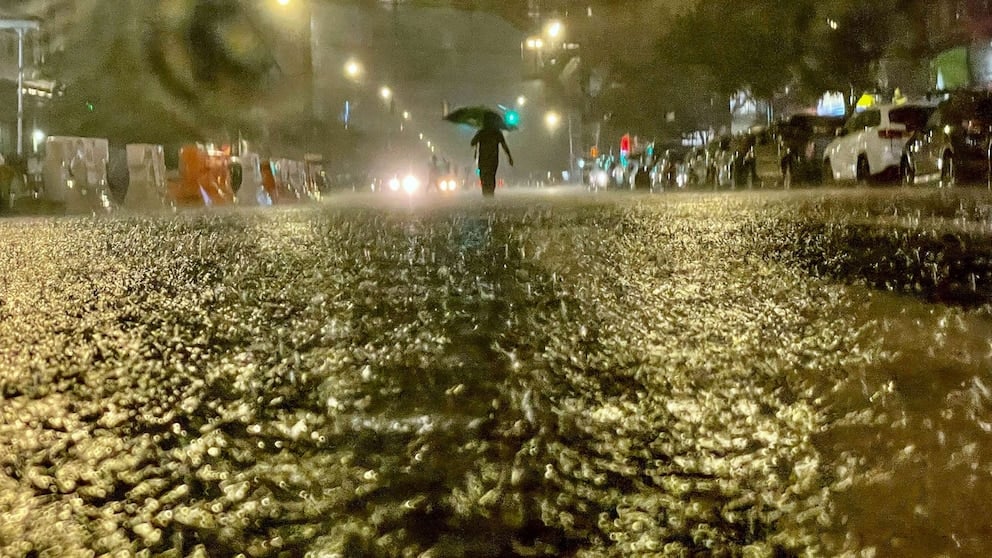
Large cities, including New York City, are at the forefront of climate change, with urban populations being particularly vulnerable to the impacts of extreme heat and flooding. Heat waves pose a threat to city dwellers, especially those in disadvantaged communities without access to air conditioning. Flooding, exacerbated by rising sea levels and changing storm patterns, is becoming increasingly common in coastal cities. Both heat waves and flooding have significant impacts on public health, infrastructure, and the economy. Cities need to implement climate resiliency strategies to protect their residents, but many face challenges in terms of resources and funding. Climate migration may become more prevalent as people seek housing in safer areas further inland.