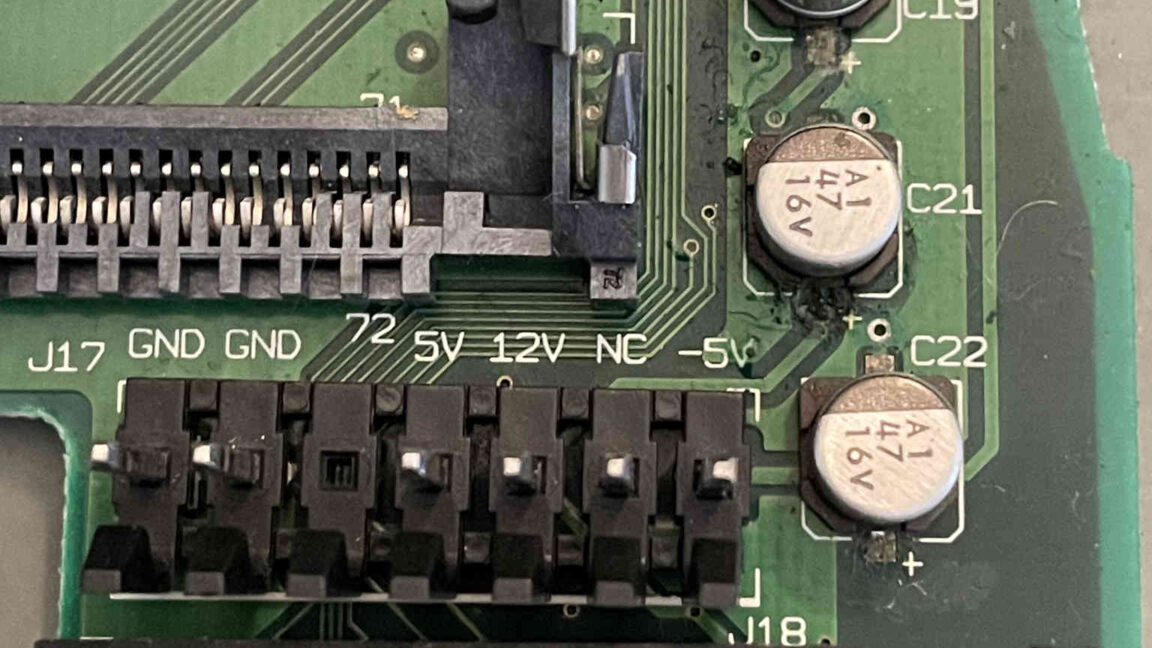
Hobbyists have discovered that a capacitor in the mid-90s Macintosh LC III was installed incorrectly, likely due to a design oversight by Apple. This issue went largely unnoticed because the capacitor's function was limited and it was initially rated to handle the voltage. Hobbyists like Brown are now warning others to install the capacitor correctly during repairs to avoid damage. Modern restorers often use tantalum capacitors, which are more sensitive to incorrect voltage. A reverse-engineered schematic is available for those needing to replace damaged boards.
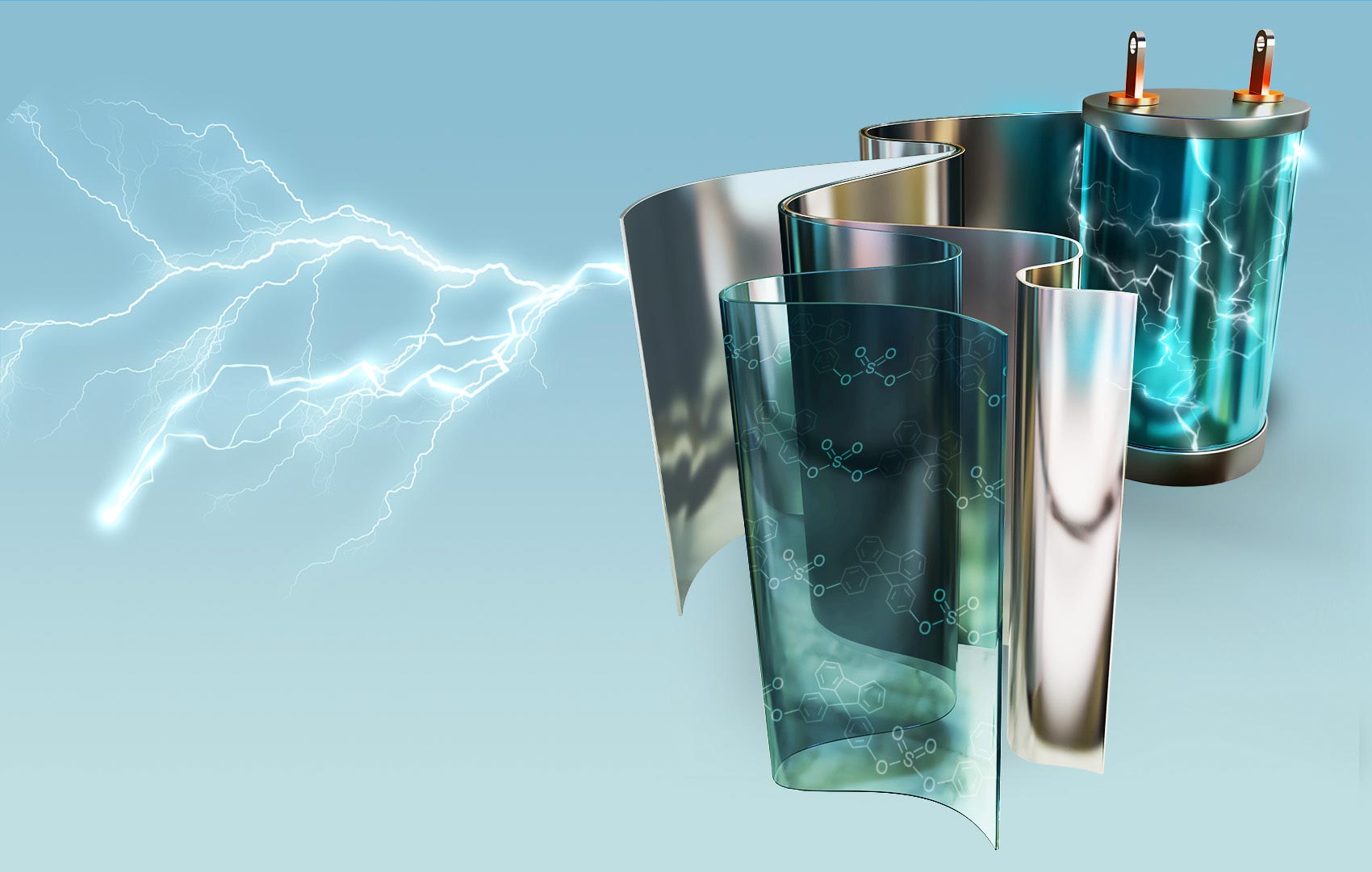
Researchers at the Department of Energy's Lawrence Berkeley National Laboratory and Scripps Research have developed a new polymer-based device for energy storage that can handle record amounts of energy while withstanding extreme temperatures and electric fields. The device utilizes a new class of electrically robust polymers synthesized via a next-generation version of the Nobel-winning "click chemistry" reaction. These polymers, called polysulfates, exhibit excellent dielectric properties, making them strong contenders for state-of-the-art polymer dielectrics. The capacitors made with these materials have shown enhanced energy storage performance, mechanical flexibility, and the ability to withstand high electric fields and temperatures. This breakthrough could lead to improved energy efficiency and reliability in applications such as electric vehicles and renewable energy systems.
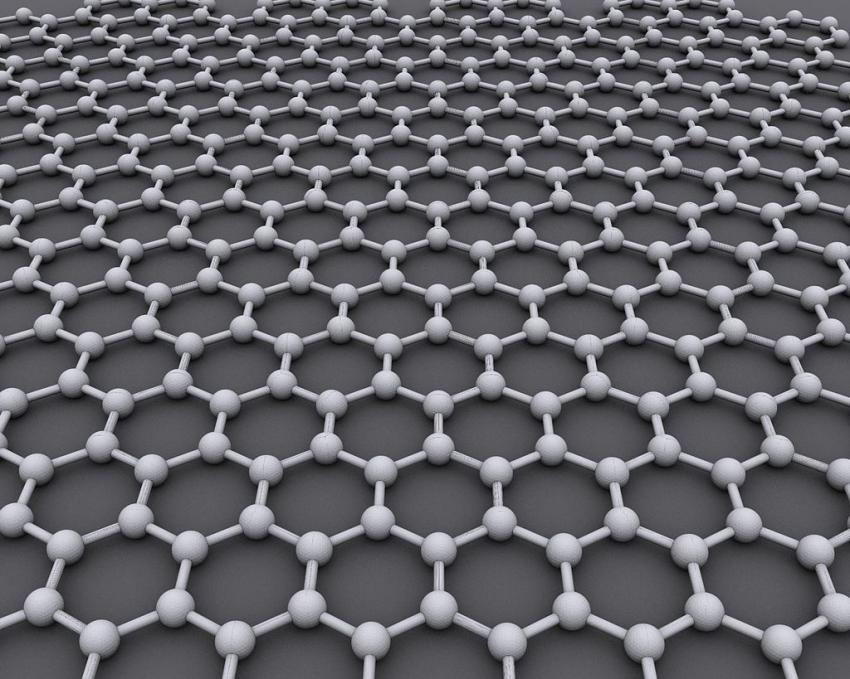
Scientists have designed a novel nonlinear circuit that harnesses clean power using graphene. The study demonstrates that thermal fluctuations of freestanding graphene, when connected to a circuit with diodes having nonlinear resistance and storage capacitors, can produce useful work by charging the storage capacitors. The researchers found that the system satisfies the laws of thermodynamics and that larger storage capacitors yield more stored charge. This breakthrough paves the way for the development of graphene energy harvesters that can gather energy from the heat of the earth and store it for later use, offering a new source of power that does not require a temperature gradient.
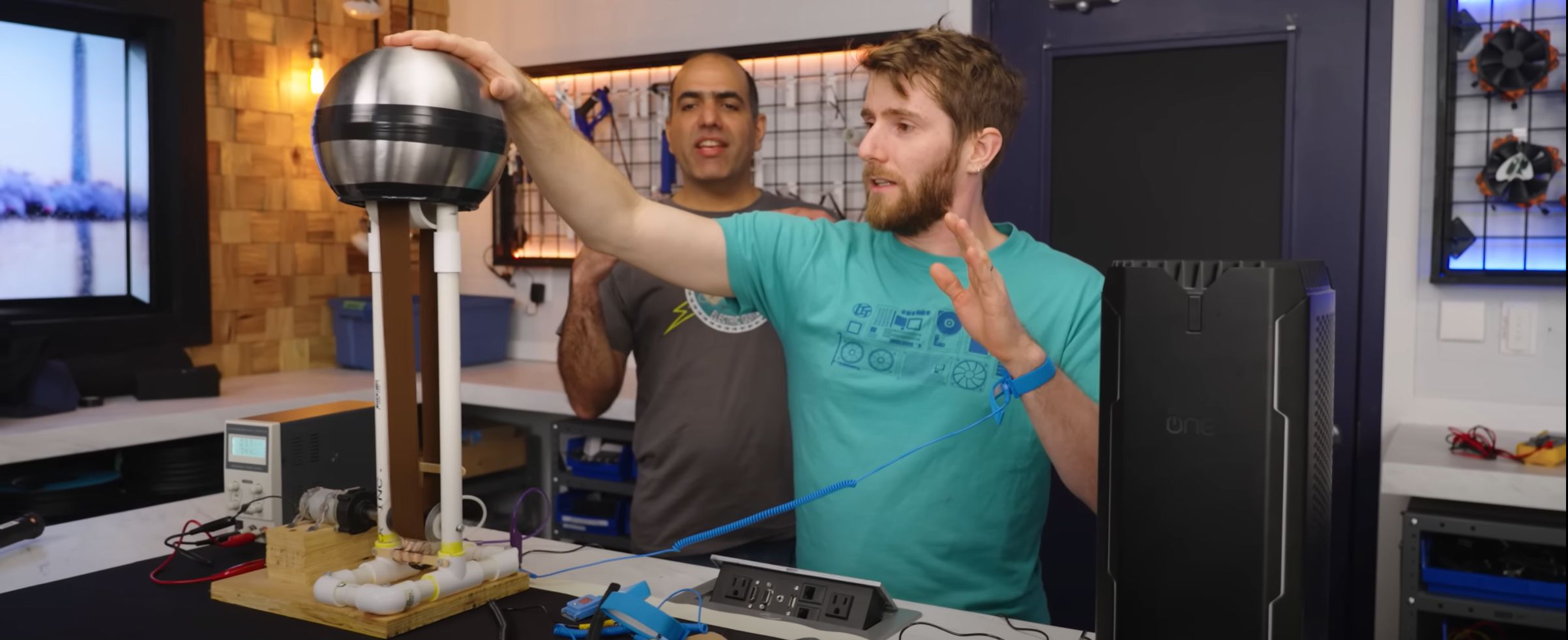
Linus Tech Tips and ElectroBOOM collaborated to test wireless ESD wrist straps, which are supposed to dissipate electrostatic discharge into the ether. The video demonstrates that wireless ESD straps are a scam and do not work, while real ESD straps are effective in preventing electrostatic discharge. The video also explains the reason for the resistor in an ESD strap and why metal bracelet type ESD straps are not appropriate.