Tag

Pollinators

All articles tagged with #pollinators

Crop Chemicals Alter Behavior in Bees and Fish

Originally Published 2 months ago — by Phys.org

Featured image for Crop Chemicals Alter Behavior in Bees and Fish
Source: Phys.org

A study by UFZ scientists found that crop chemicals like fungicides, herbicides, and insecticides cause significant behavioral changes in honeybees and zebrafish, even at environmentally relevant low concentrations, suggesting the need for more complex behavioral testing in chemical risk assessments to better protect non-target organisms and biodiversity.

56 Million Years Ago: Rapid Warming and Its Impact on Pollinators

Originally Published 4 months ago — by Space

Featured image for 56 Million Years Ago: Rapid Warming and Its Impact on Pollinators
Source: Space

A study of 56 million-year-old fossil pollen reveals that during a rapid global warming event, pollination shifted from wind to animal pollination, with plants from dry tropical regions expanding poleward, offering insights into how ecosystems respond to climate change and the importance of rate of change for survival.

Urban Green Spaces Essential for Pollinator Conservation

Originally Published 5 months ago — by The Guardian

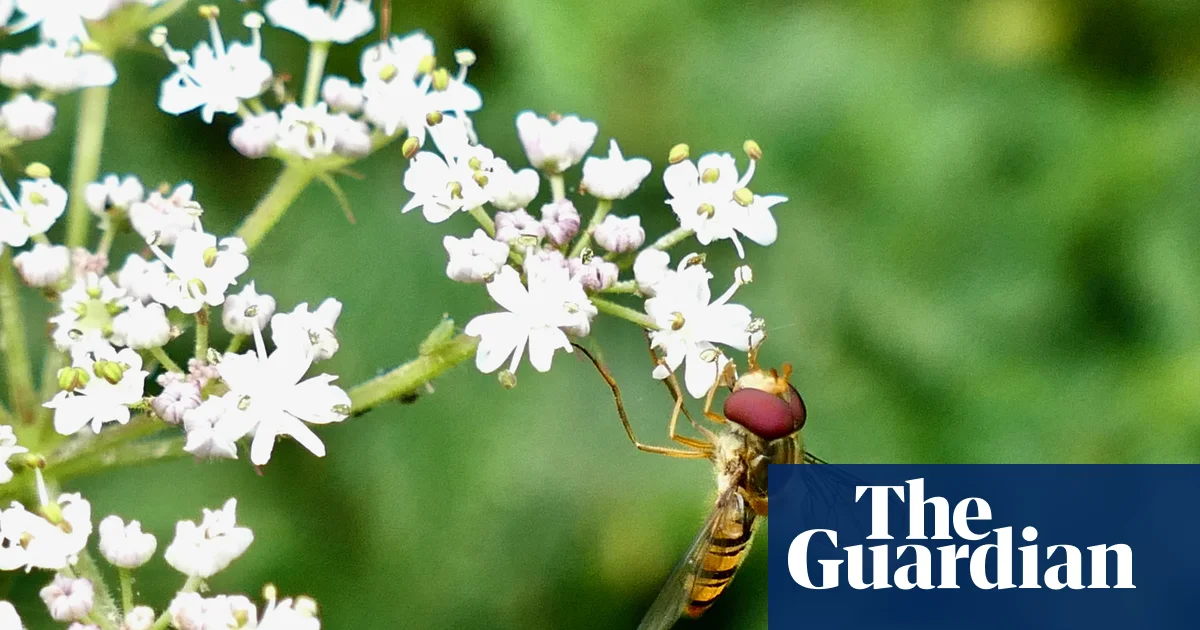
Featured image for Urban Green Spaces Essential for Pollinator Conservation
Source: The Guardian

Research in UK cities shows urbanization significantly reduces pollinator diversity, especially moths and hover flies, which are more sensitive than bees. To support these vital insects, gardeners are encouraged to create diverse habitats and collaborate with neighbors to form larger ecological networks, helping urban ecosystems thrive.

Farm Fungicide Linked to Insect Decline

Originally Published 6 months ago — by Phys.org

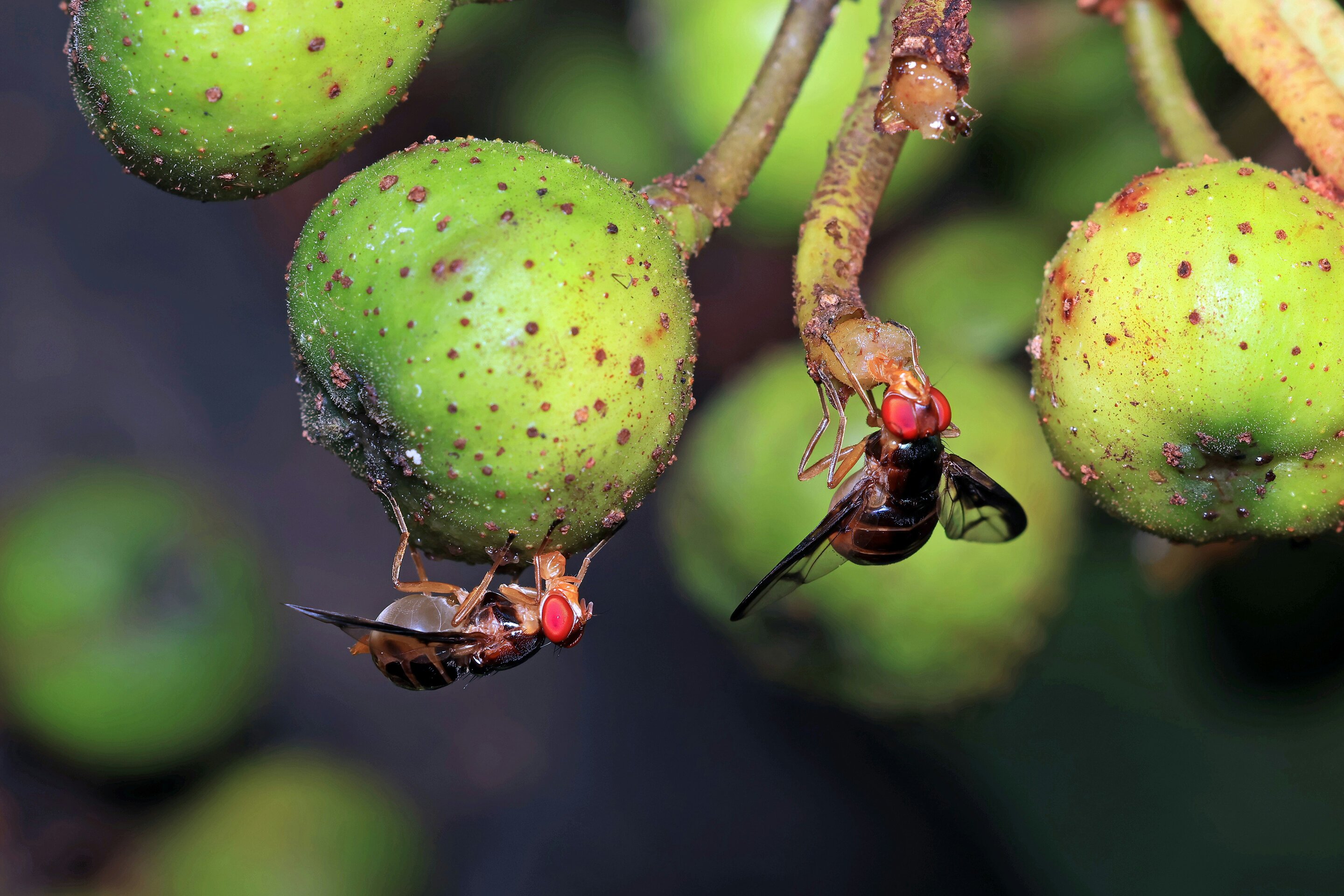
Featured image for Farm Fungicide Linked to Insect Decline
Source: Phys.org

Research shows that the widely used fungicide chlorothalonil, common in Australian agriculture, significantly harms beneficial insects like fruit flies even at low levels, potentially contributing to the global insect decline known as the 'insect apocalypse.' The study highlights the need for more sustainable farming practices and further research on chemical impacts on non-target species.

Deadheading Bee Balm for Continuous Summer Blooms

Originally Published 7 months ago — by Homes and Gardens

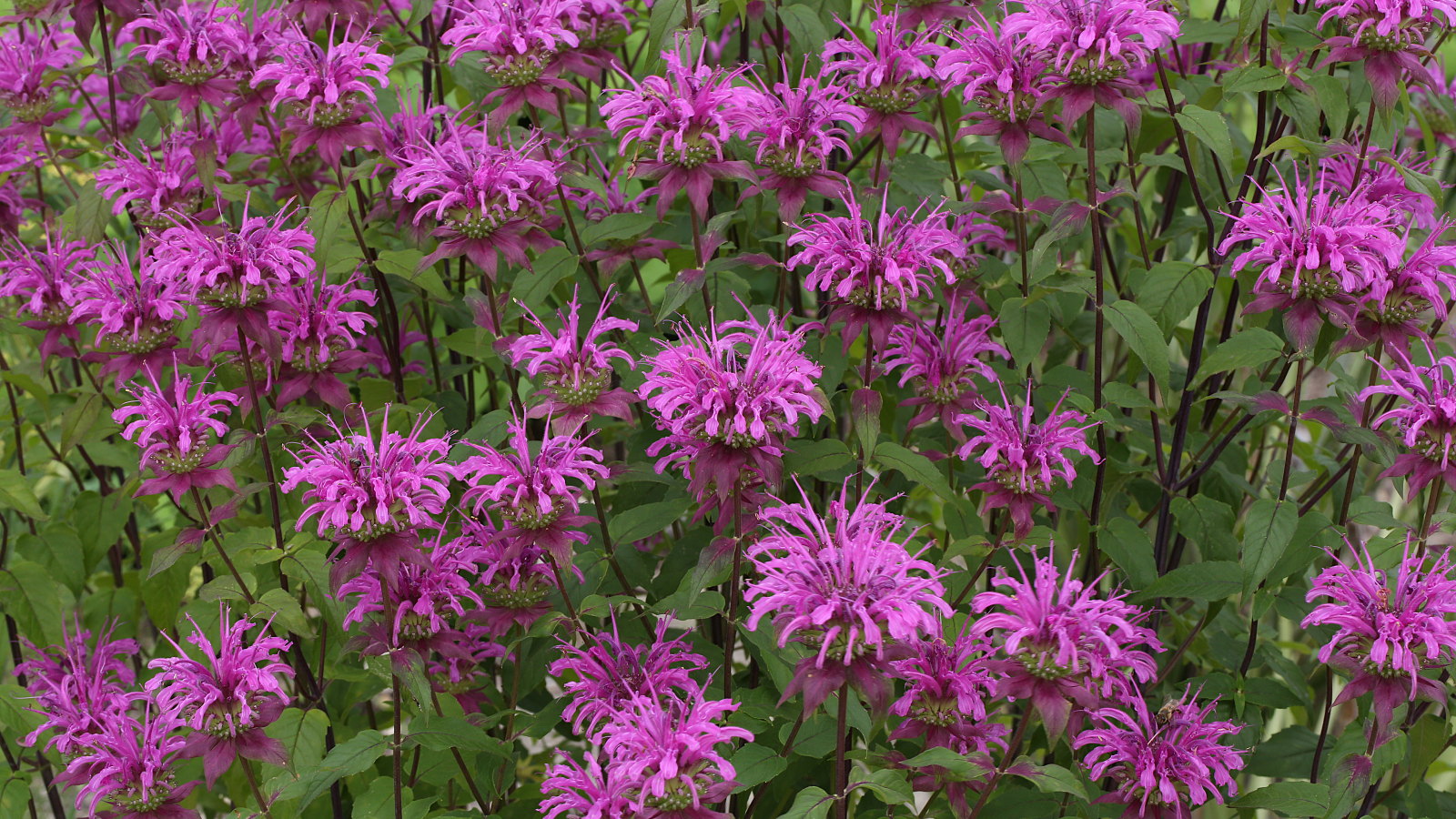
Featured image for Deadheading Bee Balm for Continuous Summer Blooms
Source: Homes and Gardens

Deadheading bee balm throughout the summer prolongs its blooming period, keeps the plant neat, and promotes healthier growth by redirecting energy from seed production to new flower buds. It is best to deadhead regularly once flowers fade, using sharp pruning shears, and can also help prevent powdery mildew and unwanted reseeding. The process is simple and can be incorporated into regular garden maintenance for more vibrant and extended blooms.

Urban Wildflower Patches Rival Natural Meadows for Insect Support

Originally Published 1 year ago — by The Guardian

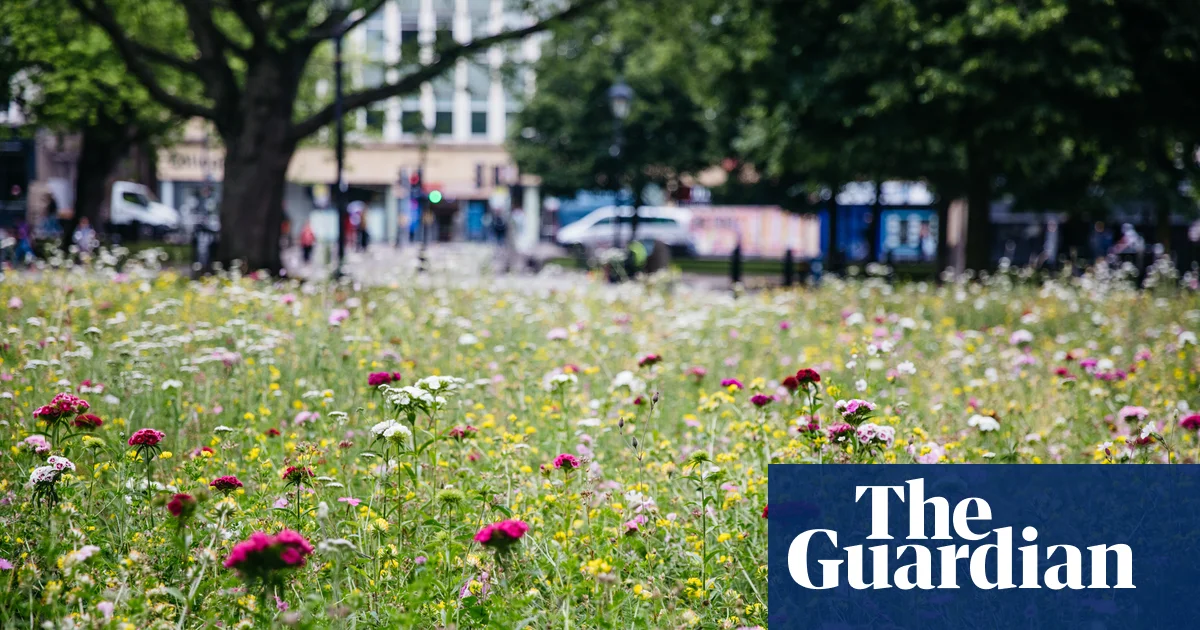
Featured image for Urban Wildflower Patches Rival Natural Meadows for Insect Support
Source: The Guardian

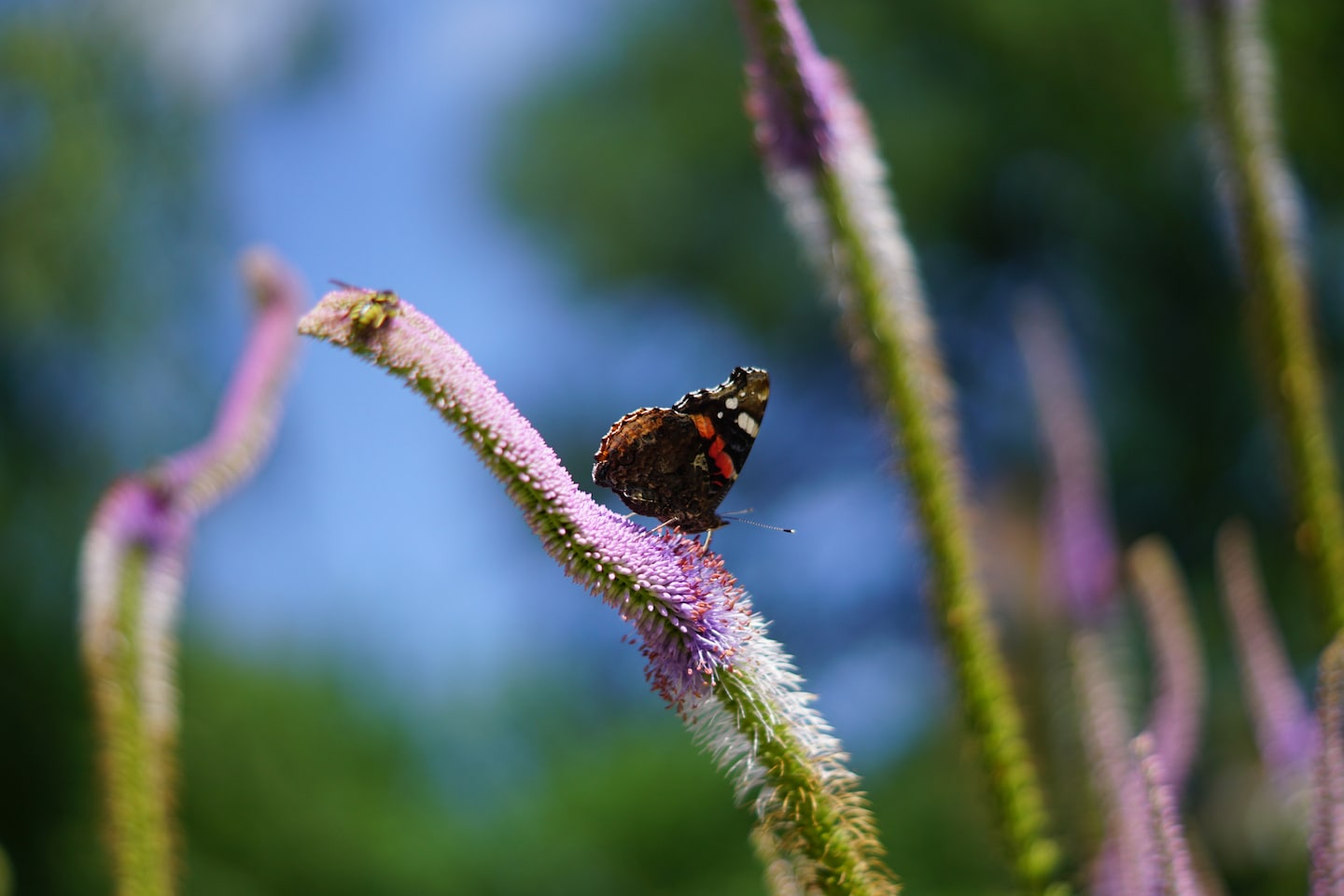
A study from Warsaw University, published in Ecological Entomology, reveals that small urban wildflower patches can support pollinators like butterflies, bees, and hoverflies as effectively as natural meadows. Despite fewer butterflies in urban areas, the diversity of species remains comparable, suggesting that urban wildflower meadows can help mitigate insect decline and enhance biodiversity in cities.

The Environmental Impact of Bees Killed by Cars

Originally Published 1 year ago — by New York Post

Featured image for The Environmental Impact of Bees Killed by Cars
Source: New York Post

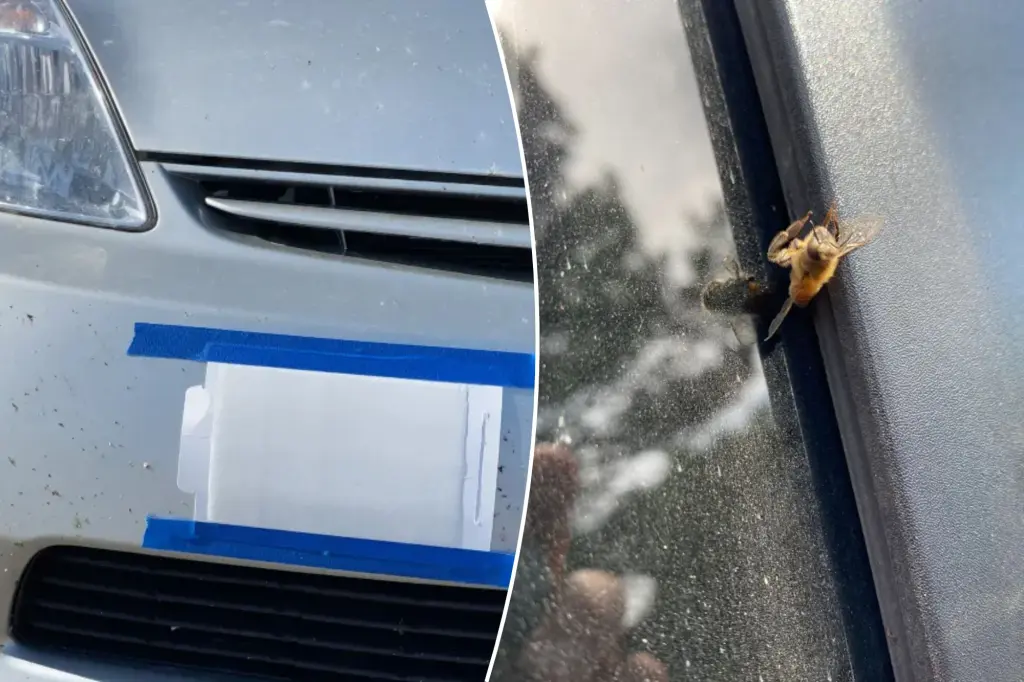
A new study published in the journal Sustainable Environment reveals that millions of bees are killed annually by cars in the U.S., posing significant threats to the environment and economy. Researchers in Utah used sticky traps on car bumpers to estimate bee casualties, finding that a single 230-mile trip could kill up to 175 bees. With bees being crucial pollinators for about a third of the world's food supply, their declining populations, exacerbated by road collisions, could have severe ecological and economic consequences. The study suggests planting vegetation on road sides rather than medians to help mitigate bee deaths.

"Native Plants vs. Cultivated Siblings: Pollinator Preferences Revealed"

Originally Published 1 year ago — by The Washington Post

Featured image for "Native Plants vs. Cultivated Siblings: Pollinator Preferences Revealed"
Source: The Washington Post

Researchers are studying the impact of nativars, cultivated variations of native plants, on pollinators. Studies have shown that while some nativars are equally attractive to pollinators, others are noticeably snubbed. Factors such as nectar quantities, flower color, and flowering time play a role in pollinator preferences. Nativars generally score well, but native species with greater genetic diversity are crucial for the survival of plant and insect populations, especially in the face of climate change. Nativars can still fill a niche, particularly for urban gardeners, but prioritizing native species is essential for maintaining biodiversity and environmental resilience.

The Impact of Air Pollution on Flower Scents and Pollinators

Originally Published 1 year ago — by New York Post

Featured image for The Impact of Air Pollution on Flower Scents and Pollinators
Source: New York Post

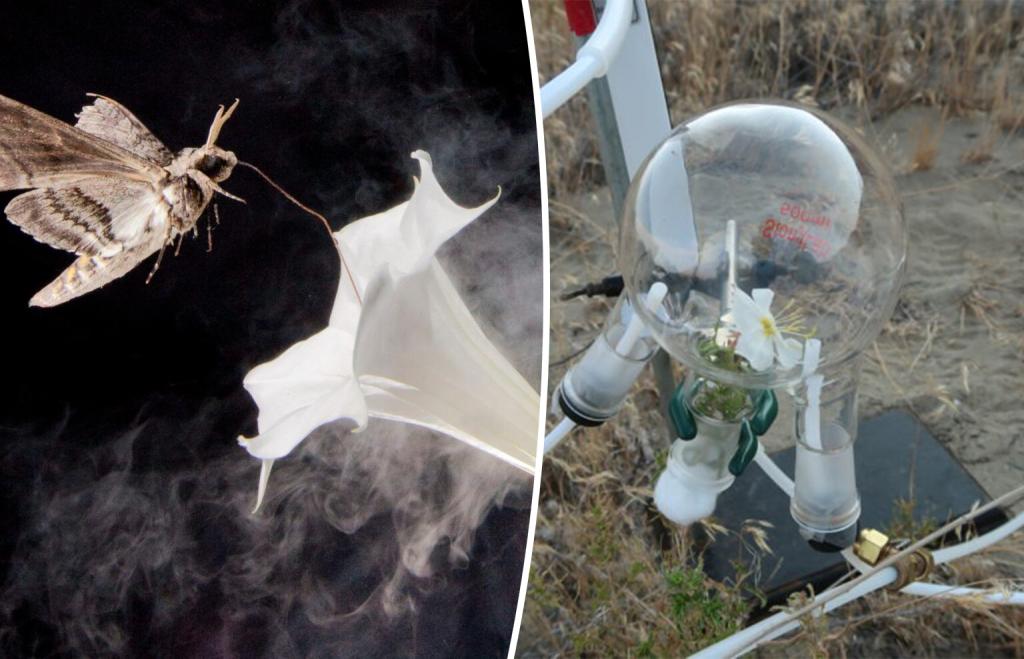
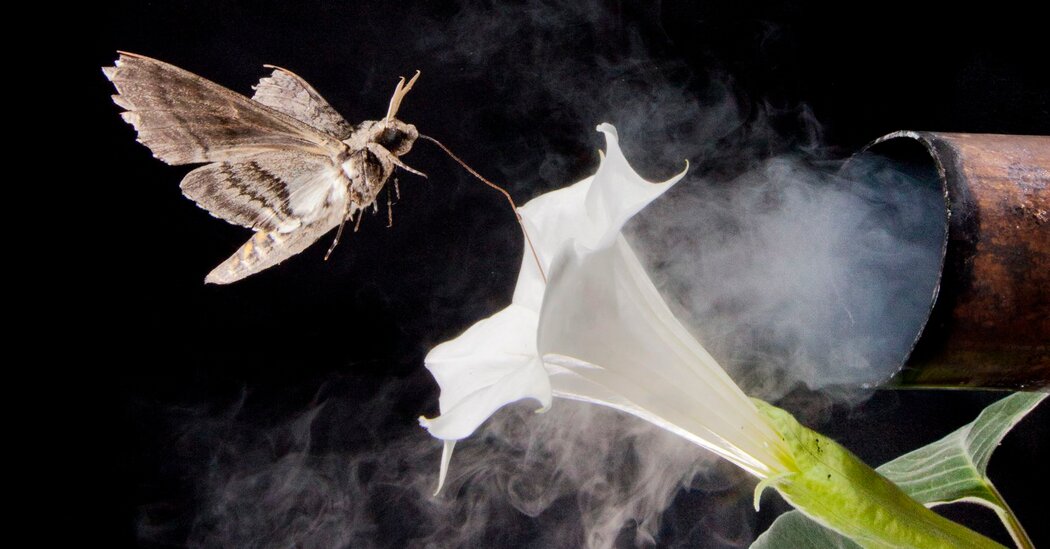
Airborne chemicals from fossil fuels are altering the scent of flowers, making it difficult for pollinators like moths to locate them, especially at night. The chemicals, specifically nitrate radicals, are masking the natural scents of flowers, impacting the crucial plant-pollinator interactions. This interference could have significant consequences for the ecosystem, as many flowering plants rely on insect intervention for pollination, and a large number of pollinator species are already endangered or threatened.

The Impact of Air Pollution on Pollinators' Flower Detection

Originally Published 1 year ago — by The Washington Post

Featured image for The Impact of Air Pollution on Pollinators' Flower Detection
Source: The Washington Post

A study published in the journal Science reveals how air pollution is disrupting the scents that nocturnal pollinators rely on to find flowers, potentially leading to dire consequences for plant communities. The research shows that certain scent chemicals attractive to moths degrade in the presence of NO3, a pollutant formed from car and industrial emissions, leading to a 70% drop in wild moth visitation. This study sheds light on the little-known but detrimental effects of air pollution on wildlife that rely on scent, indicating potential widespread impacts on ecosystems worldwide.

Air Pollution's Impact on Pollinators: A Sweet Scent Sabotage

Originally Published 1 year ago — by The New York Times

Featured image for Air Pollution's Impact on Pollinators: A Sweet Scent Sabotage
Source: The New York Times

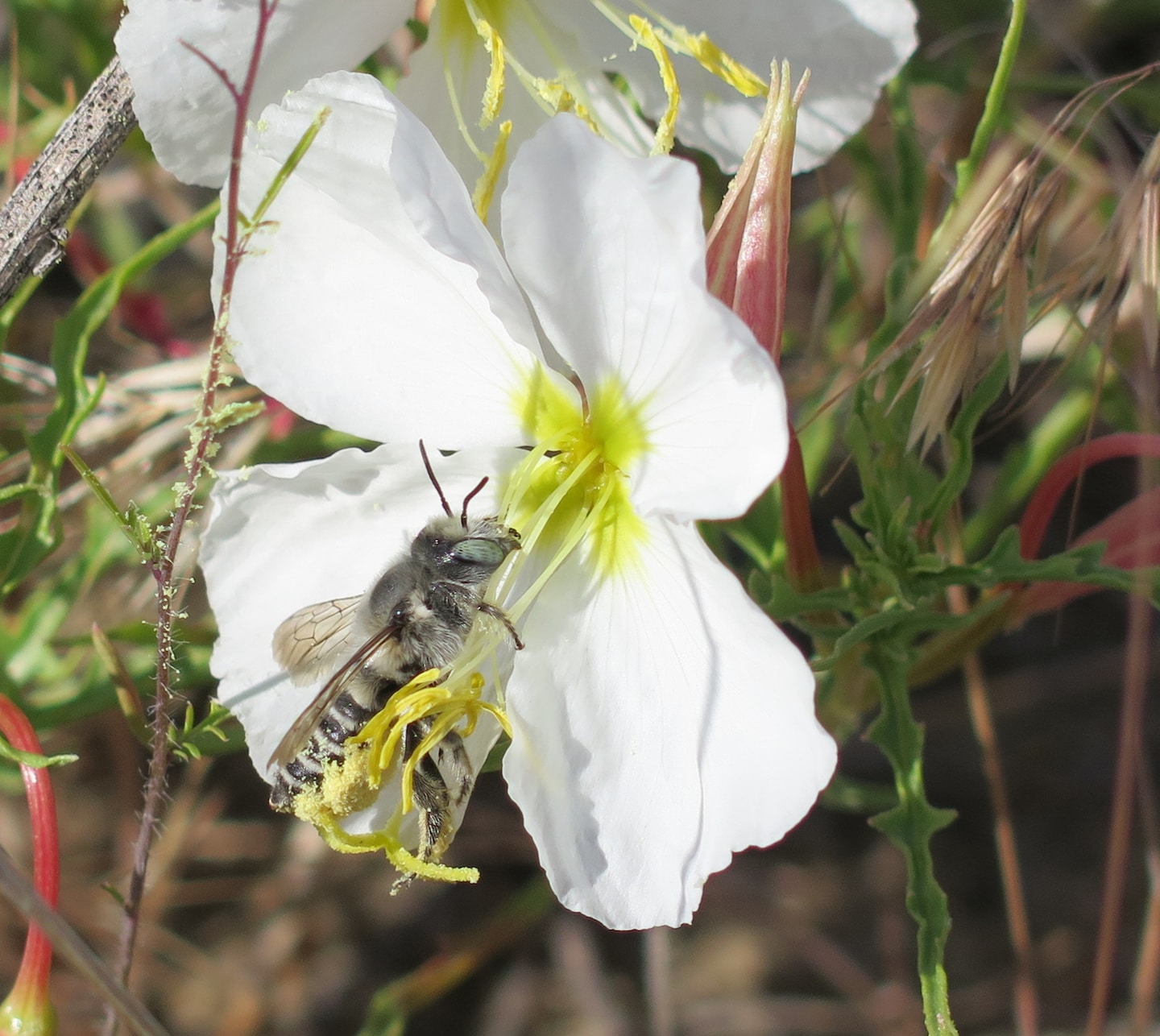
A new study suggests that air pollution, specifically nitrate radicals abundant in nighttime urban air, can severely degrade the scent emitted by flowers such as the pale evening primrose, making them less attractive to pollinating insects like hawk moths. This sensory pollution could interfere with plant reproduction, decrease fruit production, and threaten pollinators, which rely on flower nectar for sustenance. The research highlights the wide-ranging impacts of air pollution on ecosystems beyond human health.

"Declining Pollinators Prompt Plants to Reduce Nectar Production"

Originally Published 2 years ago — by Ars Technica

Featured image for "Declining Pollinators Prompt Plants to Reduce Nectar Production"
Source: Ars Technica

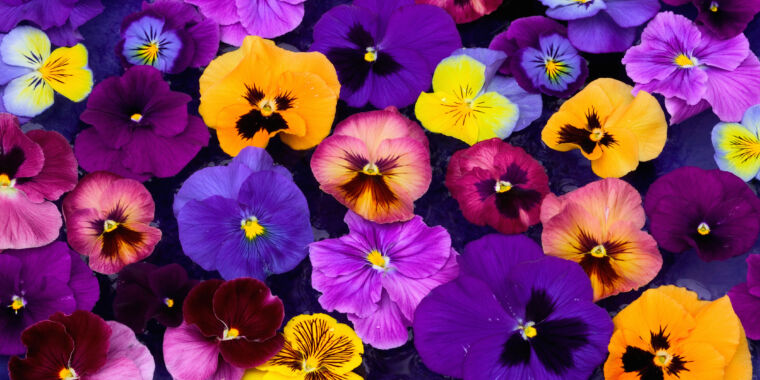
A study by French scientists has shown that a decline in pollinators has led to a 25% increase in self-pollination in modern pansy plants, along with a 20% reduction in nectar production, impacting rewards for pollinators such as bumblebees. The experiment used "resurrection ecology" to compare plants from the 1990s and 2000s with their modern counterparts, revealing rapid evolutionary changes in response to pollinator decline. The study suggests that this adaptation could have negative long-term consequences for the plants, and future research aims to investigate if similar patterns exist in other plant species and if plant evolution in response to pollinator decline could be reversible.

The Looming Insect Apocalypse: What You Must Know

Originally Published 2 years ago — by Yahoo Life

Featured image for The Looming Insect Apocalypse: What You Must Know
Source: Yahoo Life

Insect populations, including vital species like pollinators, are declining due to human activities such as habitat destruction, pesticide pollution, and rising temperatures. This has led to an "insect apocalypse" where only aggressive, disease-carrying mosquitoes thrive. The decline of insects poses existential threats to humans, including crop pollination and food scarcity. To help insects recover, individuals can support policies that protect vital species and make small changes like letting wildflowers grow, avoiding chemical pesticides, and preserving fallen leaves as valuable habitat.

Unveiling the Enigmatic 'Moon Garden': A Gardener's Insight into its Nocturnal Wonders

Originally Published 2 years ago — by Yahoo Life

Featured image for Unveiling the Enigmatic 'Moon Garden': A Gardener's Insight into its Nocturnal Wonders
Source: Yahoo Life

Gardener Elizabeth shares her knowledge of "moon gardens," which are designed to attract pollinators that come out at night. These gardens feature white and silvery plants that reflect moonlight, creating a beautiful glow. Elizabeth recommends orienting the garden on the north or northeast side for shade, using white and silver plants, and varying the heights of the plants. Moon gardens are a lesser-known concept but can be a unique and enchanting addition to any garden.