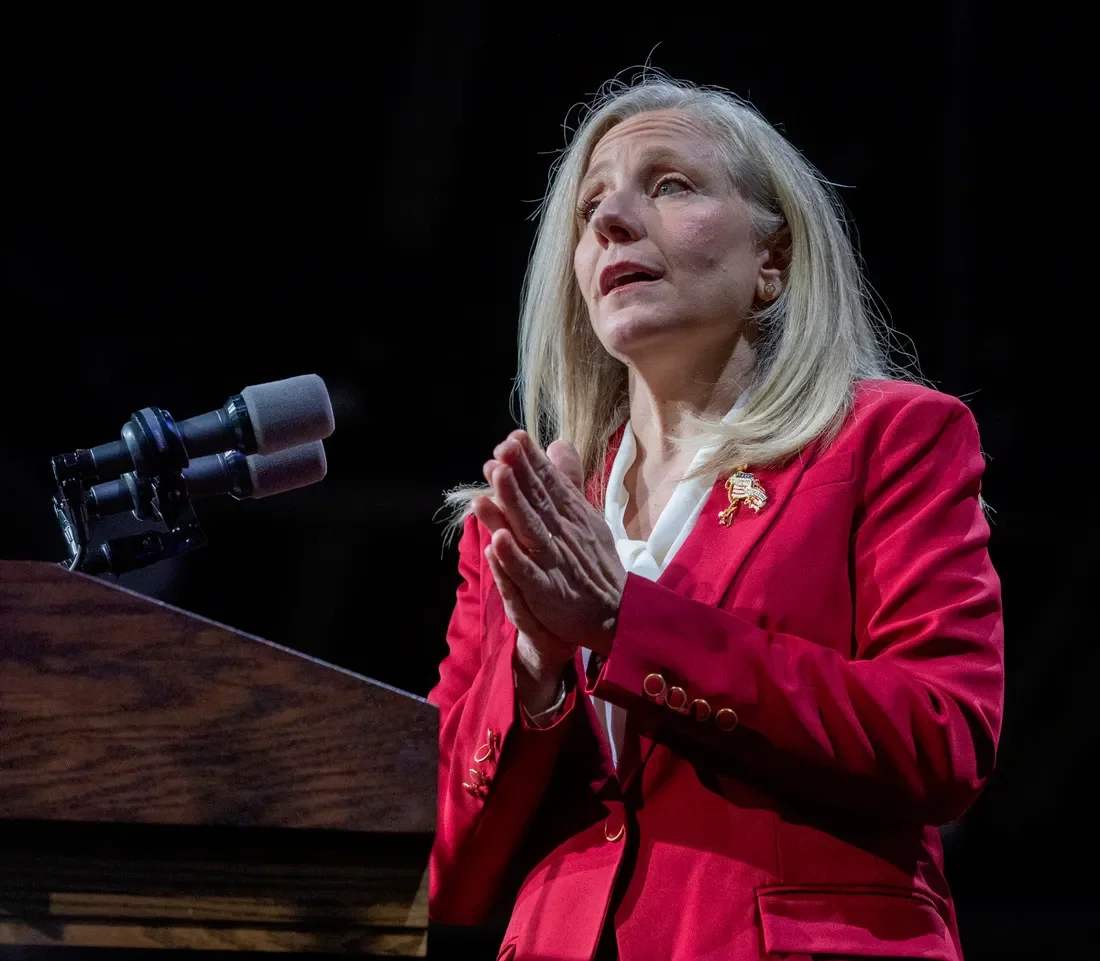
Virginia's 2023 election showed a modest blue wave with Democrats winning key statewide offices and increasing their vote share, largely driven by a collapse in Republican turnout, especially in Northern Virginia and Virginia Beach, while rural areas showed some signs of recovery for Democrats. The results indicate a shift in voting patterns, with Democrats becoming less dependent on Northern Virginia and making gains in traditionally Republican areas like Lynchburg and Spotsylvania.
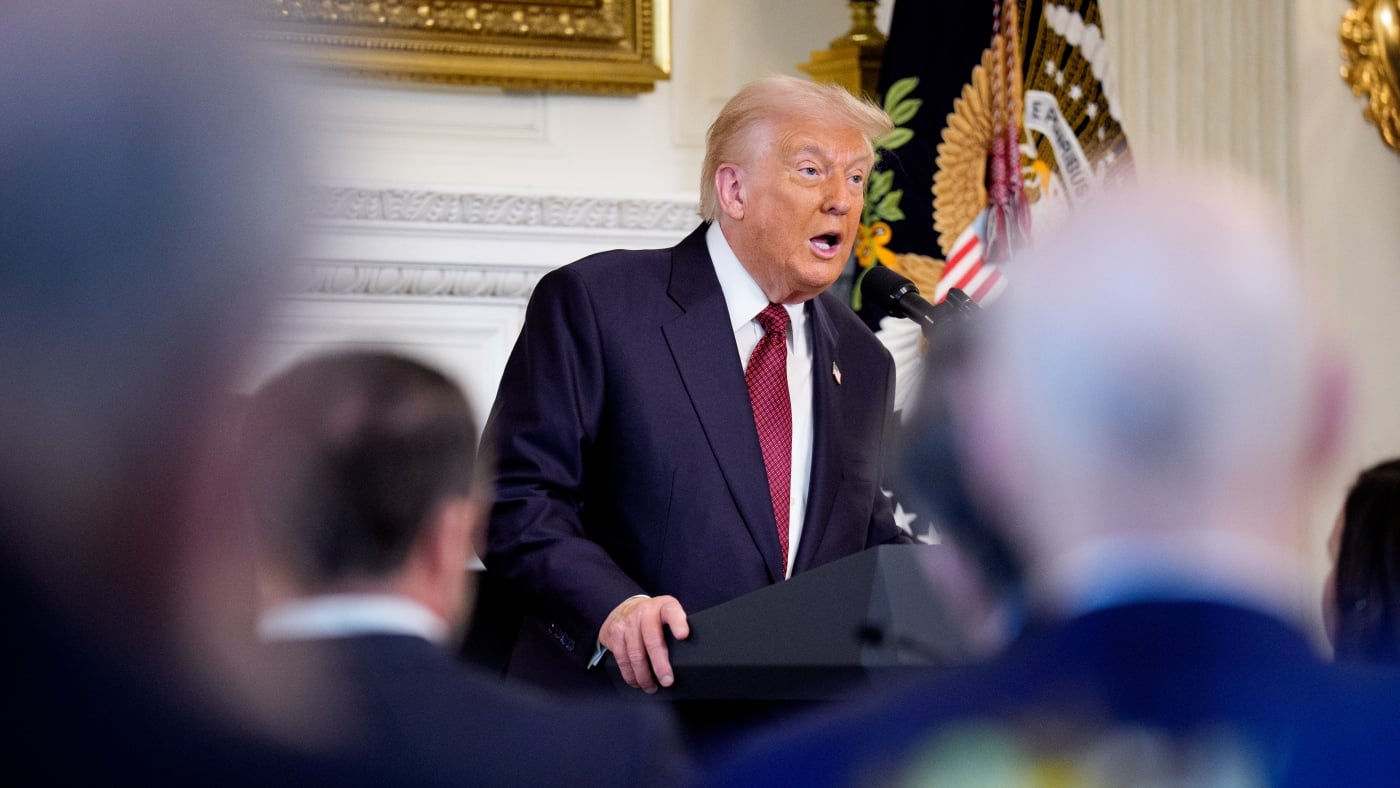
President Trump and Democrats acknowledge the government shutdown's negative impact on Republicans in recent elections, with Democrats gaining ground and Trump pushing to end the filibuster to pass legislation more easily. The shutdown continues as congressional leaders delay negotiations, amid ongoing political tensions and upcoming funding deadlines.
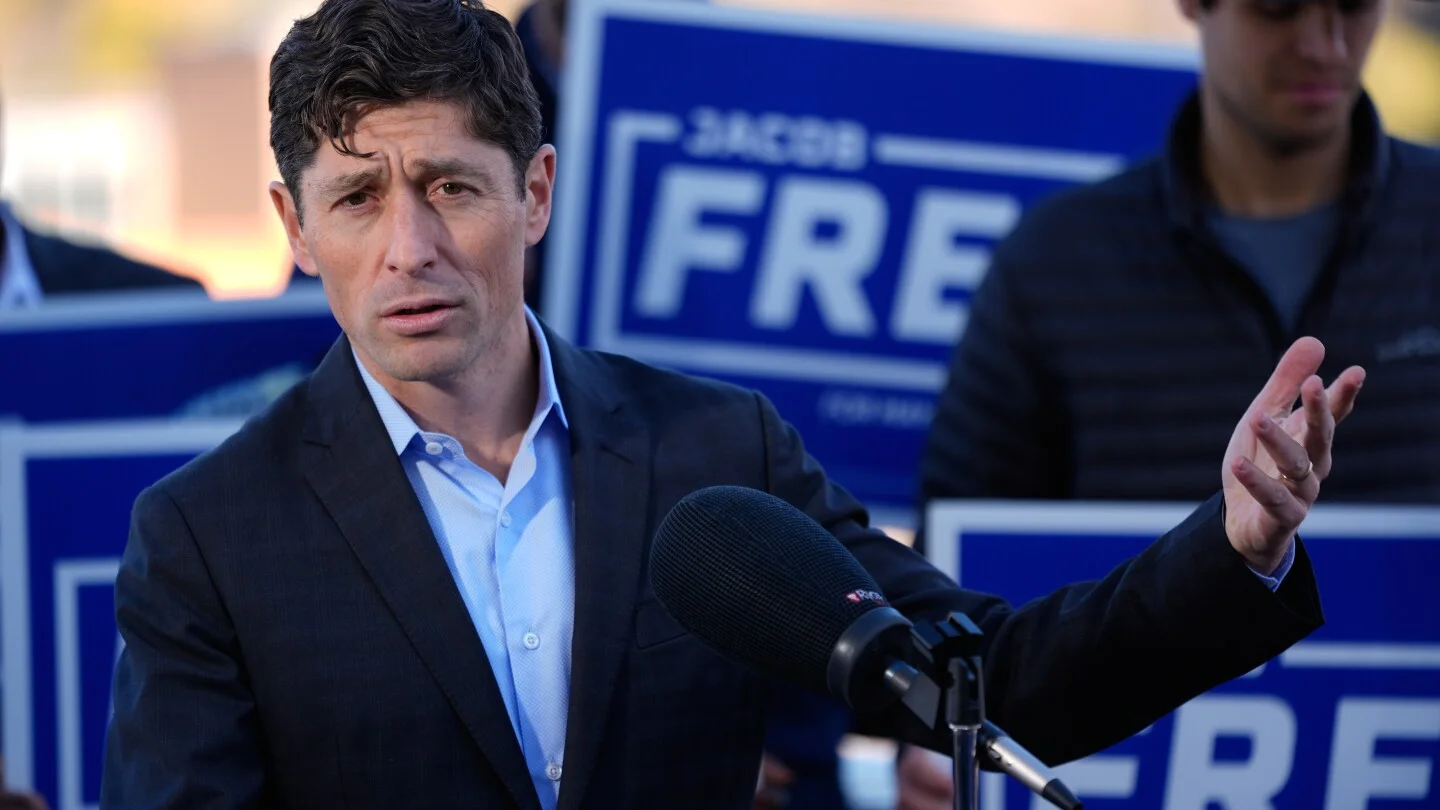
Jacob Frey was re-elected as Minneapolis mayor in a ranked-choice voting election, defeating Omar Fateh with 50.03% of the vote in the final round, amid a record-high voter turnout. Frey, a mainstream Democrat, will serve a third term, while Fateh, a democratic socialist and Somali American, acknowledged the campaign's impact on the city's political narrative.
Democrats in Virginia achieved a historic victory by winning all statewide races and gaining seats in the House of Delegates, driven by opposition to Trump policies and high voter turnout, especially in Northern Virginia, signaling a significant political shift in the state.
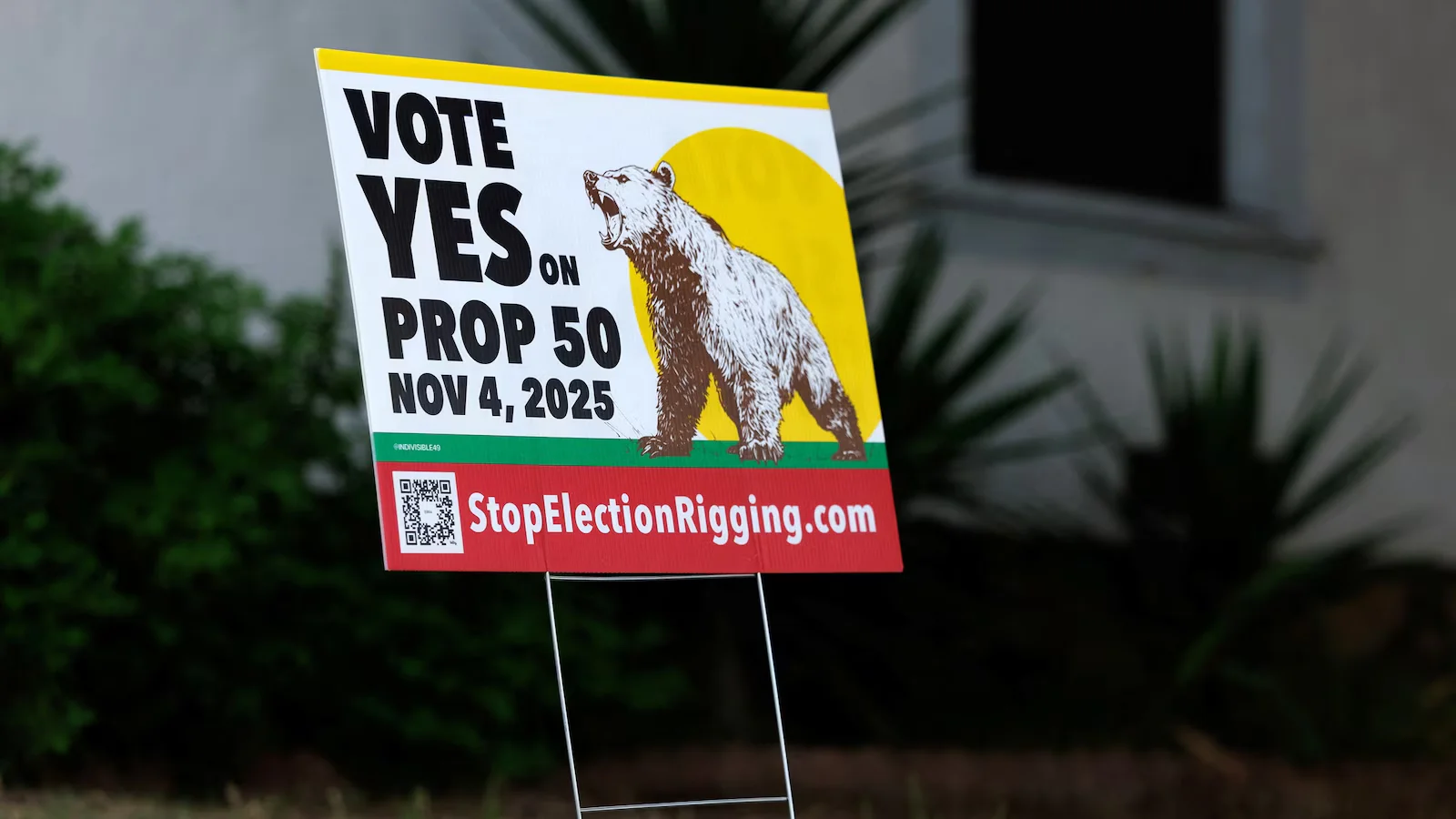
California voters approved Proposition 50, which redraws the congressional map to favor Democrats, potentially flipping up to five Republican seats and strengthening Democratic incumbents for the upcoming U.S. House elections.
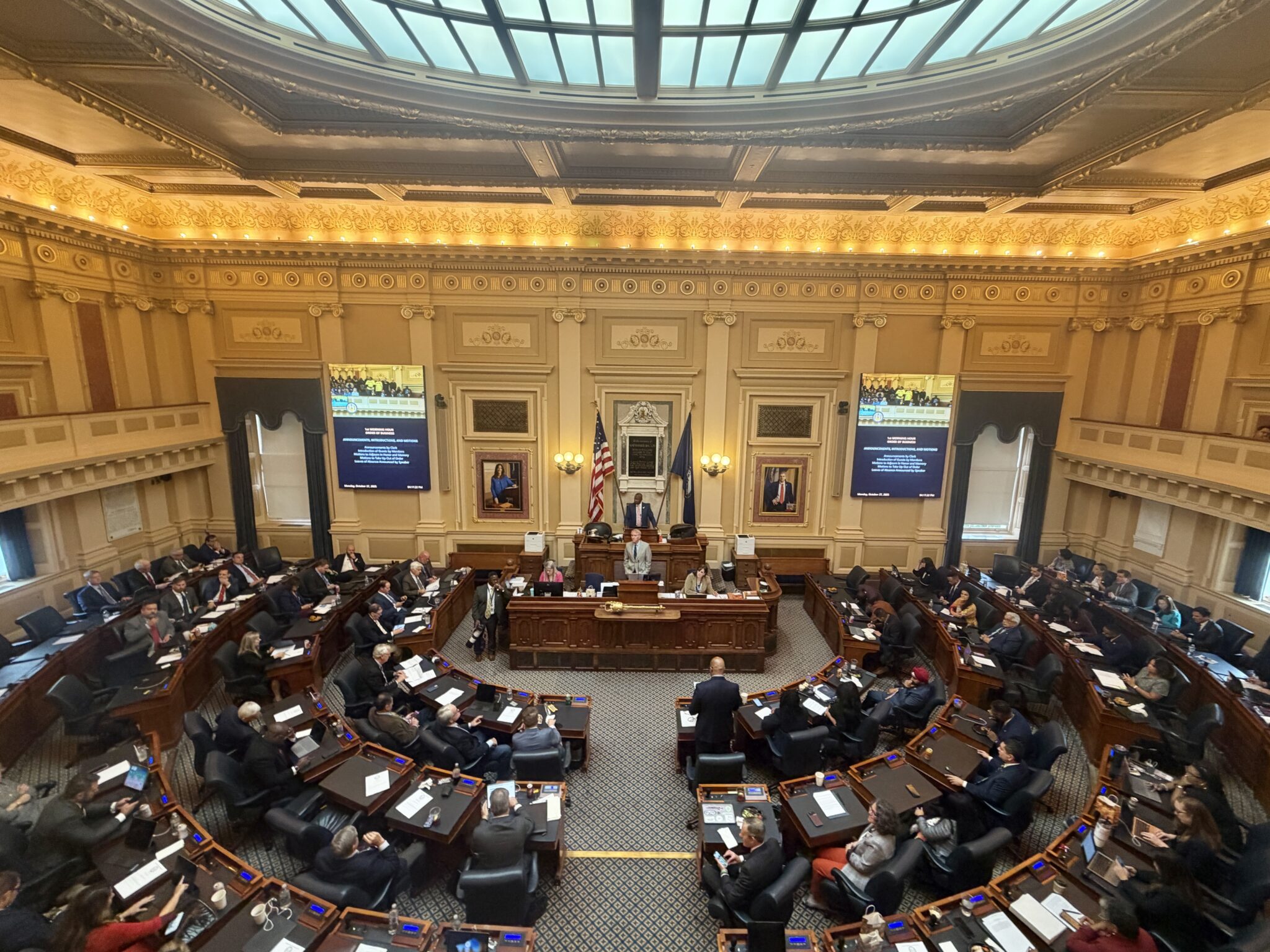
Democrats increased their majority in the Virginia House of Delegates from 51 to 64 seats, flipping several key suburban districts and reflecting a shift towards Democratic strength in population centers, despite Republican efforts and heavy spending. The election results are seen as a bellwether for future political trends in Virginia.
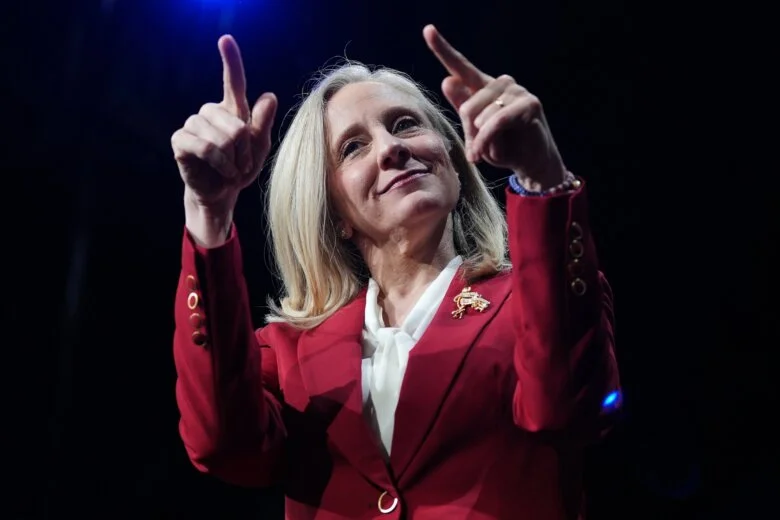
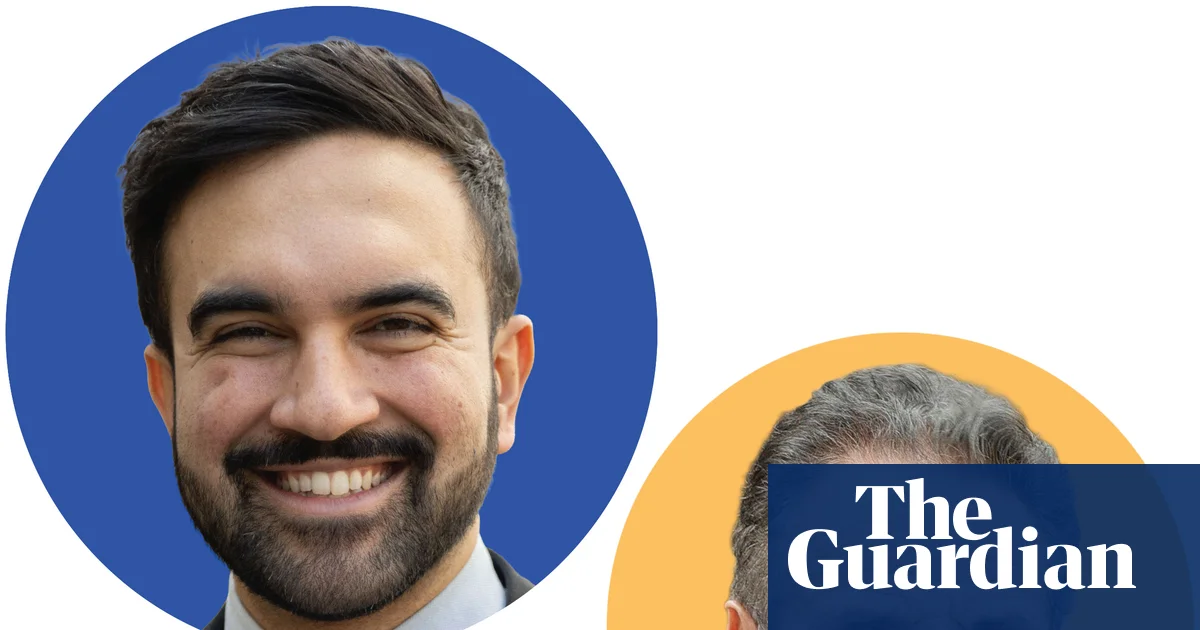
Democratic candidates won key races in NYC, New Jersey, and Virginia, with Zohran Mamdani winning NYC mayor, Mikie Sherrill securing the New Jersey governorship, and Abigail Spanberger becoming Virginia's first female governor, marking significant political shifts in these regions.
The article discusses key races in Virginia, New Jersey, New York, and California that serve as indicators for the upcoming midterm elections, highlighting the importance of margins, voter demographics, the influence of Trump, redistricting efforts, and down-ballot races, with a focus on how these results could shape future political strategies.
California voters have approved Proposition 50, a measure to redraw five congressional districts to favor Democrats, as part of a broader national redistricting effort to influence the 2026 House elections, with significant political debate and funding from both parties.
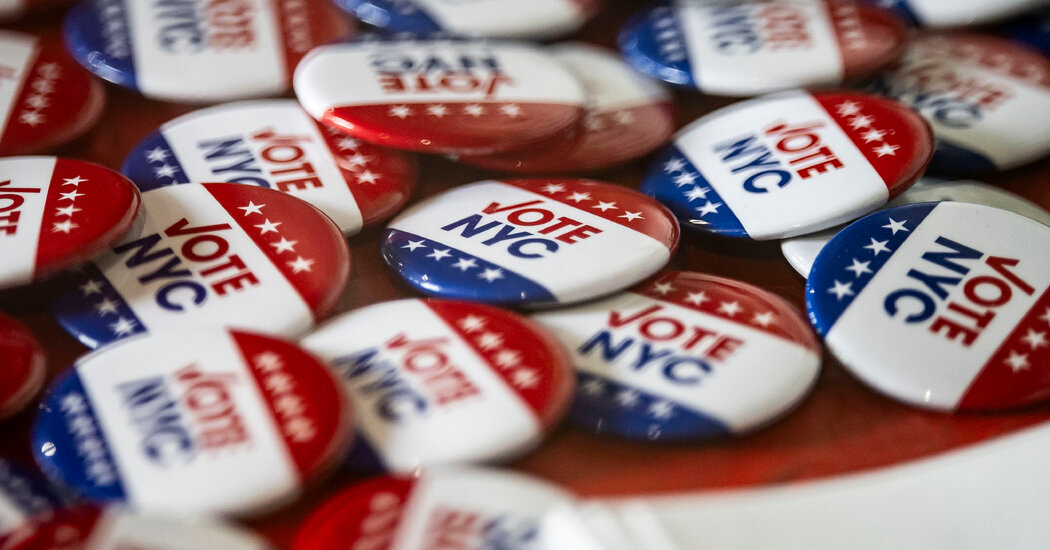
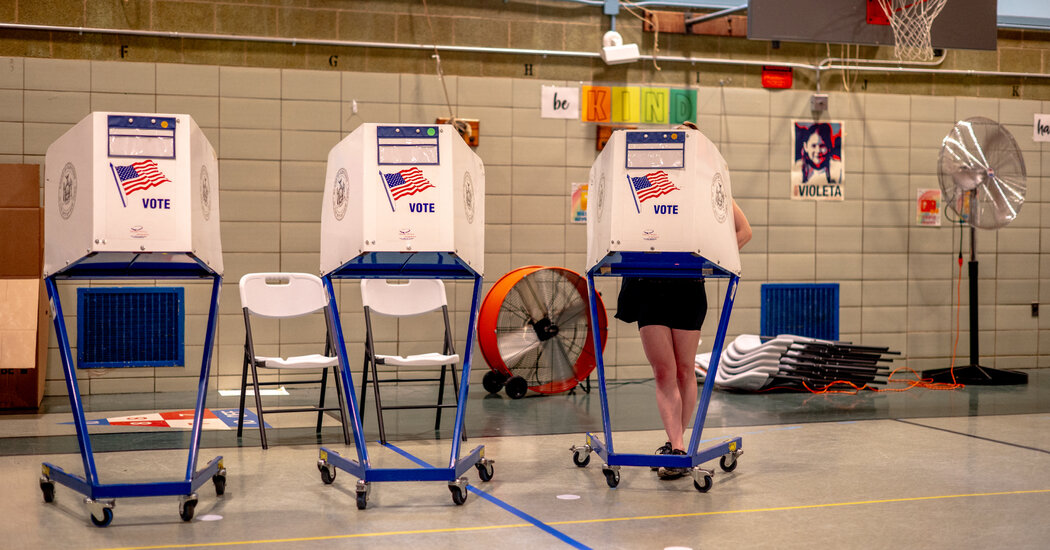
The NYC mayoral race features Zohran Mamdani, Andrew Cuomo, and Curtis Sliwa, with polls favoring Mamdani as the likely winner. Voting concluded with early votes heavily favoring Mamdani, a progressive Democrat, while Cuomo, an independent with a controversial past, and Sliwa, a Republican outsider, also competed. Results are expected shortly after polls close at 9pm.
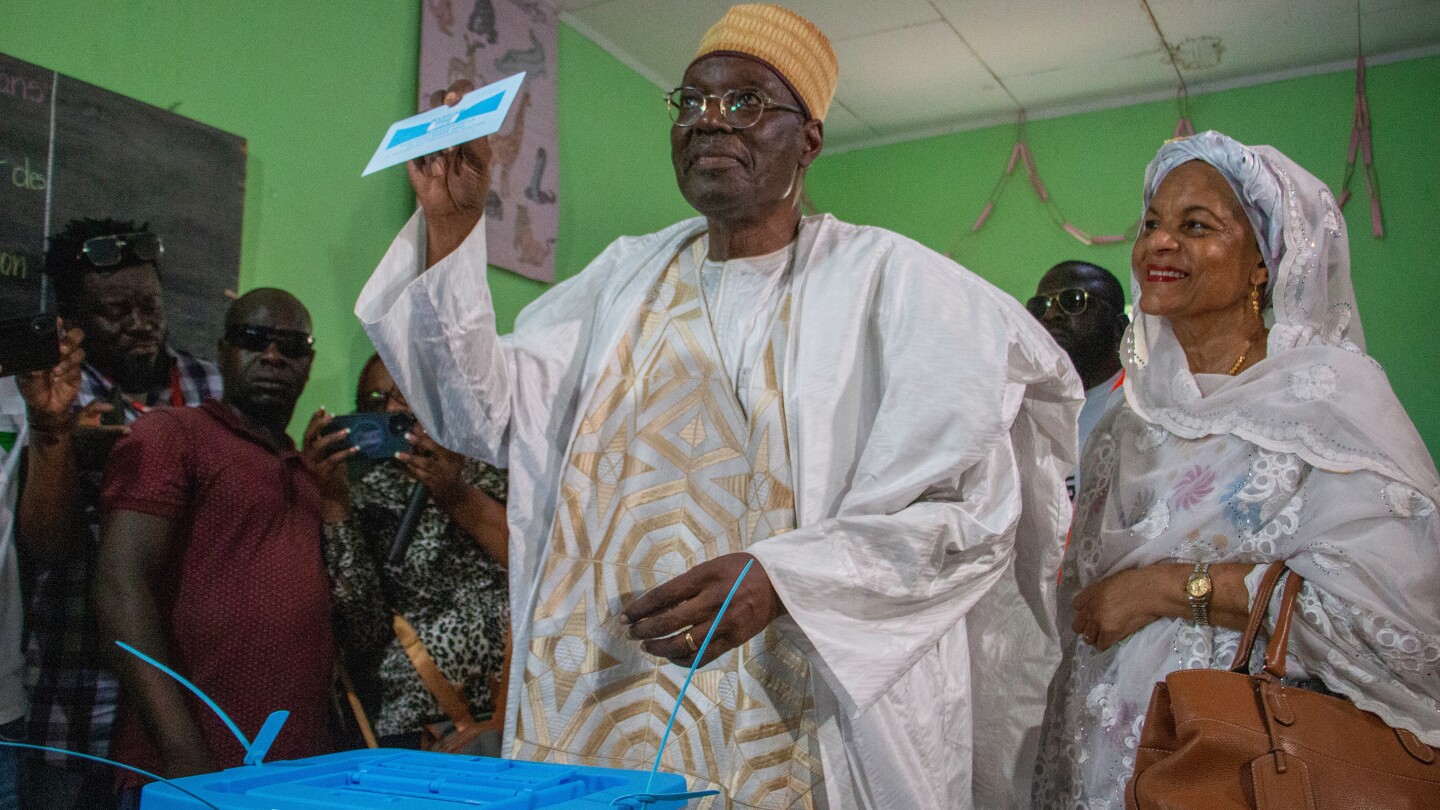
Opposition candidate Issa Tchiroma Bakary claimed victory in Cameroon's presidential election, urging incumbent President Paul Biya to concede, though official results have not yet been announced. Biya, in power since 1982, is widely expected to win amid a divided opposition and recent electoral controversies.
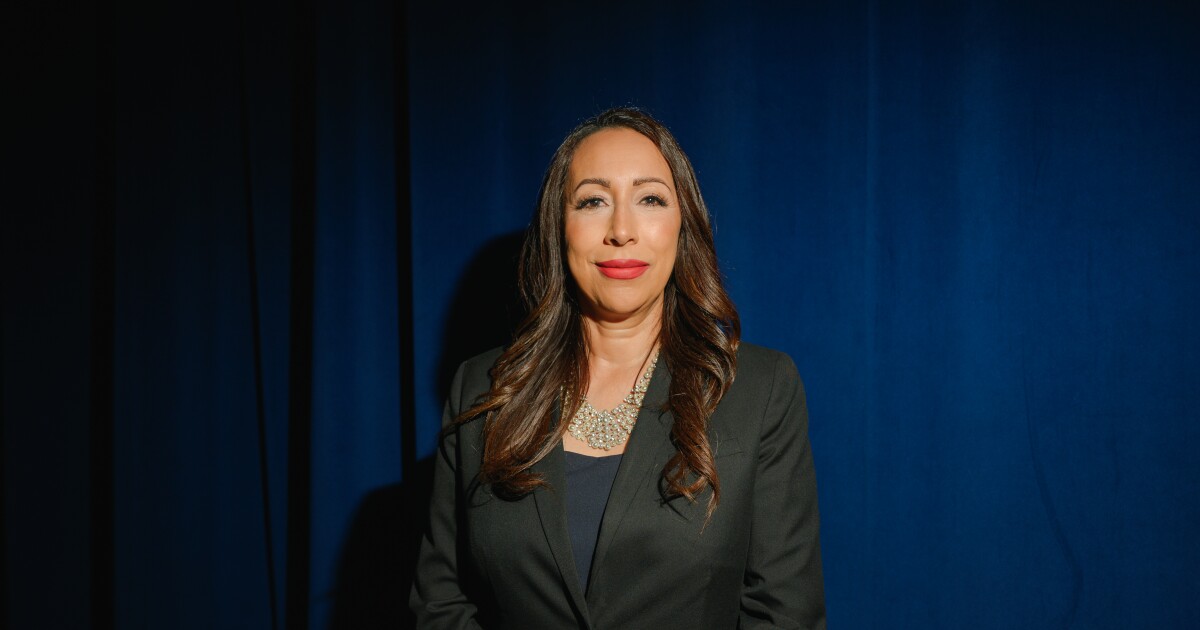
Paloma Aguirre wins the San Diego County Board of Supervisors District 1 seat after John McCann concedes following election results showing her leading. Aguirre, a Democrat and Imperial Beach mayor, vows to address issues like sewage pollution, cost of living, and homelessness, promising to work across party lines and bring change to county government.
New York City is using ranked-choice voting in its mayoral primary, with results to be released soon after the votes are counted and redistributed through multiple rounds, potentially only two, to determine the winner among 11 candidates, including Zohran Mamdani and Andrew Cuomo.
New York City’s Democratic mayoral primary is a tight race primarily between Andrew Cuomo and Zohran Mamdani, with the outcome uncertain until July 1 due to ranked-choice voting. The race has been chaotic, influenced by issues like the city’s cost-of-living crisis, political scandals, and high temperatures affecting voter turnout. Campaigns are heavily focused on voter mobilization, endorsements, and strategic alliances, with the city awaiting the final results.