Millions in Bihar are voting in a crucial state election that tests Prime Minister Modi's party amid economic pressures, caste divisions, and local issues, with the BJP relying on regional alliances and controversial tactics, while facing challenges from opposition fragmentation and concerns over election fairness.
In a surprising turn of events, Prime Minister Narendra Modi's Bharatiya Janata Party (BJP) lost significant ground in Uttar Pradesh during the recent elections, securing only 33 seats compared to previous tallies of 71 and 62. The loss is attributed to voter dissatisfaction over high unemployment and inflation, as well as fears among Dalits and other disadvantaged communities that the BJP might alter constitutional protections. The opposition INDIA alliance capitalized on these sentiments, forming a coalition that included Dalits, OBCs, and Muslims, leading to a significant shift away from the BJP.
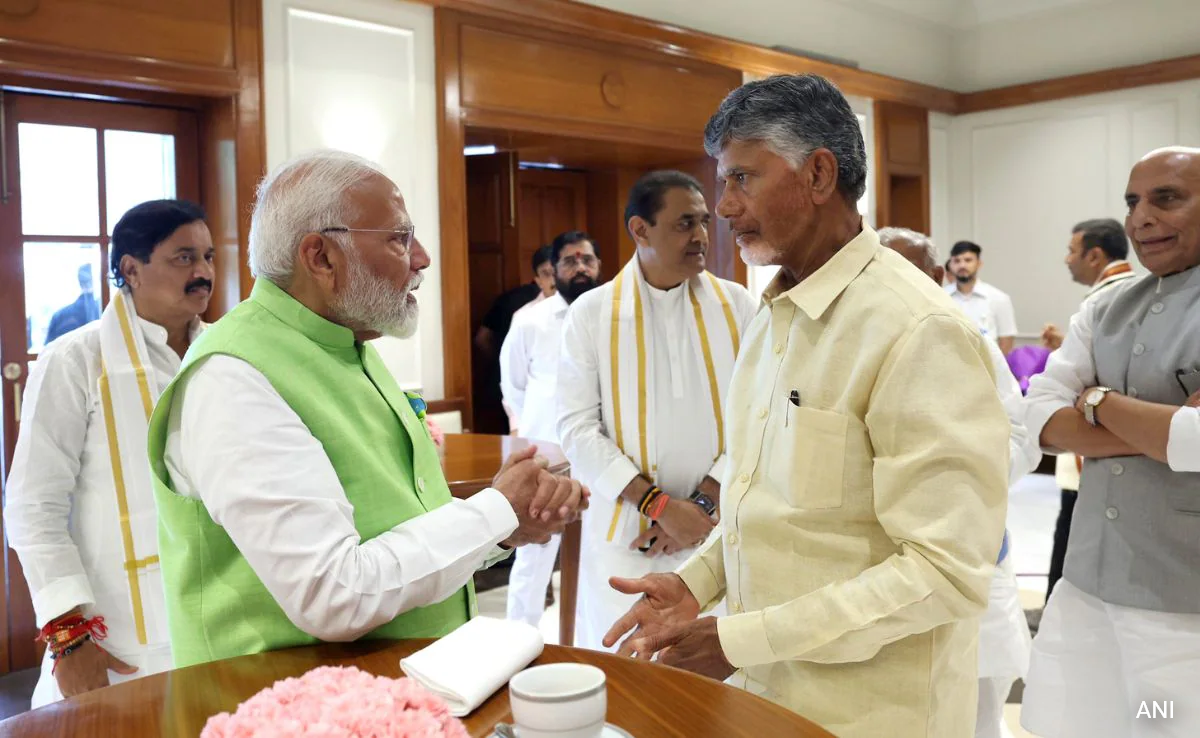
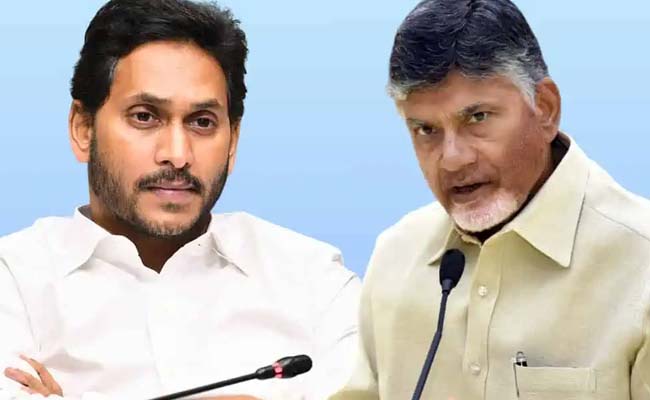
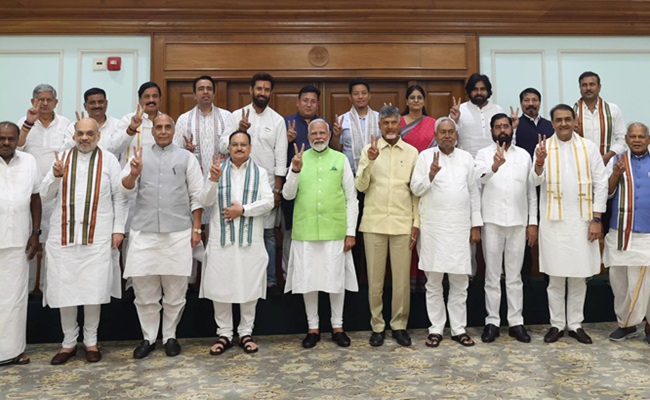
Chandrababu Naidu has confirmed that his Telugu Desam Party remains part of the BJP-led National Democratic Alliance (NDA) amid speculation that opposition leaders are trying to woo him into the INDIA bloc. Naidu, along with other NDA partners, attended a key meeting at Prime Minister Narendra Modi's residence to discuss government formation, signaling their support for Modi ahead of the upcoming oath ceremony.
Actress-turned-politician Kangana Ranaut celebrated the National Democratic Alliance's election of Narendra Modi as its leader, sharing her joy on social media. Kangana also marked her own political success by winning the Mandi constituency in the 2024 Lok Sabha elections. She expressed gratitude to her supporters and attributed her victory to faith in Modi and the BJP. Additionally, Kangana is preparing for the release of her film 'Emergency,' which she is directing and starring in.
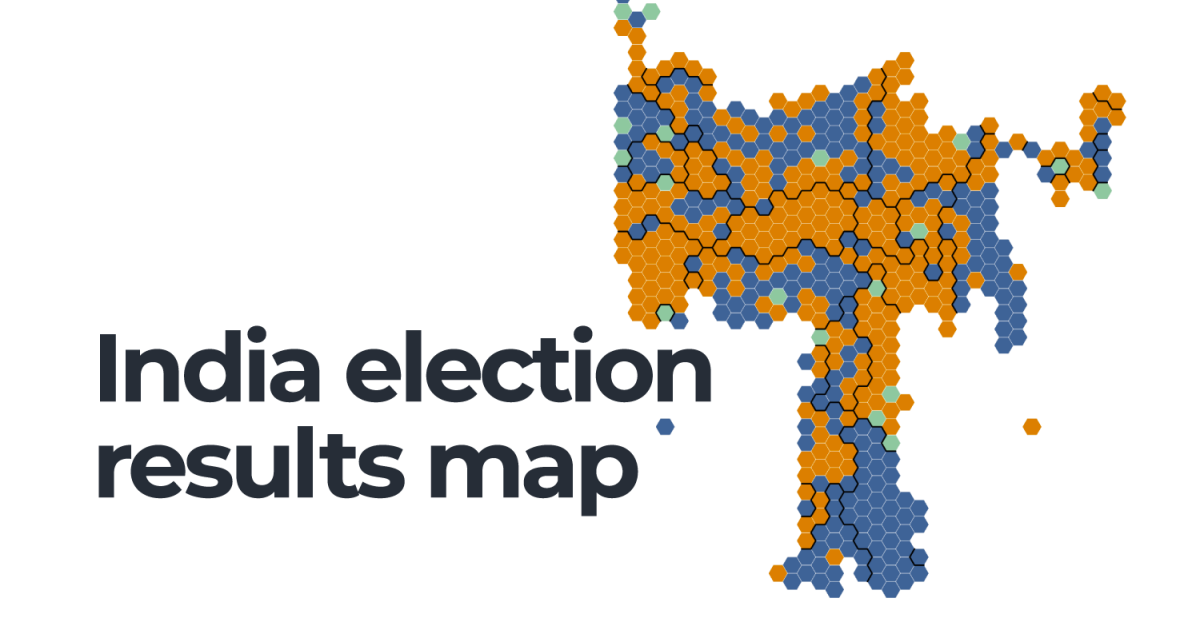
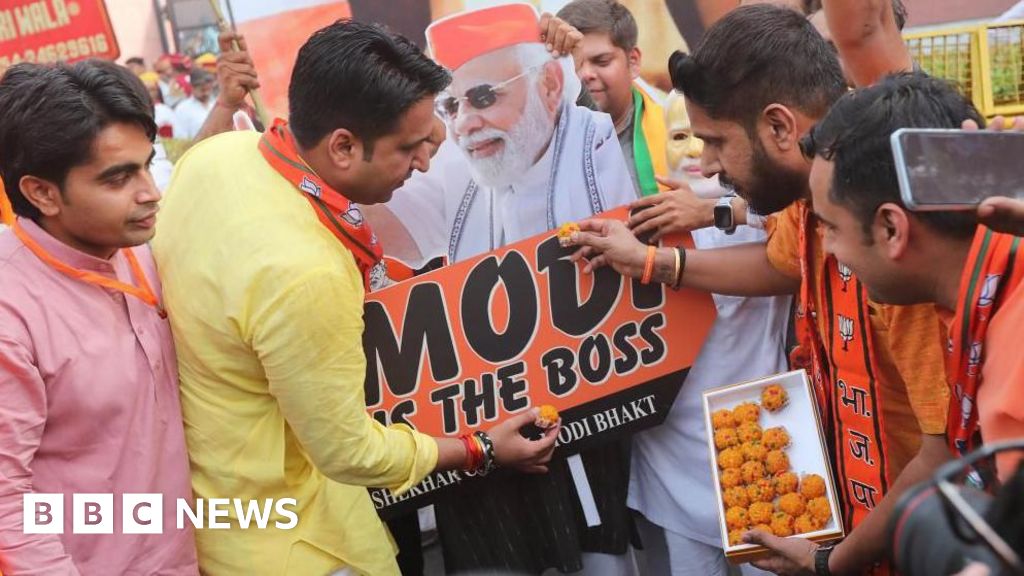
The Bharatiya Janata Party (BJP) and its National Democratic Alliance (NDA) have won a majority in the 2024 Indian elections, securing 293 seats despite a significant reduction from their 2019 tally. The opposition INDIA alliance, led by the Indian National Congress (INC), made substantial gains, winning 232 seats. Key states like Uttar Pradesh and Maharashtra saw notable shifts in voter support, impacting the overall results.
In a surprising turn of events, the INDIA alliance's strong performance in the recent elections has denied the BJP an absolute majority, forcing it to rely on alliance partners like TDP and JDU. This shift has reversed the political dynamics, making Chandrababu Naidu a crucial ally for the BJP, while Jagan Mohan Reddy's earlier mandate has not translated into expected gains for Andhra Pradesh.
Indian Prime Minister Narendra Modi's failure to secure a supermajority in the recent elections has caused significant concern among business executives and investors, both domestically and internationally. The unexpected results have led to a sharp decline in the Indian stock market and raised questions about the future of Modi's economic reforms. U.S. companies, heavily invested in India as an alternative to China, may need to adjust their expectations. Despite the political setback, experts believe India's long-term economic potential remains strong, though the pace of reforms may slow under a coalition government.
India's BJP, led by Narendra Modi, has lost its parliamentary majority and will need to form a coalition government to secure a majority. This outcome follows a six-week-long election and raises questions about Modi's strategy and its impact on his party's future.
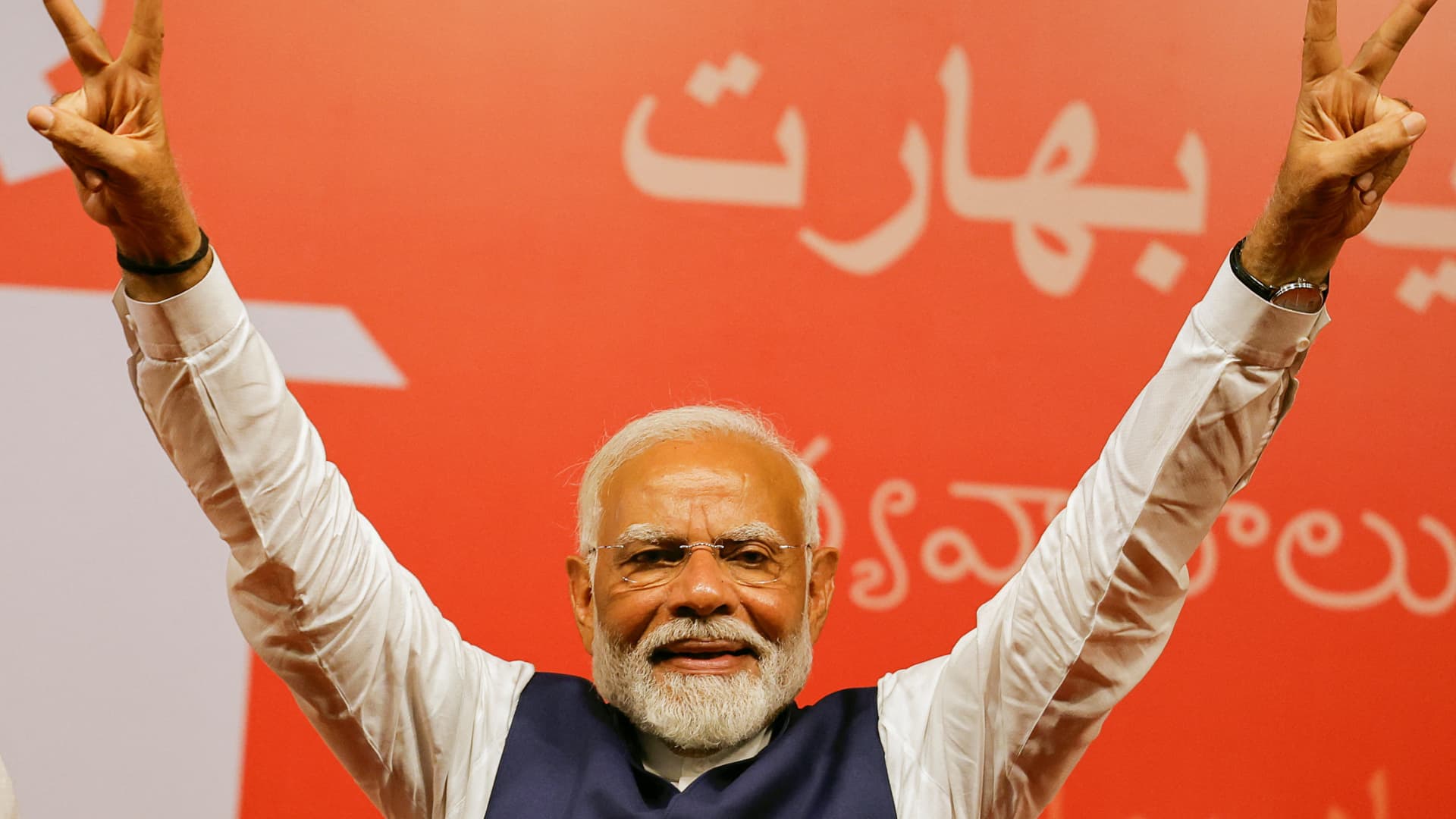
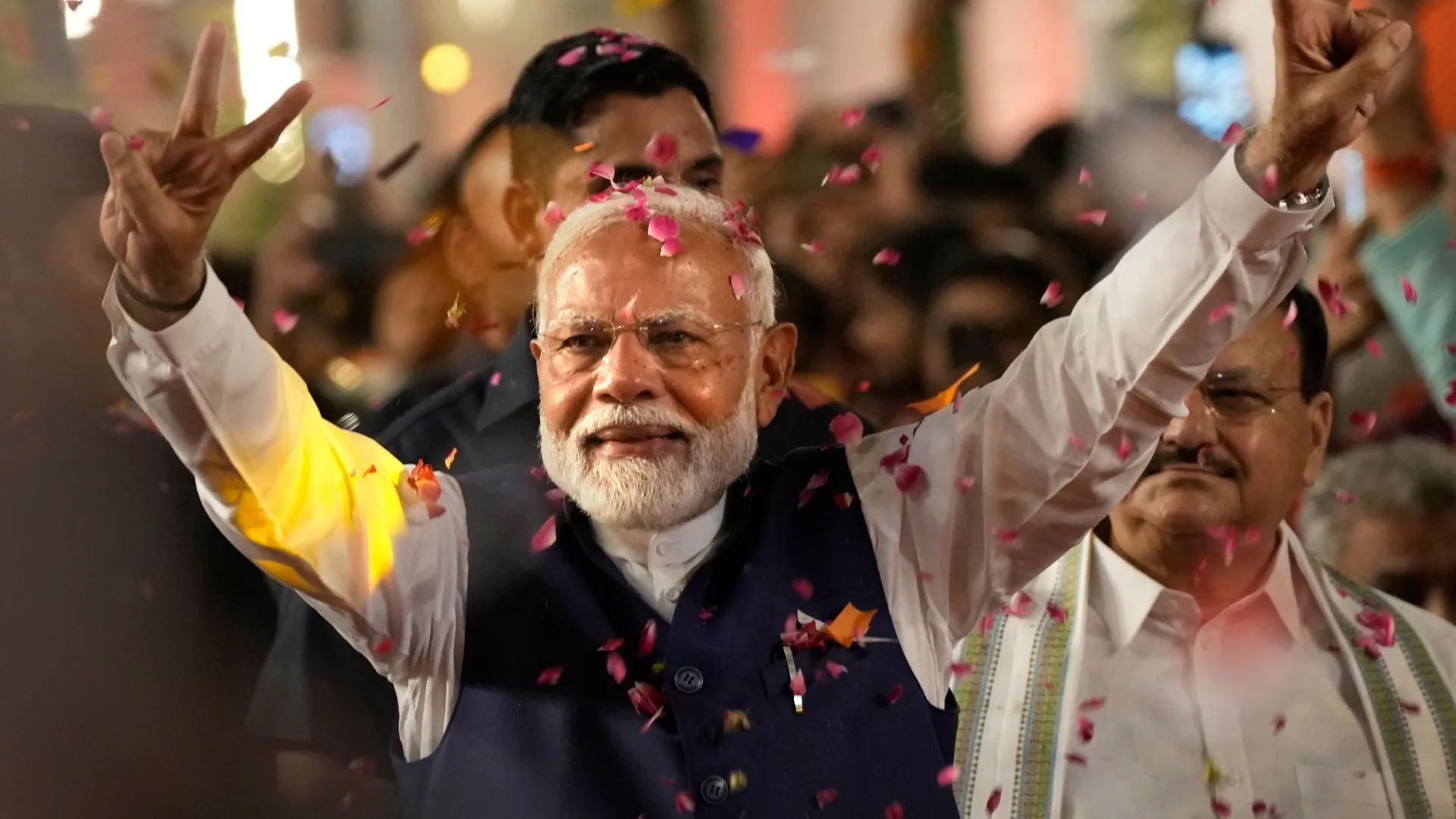
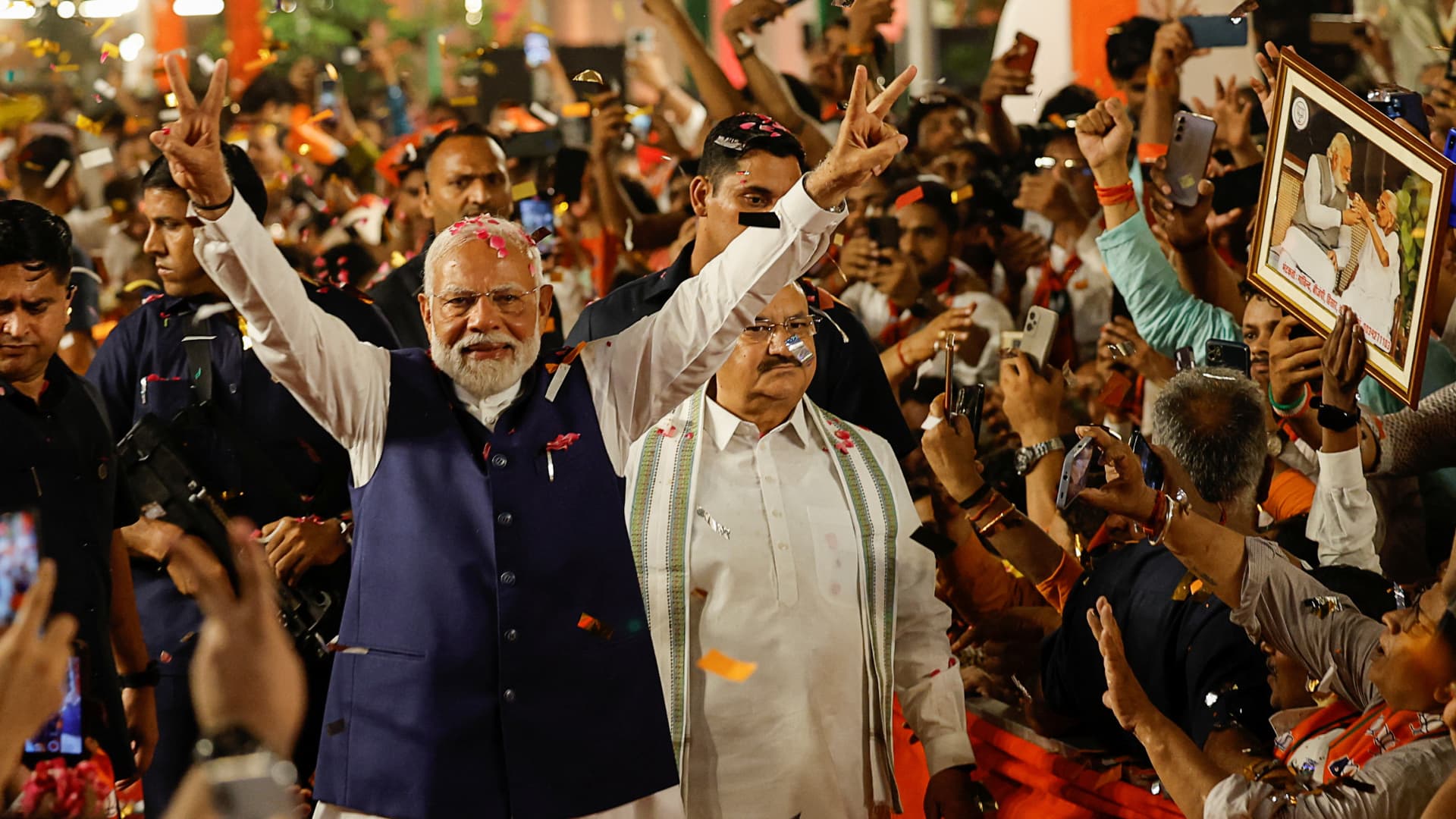
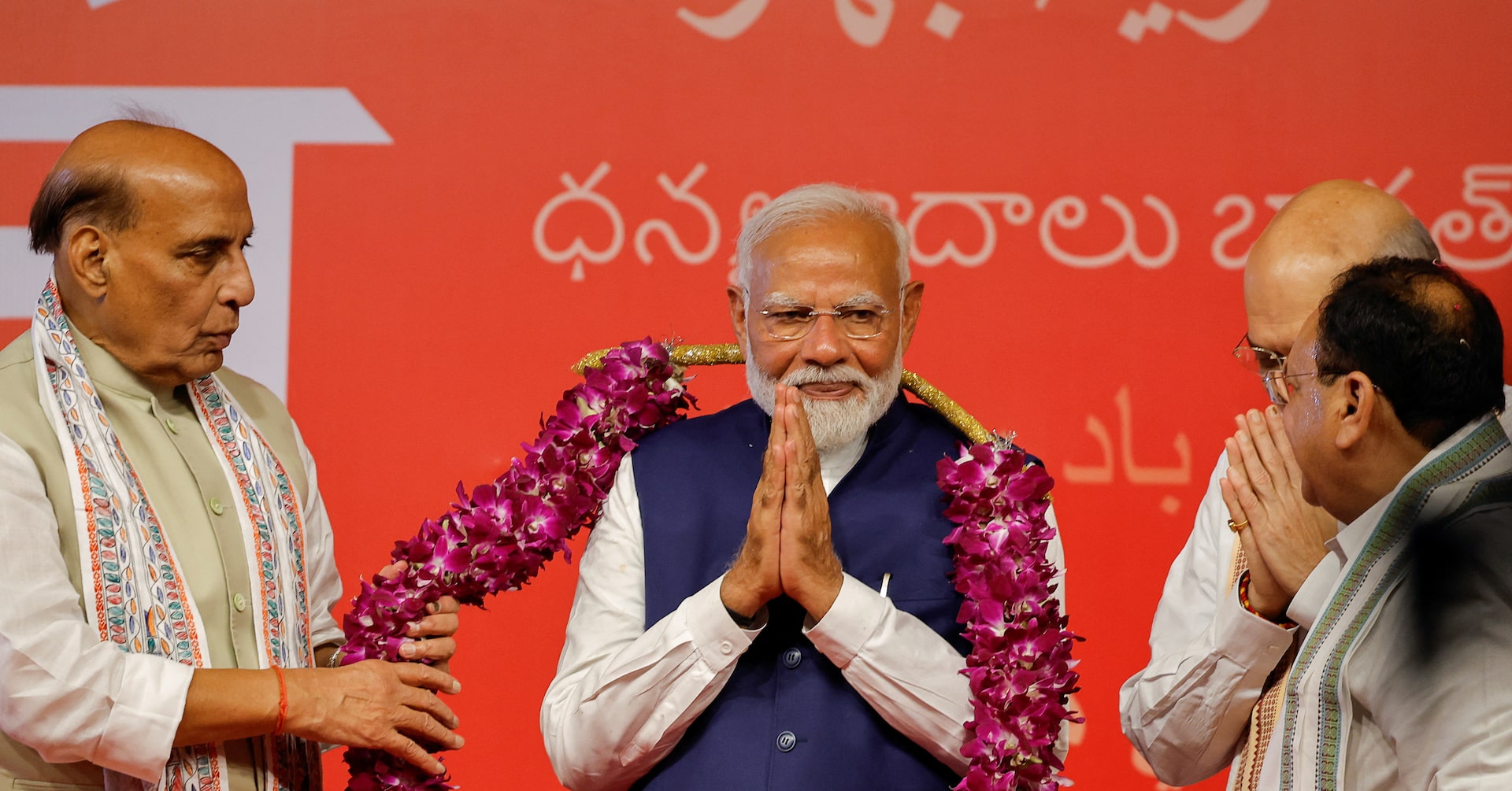
Narendra Modi is set to become India's prime minister for a third term despite his party, the BJP, losing its outright majority in the 2024 elections. The BJP won 240 seats, falling short of the 272 needed, and had to rely on smaller parties within the National Democratic Alliance (NDA) to secure a majority. The opposition, which won 232 seats, has not yet conceded. Modi's leadership will now involve coalition governance, a first for him, and may require more democratic engagement. The election saw a record turnout with over 600 million voters participating.
The BJP-led NDA has cleared the way for forming the government for a third consecutive term after a meeting of alliance members, including key leaders like N. Chandrababu Naidu and Nitish Kumar. Narendra Modi has been unanimously elected as the alliance's leader, with all allies submitting letters of support to initiate the government formation process. The NDA secured a clear majority with 293 seats in the 2024 Lok Sabha elections, and Modi is set to be sworn in as Prime Minister on June 8.
Indian Prime Minister Narendra Modi's Bharatiya Janata Party (BJP) won the recent election but with a significantly reduced mandate, securing only 240 seats and falling short of a majority in the lower house of parliament. This outcome forces Modi to rely on coalition partners for the first time in his decade-long rule, raising questions about his ability to govern effectively. The BJP's weaker performance, particularly in key states like Uttar Pradesh, Maharashtra, and Rajasthan, signals voter dissatisfaction with Modi's governance and Hindu nationalist agenda. The opposition, led by the Indian National Congress and its allies, made substantial gains, marking a significant shift in India's political landscape.
Indian Prime Minister Narendra Modi's BJP has won the most seats in the latest election but has fallen short of an outright majority, necessitating reliance on allies to form a government.
Indian Prime Minister Narendra Modi's weakened electoral victory has led to concerns among foreign investors about the future of business-friendly reforms in India. The BJP's loss of a majority has caused significant stock market sell-offs and a record $1.5 billion in net foreign selling. Investors are now cautious, focusing on rural support and welfare spending, which may delay anticipated land and labor reforms. Despite the uncertainty, some see this as a buying opportunity, though overall exposure to India is being reassessed.
Indian Prime Minister Narendra Modi is set to meet with allies to discuss forming a government after his BJP lost its outright majority in parliament, winning 240 seats, 32 short of the halfway mark. The NSE Nifty 50 and S&P BSE Sensex fell slightly in early trade following a significant drop due to investor concerns over the election results. Despite the reduced majority, Fitch expects broad policy continuity. The opposition INDIA alliance, led by Rahul Gandhi's Congress party, won 230 seats, with Congress itself securing 99 seats.