The article discusses the rise of right-wing extremism in Germany, focusing on the AfD party, historical parallels with Nazi Germany, and the importance of recognizing and resisting fascist tendencies before they become uncontrollable.
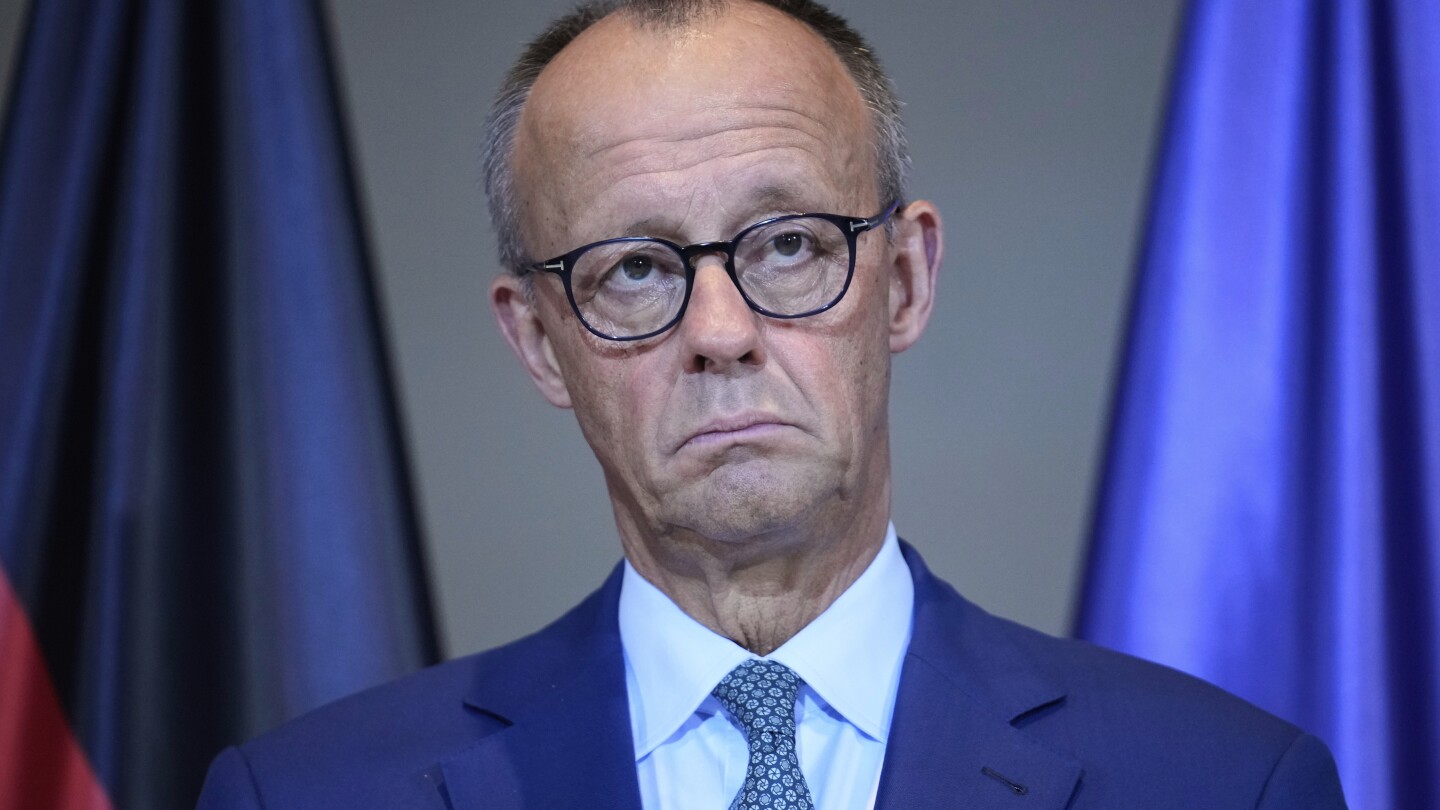
Germany faces a critical balancing act under Chancellor Merz, who aims to boost defense and economic growth through increased debt spending, but struggles with domestic discontent, economic stagnation, and rising far-right support, risking its leadership role in Europe if reforms falter.
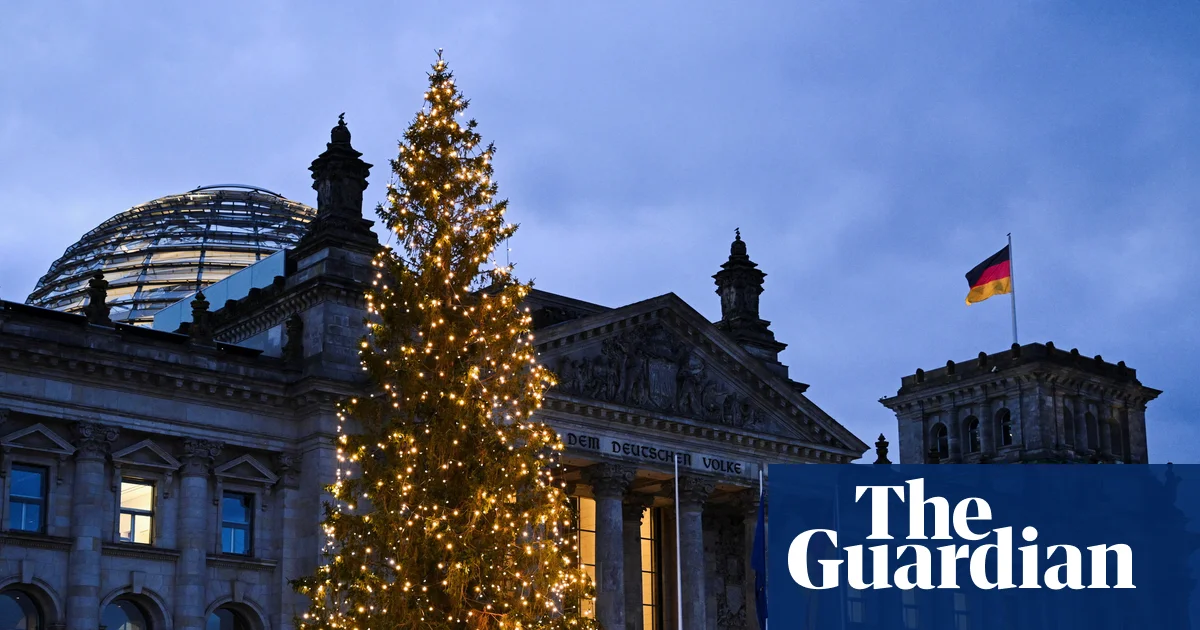
A member of Germany's far-right AfD party, Matthias Moosdorf, has been charged with making a Nazi salute at the Reichstag, an act illegal in Germany, after allegedly greeting a colleague with a Hitler salute in June 2023. Moosdorf, who was stripped of his parliamentary immunity, denies the allegations.
The New York Young Republican Club plans to host Markus Frohnmaier, a far-right German politician from the AfD party, at its gala, amid controversy over the party's extremist reputation and controversial statements, including calls for a 'new civic order' in Germany and the use of Nazi-associated phrases.
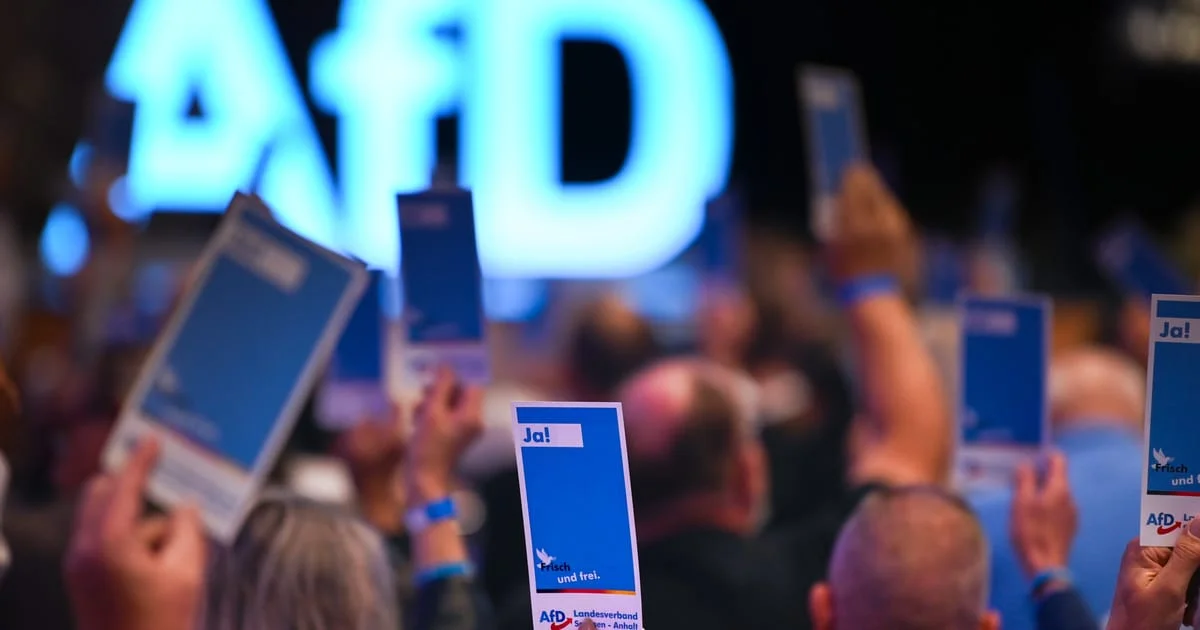
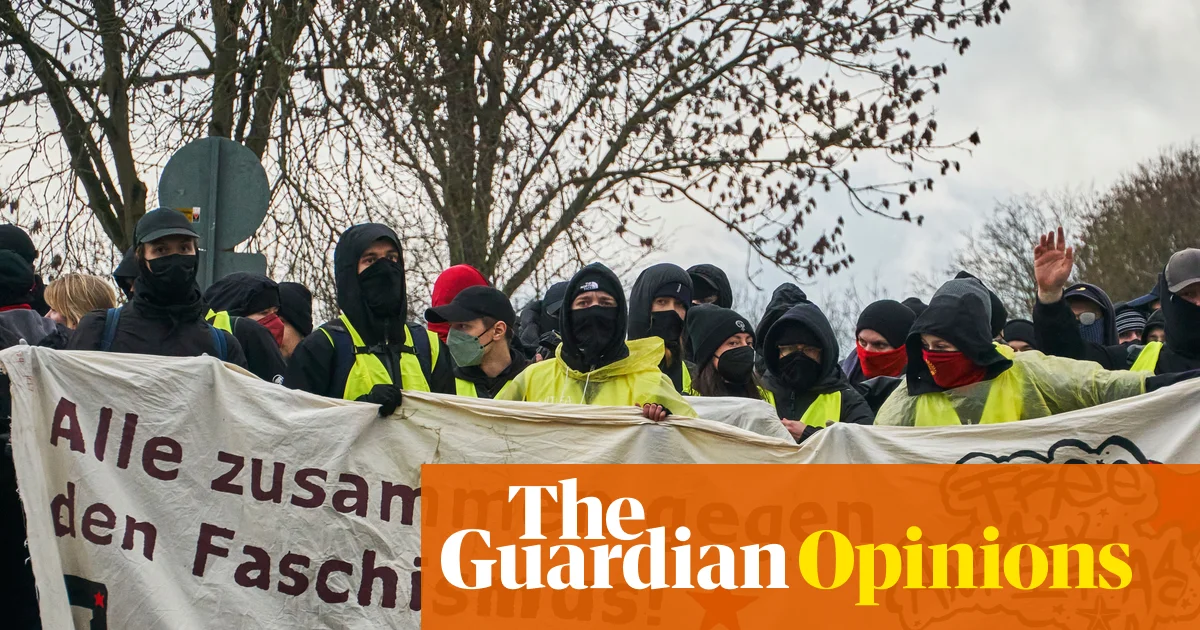
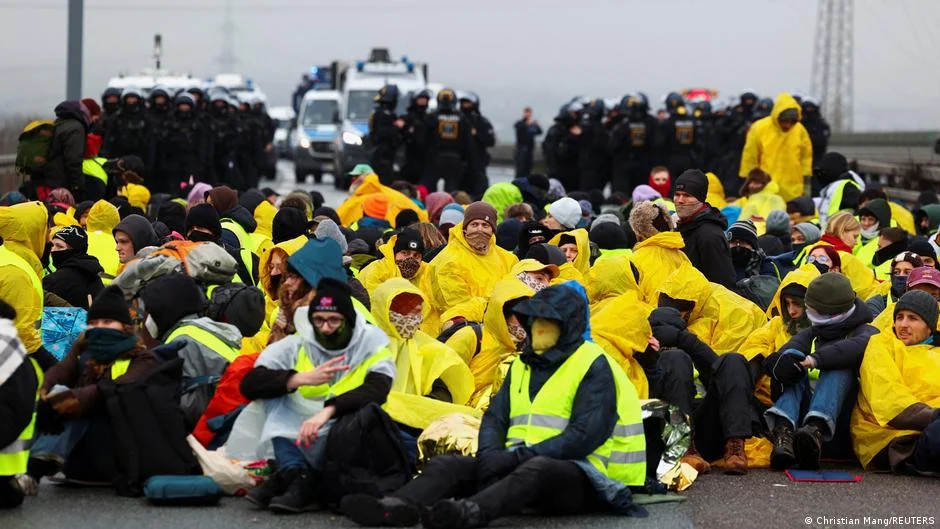
Protests erupted across Germany as the far-right AfD founded a new youth group, Generation Deutschland, amid significant opposition and police clashes in Giessen. Meanwhile, other German cities experienced incidents including a criminal explosion in Düsseldorf and a shooting in Cologne, highlighting ongoing social tensions. Additionally, Chemnitz celebrated its year as European Capital of Culture, attracting over 2 million visitors, and political debates continue over EU bans on combustion engines and climate policies.
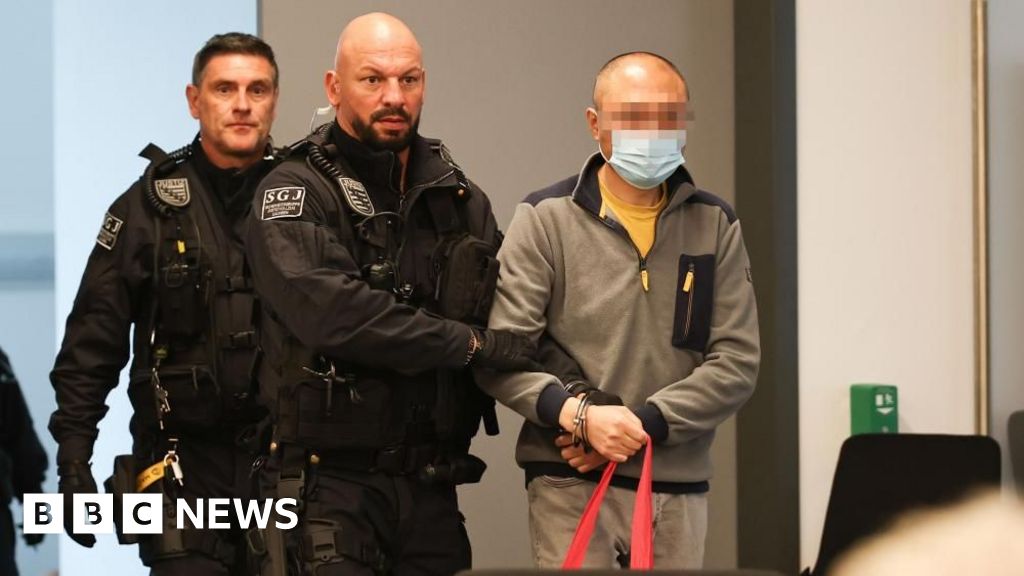
A former aide to a German far-right politician was sentenced to nearly five years in prison for spying for China, involving passing confidential information and allegedly working for Chinese intelligence since 2002. The case highlights concerns over Chinese espionage activities in the EU, and the politician involved has denied any knowledge or involvement, while also facing separate investigations for corruption and money laundering.
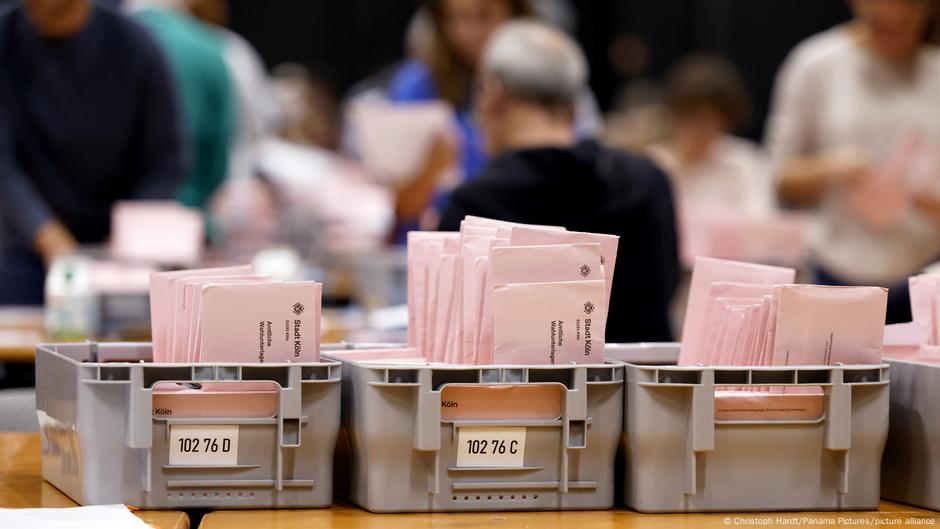
In Germany's North Rhine-Westphalia state elections, the AfD made significant gains, overtaking the Greens and becoming the strongest right-wing party, while the SPD and Greens lost support. The results reflect shifting political sentiments amid ongoing social and economic issues, with the AfD capitalizing on recent regional crises and dissatisfaction.
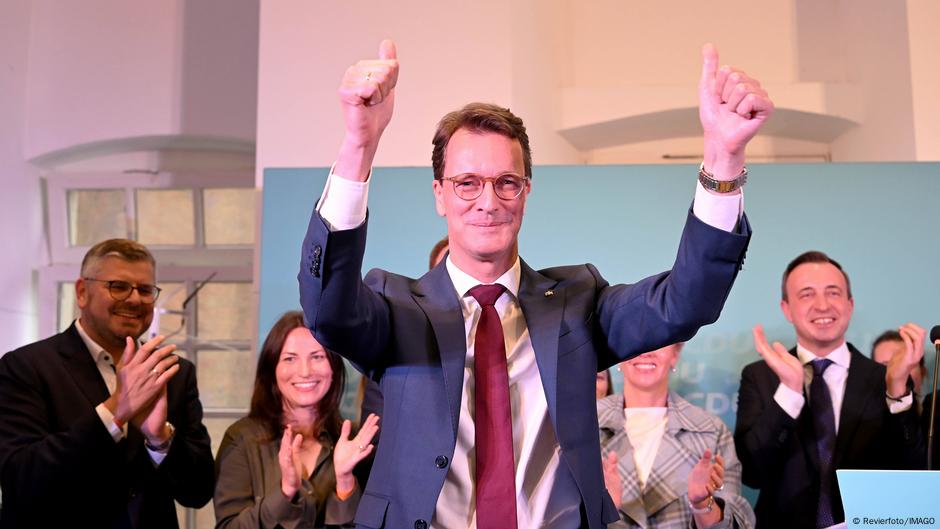
In Germany's North Rhine-Westphalia local elections, Chancellor Friedrich Merz's CDU finished first, but the far-right AfD made significant gains, nearly tripling its previous support and emerging as a major force in western Germany, reflecting broader political shifts and discontent with traditional parties.
In North Rhine-Westphalia, the CDU is projected to win the local elections, with the AfD making significant gains, reflecting shifting political dynamics in Germany. The Green Party suffered heavy losses, and the SPD remains disappointed with its performance. The election results are seen as a potential indicator of national political trends, with concerns over the rise of the far-right and implications for the governing coalition.
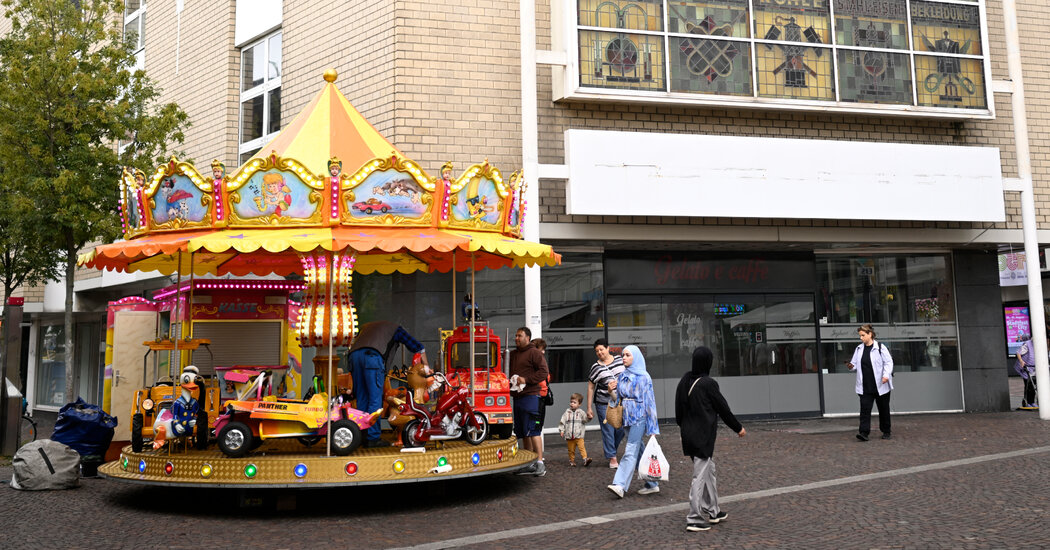
The upcoming local elections in North Rhine-Westphalia, Germany, serve as a key indicator of the national mood, with the far-right AfD party gaining popularity and potentially making significant gains, especially in industrial cities like Gelsenkirchen, amid concerns about the impact on mainstream political parties and the overall political landscape.
In North Rhine-Westphalia, the CDU is set to win the local elections, while the far-right AfD is gaining significant ground, reflecting broader political shifts and testing Merz’s government. The elections also saw a tragic incident where an elderly man died at a polling station. The results are seen as a barometer for national politics, especially concerning immigration and security issues.
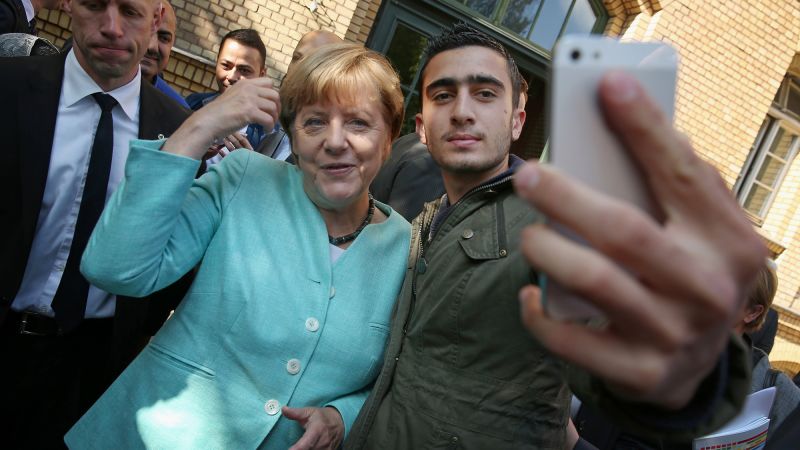
A decade after Germany opened its borders to over a million refugees in 2015, the country has experienced significant social and political changes, including a rise in anti-immigration sentiment and the growth of the far-right Afd party, while still being the leading destination for asylum seekers in the EU. The legacy of Merkel's 'welcome culture' remains complex, with ongoing debates about migration policies and integration.
Germany's coalition government has agreed to pursue welfare reforms and a 2027 budget, while economic forecasts for 2025 are lowered. Meanwhile, Porsche is set to return to the DAX index after a profit decline, and the far-right AfD is projected to gain significant support in Saxony-Anhalt. Additionally, media company MFE has acquired a majority stake in ProSiebenSat.1, and Germany plans to cut its contribution to the global health fund.
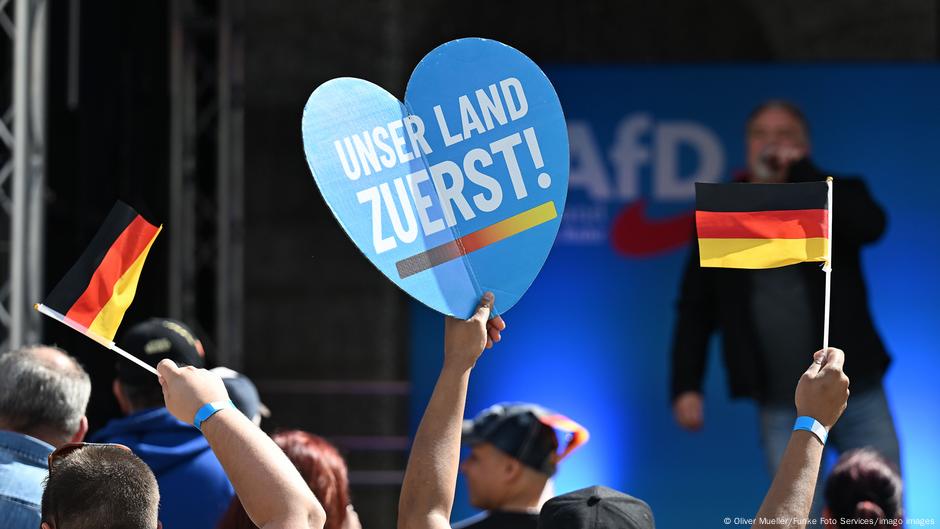
A recent poll indicates that the far-right Alternative for Germany (AfD) has become the most popular party in Germany, with 26% support, surpassing Chancellor Friedrich Merz's conservative bloc. This rise reflects a broader trend of populist parties gaining influence across Europe, raising concerns among mainstream leaders. The AfD, now the largest opposition party, has shifted from a single-issue euro-skeptic group to a party with hard-line anti-migrant and right-wing populist positions. Meanwhile, German Chancellor Merz faces declining approval, with 67% of Germans dissatisfied with his performance after 100 days in office.
The far-right Alternative for Germany (AfD) party is attempting to soften its public image without changing its core policies, focusing on appealing to conservative voters and provoking cultural conflicts to gain political influence, while facing internal and external challenges.