China has urged its banks to curb exposure to US Treasuries to reduce market risk, signaling a policy focus on safeguarding the financial system amid evolving US debt dynamics and market volatility.
The article discusses Donald Trump's proposed plans for Fannie Mae and Freddie Mac, which could potentially benefit hedge funds financially, though specific details of the plans are not provided in the excerpt.
A new federal rule has been introduced to limit overdraft fees at large banks, aiming to enhance consumer protection and reduce the financial burden on customers. This regulation is part of broader efforts to ensure fair banking practices and improve transparency in financial services.
President Joe Biden is committed to strengthening Social Security without cutting benefits or privatizing the program, proposing higher taxes on the wealthy. However, this solution may require significant tax code changes. An alternative proposal, raising the full retirement age (FRA), could help avoid benefit cuts but may force many workers to delay retirement, impacting their financial plans.
US regulators are expected to significantly reduce the extra capital banks must hold under the proposed Basel III rule, which aims to overhaul how banks with more than $100 billion in assets calculate the cash they must set aside to absorb potential losses. The expected changes include reducing the risk weights for fee income associated with lending services, scrapping or reducing higher risk weights on mortgages to low-income borrowers and on renewable energy tax credits. The proposal has faced aggressive pushback from Wall Street, with banks mounting advertising and grassroots campaigns, lobbying Congress, and signaling potential lawsuits. Fed officials, including Chair Jerome Powell, are working on rewriting the proposal, with the possibility of reproposing the rule still on the table.
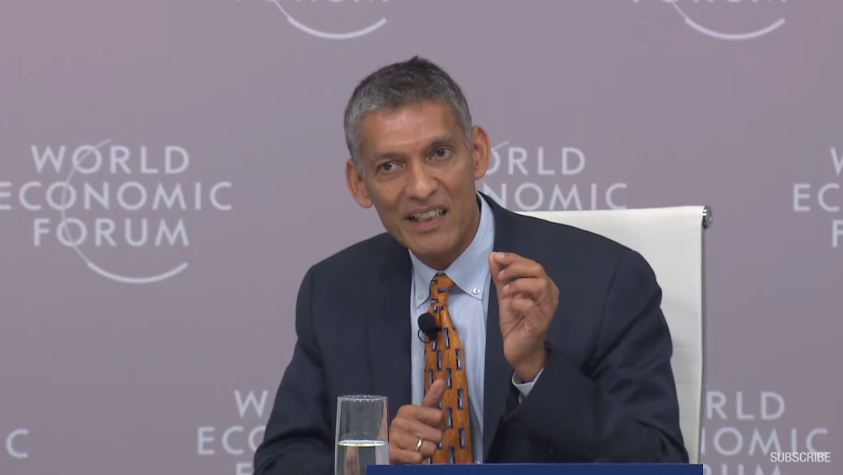
Governments discussed at the World Economic Forum "Summer Davos" meeting in China the potential for programmable Central Bank Digital Currencies (CBDCs) that could have expiry dates and restrictions on certain purchases deemed undesirable by the government, such as ammunition, drugs, or pornography. While some experts see the benefits of programmability, others express concerns about the potential dangers and impact on the integrity and independence of central banks. While central banks like the European Central Bank have stated that programmability would be left to commercial banks, some countries, like India and Nigeria, are exploring programmable CBDCs with different features and limitations. Programmability remains a key feature of CBDCs, offering governments and banks control over the use and flow of digital currency.
China is preparing to implement a new round of stimulus measures as its economic recovery falters. The government is expected to focus on boosting domestic consumption and investment, while also providing support to struggling small and medium-sized enterprises. The move comes as China's GDP growth slowed to 4.9% in Q3, below expectations, and amid ongoing trade tensions with the US.