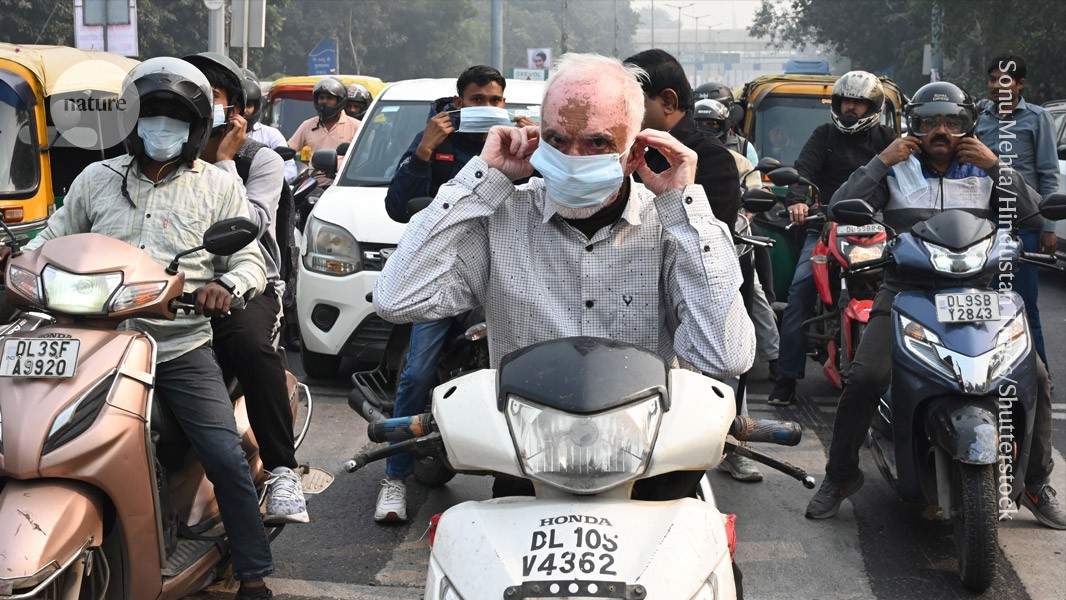
A Xi’an, China study found microplastics in city air within PM2.5 tripled over the study period, with post‑pandemic samples dominated by white/transparent fibers from discarded masks. Inhaled microplastics can deposit in the nose, throat, and lungs, and younger people may be more susceptible. Sources include masks, synthetic clothing, tires, and packaging; aging plastics and ozone may boost release. Outdoors indoors exchange and air monitors, along with cleaner streets and better waste management, could help reduce exposure, and some cities promote reusable masks. The study was published in the Journal of Geophysical Research.
High air pollution can significantly reduce the health benefits of outdoor exercise, with pollution levels above 35μg/m^3 PM2.5 making exercise benefits non-significant and potentially harmful above 50μg/m^3. Despite this, exercise remains beneficial in most environments, but awareness and air quality improvements are crucial for maximizing health benefits and reducing risks.
A study links indoor wood burning to increased lung damage, showing that it causes faster decline in lung function similar to cigarette smoke, raising health concerns despite its popularity in affluent areas.
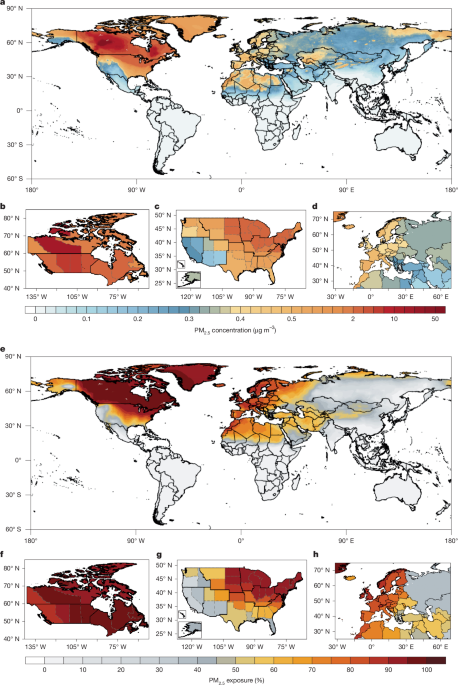
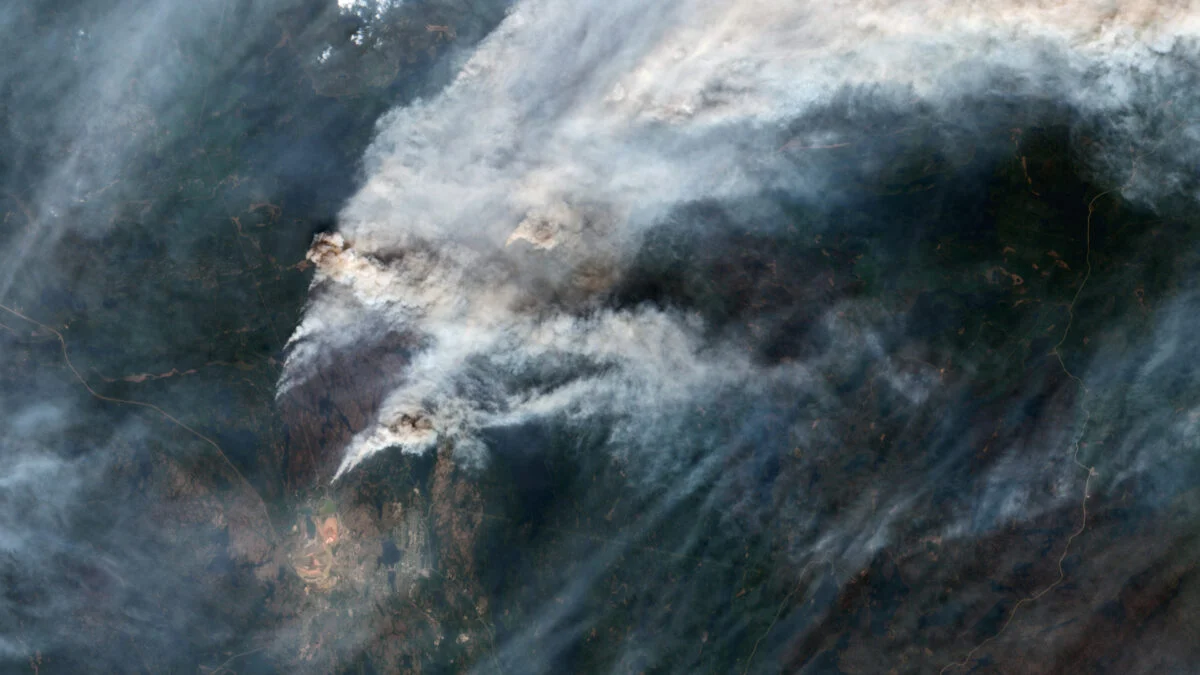
The 2023 Canadian wildfires burned a record amount of forest, significantly increasing PM2.5 pollution globally, affecting air quality and causing an estimated 5,400 acute and 82,100 chronic deaths worldwide, with impacts reaching North America, Europe, and beyond, highlighting the extensive health and environmental consequences of large-scale wildfires.
A study links fine particulate air pollution (PM2.5) to Lewy body dementia by showing that exposure triggers toxic alpha-synuclein protein clumps in the brain, increasing disease risk and suggesting pollution as a potential target for prevention and treatment.
A large study links long-term exposure to PM2.5 air pollution with an increased risk of developing Lewy body dementia, especially in genetically predisposed individuals, with experiments in mice supporting the connection between pollution, protein buildup in the brain, and dementia development.
Research suggests that fine-particulate air pollution (PM2.5) can trigger the formation of toxic protein clumps in the brain, leading to Lewy body dementia, and highlights the importance of improving air quality as a modifiable factor to prevent neurodegenerative diseases.
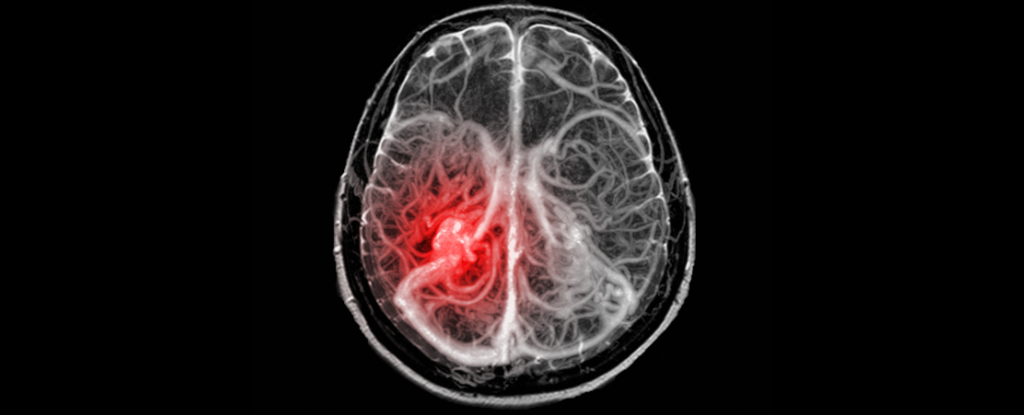
A study in Utah suggests a potential link between increased air pollution, specifically PM2.5 levels, and a higher risk of brain hemorrhages, with exposure possibly weakening blood vessel walls over time, though causality has not been confirmed.
A comprehensive study by Cambridge researchers links exposure to air pollutants like PM2.5, nitrogen dioxide, and soot to an increased risk of dementia, emphasizing the need for government action to reduce air pollution and its health impacts.
Wildfire smoke, containing toxic gases, particulate matter, and potentially microbial pathogens, poses serious health risks beyond respiratory issues, including cardiovascular, neurological, and mental health effects, with research emphasizing the need for protective measures and further study.
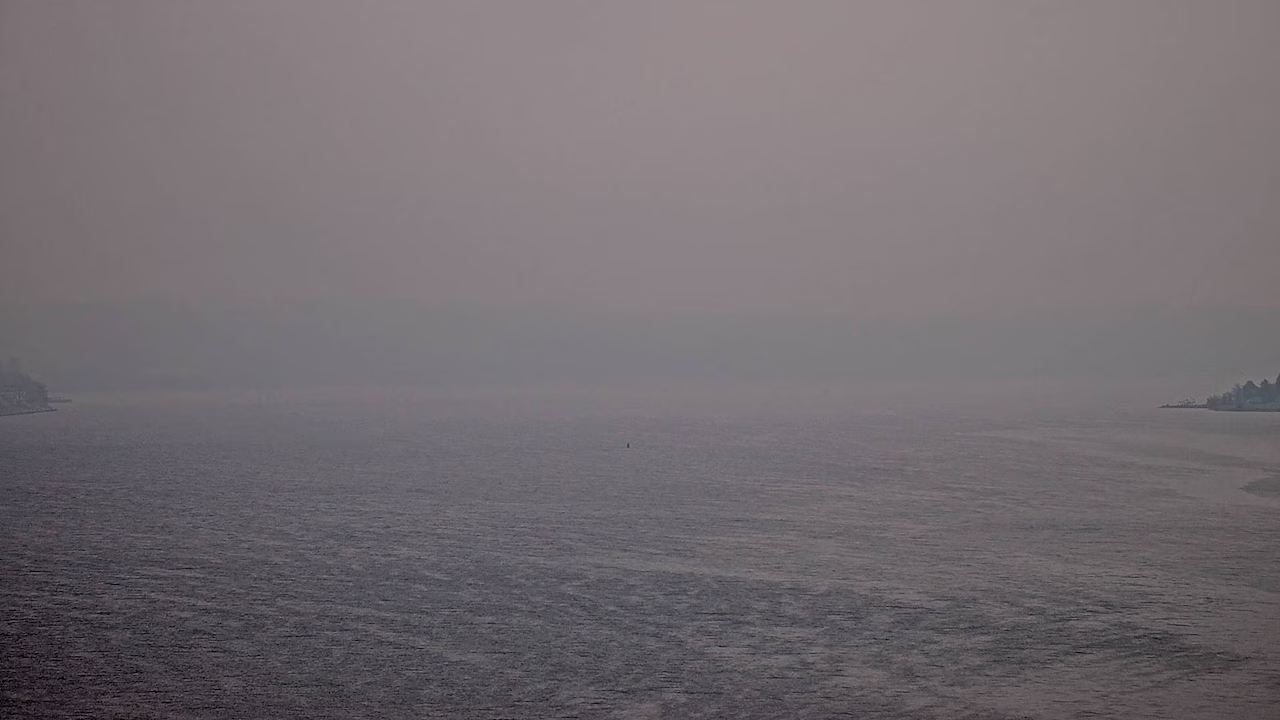
Smoke from Canadian wildfires has led to an upgraded Air Quality Alert in Michigan, now classified as 'Unhealthy' for all individuals across the Upper Peninsula and parts of northwest Lower Michigan, prompting health precautions due to small particulate matter that can affect breathing.
A study published in JAMA Neurology found that exposure to fine particulate matter (PM2.5) from wildfires significantly increases the risk of dementia, with an 18% increase in odds for every 1 μg/m3 rise in wildfire PM2.5. This risk is notably higher than PM2.5 from other sources and is more pronounced among younger individuals, economically disadvantaged groups, and certain minorities. The findings highlight the need for interventions to reduce wildfire smoke exposure and address climate change to mitigate dementia risk and socioeconomic disparities.
A study reveals that US girls exposed to high levels of PM2.5 air pollution are experiencing their first periods earlier, a trend also observed globally. This early onset of puberty, particularly pronounced in lower socioeconomic and ethnic minority groups, is linked to long-term health risks such as reproductive cancers, metabolic syndromes, and cardiovascular diseases. Researchers suggest that exposure to pollutants like PM2.5 disrupts hormonal processes, accelerating puberty. The phenomenon is multifactorial, involving environmental chemicals, obesity, and psychosocial factors.
Columbus has been ranked as the most polluted major city in the U.S. for the second year in a row, according to a report by IQAir. The city's fine particulate matter (PM2.5) levels exceed World Health Organization guidelines, with ozone pollution being a significant concern during the summer months. The United States experienced increased pollution levels due to Canadian wildfires, while some major cities saw a decrease. Globally, countries like Bangladesh, Pakistan, and India, as well as cities in India, were among the most polluted areas.
A recent study by IQAir found that only 10 out of 134 countries and territories met the World Health Organization's standards for fine particulate matter pollution, with most countries exceeding the recommended levels. This form of air pollution, known as PM2.5, is linked to millions of premature deaths annually and is primarily caused by fossil fuel emissions. The countries with the worst air quality were predominantly in Asia and Africa, while the few areas meeting the guidelines were mostly islands, Australia, and northern European countries.