
The Rise of "Impossible" Worlds
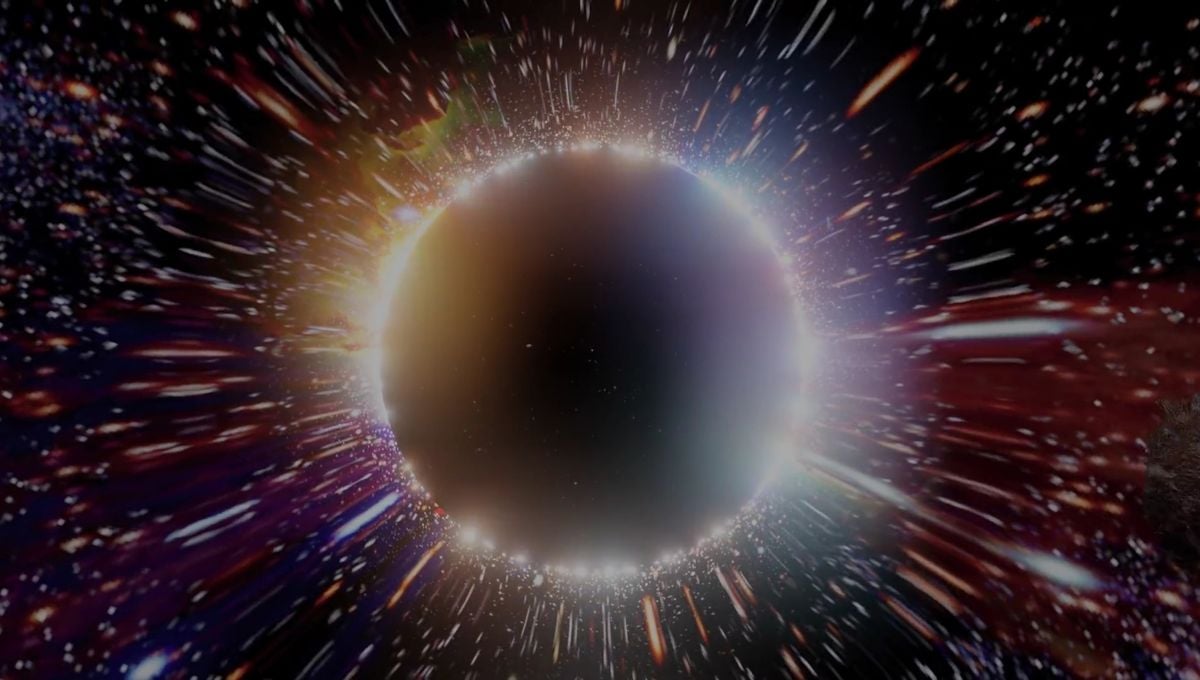
Astronomers have discovered a variety of "impossible" worlds beyond our Solar System, challenging our understanding of planets. These include Exoplanet LTT9779b, a hot Neptune-sized planet with glassy metallic clouds, and VHS 1256 b, a puzzling object that may be a planet or a brown dwarf with silica clouds. The discovery of a brown dwarf weighing just three to four times the mass of Jupiter and free-floating Jupiter Mass Binary Objects (JuMBOs) in the Orion Nebula further blurs the line between planets and stars. Observations from the James Webb Space Telescope (JWST) have also revealed the survival of rocky planet building blocks around hot stars and the presence of water in star systems. Additionally, the discovery of a potential co-planer planet in the PDS 70 system and a six-planet system in resonance around star HD 110067 are expanding our understanding of planetary systems.
Reading Insights
0
1
5 min
vs 6 min read
88%
1,139 → 142 words
Want the full story? Read the original article
Read on IFLScience