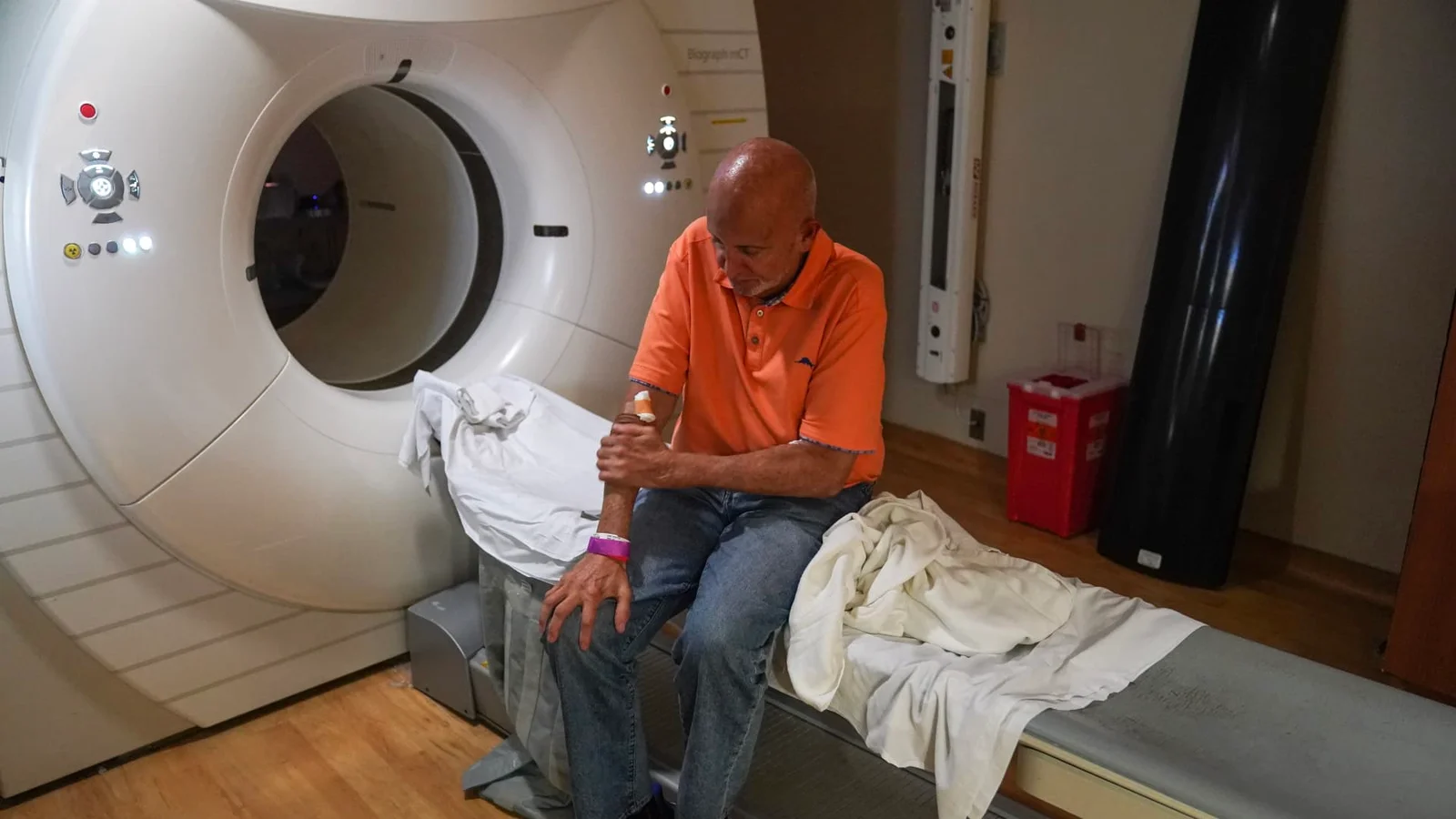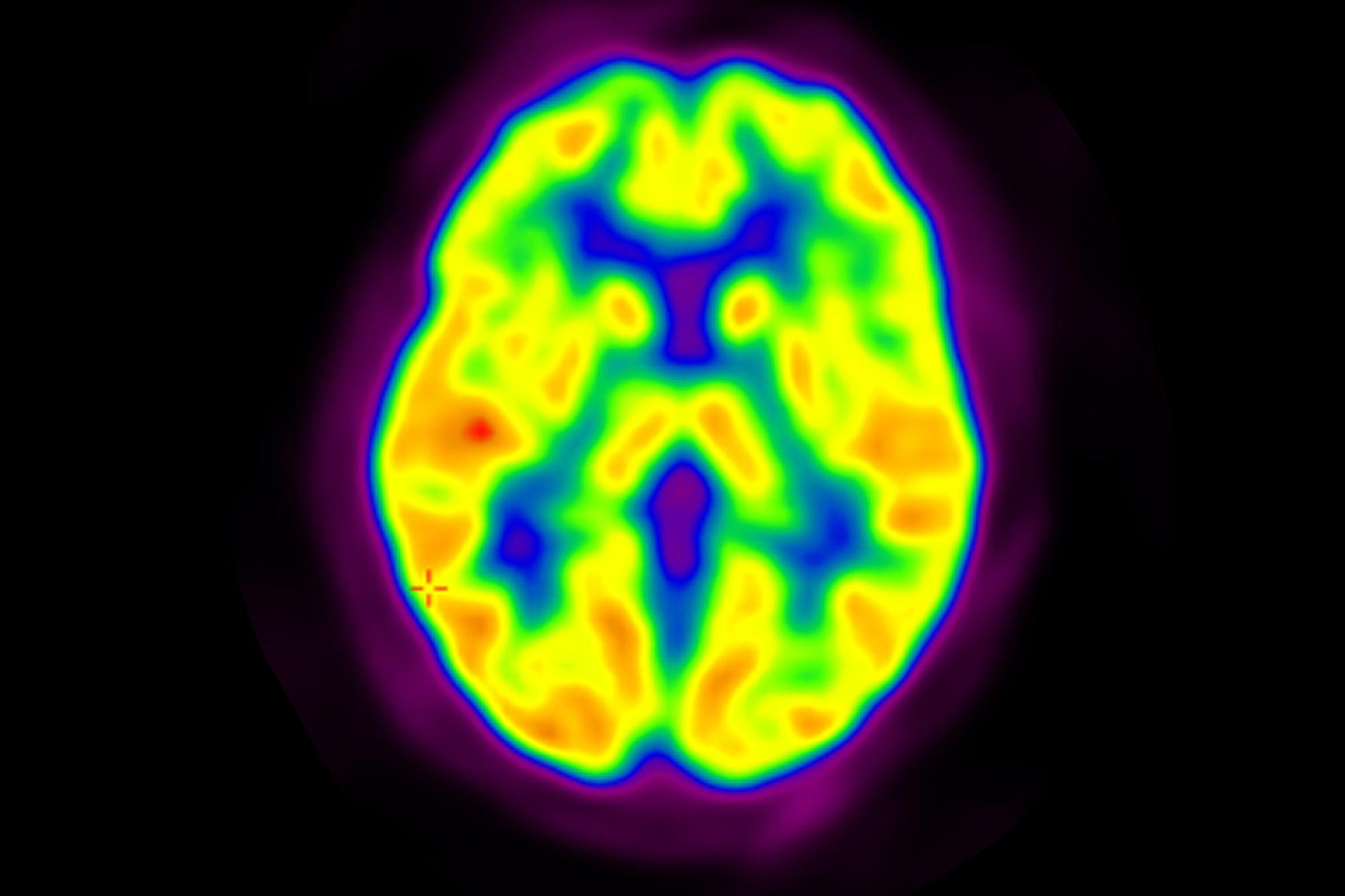
A new study using PET scans has found that autistic individuals have fewer synapses in their brains, which correlates with more pronounced autism traits such as social and communication difficulties. This discovery marks the first time synaptic density has been measured in living autistic individuals and could revolutionize diagnostic and treatment approaches, potentially leading to more targeted interventions. The research highlights the importance of understanding the biological underpinnings of autism to improve support and quality of life for those on the spectrum.
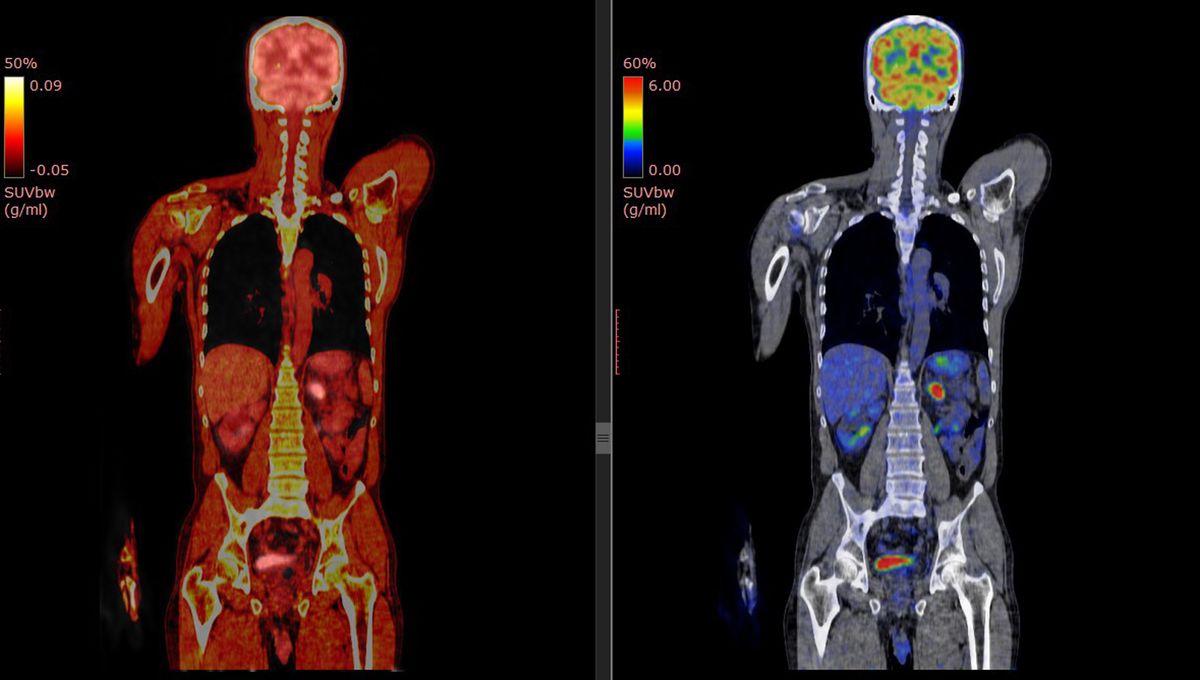
A new study has found that T cells may play a significant role in Long COVID by remaining activated in various parts of the body long after the initial infection. Using PET scans, researchers observed T cells in the lungs, gut, and other organs of Long COVID patients, suggesting the presence of long-term virus reservoirs. This discovery could pave the way for targeted treatments and new clinical trials to address the lingering effects of COVID-19.
Recent research using PET scans has shown that exercise leads to increased dopamine release in the brain, which is linked to improved cognitive performance and faster reaction times. The study suggests that voluntary exercise, as opposed to forced muscle movement, is essential for this dopamine-related enhancement of brain function. These findings have potential therapeutic implications for conditions influenced by dopamine, such as Parkinson’s disease and ADHD, and highlight the importance of exercise for cognitive health.
Medicare now routinely pays for amyloid-PET scans to help diagnose early-stage Alzheimer's and determine eligibility for new drugs, but experts question the reliability of these scans in accurately identifying the disease and measuring drug benefits. The costs of the scans and new drugs raise concerns about spending on unreliable testing and potentially ineffective treatments. Alternative diagnostic methods are being explored, but challenges remain in accurately diagnosing Alzheimer's. The use of amyloid-PET scans as a proxy for Alzheimer's and the modest benefits of new drugs raise further questions about their effectiveness.
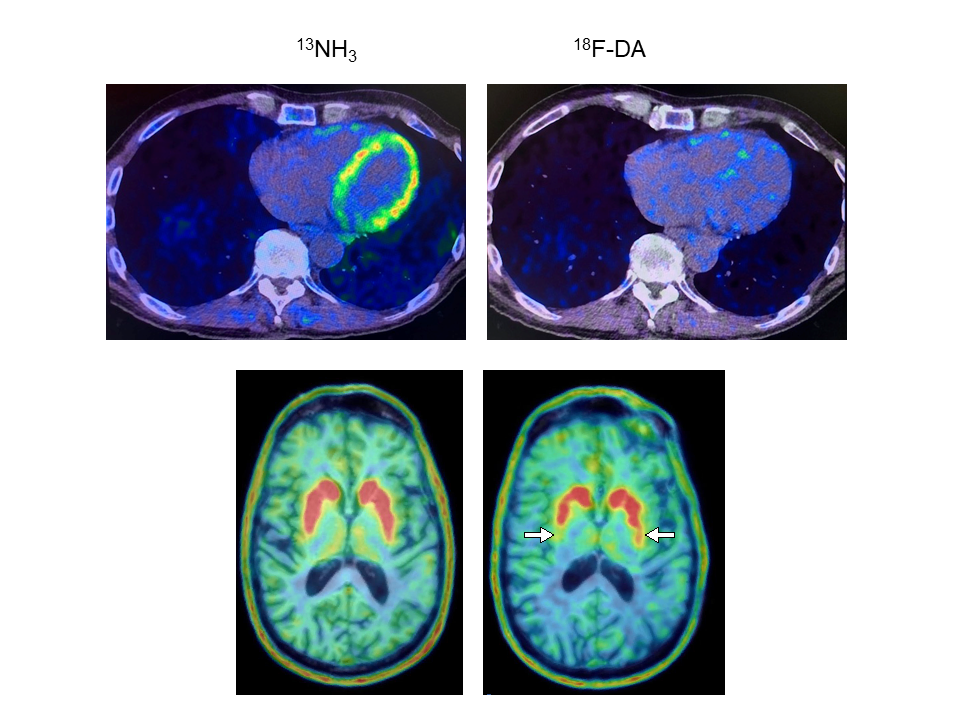
PET scans of the heart can potentially identify individuals at risk for Parkinson's disease or Lewy body dementia up to seven years before symptoms appear. The loss of norepinephrine in the heart, a signaling molecule derived from dopamine, precedes the loss of dopamine in the brain and the onset of symptoms. Early detection allows for interventions to start early, potentially increasing their effectiveness. The study highlights the potential of cardiac PET scans in diagnosing these neurodegenerative disorders before significant damage occurs.
PET scans of the heart may help predict the development of Parkinson's disease and dementia with Lewy bodies. Researchers found that low levels of dopamine in the heart were strong predictors of later development of these conditions. This could lead to earlier diagnosis and potential interventions before significant damage occurs. However, further research is needed to determine the effectiveness of this method in a larger population.
PET scans of the heart may be able to detect Parkinson's disease and Lewy body dementia in individuals at risk for these diseases. Researchers at the National Institutes of Health conducted PET scans on 34 people with Parkinson's disease risk factors and found that the scans could distinguish those who would later be diagnosed with the diseases. The scans measured levels of the neurotransmitter norepinephrine, which is derived from dopamine and is deficient in the brains of people with Parkinson's disease. Detecting these diseases early on could allow for early interventions and testing of preventative approaches.
The delayed effectiveness of selective serotonin reuptake inhibitors (SSRIs), commonly used to treat depression, has long puzzled scientists. A recent study conducted by researchers at the University of Copenhagen suggests that SSRIs may improve neuroplasticity, the brain's ability to rewire and form new connections between neurons. Using PET scans, the study found that participants who took SSRIs for a longer duration showed increased synaptic density, indicating enhanced neuroplasticity. This finding may help explain why SSRIs take weeks to alleviate depressive symptoms and could potentially lead to the development of new treatments that accelerate synapse formation. However, further research is needed to understand the complex biological causes of depression and personalize treatment approaches.
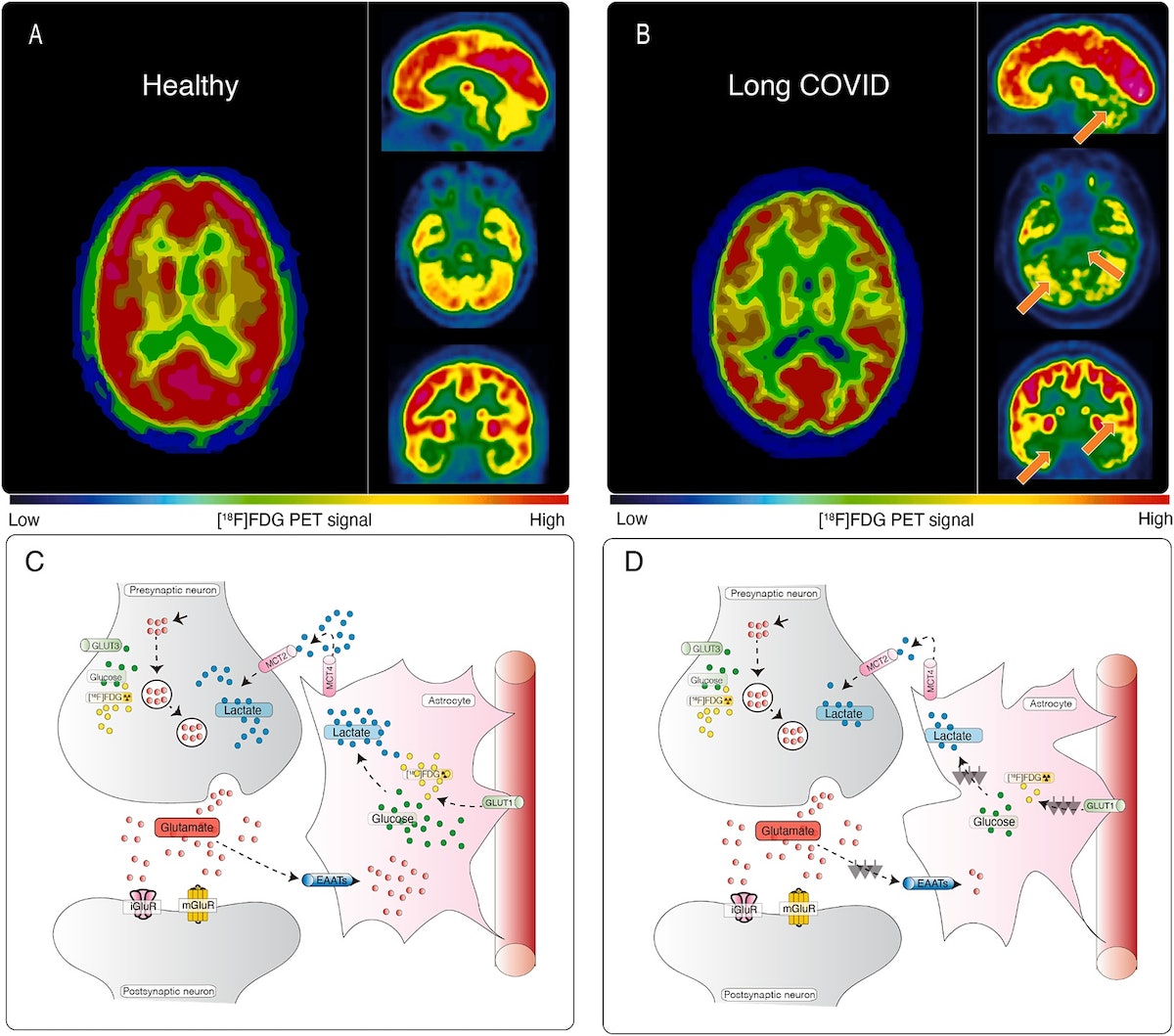
Researchers in France have proposed a hypothesis for the cause of long COVID brain fog, suggesting that brain inflammation triggered by COVID-19 may disrupt the regulation of glutamate by astrocyte cells, leading to cognitive fatigue. The study, based on PET scans of long COVID patients, identified a pattern of hypometabolism associated with astrocyte dysfunction and glutamatergic dysregulation. The authors propose targeting astrocytic glutamate regulation as a potential therapeutic approach. Further research is needed to establish a definitive link between reactive astrocytes and long COVID, and to understand the underlying mechanisms.
Medicare is proposing to expand its coverage of PET scans, a diagnostic tool used to help diagnose Alzheimer's disease. The current policy of only covering one PET scan per lifetime for patients participating in clinical trials would be abolished. Regional organizations called Medicare Administrative Contractors would have the authority to decide whether to cover the scans based on their "reasonableness and necessity" for diagnosis. This change could make it easier for patients to access new treatments for Alzheimer's. Medicare has already agreed to cover the Alzheimer's treatment Leqembi, and will also cover other antibody treatments for Alzheimer's if they receive FDA approval. The proposed policy has been welcomed by the Alzheimer's Association as a "major step forward" in removing barriers for patients.
Researchers from the Centre for Addiction and Mental Health (CAMH) have found evidence of brain inflammation in people with cognitive and depressive symptoms months after their COVID-19 infections. The study shows brain inflammation in people who have recovered from acute COVID-19 but go on to have lasting neurological problems, even though their initial infection wasn't severe. The researchers did positron emission tomography (PET) scans on the brains of 20 participants who had started suffering from depression within three months of testing positive for COVID-19. The most pronounced increase in inflammation was in two areas of the brain -- the ventral striatum and dorsal putamen, the study said.