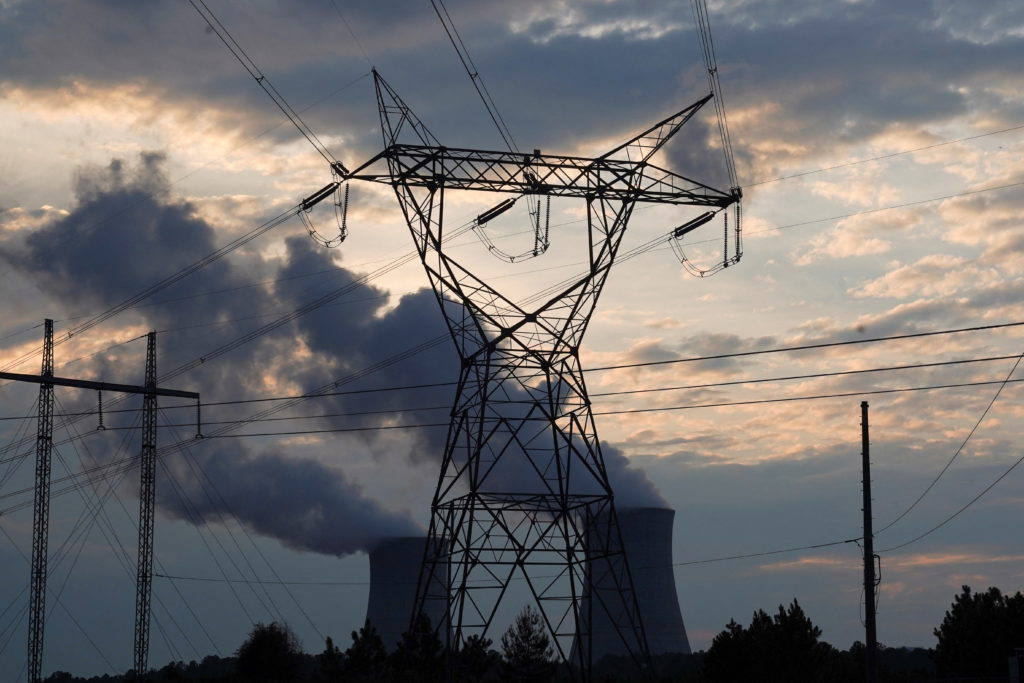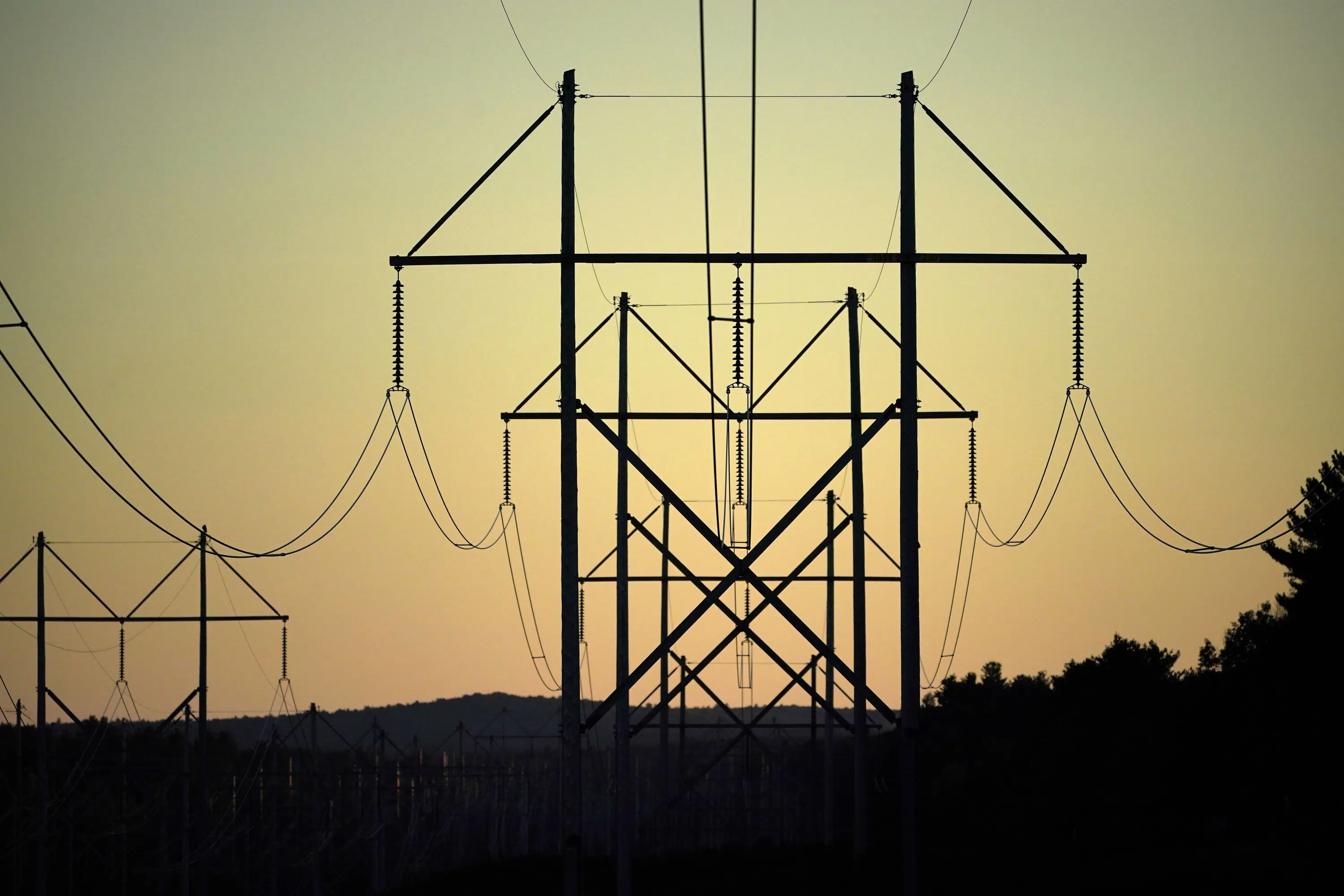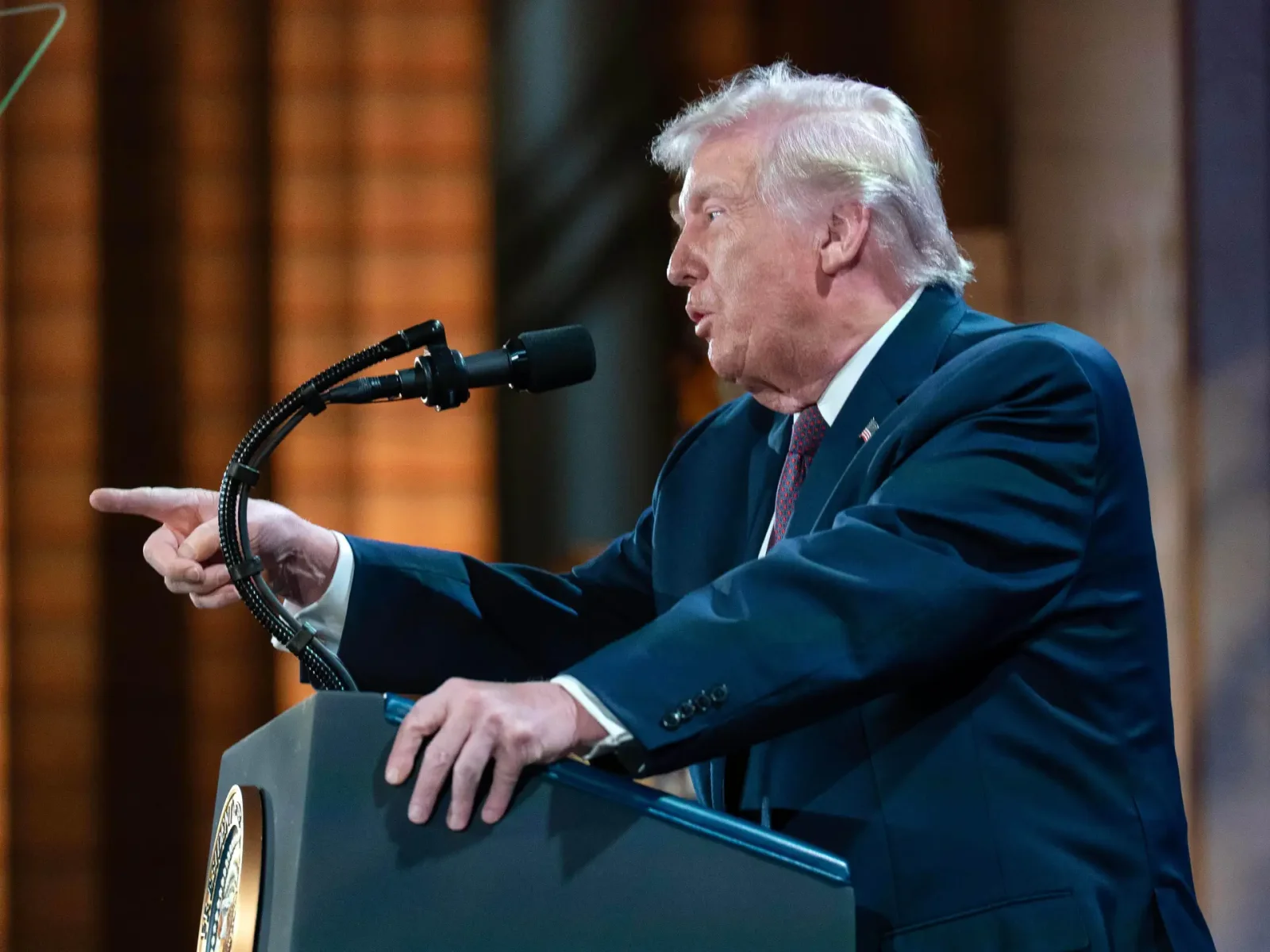
The White House has finalized a plan to roll back regulations under the National Environmental Policy Act, aiming to reduce bureaucratic delays in approving energy and infrastructure projects, amidst ongoing legislative debates on streamlining permitting processes. The move is part of broader efforts to address perceived red tape, though it faces criticism from Democrats and environmental advocates.
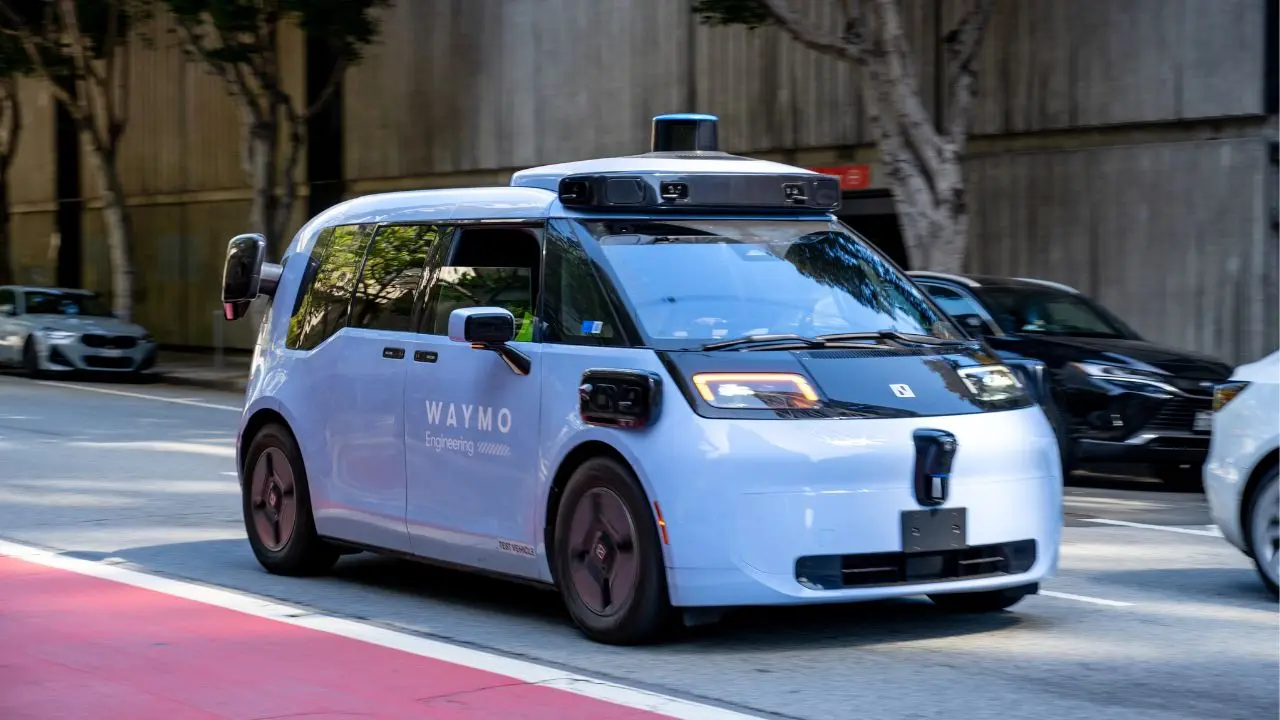
Waymo has received the first permit to test autonomous vehicles in New York City, allowing up to eight self-driving cars to operate in Manhattan and Brooklyn under strict safety rules, marking a significant step in the city's adoption of autonomous vehicle technology.
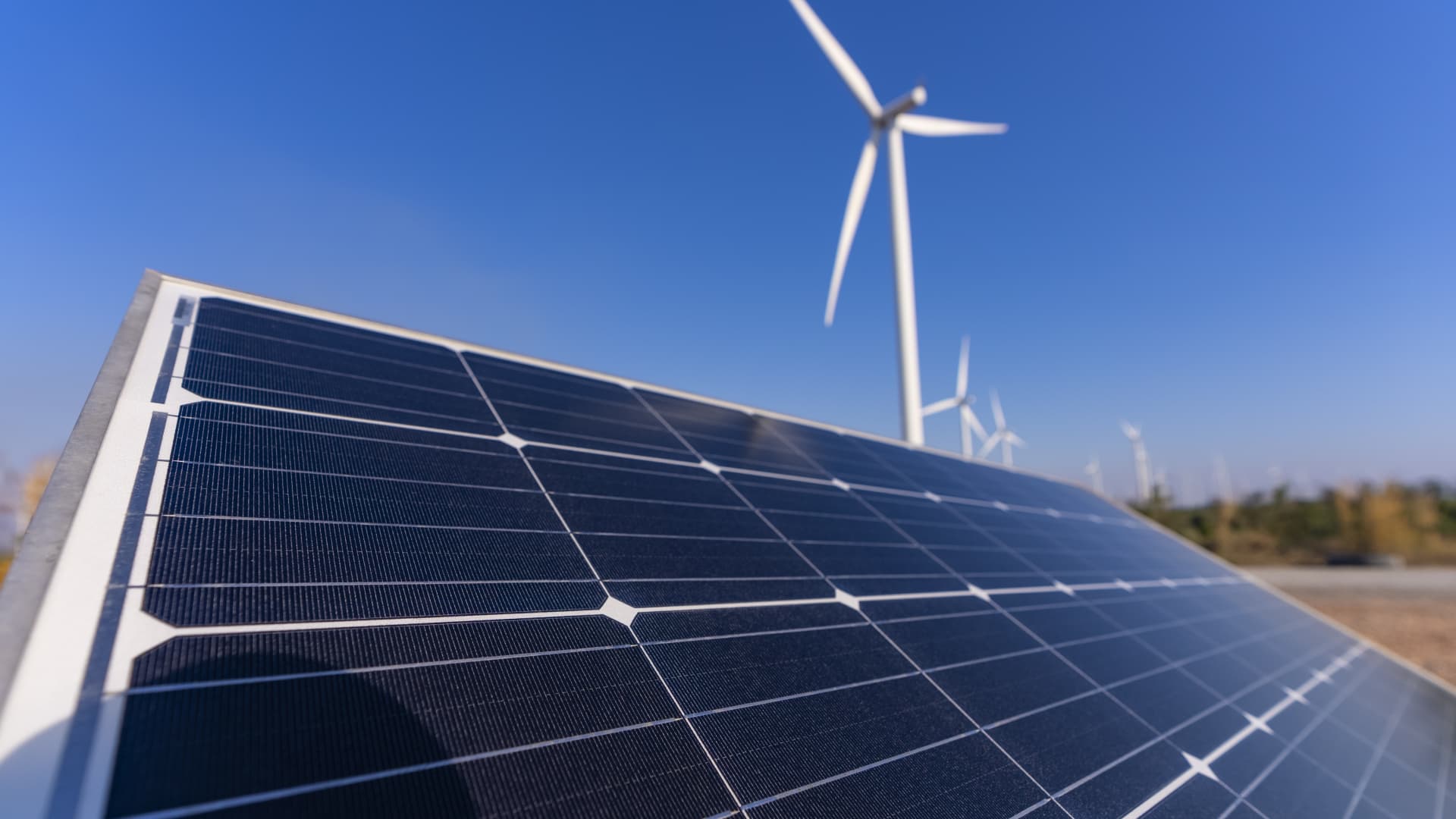
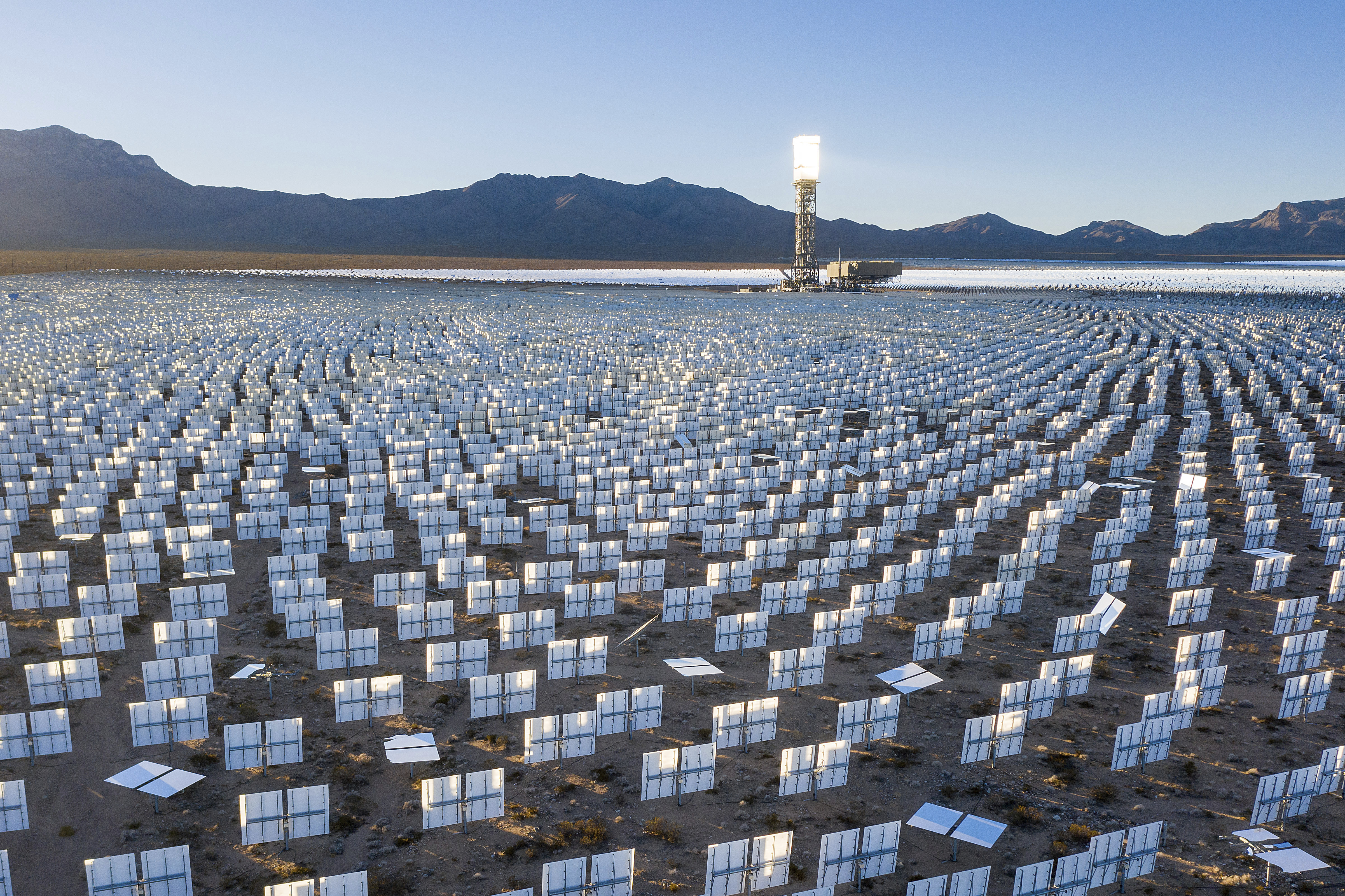
Renewable energy executives warn that President Trump's recent stance against solar and wind projects, including blocking permits, could lead to a power shortage, higher electricity prices, and increased costs for projects due to tariffs and regulatory uncertainty, ultimately threatening the stability of the U.S. electric grid and slowing the growth of renewables.
An Interior Department memo could significantly hinder the development of wind, solar, and battery storage projects in the U.S., drawing criticism from lawmakers and industry leaders who argue it adds unnecessary bureaucracy and political interference at a time when renewable energy is rapidly expanding and crucial for meeting rising energy demands.
The Trump Administration has launched a Permitting Technology Action Plan to modernize and streamline federal environmental review and permitting processes for infrastructure projects, aiming to reduce delays, improve efficiency, and leverage new technologies across agencies.
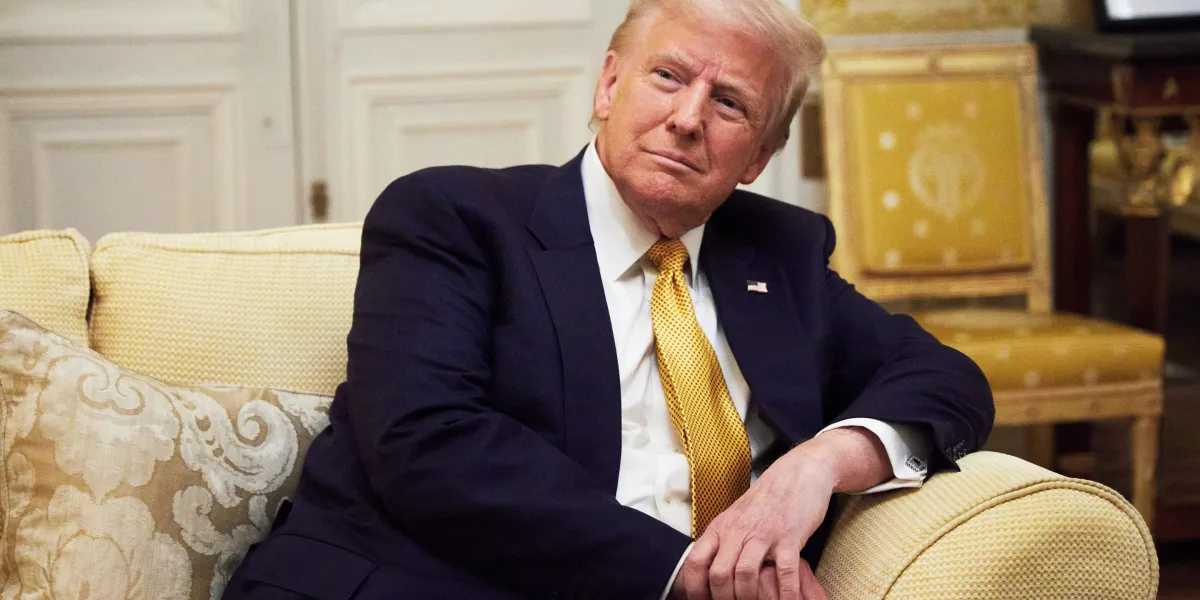
President-elect Donald Trump has promised expedited permits for individuals or companies investing at least $1 billion in the U.S., aiming to boost domestic energy and infrastructure projects. This aligns with his broader agenda to reduce federal regulations and promote economic growth. However, such efforts may face challenges at state and local levels, and significant changes to the federal permitting process would require Congressional approval. Trump's administration plans to focus on energy production, with key appointments reflecting this priority.
Flock Safety, a $4 billion car surveillance startup, has faced allegations of breaking state laws in multiple states due to unpermitted installations of its AI-powered license plate readers along public roadways. The company's rapid growth has been fueled by its surveillance system, which claims to operate in 4,000 cities across 42 states. Despite its success with law enforcement agencies, Flock has encountered permitting issues and regulatory challenges, leading to bans on new installations in some states and a pause in South Carolina. The company has faced criticism for its approach to permitting and has been accused of bypassing proper channels, but it maintains that it operates within the bounds of the law and is dedicated to addressing any issues.
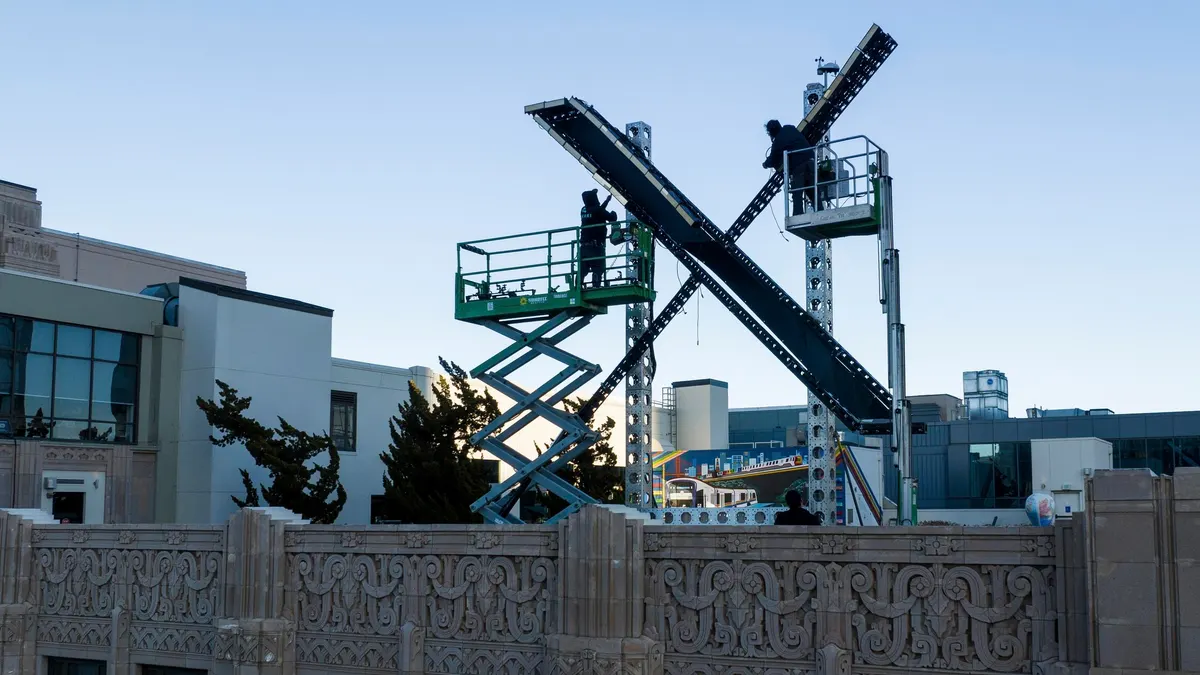
The landlord of Twitter's San Francisco headquarters, Shorenstein, paid over $4,000 in fees to the city after a glowing "X" sign was constructed and removed from the roof without proper permits. The sign, part of Elon Musk's rebranding of Twitter as "X," drew scrutiny from local permitting officials. Shorenstein paid $3,686 in enforcement fees and an additional $761 for a permit to remove the sign. Musk had previously clashed with Shorenstein over unpaid rent and has faced pressure for other changes to the building.
President Biden's pursuit of ambitious reductions in greenhouse gas emissions is being hindered by the slow permitting process for power plants, transmission lines, and other projects. The issue has become a feature of high-stakes budget talks between the White House and House Republicans. Biden's vision of hard-hat environmentalism promises that shifting away from fossil fuels will generate blue-collar jobs. However, reaching a deal will likely involve trade-offs that are difficult for Democrats and environmentalists to stomach.
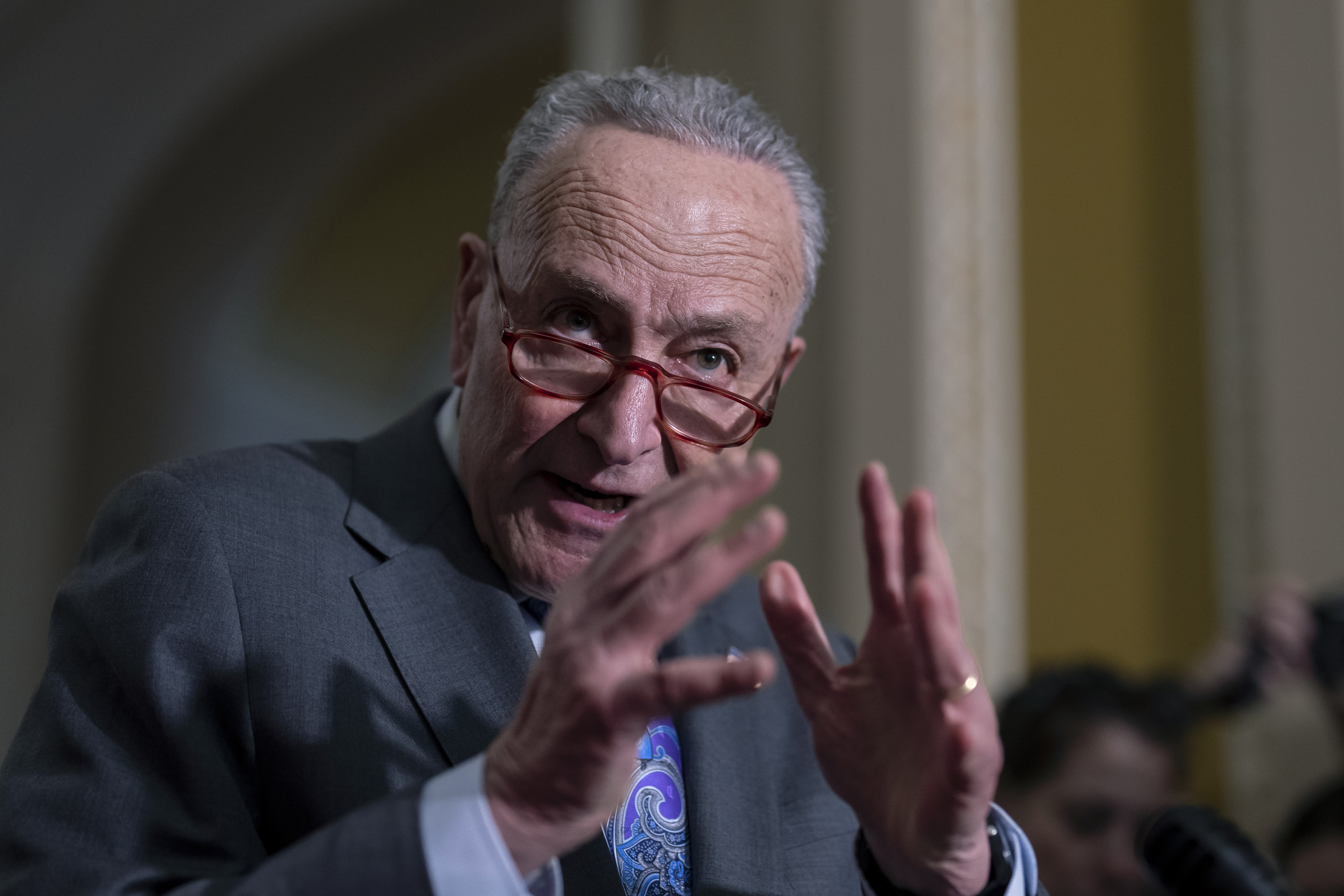
Senate Majority Leader Chuck Schumer criticized House Republicans' energy package, calling it a "nonstarter" for negotiations to ease permitting for clean energy and fossil fuel projects. The bill combines measures to streamline permitting reviews under the National Environmental Policy Act for energy projects and mines, with partisan priorities like prohibiting a ban on fracking and disapproving of President Joe Biden's decision to kill the Keystone XL pipeline. Schumer criticized the GOP's opening bid on easing the permitting review process, saying it includes "none of the important permitting reforms that would help bring transmission and clean energy online faster." Despite his criticism, Schumer held out the potential for bipartisan talks.