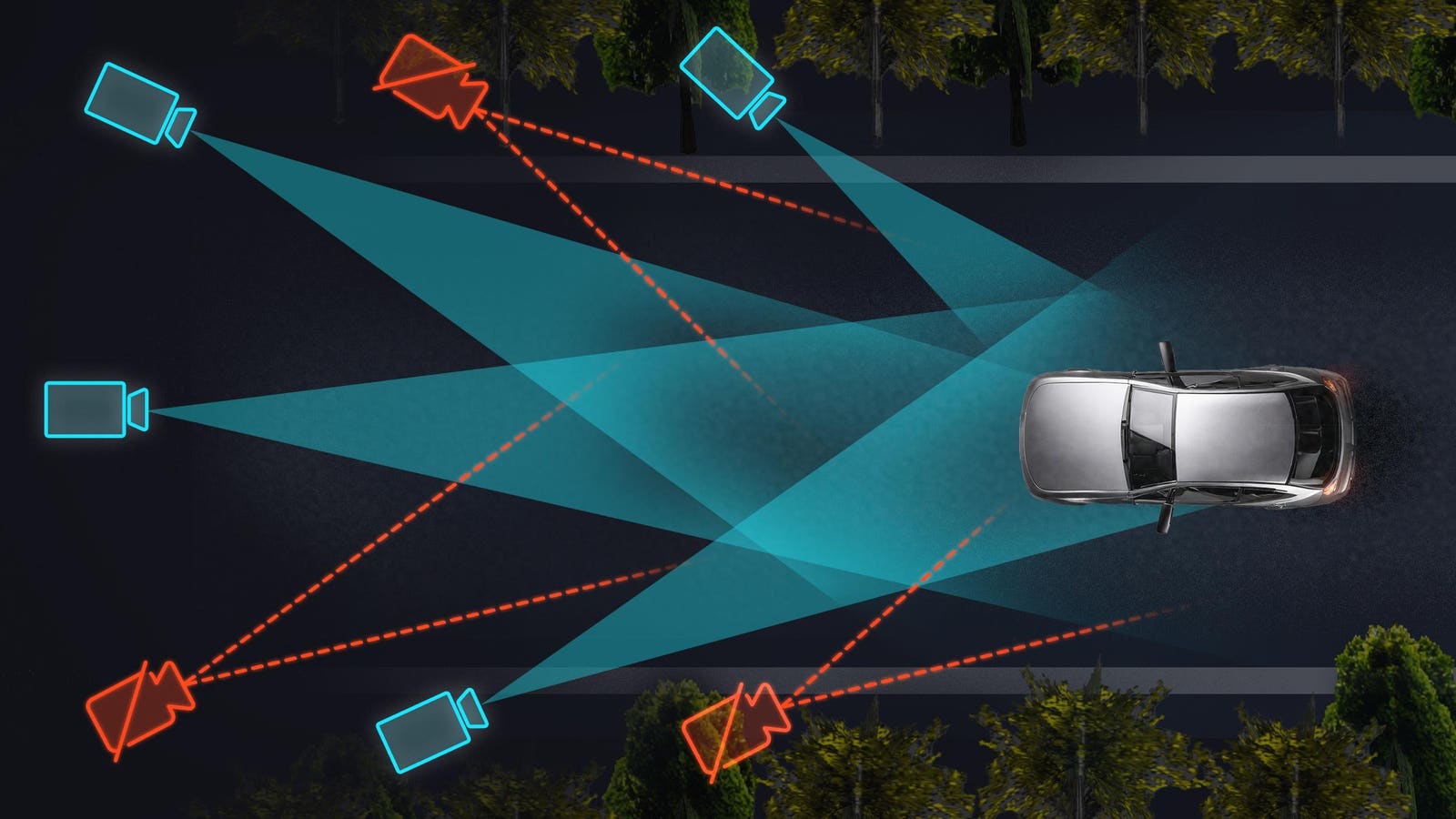
Investigators used controversial license plate reader technology from Flock Safety to track a suspect involved in shootings at Brown University and MIT, leading to the suspect's death and ending a days-long manhunt, amid ongoing debates over privacy and surveillance concerns.
Flock Safety, a company providing license plate reading cameras and drones for law enforcement, has helped locate suspects in recent shootings but faces criticism over privacy issues and community trust, leading some cities to cancel contracts. The CEO defends the technology as essential for safety and emphasizes responsible use and accountability.
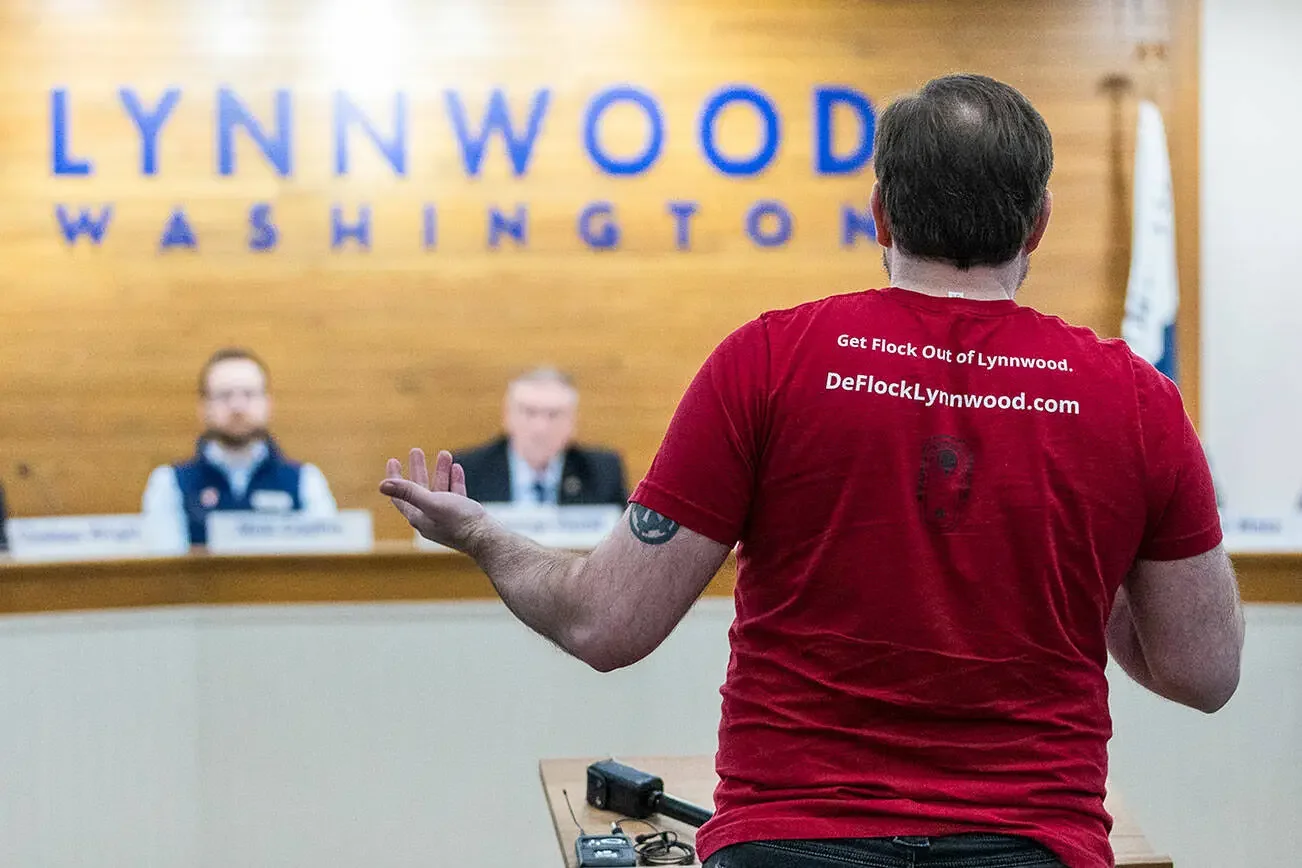
Liberal towns in the US are reconsidering the use of Flock Safety license plate readers due to privacy concerns and fears of federal overreach, especially amid increased immigration enforcement and Trump's administration policies. Several cities have paused or terminated their contracts with Flock, citing issues with data sharing and trust, highlighting the tension between public safety and individual privacy rights.
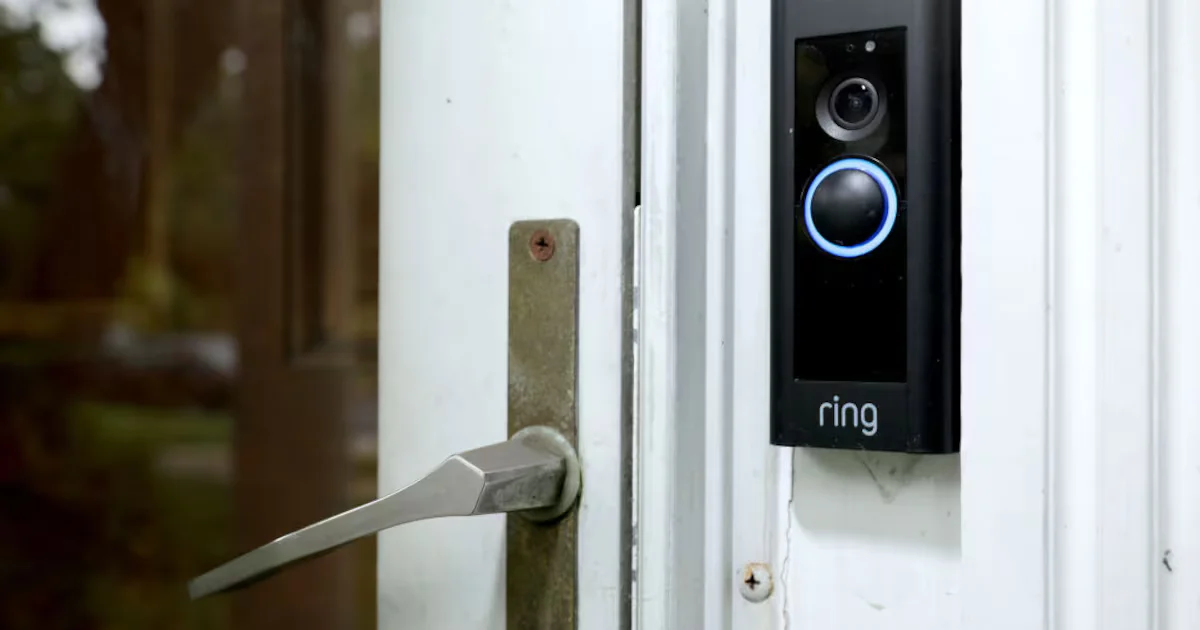
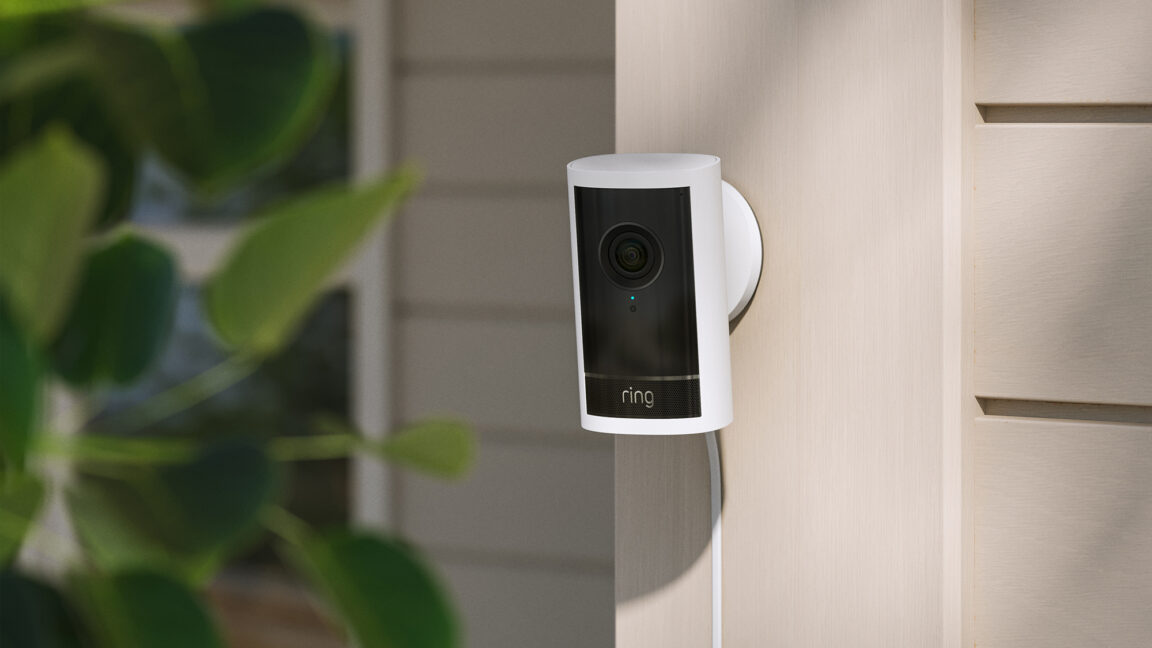
Amazon's Ring partners with Flock Safety to give law enforcement easier access to camera footage, raising privacy concerns due to potential federal agency access and facial recognition features, despite claims of voluntary participation and privacy safeguards.
A lawsuit in Norfolk, Virginia, reveals that Flock Safety's license plate cameras logged a resident's location 526 times over four months, raising concerns about mass surveillance and privacy violations, with critics arguing that such tracking without warrants infringes on Fourth Amendment rights.
A lawsuit in Norfolk, Virginia, reveals that Flock Safety's license plate cameras tracked two residents' locations hundreds of times over four months, raising concerns about mass surveillance and privacy violations under the Fourth Amendment. The case highlights the widespread use of ALPR technology by law enforcement and private entities, and ongoing debates about privacy rights and legal limits.
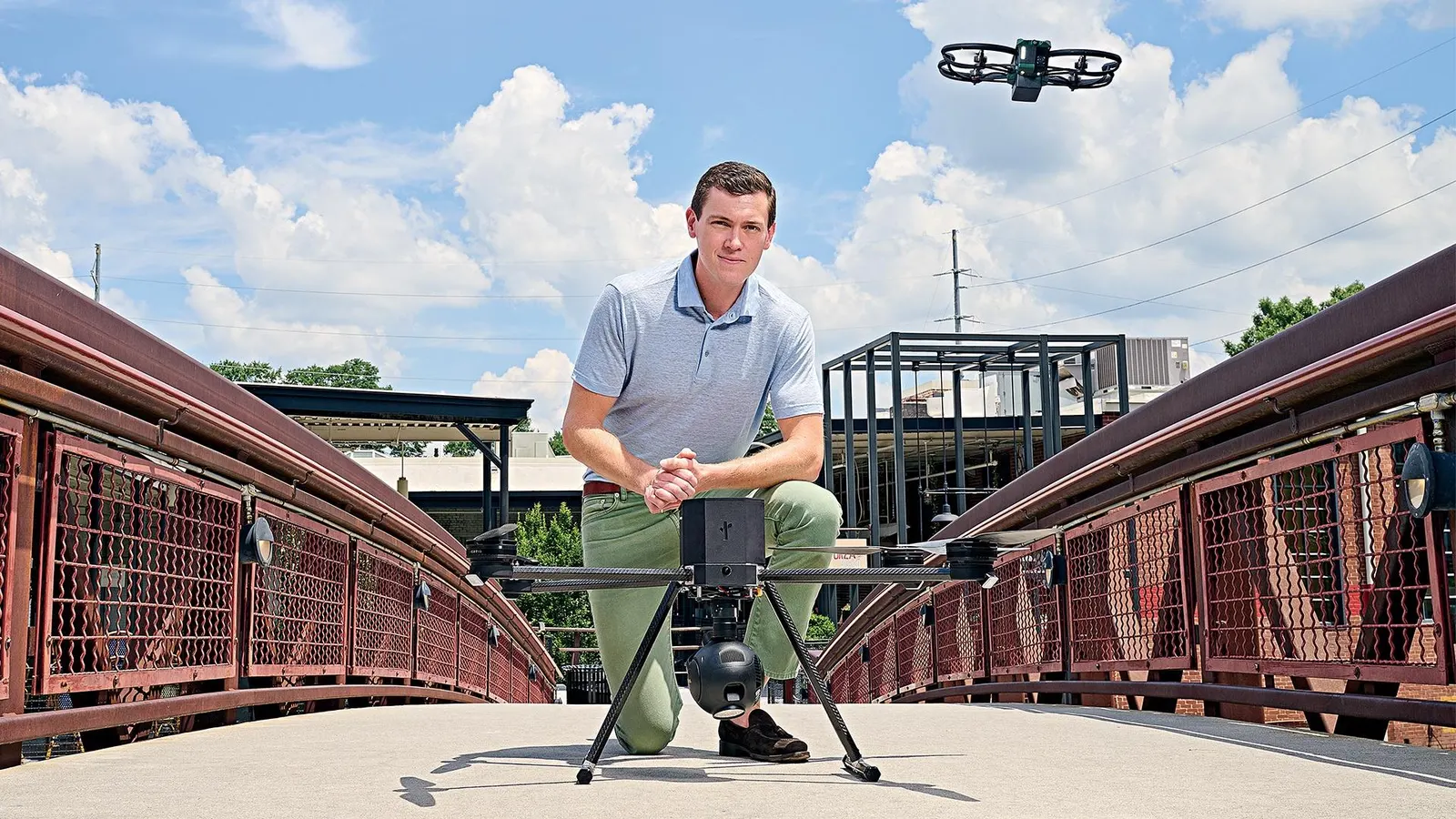
Flock Safety, an AI startup with a vast network of surveillance cameras and new drone technology, aims to eliminate almost all crime in the U.S. within a decade, despite facing privacy opposition and competition from established players like Axon. The company leverages AI and American-made drones to enhance law enforcement capabilities, while also expanding into traffic management and city improvements, with ambitious growth plans and ongoing regulatory challenges.
Flock Safety, a $4 billion surveillance startup, has been touting dramatic reductions in crime with its AI-powered license plate readers, but an analysis of its claims in several cities reveals inconsistencies. While the company has cited significant drops in crime in certain areas, a wider examination shows that crime rates have not necessarily decreased overall. Critics argue that Flock has selectively used and oversimplified data to support its marketing claims, and some academics have raised concerns about the validity of the company's research. Despite skepticism about its effectiveness, Flock's technology continues to attract public funding and deployment in various cities.
Flock Safety, a $4 billion car surveillance startup, has faced allegations of breaking state laws in multiple states due to unpermitted installations of its AI-powered license plate readers along public roadways. The company's rapid growth has been fueled by its surveillance system, which claims to operate in 4,000 cities across 42 states. Despite its success with law enforcement agencies, Flock has encountered permitting issues and regulatory challenges, leading to bans on new installations in some states and a pause in South Carolina. The company has faced criticism for its approach to permitting and has been accused of bypassing proper channels, but it maintains that it operates within the bounds of the law and is dedicated to addressing any issues.