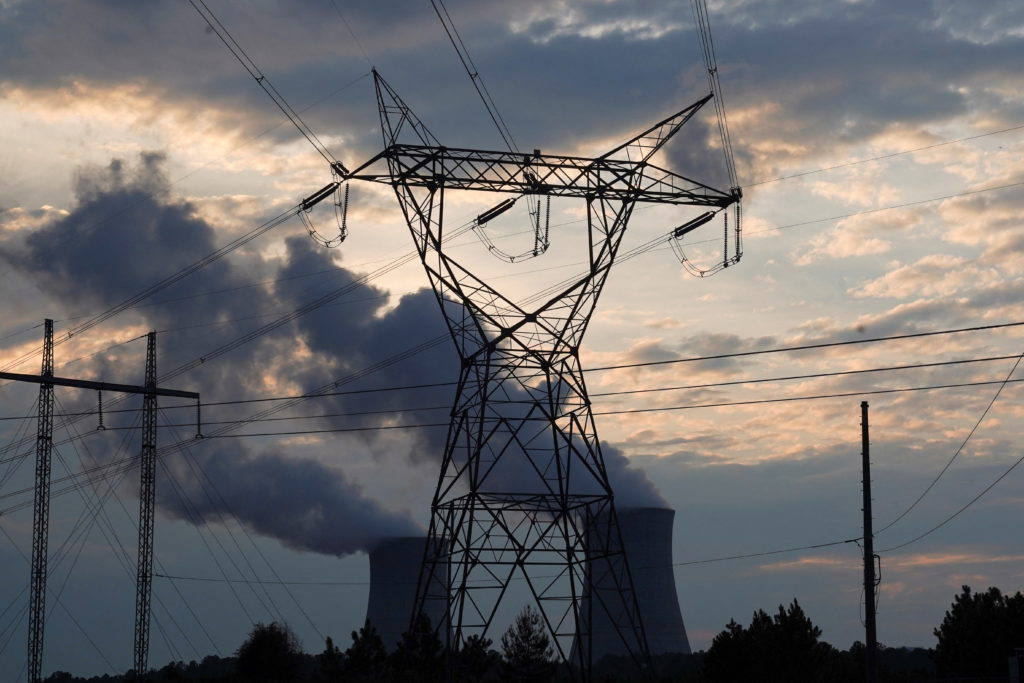
The White House has finalized a plan to roll back regulations under the National Environmental Policy Act, aiming to reduce bureaucratic delays in approving energy and infrastructure projects, amidst ongoing legislative debates on streamlining permitting processes. The move is part of broader efforts to address perceived red tape, though it faces criticism from Democrats and environmental advocates.
The construction of a Florida detention center on the historically significant 'Alligator Alcatraz' site in the Everglades is bypassing environmental reviews mandated by the National Environmental Policy Act (NEPA), raising concerns among environmental groups about potential ecological harm and the rollback of environmental protections under the Trump administration.
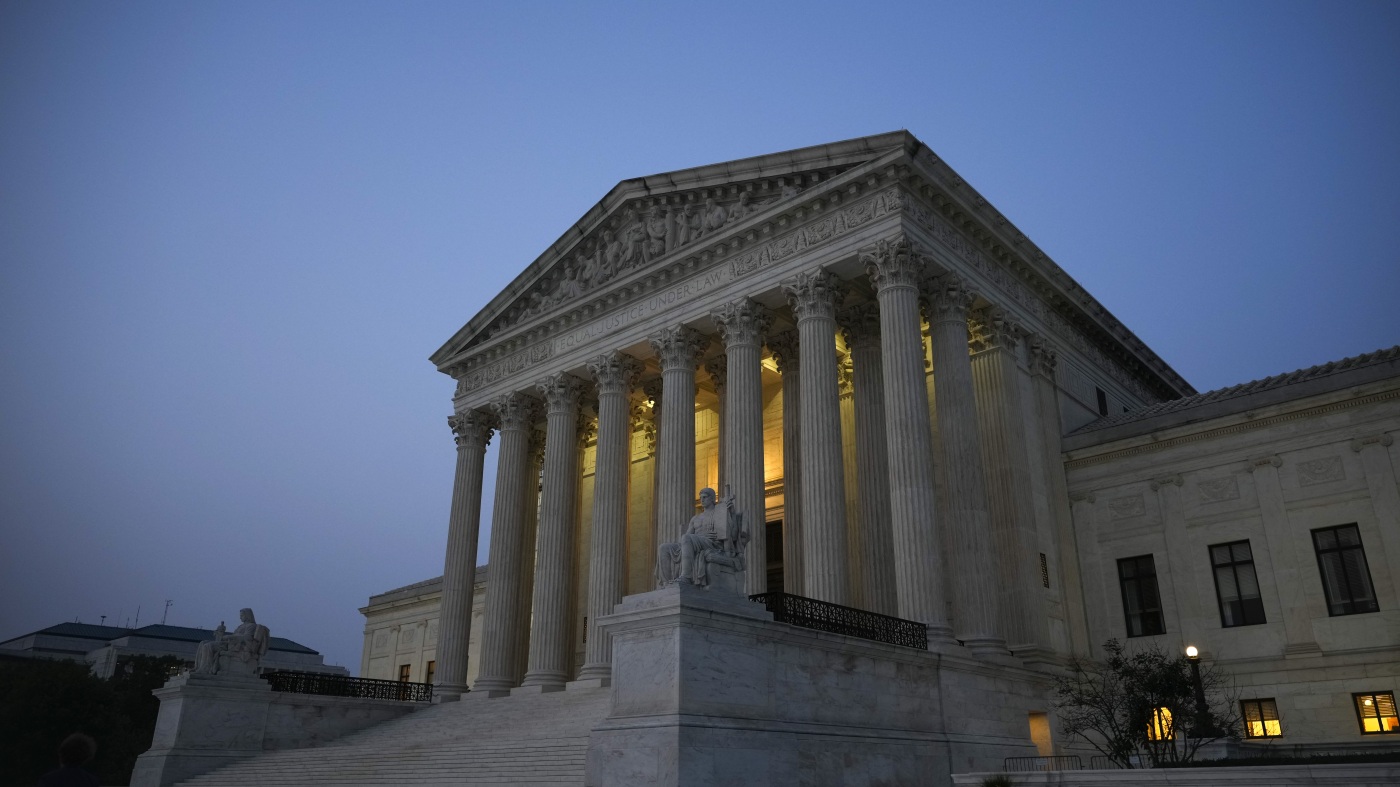
The Supreme Court has significantly limited the scope of the National Environmental Policy Act (NEPA), reducing environmental review requirements for federal projects and potentially easing the approval process for energy and infrastructure developments, which could accelerate project timelines but also raise concerns about environmental oversight.
The Supreme Court's recent ruling narrows the scope of the National Environmental Policy Act, limiting federal reviews of infrastructure projects and potentially impacting climate policy and environmental protections, with significant implications for future energy and infrastructure development.
The U.S. Supreme Court has significantly narrowed the scope of environmental reviews under the National Environmental Policy Act (NEPA), making it easier to approve infrastructure projects like highways, pipelines, and railroads by limiting consideration of upstream and downstream environmental impacts. The decision has been praised by industry groups for streamlining approvals but criticized by environmental advocates for potentially undermining environmental protections.
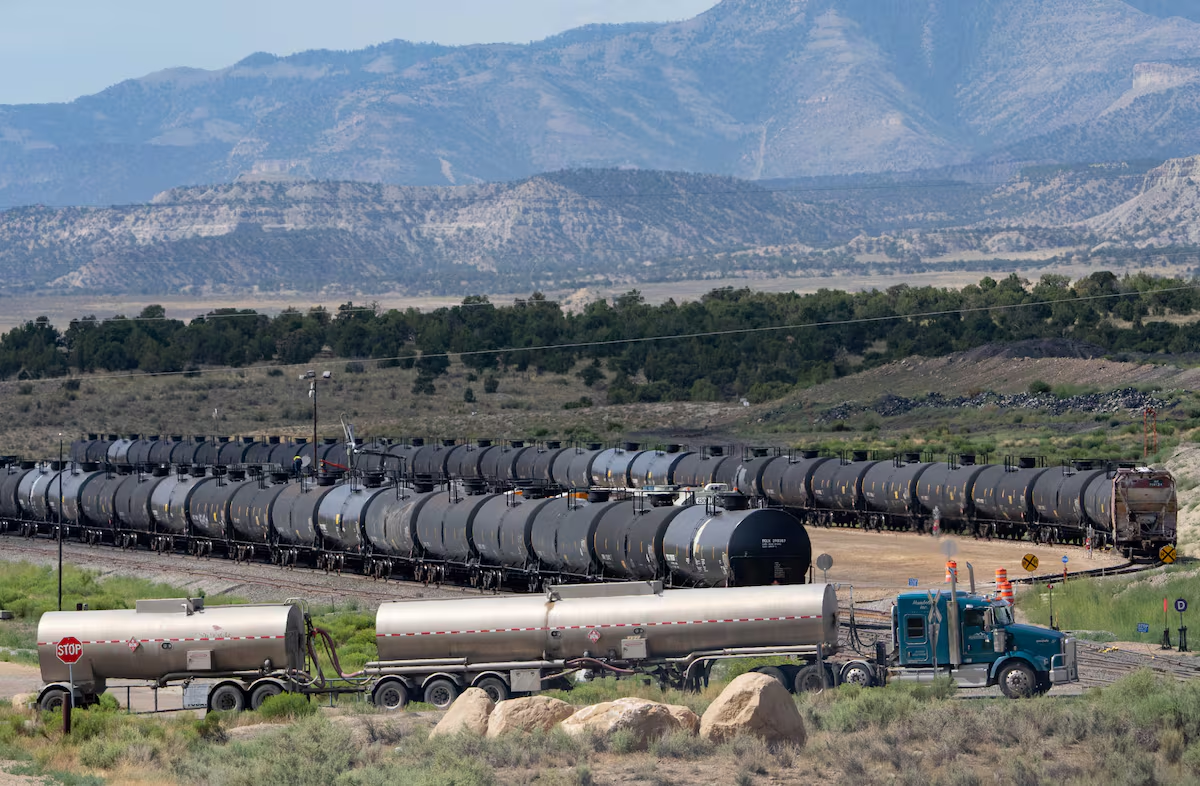
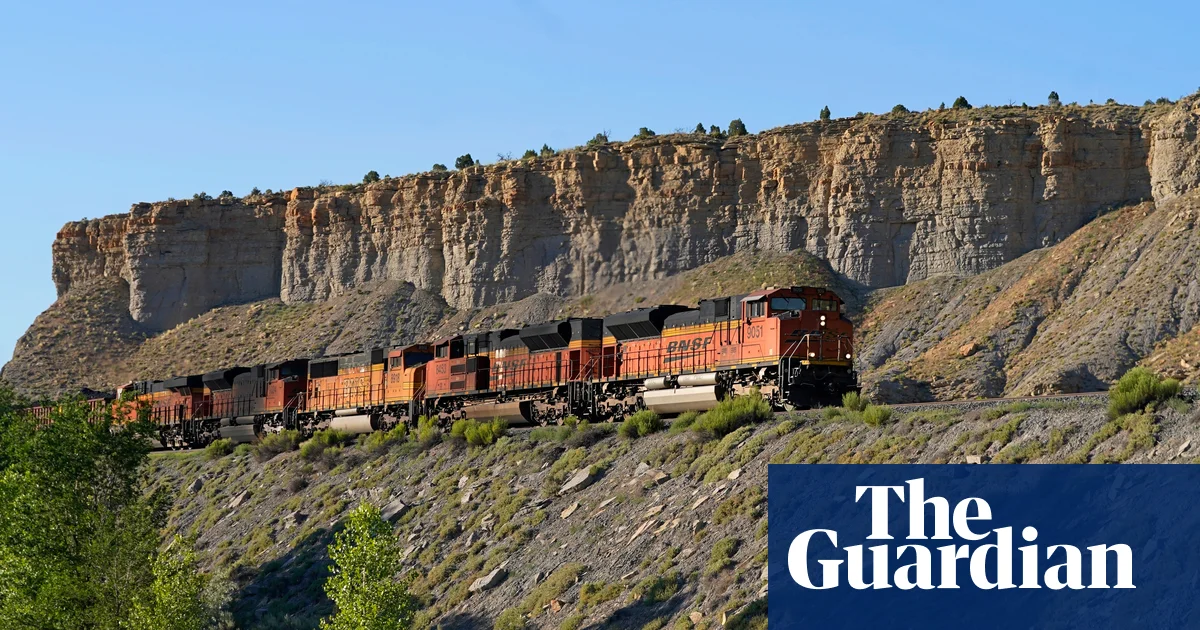
The U.S. Supreme Court approved the construction of the Uinta Basin Railway in Utah, ruling that federal agencies are not required to consider environmental impacts outside the immediate project area, a decision that could limit environmental reviews nationwide. The railway aims to connect Utah's oil-rich Uinta Basin to the national rail network, potentially increasing oil production and economic growth in the region. While the ruling is a victory for Utah's leaders and the oil industry, environmental groups remain concerned about broader ecological impacts. The project still requires additional permits before construction can begin.
The Supreme Court limited the scope of environmental impact studies under NEPA, making it easier to approve infrastructure projects like a proposed Utah-Colorado railway, by emphasizing deference to agency decisions and restricting consideration of secondary impacts.
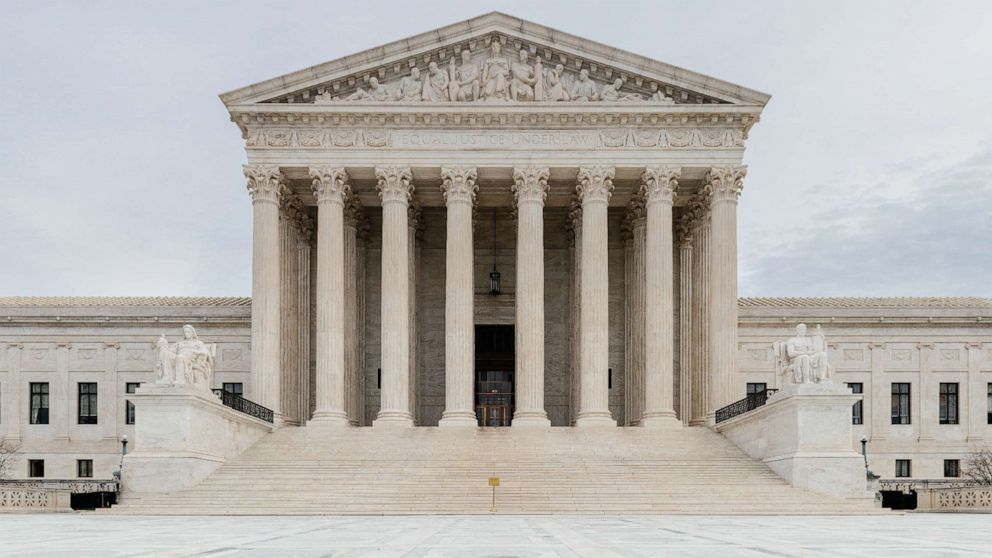
The Supreme Court ruled 8-0 that federal agencies conducting environmental reviews under NEPA can limit their scope to the specific project, without considering upstream or downstream effects like climate change impacts, aiming to streamline project approvals and reduce legal delays.
The Supreme Court unanimously limited the scope of environmental reviews under the National Environmental Policy Act (NEPA), focusing only on immediate impacts of infrastructure projects, which could reduce environmental protections and streamline approvals, but also raise concerns about increased environmental risks.
The U.S. Supreme Court limited the scope of environmental reviews for major infrastructure projects, emphasizing deference to agency decisions and potentially speeding up approvals for projects like highways and pipelines, with broad implications for environmental regulation and infrastructure development.
The US Supreme Court is hearing a case that could significantly impact environmental protections under the National Environmental Policy Act (NEPA). The case involves a proposed 88-mile oil railway in Utah's Uinta Basin, which was blocked by a federal appeals court due to environmental concerns. The railway's proponents seek to narrow NEPA's scope, potentially limiting the environmental impacts federal agencies must consider. A ruling in favor of the railway could restrict community input on environmental issues and alter longstanding legal precedents.