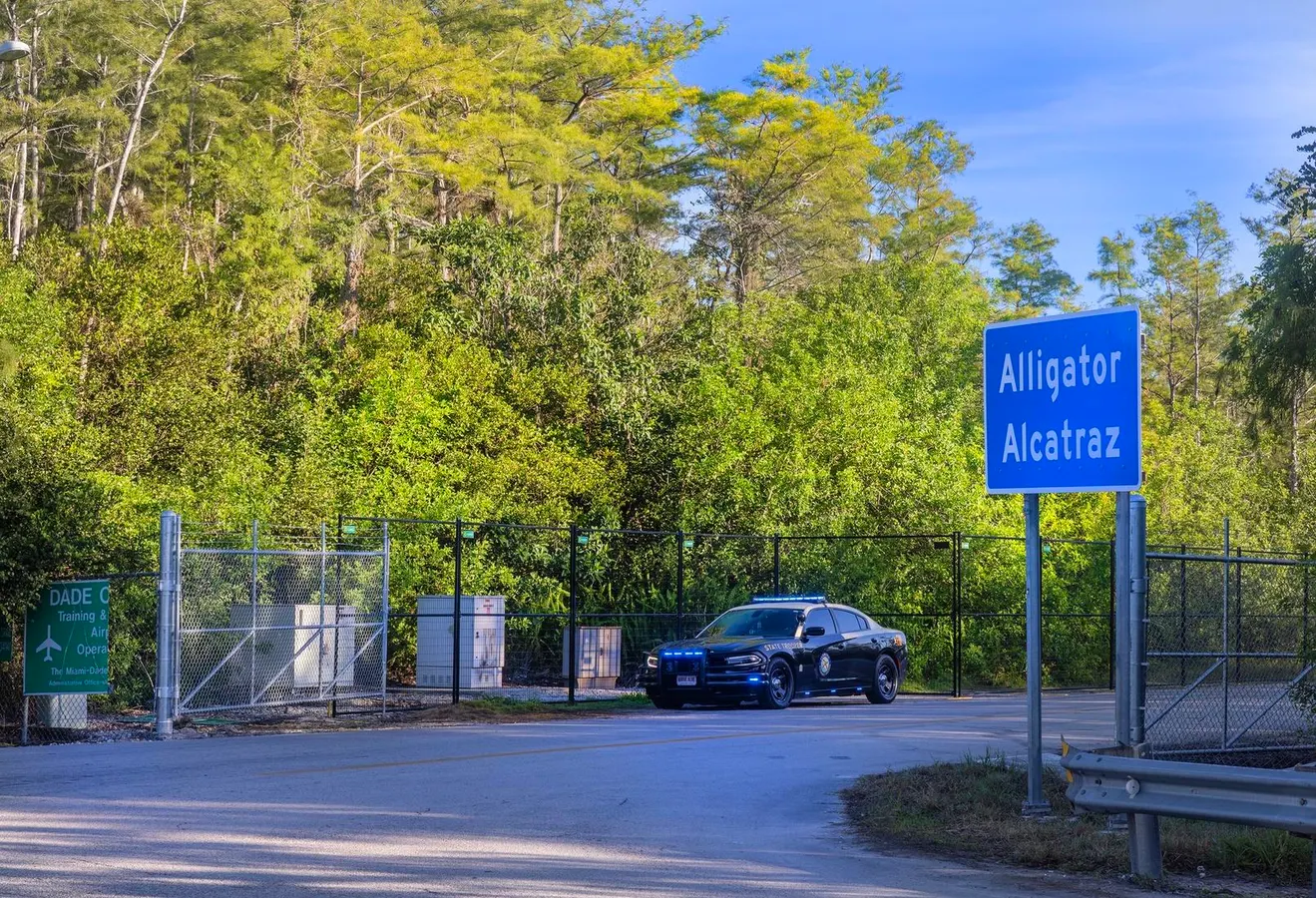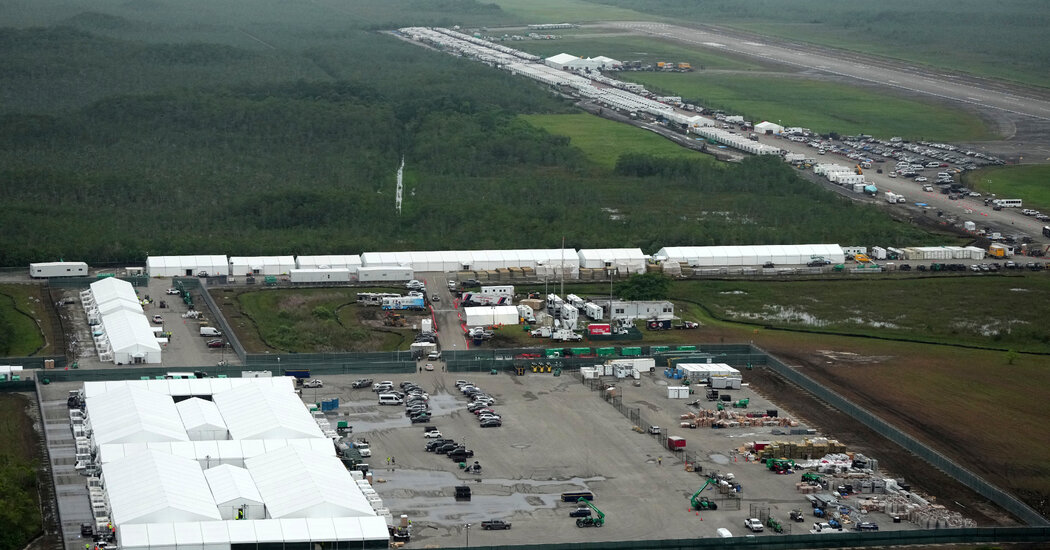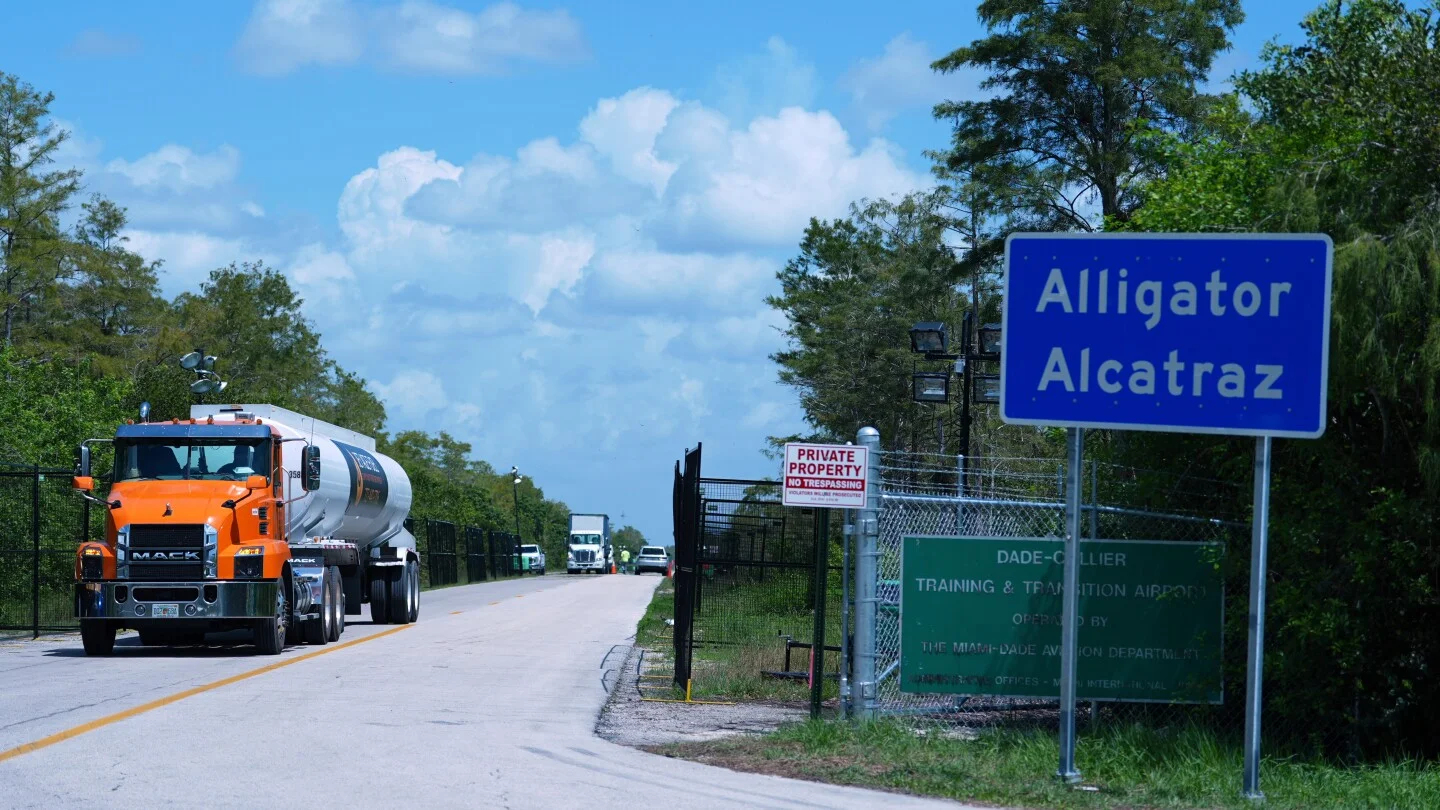
Federal officials approved a $608 million reimbursement for Florida's immigration detention center in the Everglades, but funds are pending release and the facility faces potential closure due to environmental review issues and legal challenges. The detention center, known as 'Alligator Alcatraz,' remains operational after an appellate court paused a judge's order to shut it down, amid ongoing disputes over environmental impact assessments and federal funding.
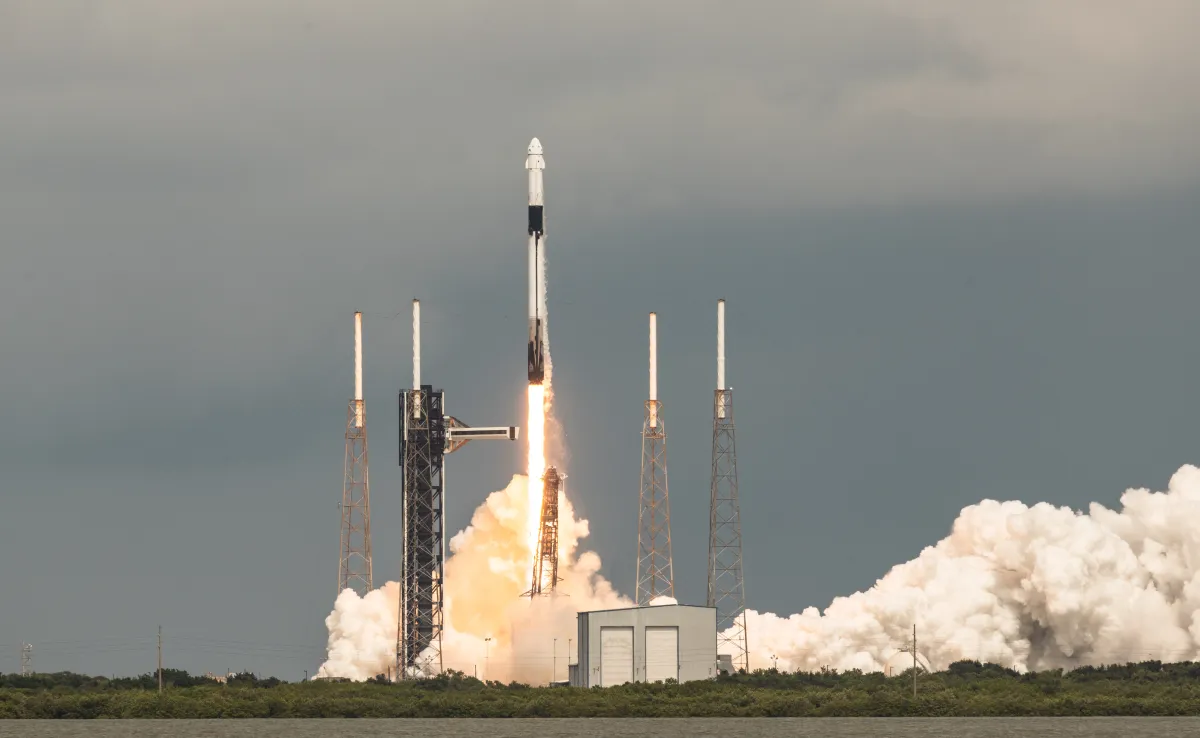
SpaceX has received approval for a significant increase in Falcon 9 launches from Florida's Cape Canaveral, potentially more than doubling annual launches from 50 to 120, along with a new landing zone for boosters, pending further regulatory approvals. This move aims to boost launch frequency amid a busy manifest, while incorporating environmental protections and expanding SpaceX's launch capabilities on both coasts.
A federal judge ordered the shutdown of the 'Alligator Alcatraz' immigration detention site in the Florida Everglades within 60 days, citing failure to conduct environmental reviews and improper construction, and barred new detainees from being brought there, prompting an appeal from Florida officials.
A federal judge ordered the shutdown of the 'Alligator Alcatraz' immigration detention center in the Florida Everglades, citing illegal construction without environmental review, and mandated the removal of the facility's structures within 60 days, marking a significant legal setback for the state and federal governments.
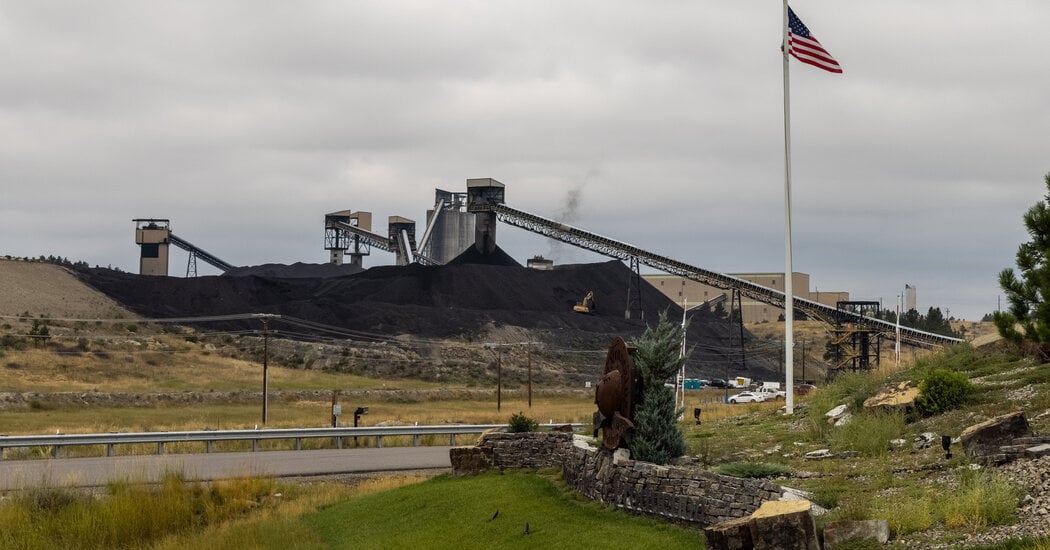
The Trump administration approved the expansion of the Bull Mountain coal mine in Montana, extending its operation by nine years despite previous scandals and opposition from environmental groups, as part of efforts to revive the U.S. coal industry.
The Trump Administration has launched a Permitting Technology Action Plan to modernize and streamline federal environmental review and permitting processes for infrastructure projects, aiming to reduce delays, improve efficiency, and leverage new technologies across agencies.
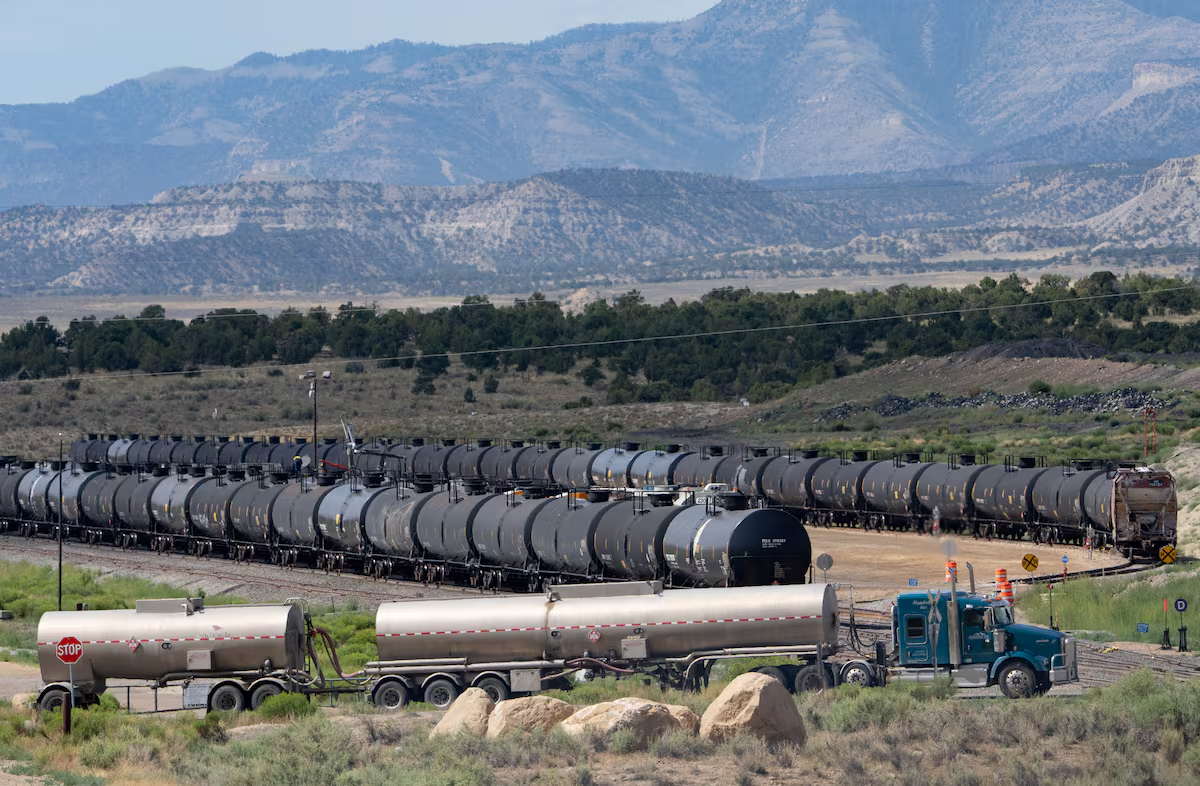
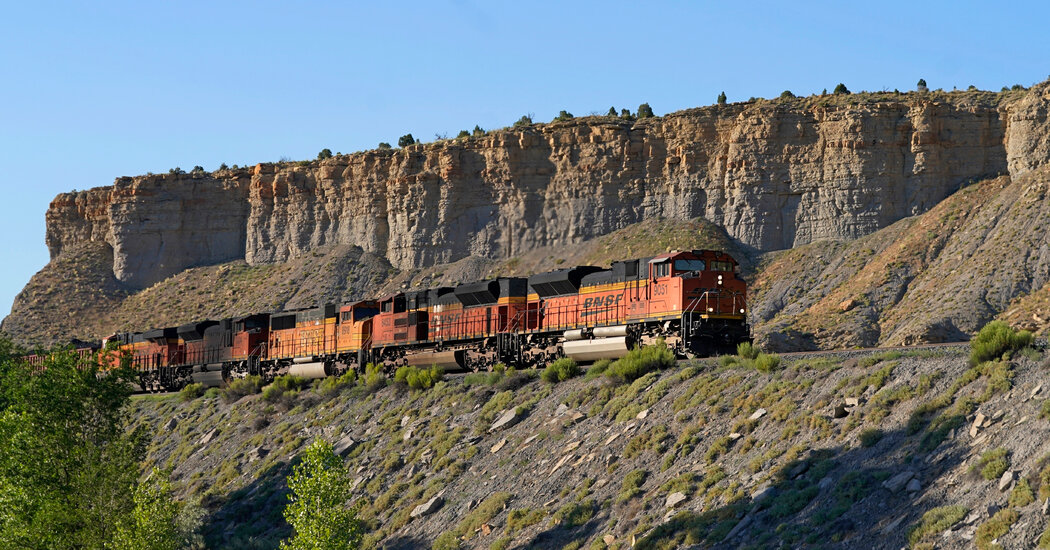
The U.S. Supreme Court approved the construction of the Uinta Basin Railway in Utah, ruling that federal agencies are not required to consider environmental impacts outside the immediate project area, a decision that could limit environmental reviews nationwide. The railway aims to connect Utah's oil-rich Uinta Basin to the national rail network, potentially increasing oil production and economic growth in the region. While the ruling is a victory for Utah's leaders and the oil industry, environmental groups remain concerned about broader ecological impacts. The project still requires additional permits before construction can begin.
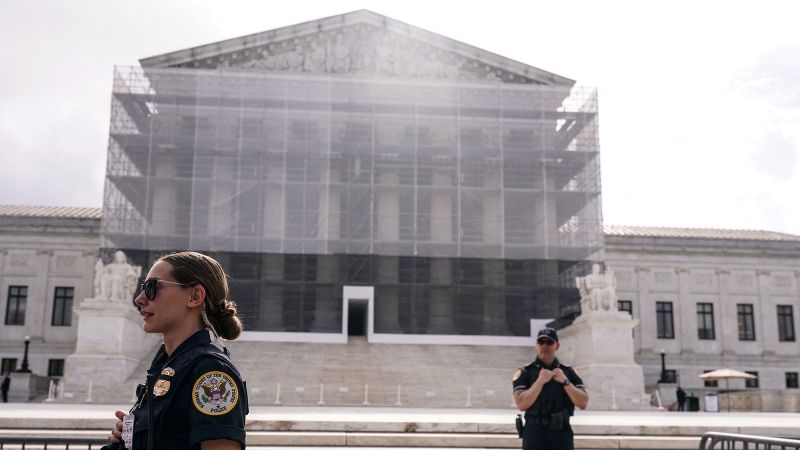
The Supreme Court unanimously ruled that a federal agency adequately considered the environmental impact of an 88-mile railway in Utah, limiting the scope of environmental reviews under the National Environmental Policy Act and emphasizing that such reviews should inform decision-making rather than hinder infrastructure development.
The U.S. Supreme Court limited the scope of environmental reviews for major infrastructure projects, emphasizing deference to agency decisions and potentially speeding up approvals for projects like highways and pipelines, with broad implications for environmental regulation and infrastructure development.
The Biden administration's decision to halt proposed liquefied natural gas (LNG) projects has sparked criticism from fossil fuel proponents, who argue that it will negatively impact the U.S. economy and national security. The pause, announced while federal officials conduct an environmental review, has drawn backlash from industry leaders and former officials, who assert that it will devastate the industry and hinder job creation. The administration, however, views the move as a crucial step in addressing the climate crisis, while industry representatives emphasize the role of natural gas in reducing emissions and providing backup energy for renewable sources.
California is set to implement new housing laws in 2024, following efforts by state lawmakers to streamline the building process and address the housing shortage. Key legislation includes Senate Bill 423 and SB 4, which aim to expedite the approval of affordable housing projects. These laws are part of a broader trend to reduce barriers to housing construction, offering more flexibility and certainty in planning approvals and reducing environmental review litigation. Despite some pushback and last-minute changes, the legislative shift indicates a growing consensus towards pro-development policies to tackle the state's housing crisis.
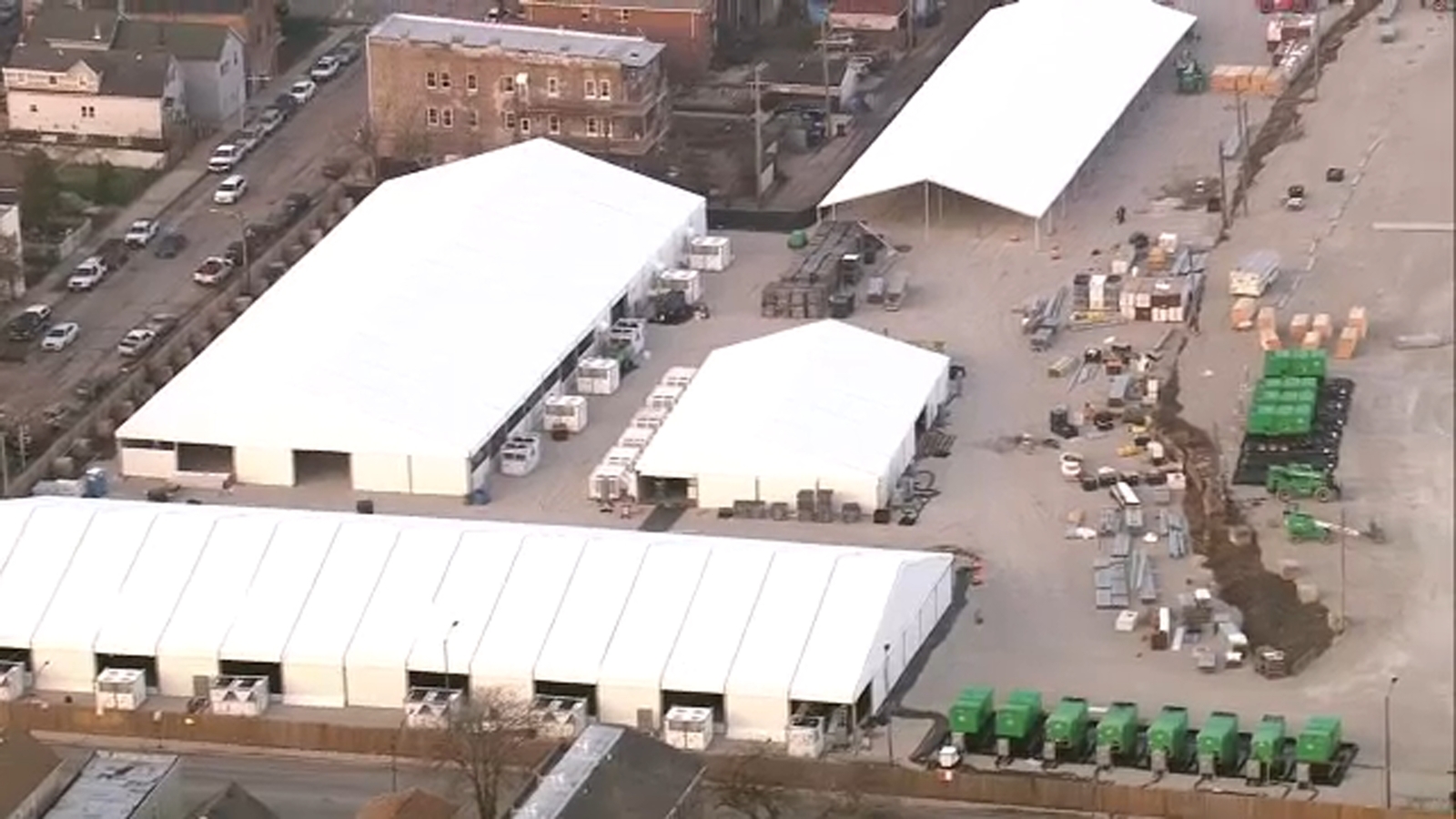
The state of Illinois has decided not to proceed with the construction of an asylum seeker shelter in Brighton Park after an environmental review by the Illinois Environmental Protection Agency (IEPA) raised concerns about contaminated properties and inadequate soil sampling and remediation. As a result, the state is now working with the City of Chicago to identify alternate shelter options. Efforts are also being expedited to launch a brick-and-mortar shelter site in Little Village, with plans to accommodate 200 beds for families and people with disabilities. The state is collaborating with the Archdiocese of Chicago to find additional sites, while ensuring the safety and well-being of asylum seekers.
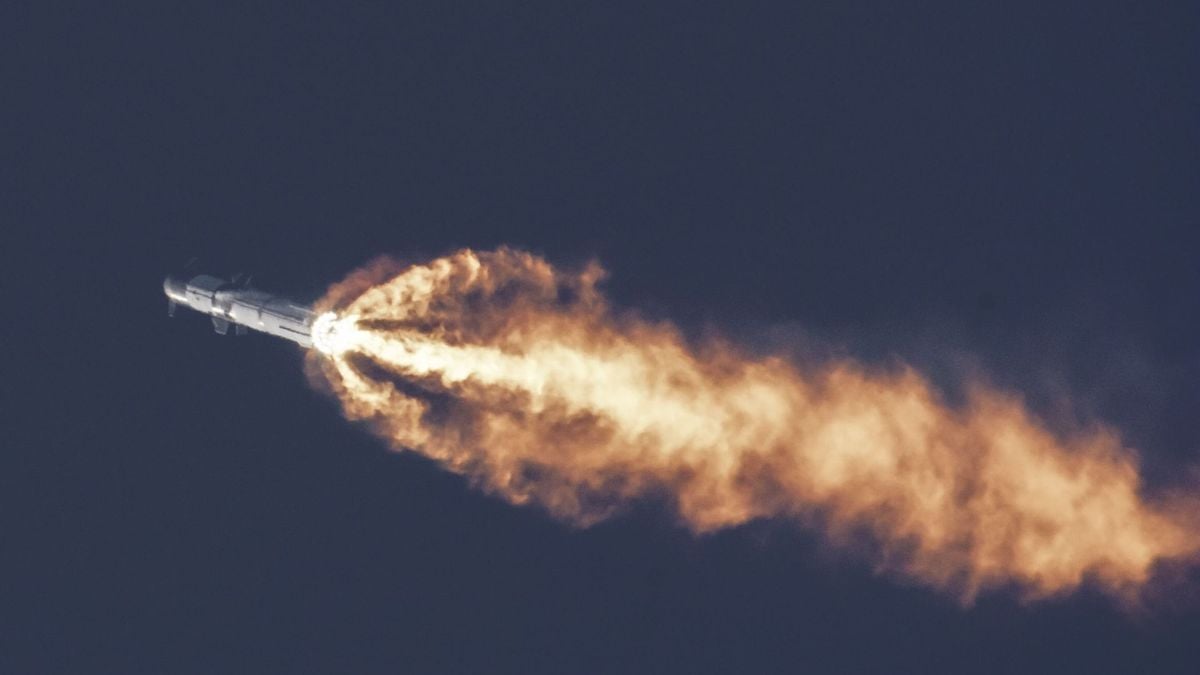
The Federal Aviation Administration (FAA) has completed its safety review for SpaceX's Starship rocket, bringing it one step closer to its second test flight. The review focused on issues related to public health and safety of property. The next major step is the environmental review, which is being conducted in partnership with the U.S. Fish and Wildlife Service (FWS). The FWS has already finished its review of the final biological assessment and has initiated the formal Endangered Species Act consultation with the FAA. The environmental review is the last major element before the FAA makes a license determination.
The U.S. Federal Aviation Administration (FAA) has completed its safety review of SpaceX's Starship rocket, assessing the risks to public health and property. However, an environmental review is still pending, which includes consultation with the U.S. Fish and Wildlife Service (USFWS) on an updated Biological Assessment under the Endangered Species Act. Once the environmental review is completed, SpaceX can proceed with the next Starship liftoff. The Starship rocket is the largest and most powerful ever built, consisting of a Super Heavy booster and a Starship upper stage. The rocket's first test flight in April encountered problems, leading to an intentional detonation above the Gulf of Mexico. SpaceX has stated that the latest Starship vehicle has passed all prelaunch tests and is ready for launch.
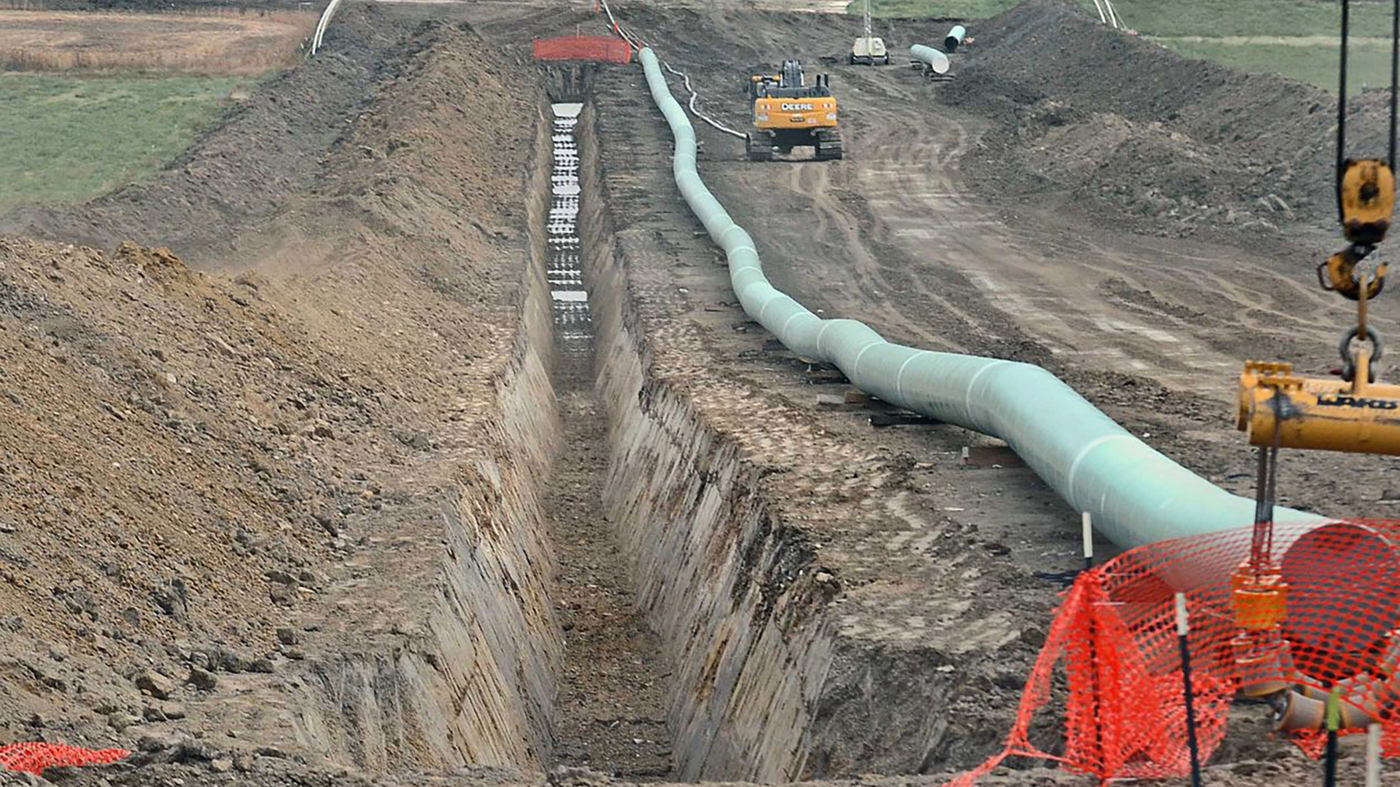
Federal officials have released a draft environmental review of the Dakota Access oil pipeline, but have not made a recommendation on the future of the line's controversial river crossing in North Dakota. The review, which comes three years after a federal judge ordered it, is crucial for the reissuance of the permit. The draft presents five options, including denying the easement, removing a segment, or rerouting the pipeline. Public input and environmental analysis will be considered before a final decision is made. The Standing Rock Sioux Tribe, concerned about water contamination, withdrew as a cooperating agency in the review.