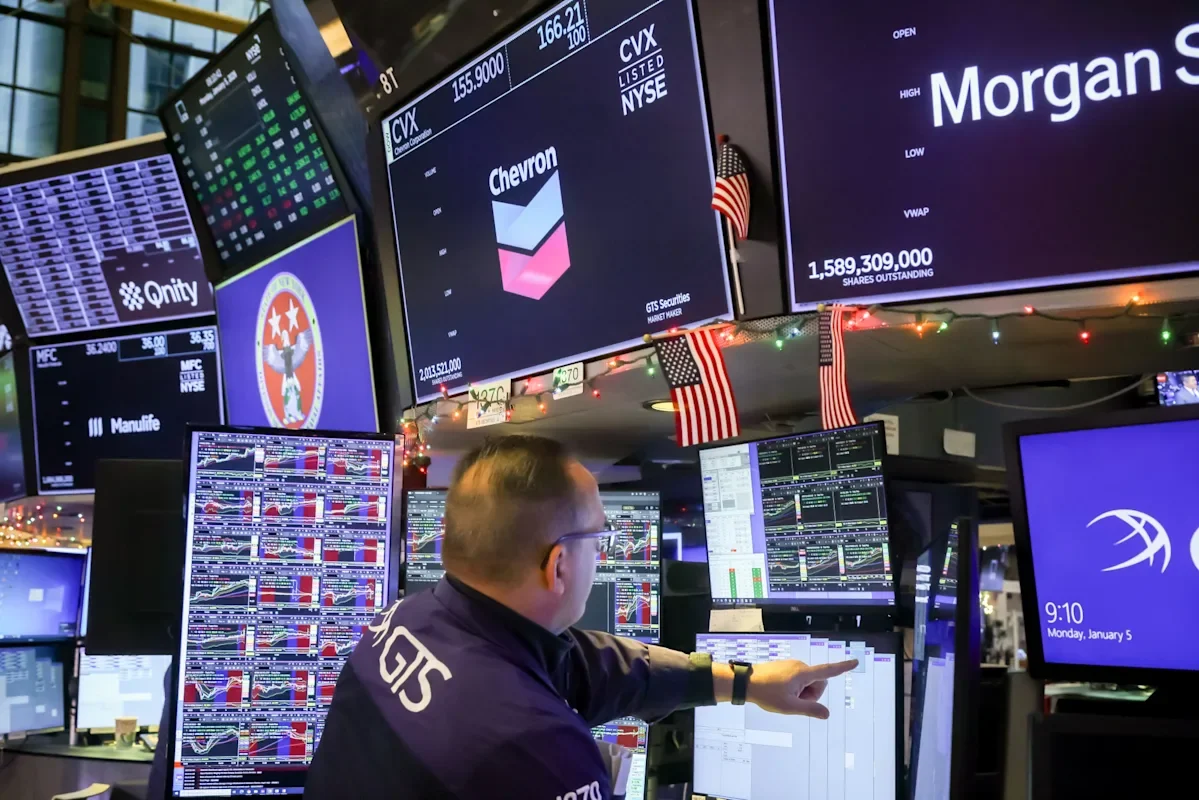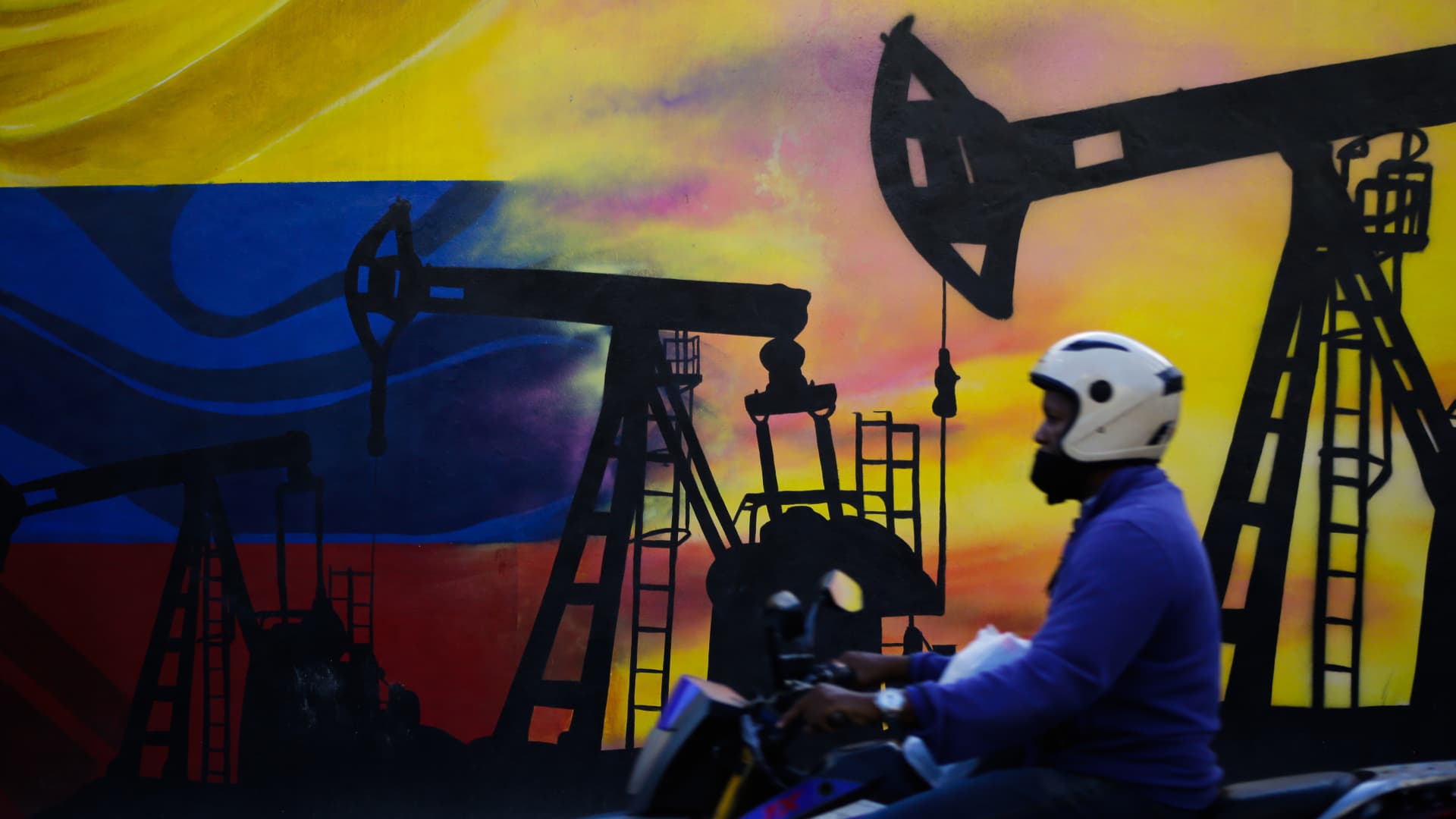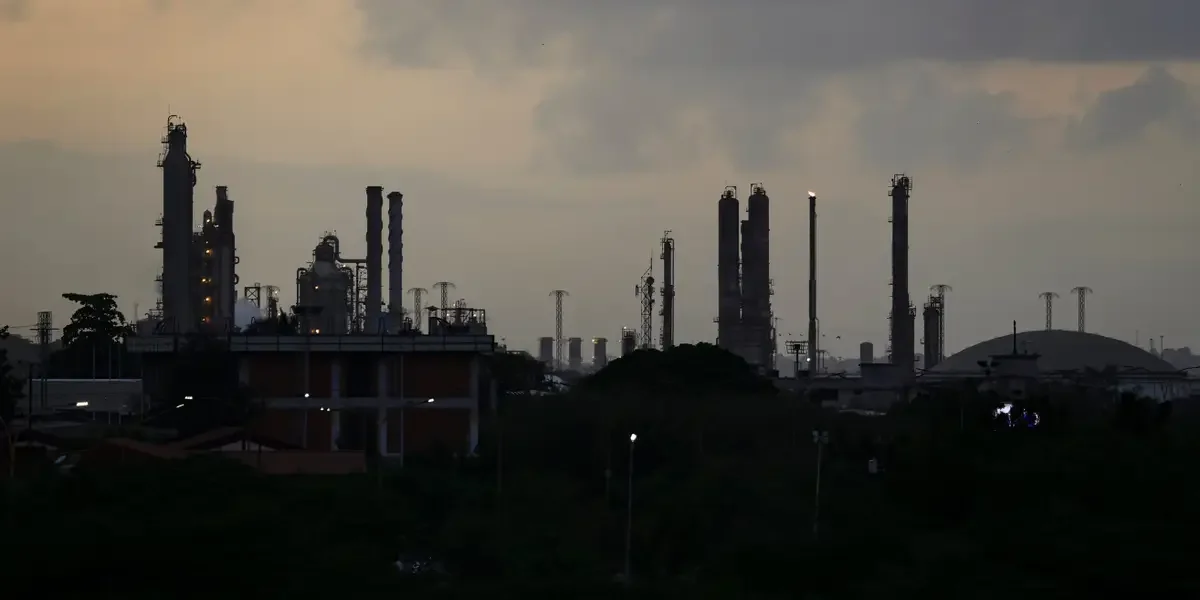
Chevron could increase its annual cash flow by up to $700 million by boosting oil production in Venezuela, as the US government seeks to revitalize the country's oil industry amidst political and security uncertainties. The company plans to focus on existing assets rather than new investments, awaiting a more stable government and fiscal regime.
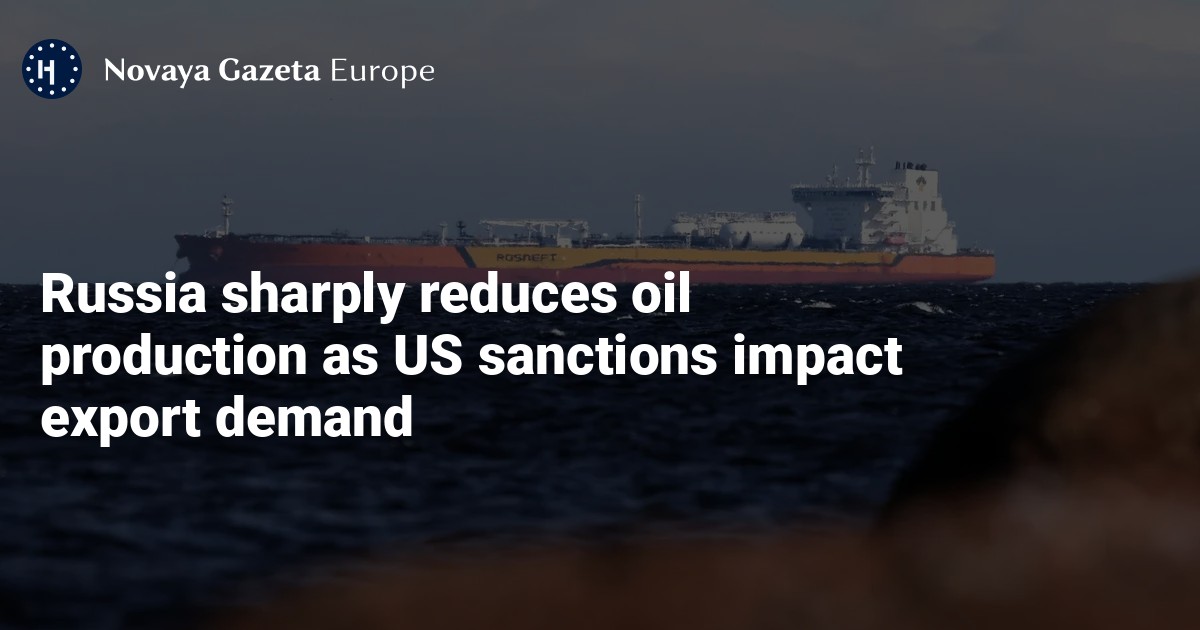
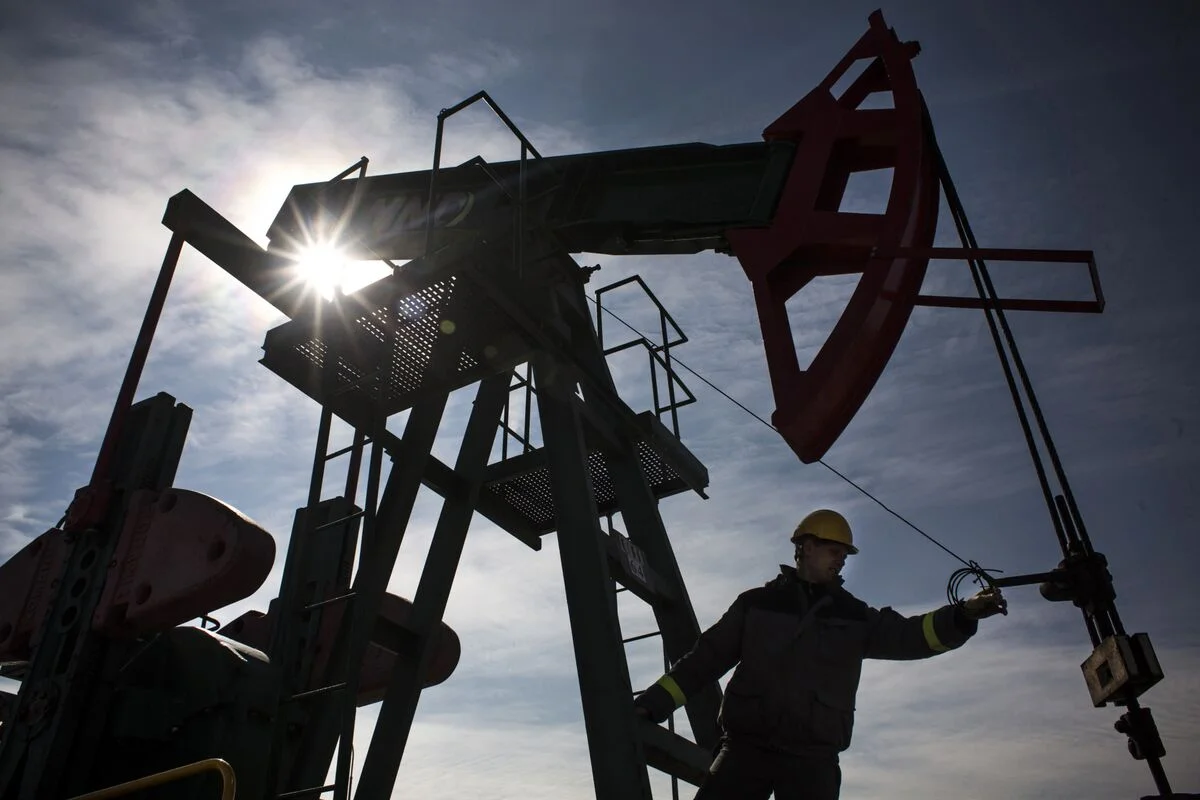
Russian oil production significantly decreased in December by over 100,000 barrels per day due to US sanctions impacting export sales, marking the largest drop since mid-2024, with difficulties in selling crude overseas and potential effects from Ukrainian airstrikes on production facilities.
Russia has significantly reduced its oil production due to difficulties in delivering crude to major buyers India and China, exacerbated by US sanctions and recent Ukrainian strikes, leading to a decline of over 100,000 barrels per day in December and a surplus of unsold oil at sea.
Despite President Trump's optimistic prediction that US oil companies will invest billions to restore Venezuelan oil infrastructure quickly, industry experts are skeptical due to the lack of government guarantees and the country's uncertain future, suggesting a much longer timeline and cautious approach by firms like ExxonMobil, ConocoPhillips, and Chevron.
US oil tankers are heading towards Venezuela amid concerns of a potential collapse in oil production, highlighting escalating geopolitical tensions and energy security issues.
Crude oil prices declined slightly amid political uncertainty in Venezuela following the overthrow of President Maduro, with potential long-term impacts depending on U.S. investment and sanctions policies, and the stability of the new government.
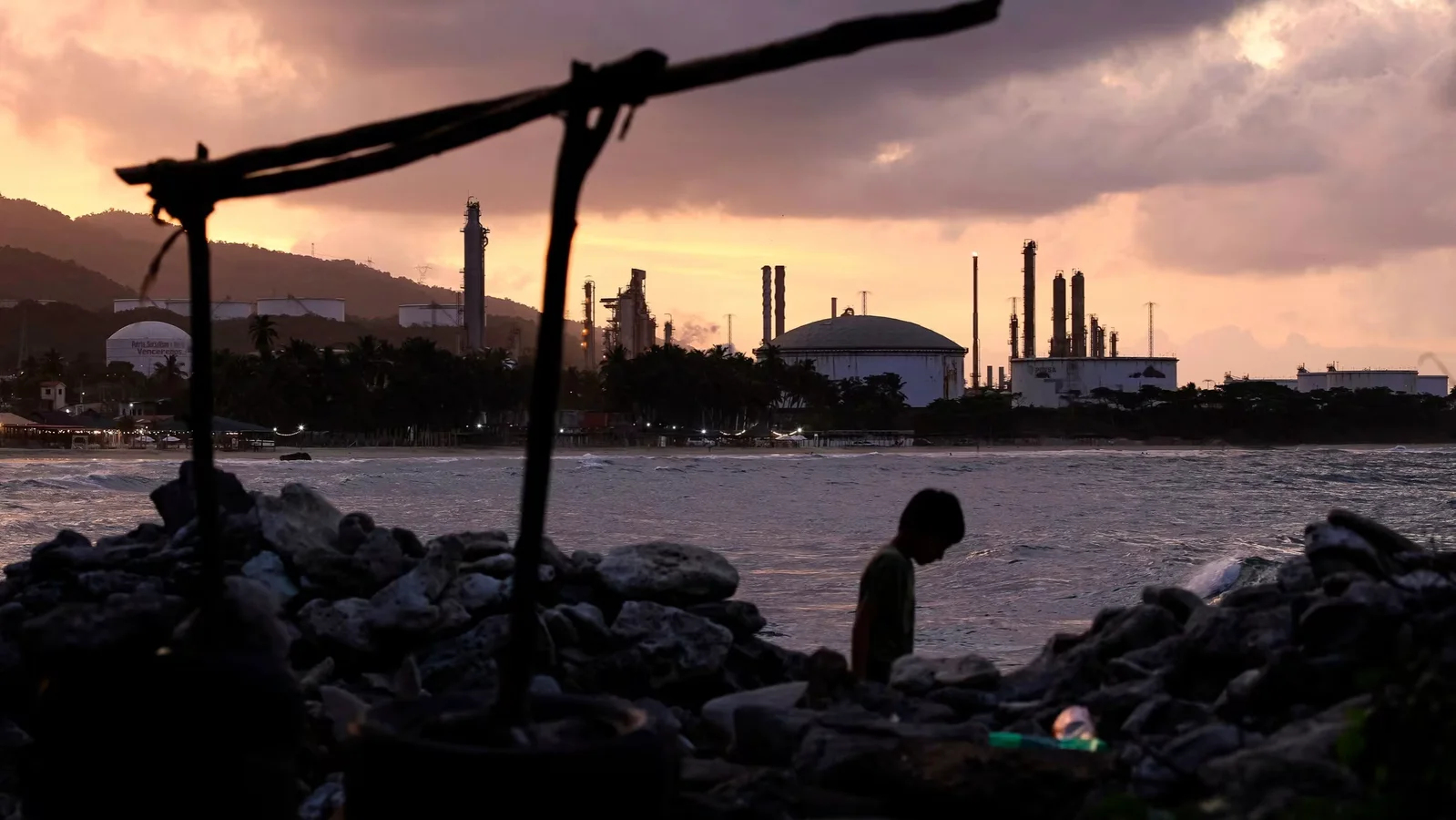
Venezuela holds the world's largest proven crude oil reserves with over 300 billion barrels, but accounts for less than 1% of global daily crude production. Recently, the US conducted a surprise raid capturing President Nicolás Maduro, citing law enforcement reasons, and announced plans to tap into Venezuela's oil reserves, aiming to revitalize its oil infrastructure and boost economic gains.
President Trump aims to leverage Venezuela's vast oil reserves by encouraging US companies to invest in rebuilding its oil infrastructure, but experts warn that political instability, sanctions, and high costs could delay significant output increases for many years.
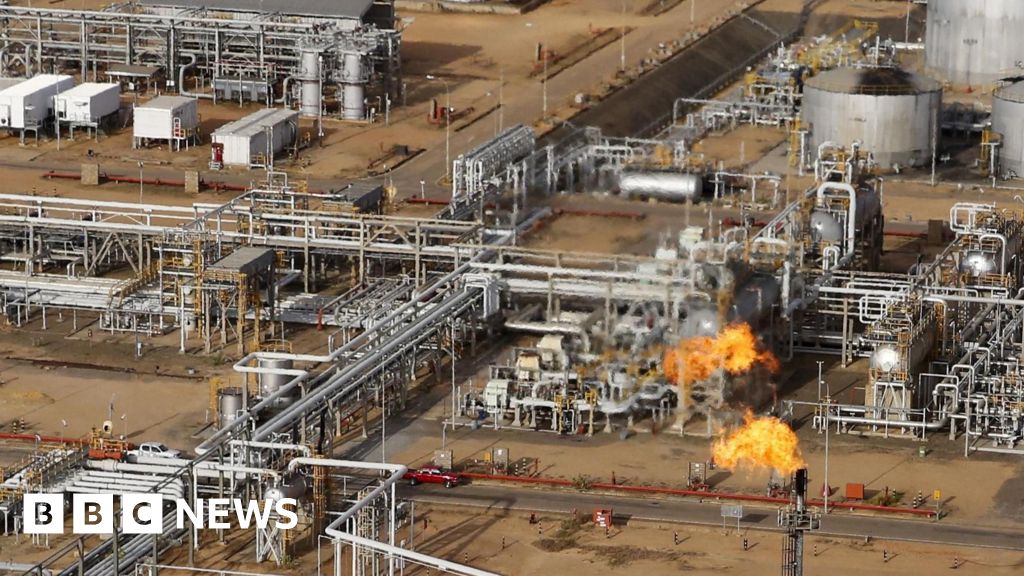
Lukoil has declared force majeure at its West Qurna-2 oil field in Iraq due to U.S. sanctions, halting its operations and risking a complete exit if unresolved within six months, amid failed asset sales and broader energy sector instability.
Morgan Stanley raised its near-term crude oil price forecast to $60 per barrel for the first half of 2026 after OPEC+ announced a pause in production hikes, signaling reduced volatility and a potential stabilization of oversupply, with prices expected to rise to $65 later in 2026 and into 2027.
Opec+ has decided to pause its plans to increase oil output next year in response to fears of an oversupply, with a temporary increase in December followed by a halt in early 2024, amid concerns over weaker demand and the impact of US sanctions on Russian oil exports.
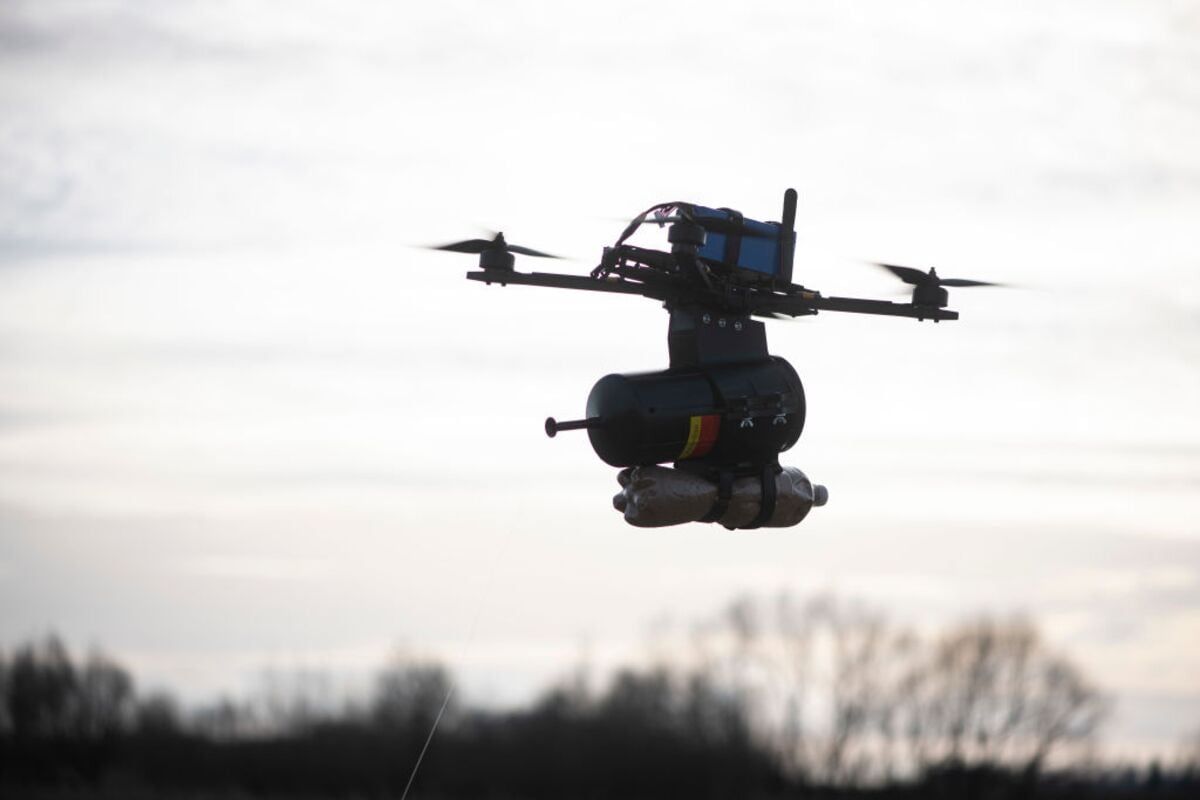
Kazakhstan's energy sector faces potential disruptions after a drone attack on a major Russian gas plant, Orenburg, which has halted gas supplies to Kazakhstan's Karachaganak project, possibly impacting the country's oil output amid ongoing regional tensions.
Oil prices increased despite OPEC+ announcing a smaller-than-expected increase in crude output, as the market reacts to the cartel's efforts to regain market share and stabilize prices amid concerns of oversupply and weakening demand.
OPEC+ has tentatively agreed to increase oil production in October by about 137,000 barrels per day, marking a shift from its previous strategy of defending prices to gaining market share, which could lead to the unwinding of 1.66 million barrels of production cuts by the end of 2024, despite ongoing market tensions and supply concerns.
Russia's Rosneft reported a 68% drop in net income to $3 billion in the first half of the year, primarily due to declining oil prices caused by increased production from OPEC+ countries and U.S. output, amid ongoing geopolitical tensions and attacks on Russian oil infrastructure.