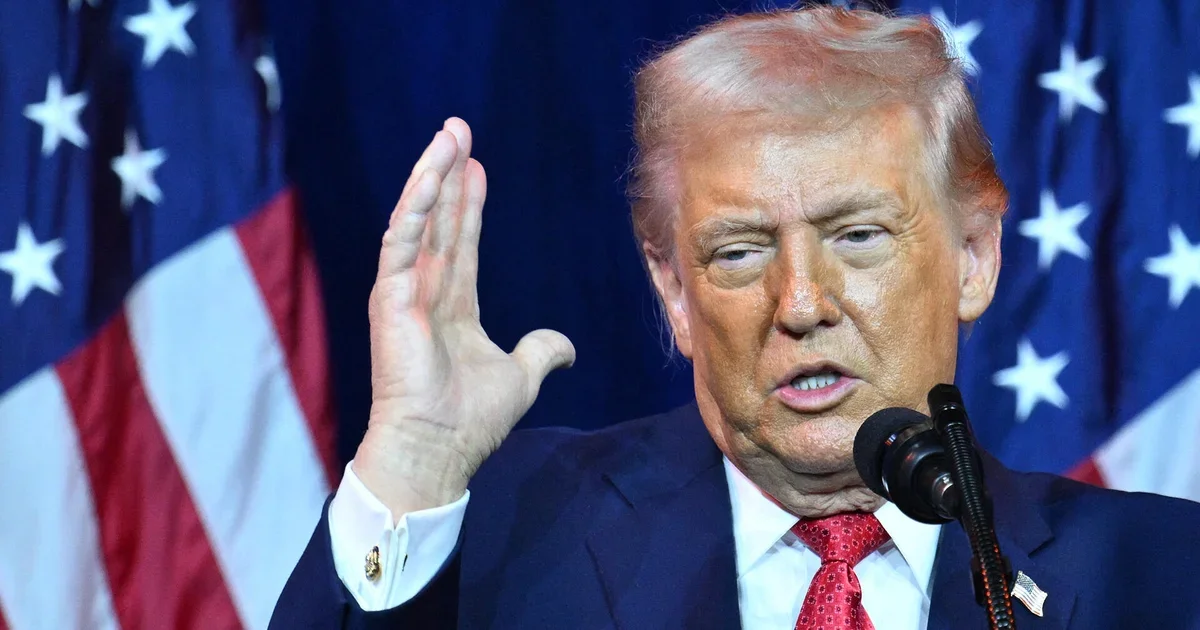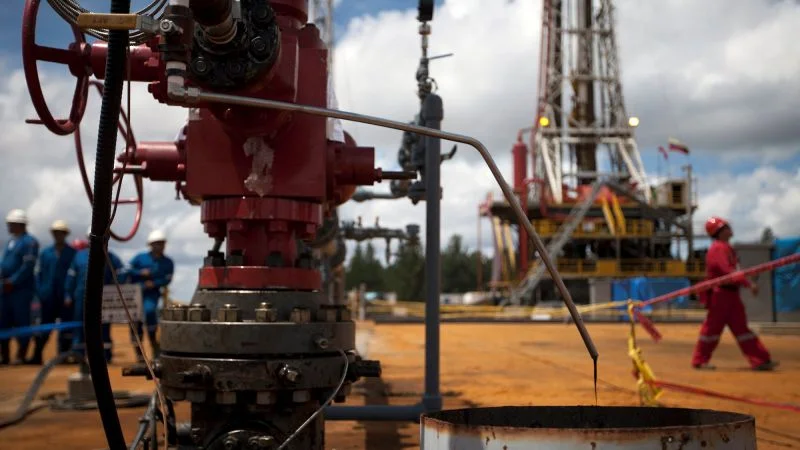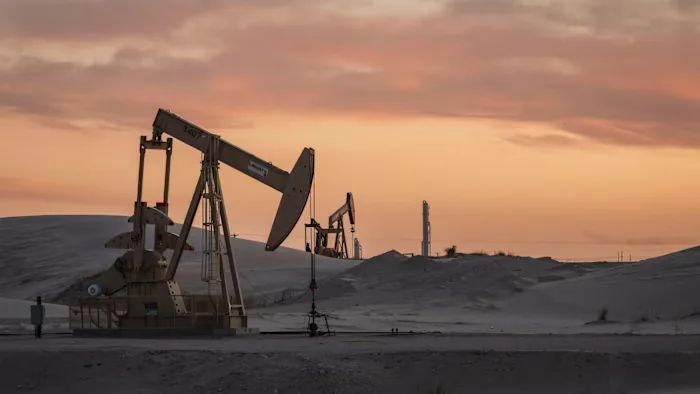
Despite President Trump's optimistic predictions about a rapid U.S. oil rush into Venezuela following political upheaval, industry experts and companies are skeptical due to Venezuela's degraded infrastructure, political instability, and economic realities, suggesting that the move is more about political signaling than economic opportunity.
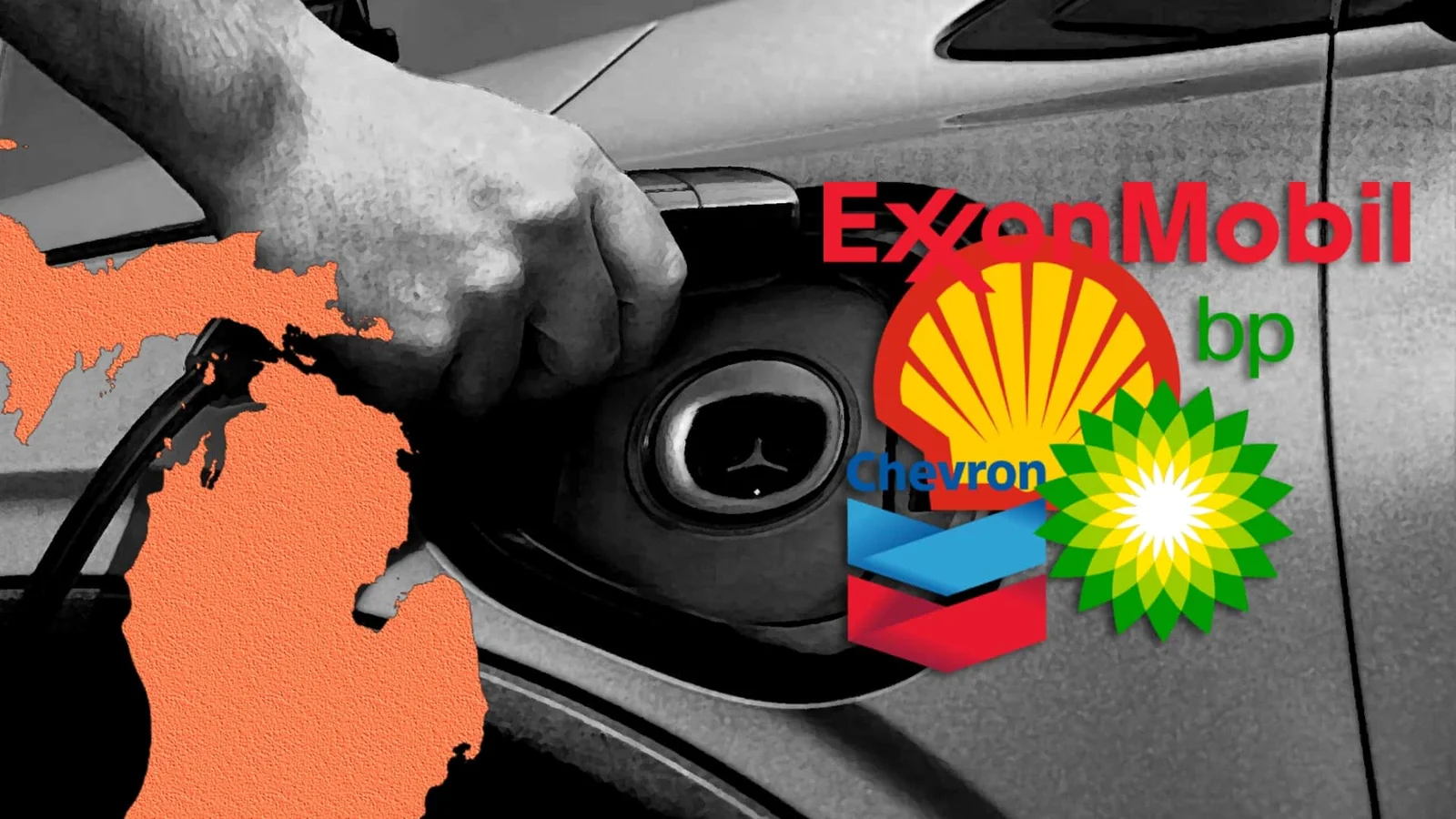
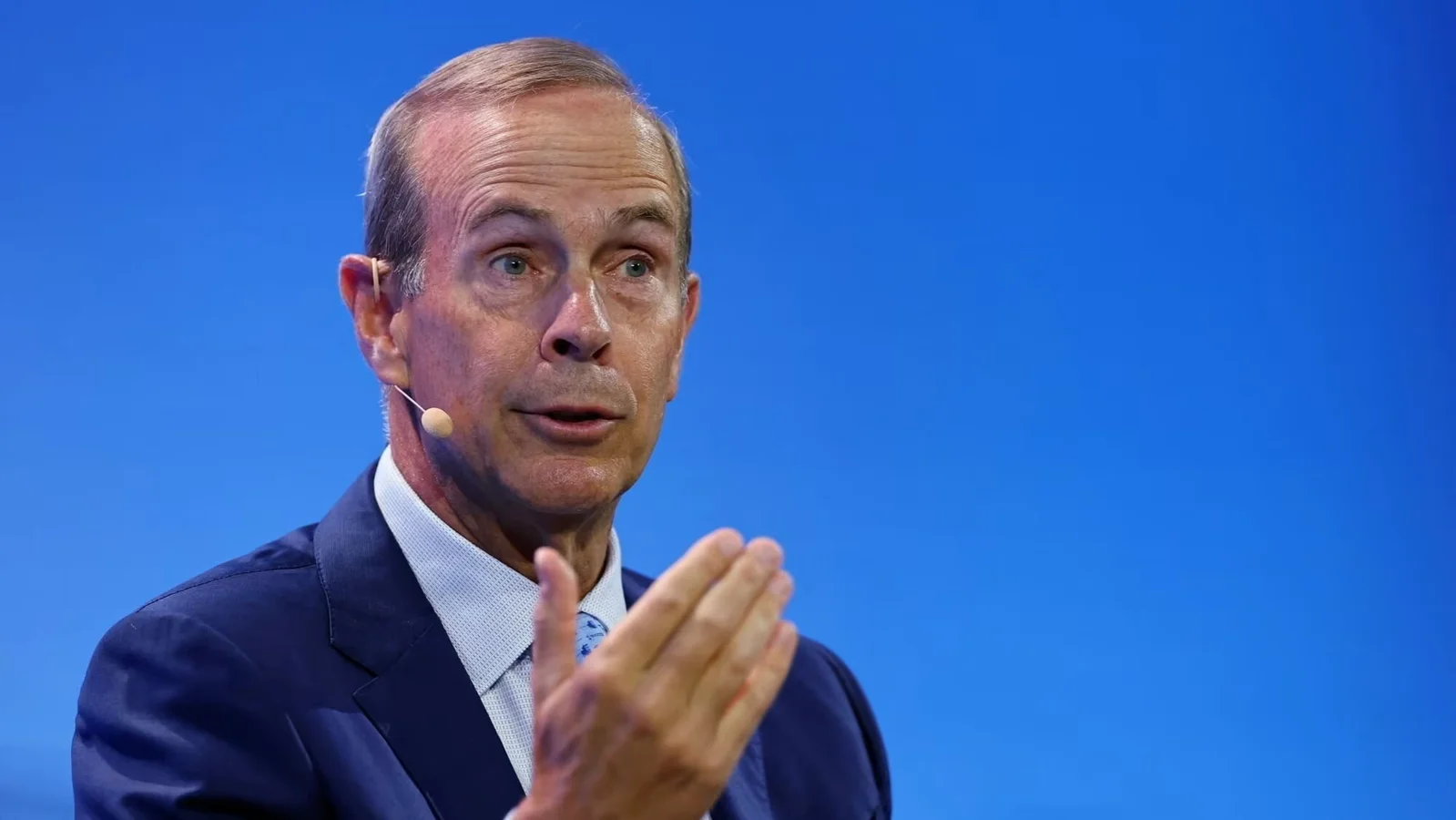
ExxonMobil CEO Darren Woods stated that Venezuela is 'uninvestable' without significant legal and policy changes, despite President Trump's push for U.S. oil companies to invest in the country.
ExxonMobil expresses interest in re-entering Venezuela's oil industry, emphasizing the need for legal and structural reforms, and highlights their long-term investment philosophy and readiness to assist in restoring Venezuelan oil production with appropriate security and cooperation.
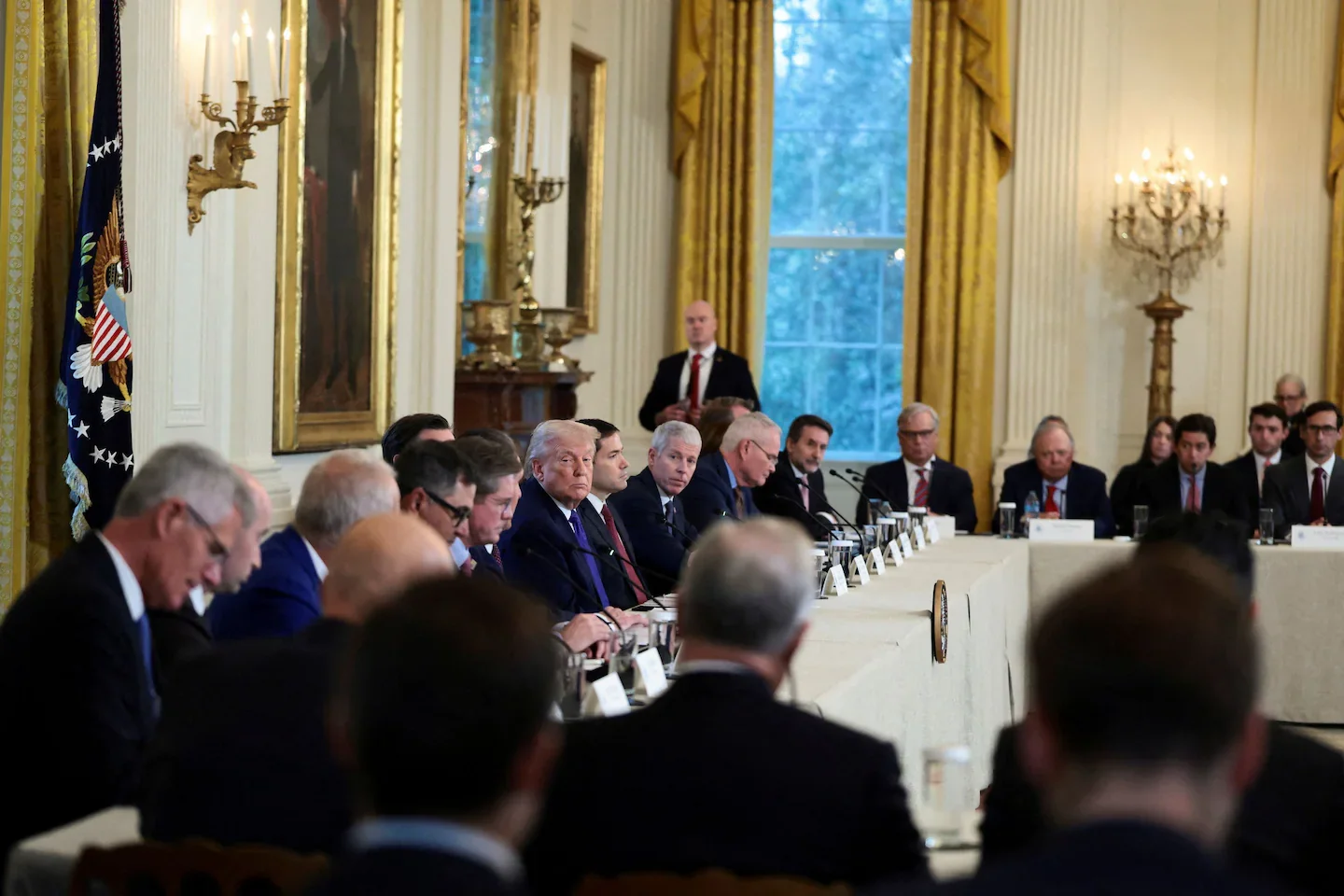
Exxon CEO and other industry leaders expressed cautious optimism about investing in Venezuela's oil sector during a White House meeting, with Exxon indicating it is currently 'uninvestible' but potentially assessable soon, while Trump assured safety for investors despite no clear security guarantees.
President Trump claimed Venezuela stole American oil, citing nationalization and asset seizures, but experts clarify that Venezuela's oil belongs to the government, and US companies had contractual rights. The history of nationalization, corruption, and legal claims complicates the situation, with the US now exploring oil exports from Venezuela amid political instability and industry decline.
The US is engaging in diplomatic talks with Venezuela to restore relations, while President Trump meets with oil executives to discuss investment in Venezuela's oil infrastructure, amidst ongoing political and economic turmoil in the country.
The article discusses how Chevron's leadership made a strategic decision to heavily invest in political and economic opportunities related to Donald Trump and Venezuela, highlighting the company's bold approach in navigating complex international relations and energy markets.
Oil CEOs are meeting with Trump to discuss potential investment in Venezuela's oil sector, contingent on political stability, legal assurances, and possible lifting of sanctions, but concerns about risks and infrastructure costs remain significant.
US shale oil executives warn President Trump that his efforts to boost Venezuelan oil production and lower crude prices threaten American producers, potentially leading to a decline in US shale output and profits, especially for smaller companies, amid a broader market glut and geopolitical tensions.
The article discusses the mixed interest of U.S. and European energy companies in investing in Venezuela's oil sector amid political upheaval, with skepticism from major firms and enthusiasm from smaller players, highlighting the risks and uncertainties involved.
Venezuela's debt rally follows the US capture of Maduro, but restructuring over $150 billion owed to various creditors faces significant hurdles due to political instability, US sanctions, and complex creditor web, making a resolution a long-term challenge.
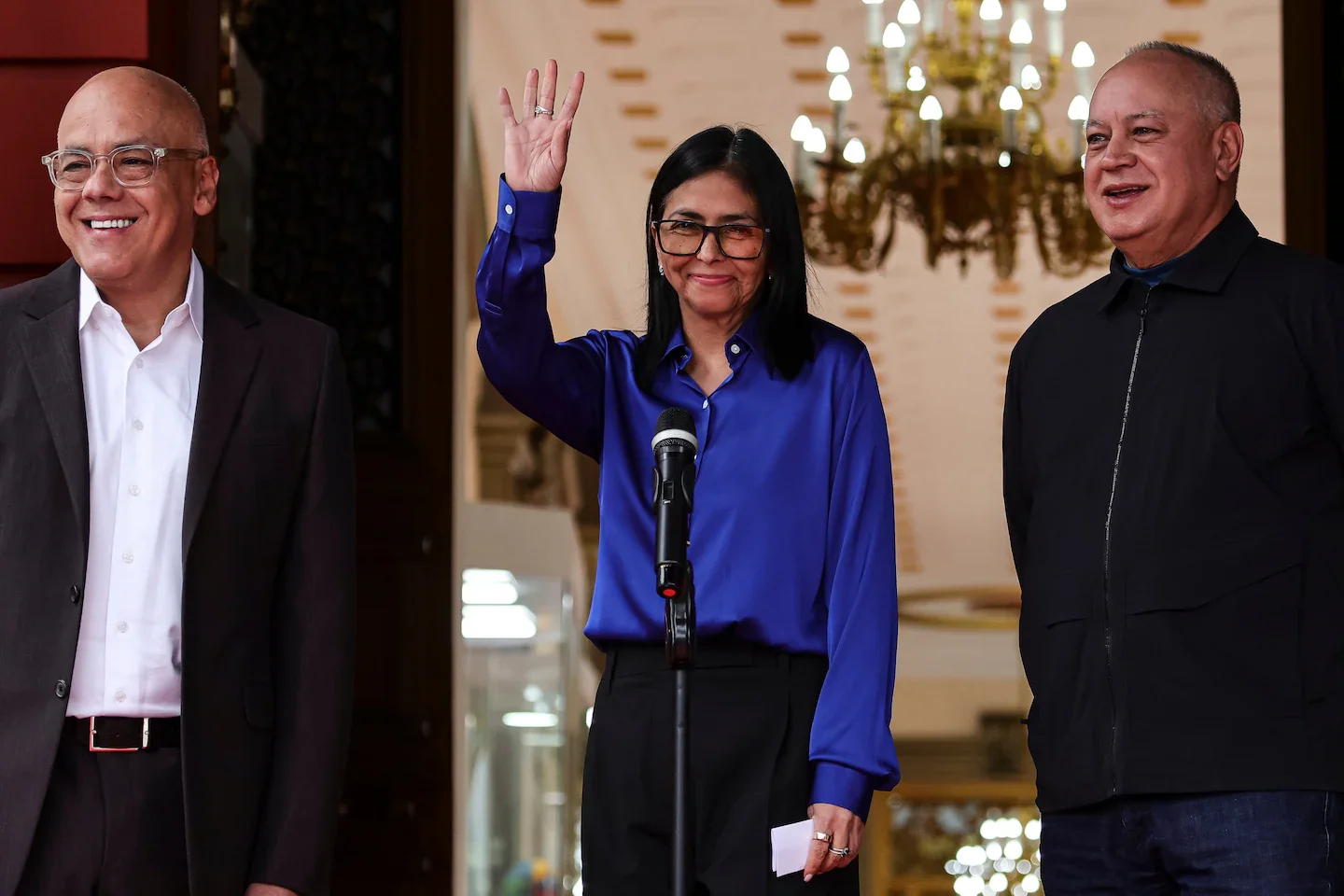
The article discusses the potential rise of Delcy Rodríguez as Venezuela's leader, supported by US and international oil interests who see her as a stabilizing figure capable of reviving Venezuela's oil industry amidst ongoing sanctions and political turmoil, with the US endorsing her to lead the country temporarily.
The article discusses Chevron's long-standing presence in Venezuela's oil industry and the potential benefits it could gain from recent U.S. military actions that led to the detention of Venezuelan President Nicolás Maduro, opening opportunities for U.S. oil companies to invest and profit from Venezuela's vast oil reserves.
President Trump’s optimism about US oil companies investing in Venezuela faces significant hurdles due to political instability, economic crisis, infrastructure decay, and low oil prices, making large-scale investment unlikely in the near term, with Chevron being the most positioned among US firms to potentially benefit.
Chevron is currently the leading U.S. oil company in Venezuela, which holds the world's largest proven oil reserves, but significant challenges including political instability, high investment costs, and uncertain future regimes make the path to restoring Venezuela's oil production a long and risky process for all oil majors.