Meta has secured multiple nuclear power agreements with TerraPower, Oklo, and Vistra to power its AI data centers in Ohio, supporting up to 6.6 gigawatts of clean energy by 2035, including funding for new nuclear units and existing plant expansions, to ensure reliable energy supply for its data infrastructure.
Meta has secured multiple nuclear power agreements with TerraPower, Oklo, and Vistra to power its AI data centers in Ohio, supporting up to 6.6 gigawatts of clean energy by 2035, including the development of new nuclear units and expansion of existing plants.
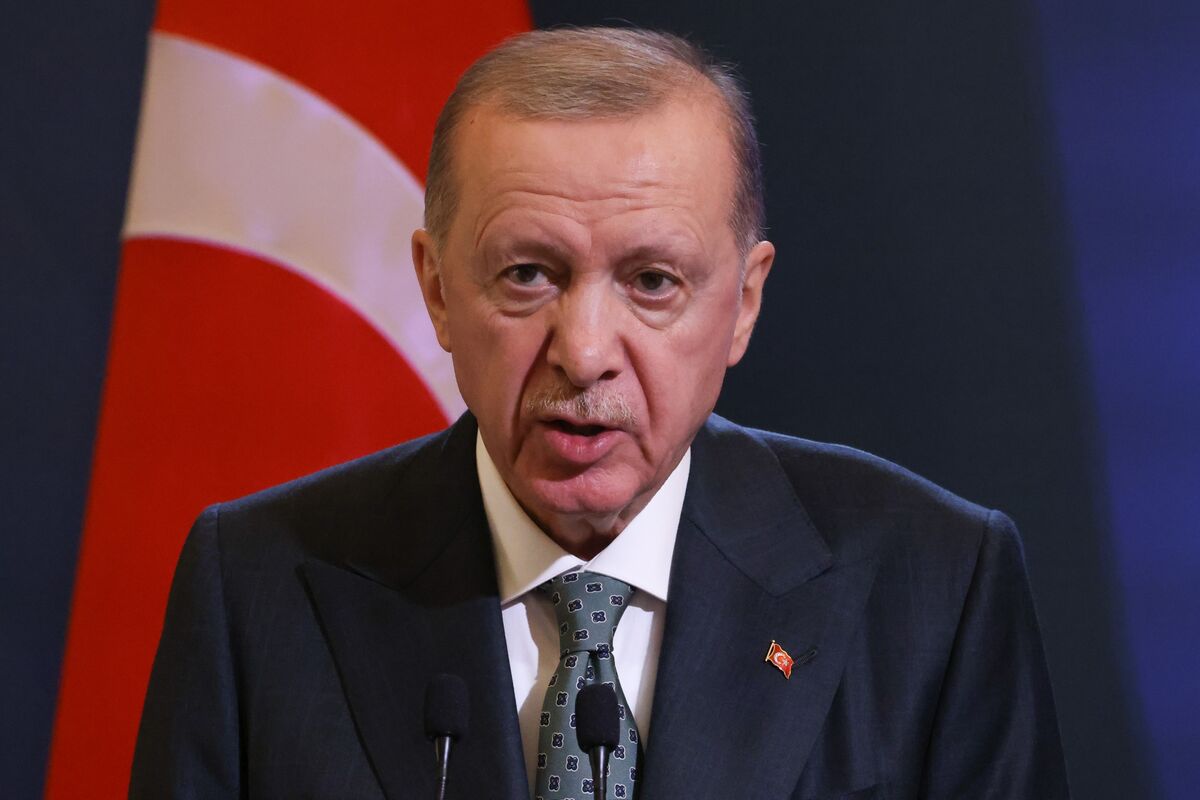
Turkish President Erdogan's visit to the White House aims to repair strained US-Turkey relations through potential $50 billion in deals, including military and energy contracts, seeking to strengthen Turkey's role in the Western alliance and boost its economy amid regional tensions.
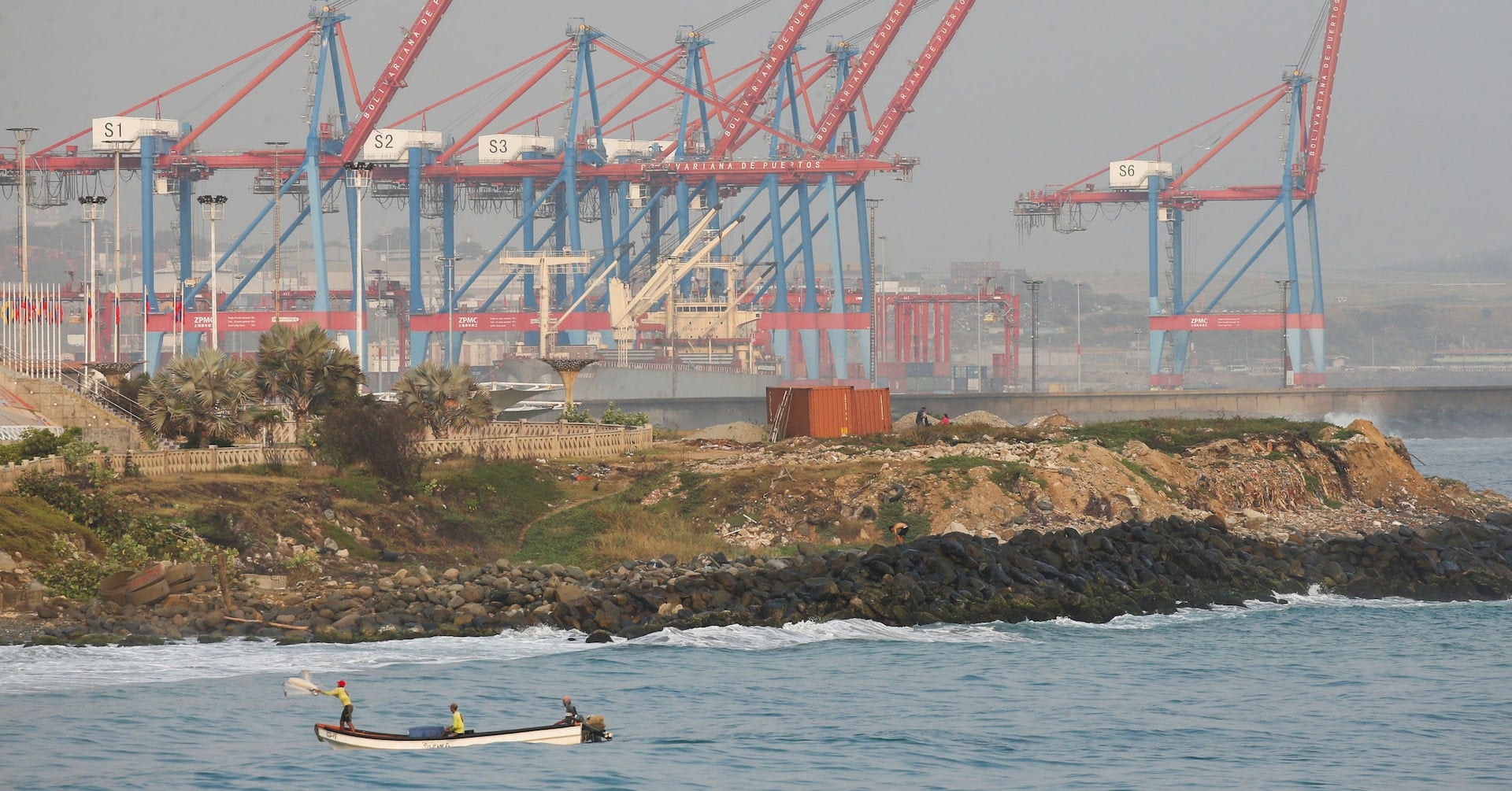
Venezuela's loss of a key U.S. license allowing oil exports is expected to impact the volume and quality of its crude and fuel sales, prompting a rush for individual U.S. deal authorizations. The move marks a setback from President Joe Biden's policy of re-engagement with Maduro but stops short of a return to the "maximum pressure" campaign under former President Donald Trump. The withdrawal of the license could force Venezuela's state company PDVSA to resort to selling oil through intermediaries, eroding its finances further and limiting access to hard currency.
Diamondback Energy has agreed to acquire Endeavor Energy Resources for $26 billion, creating a new Permian Shale giant and sparking a surge in FANG stock. The deal involves a combination of cash and stock, with existing Diamondback holders set to own 60.5% of the combined company. This acquisition follows a series of major energy deals, including Exxon Mobil's purchase of Pioneer Natural Resources and Chevron's acquisition of Hess. Diamondback Energy stock jumped 10% following the announcement.
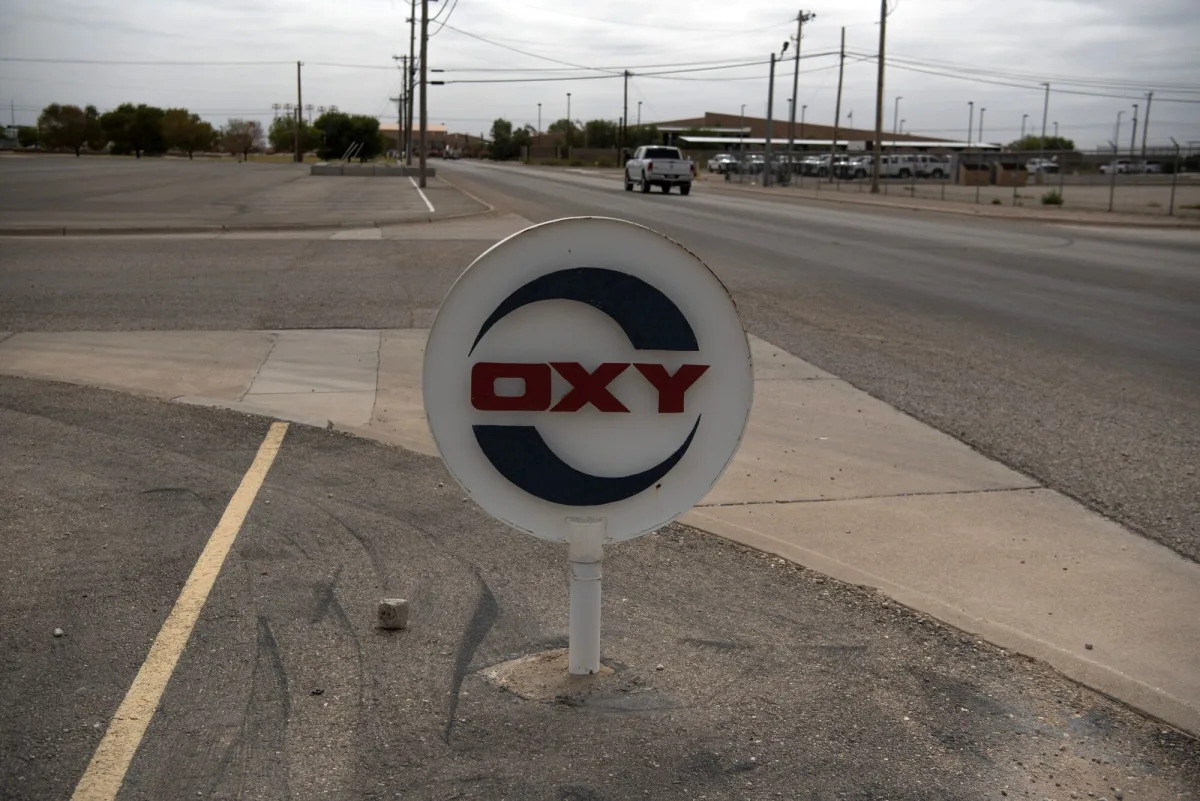
Berkshire Hathaway, led by Warren Buffett, has purchased nearly $590 million worth of Occidental Petroleum stock this week following Occidental's agreement to acquire CrownRock LP, a private Permian producer. Berkshire has been steadily buying Occidental stock over the past three years and now holds a stake of just over 27%, making it the company's largest shareholder. While Occidental did not require Buffett's assistance to fund the CrownRock acquisition, Berkshire's recent purchases are seen as a show of support for the deal.
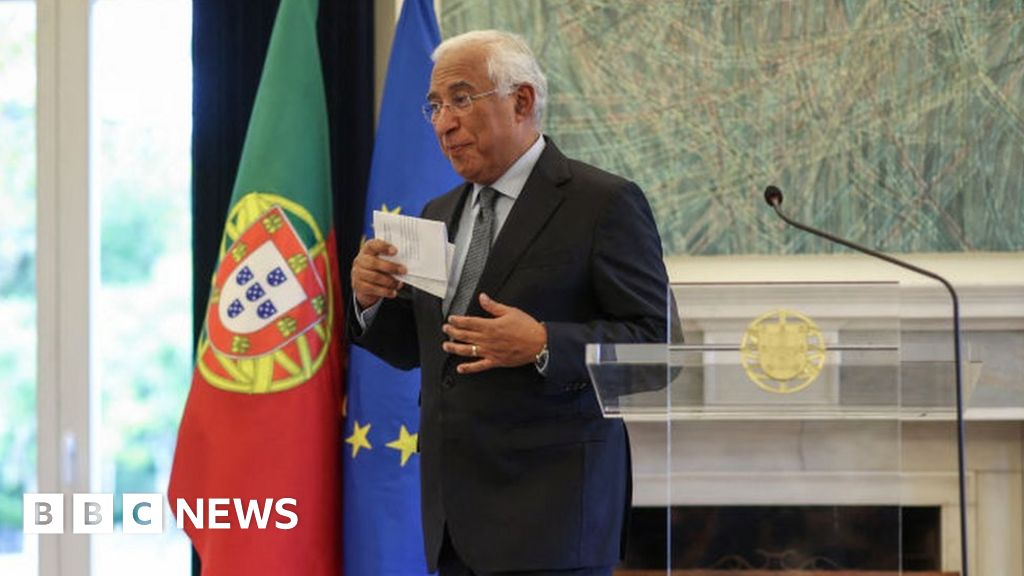
Portuguese Prime Minister António Costa has resigned following an investigation into alleged corruption involving concessions for lithium mines and hydrogen production. While Costa has not been named as a suspect, he believes the inquiry is incompatible with remaining in office. His chief of staff, Vítor Escária, has been detained, and Infrastructure Minister João Galamba has been indicted. Costa stated that the dignity of the prime minister's role is not compatible with any suspicion of criminal activity and pledged to cooperate with the investigation. The political crisis comes as Portugal's lithium reserves are seen as crucial for Europe's electric car demand.
Russia is pressuring India to help avoid being blacklisted by the Financial Action Task Force (FATF) in June, warning that key energy and weapons deals would be at risk. If blacklisted, FATF members, banks, investment firms, and payment-processors must perform additional due diligence and could even enact countermeasures. Russia has also said that even being added on the FATF's "gray list" would still threaten deals. Russia has turned to other governments for similar support, while Ukraine has championed the blacklisting, but is not a member itself.
Ukraine has accused Hungary of funding Russian war crimes by signing new energy deals with Russia, which will only prolong the war in Ukraine. Hungary's Ministry of Foreign Affairs and Trade did not immediately respond to the accusation. Hungary's populist Prime Minister Viktor Orbán has cultivated close relations with Russian President Vladimir Putin, and Budapest has consistently opposed the imposition of sanctions on Russia in retaliation for its brutal invasion of Ukraine.
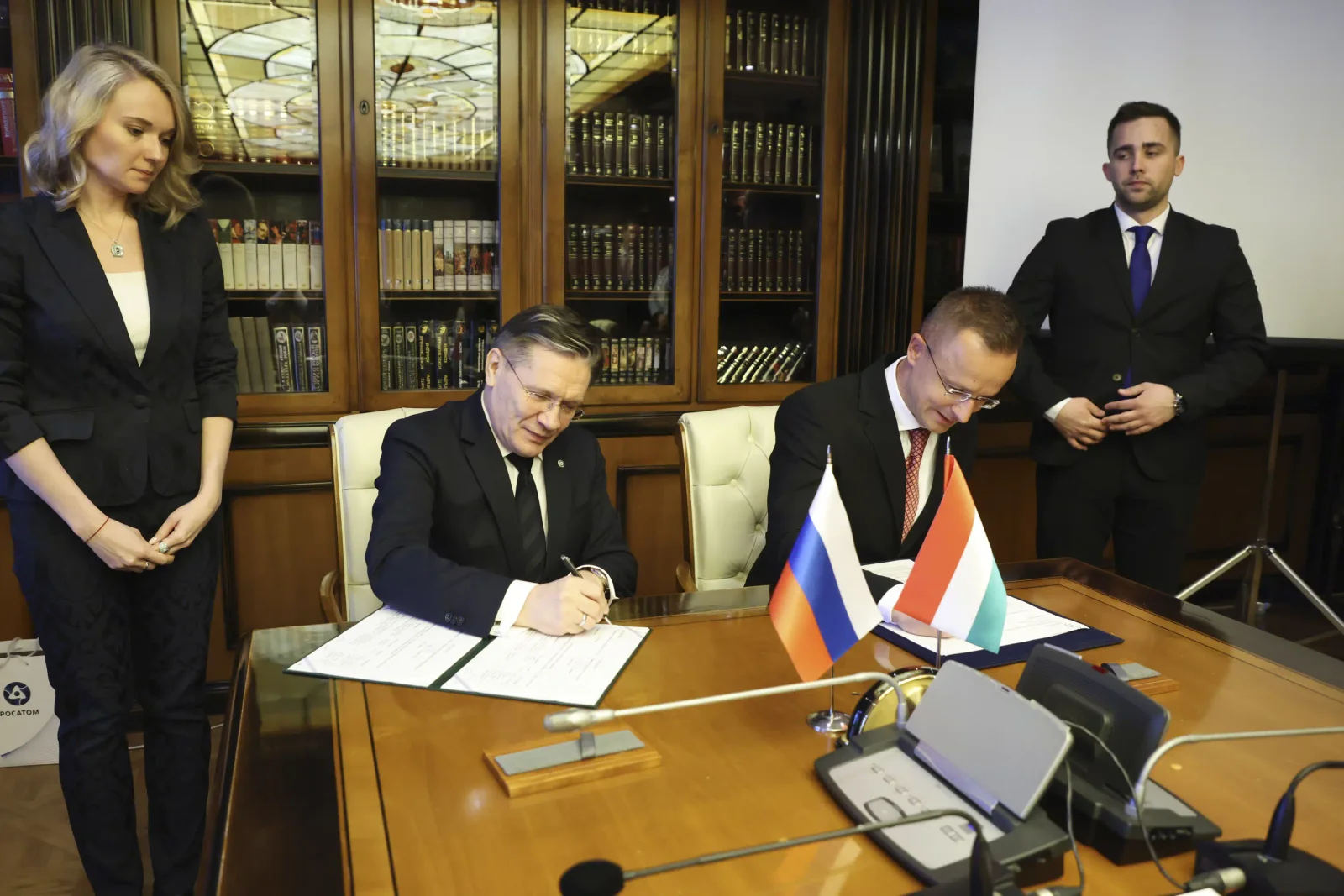
Hungary's top diplomat, Peter Szijjarto, visited Moscow and secured energy deals with Russia, including expanding gas flows and renewing a financing agreement on its nuclear power plant, despite the rest of the European Union's stance on Russia's invasion of Ukraine. Meanwhile, US Secretary of State Antony Blinken criticized Russia for not granting American diplomats access to detained Wall Street Journal reporter Evan Gershkovitch, and Defense Secretary Lloyd Austin vowed to find the source of leaked classified documents on Ukraine and other nations. Ukraine's steel production hit a 13-month high, and Ukrainian billionaire Rinat Akhmetov launched arbitration proceedings against Russia for seizing assets belonging to his SCM Group in the occupied regions of Donetsk and Luhansk.
Hungary has signed new agreements with Russia to ensure continued access to Russian energy, including the import of natural gas beyond the amounts agreed to in a long-term contract. The Hungarian government has lobbied heavily in the EU to be exempted from any sanctions imposed on Russian gas, oil or nuclear fuel, and also has threatened to veto proposed EU actions against Moscow. Hungarian Foreign Minister Peter Szijjarto insisted that access to Russian energy supplies was crucial for Hungary’s security regardless of political considerations brought on by the war in Ukraine.
Iraq has made significant progress in its energy sector with two major deals, including a historic agreement between the government and the Kurdistan Regional Government on the export of oil and management of revenues, paving the way for a multi-year budget and a hydrocarbons law. The government also reached a $27 billion deal with France's TotalEnergies to recapture and use flared gas in southern Iraq, increasing electricity supply, reducing harmful climate effects, and allowing for the export of gas products to new markets. Companies from Qatar, Saudi Arabia, and the United States will play important roles in this infrastructure project.
The delay in China's commitment to the Power of Siberia 2 gas pipeline project with Russia reveals an imbalance between the two countries that favors Beijing in energy deals, according to analysts. The pipeline could transport 50 billion cubic meters of gas to China annually, reducing Russia's reliance on European buyers. Moscow is confident the project will move forward, but China has so far avoided making an explicit commitment. Russian gas deliveries to China through the existing Power of Siberia pipeline reached a record 15.5 billion cubic meters last year.