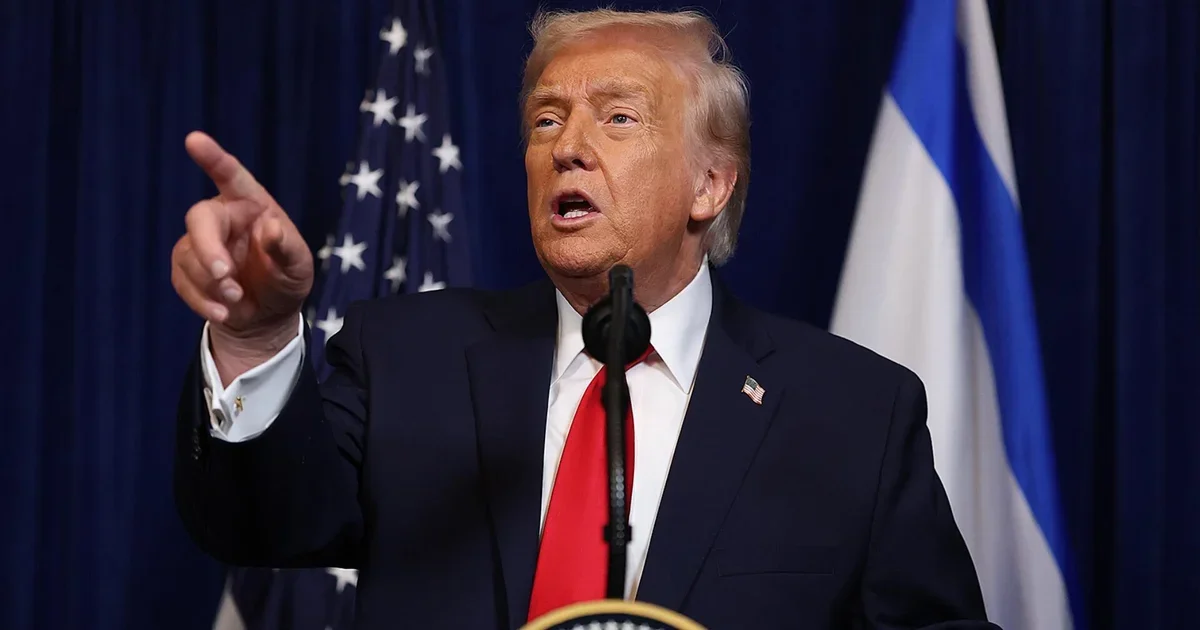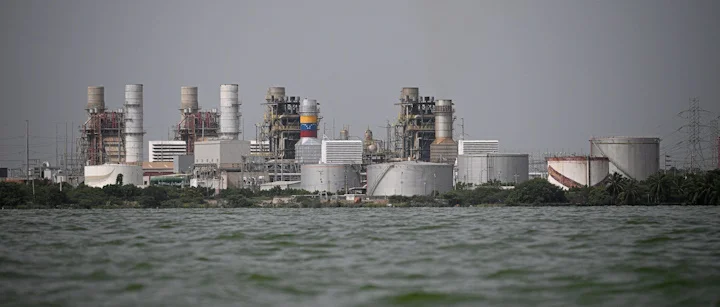
President Trump claimed Venezuela stole American oil, citing nationalization and asset seizures, but experts clarify that Venezuela's oil belongs to the government, and US companies had contractual rights. The history of nationalization, corruption, and legal claims complicates the situation, with the US now exploring oil exports from Venezuela amid political instability and industry decline.
The article discusses Venezuela's history of nationalizing its oil industry, the claims by Trump that Venezuela stole U.S. assets, and the ongoing tensions over oil sanctions and control, highlighting the complex history and current disputes over oil resources and assets between the U.S. and Venezuela.
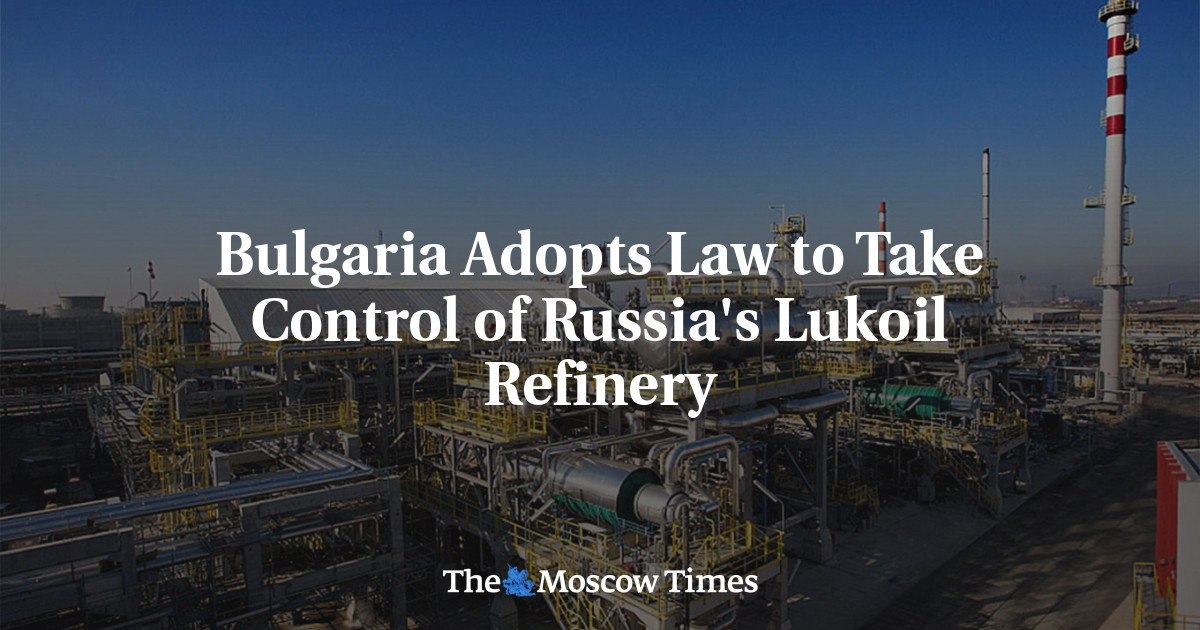
Bulgaria's parliament has passed laws to take control of the Lukoil Neftochim refinery in Burgas following US sanctions against the Russian oil company, allowing for potential nationalization and sale of shares, amid concerns over legal and economic risks.
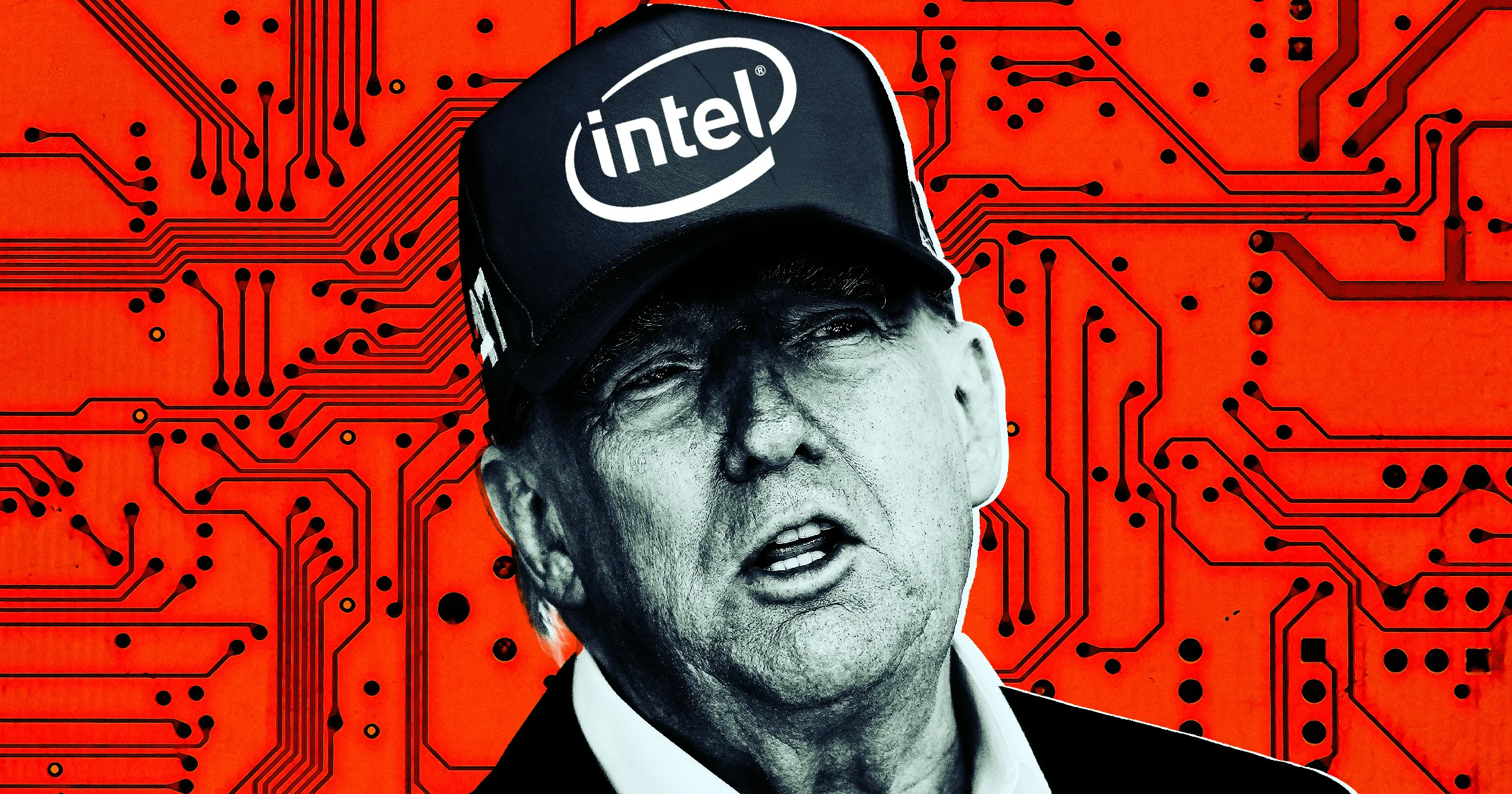
California Governor Gavin Newsom criticized former President Trump's deal for the federal government to take a stake in Intel, calling it reckless and comparing it to China's nationalization practices, and expressed outrage over the implications for private industry and national security.
President Trump has directed the US government to buy a 10% stake in Intel, a move seen as a form of industry nationalization and criticized across the political spectrum, especially given Intel's recent financial struggles and the contrast with Nvidia's success. The move has sparked concerns about government overreach and socialism, with some critics warning it sets a dangerous precedent for government control over private industry.
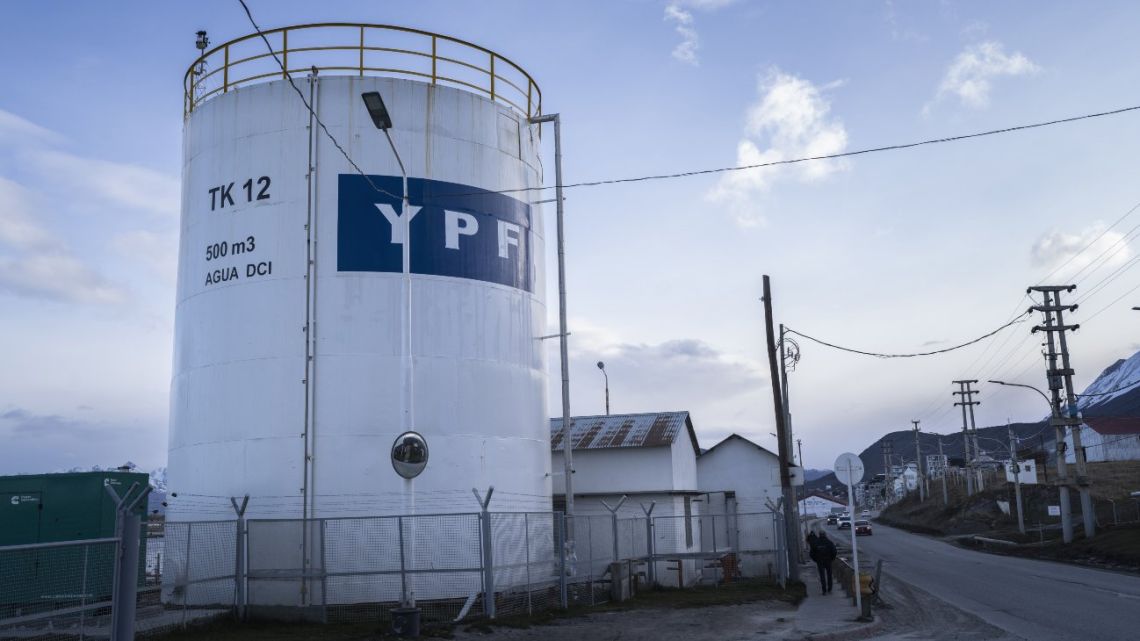
A US judge has ordered Argentina to relinquish its 51% stake in YPF within two weeks following a $16 billion judgment against the country for the 2012 nationalization of the energy company, marking a significant legal and economic setback for President Javier Milei's government as it faces potential delays in oil and gas projects and ongoing financial negotiations.
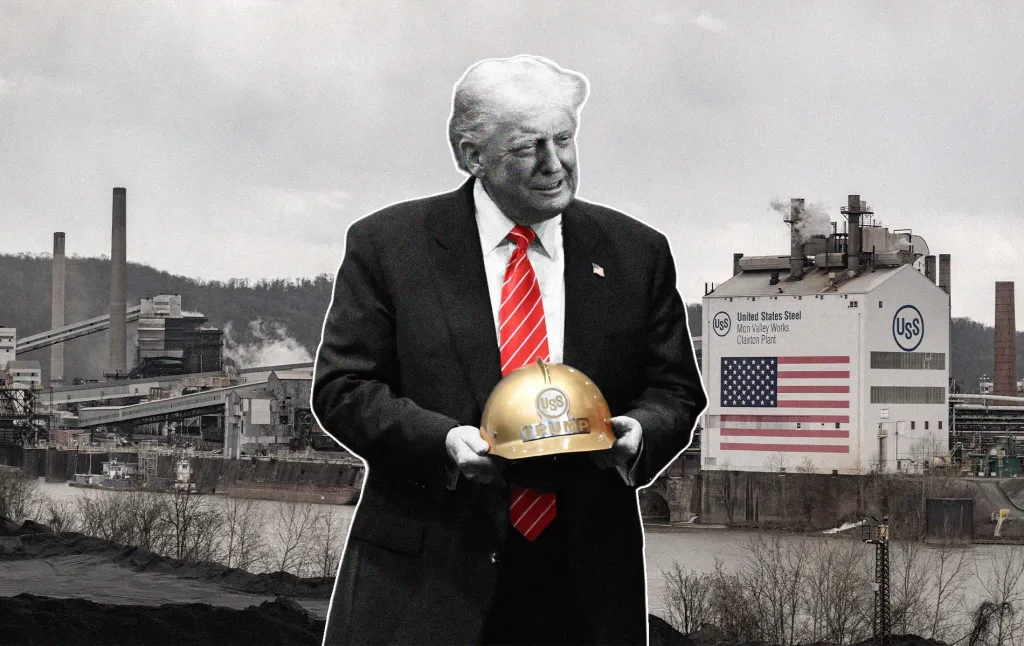
President Trump approved the sale of U.S. Steel to Nippon Steel, but only after securing extensive government controls through a 'golden share' that grants the U.S. government veto power over major decisions, effectively nationalizing the company and raising concerns about government intervention in private industry.
Boeing, once a reliable company, is facing a series of mid-flight disasters and quality control problems, leading to a 27% stock decline and federal investigation. With its untouchable status and lack of true competition, solutions to its problems are elusive. Suggestions include firing the entire C suite, nationalization, or facing the risk of continuous safety issues with potential devastating consequences for the aviation industry.
Rosneft has issued a warning to Berlin over its plan to nationalize the company's German assets, stating that such a move would have serious consequences for the German economy and energy security. The Russian state-controlled oil company's statement comes in response to a proposal by Germany's Left party to bring Rosneft's German operations under state control.
The GOP primary process demonstrates that all politics are now national, with Donald Trump's dominance highlighting the shift away from Tip O'Neill's belief that politics are local. This nationalization poses a challenge for Nikki Haley, as regional quirks and pet issues have been eroded by a fast-twitch news cycle and declining local news. Campaigning in specific states has lost significance, as social media and direct voter communication have transcended state and international borders, leading to a homogenization of politics. The traditional methods of campaigning, such as door-to-door outreach, have diminished, leaving voters inundated with national political narratives.
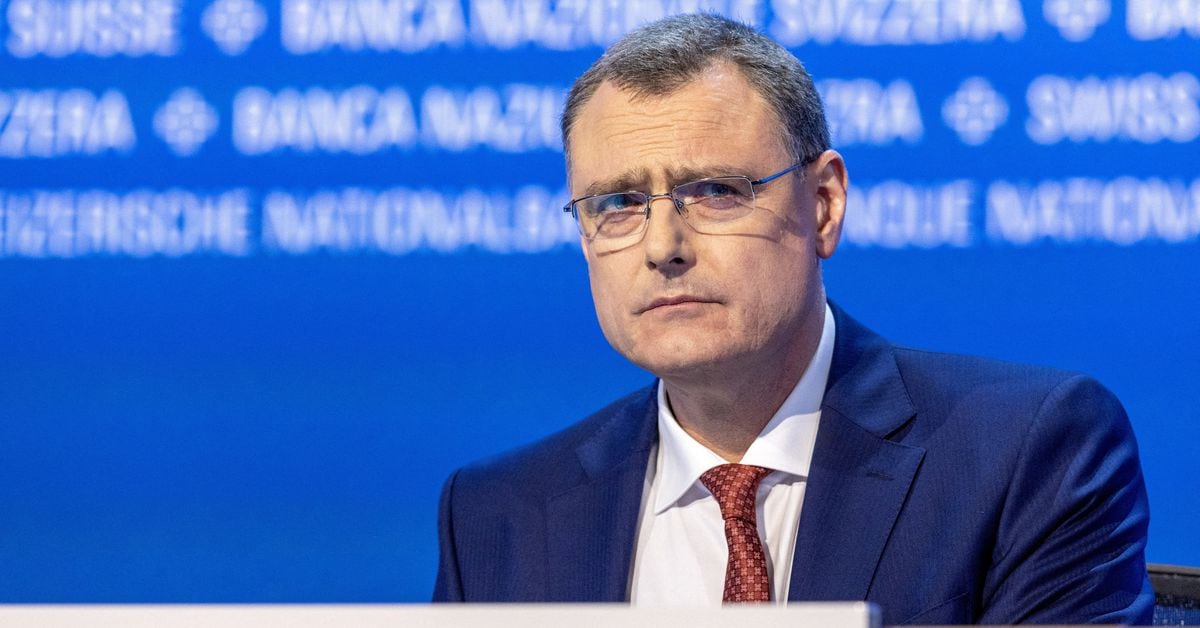
Swiss authorities, including the central bank and financial regulator FINMA, failed to effectively oversee Credit Suisse, leading to its collapse and subsequent sale to UBS. About six months before the sale, the head of the Swiss central bank wanted to inject 50 billion Swiss francs ($57.6 billion) into Credit Suisse and nationalize it, but this idea was opposed by FINMA, the finance ministry, and Credit Suisse's management. The lack of coordination and differing opinions among Swiss officials undermined their ability to properly regulate the bank, which faced a series of scandals and failed restructuring attempts. The collapse of Credit Suisse has damaged Switzerland's reputation as a financial center and highlighted the need for stronger global financial regulation.
At least 32 people have died and 14 are missing after a mine fire in Kazakhstan's Kostenko mine operated by ArcelorMittal Temirtau. The fire, suspected to be caused by a methane blast, led to the evacuation of 206 out of 252 people. Kazakh President Kassym-Jomart Tokayev declared a national day of mourning and ordered a halt to investment cooperation with ArcelorMittal Temirtau. The government and the company are working on finalizing a deal to nationalize the company, which operates the country's largest steel mill.
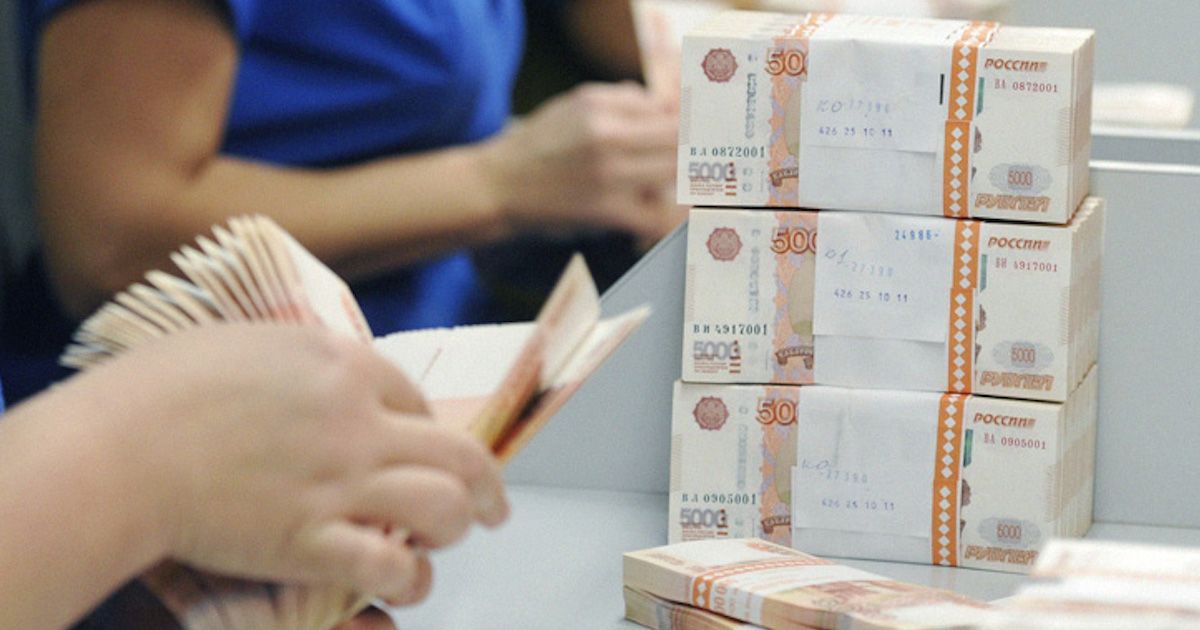
Russia's economy is facing several challenges, including a labor shortage caused by the war in Ukraine, mobilization, and emigration, which is driving up wages and inflation. The rapid growth in military expenditure is overheating the economy and leading to a weaker ruble. The Central Bank's recent interest rate hike has increased the risk of a recession. The real estate market is also a concern, with rising prices and a potential surplus of unsold apartments. Additionally, the nationalization of foreign businesses by the Russian authorities threatens future economic growth.
The fear of a significant brain drain in the tech industry is the main reason why the Kremlin is hesitant to nationalize Yandex, often referred to as "Russia's Google," according to sources. Yandex, Russia's leading tech company, has seen many of its staff members move abroad, with some relocating to Serbia. The loss of talent could severely damage the company's position in search technology, advertising, and ride-hailing. Talks regarding the divestment of Yandex's Russian businesses are currently at a standstill, as no one wants to be seen as "killing the company." Obtaining approval for deals and extracting funds from Russia has become increasingly difficult, and recent U.S. sanctions on a mediator between the Kremlin and Yandex have added to the company's challenges.
Despite the increasing risks and complexities, some Western companies like Nestlé, Heineken, and Mondelez have chosen to stay in Russia, caught between Western sanctions and an increasingly hostile Russian government. The Kremlin is making it difficult for Western firms to sell their Russian assets, imposing steep discounts and punitive taxes. Recent examples of state intervention, such as the nationalization of assets belonging to Danone and Carlsberg, highlight the risks faced by foreign firms. While some companies cite concerns for employees and obligations to local partners, others argue that leaving would only benefit the Kremlin. Selling assets comes with hefty penalties, and Western sanctions further complicate finding legitimate buyers. Over 1,000 foreign companies have exited or suspended operations in Russia since the war broke out, but more than 200 companies continue to do business as usual, while 178 firms have scaled back operations but still have a presence in the country.