energy-international-relations3.73 min read
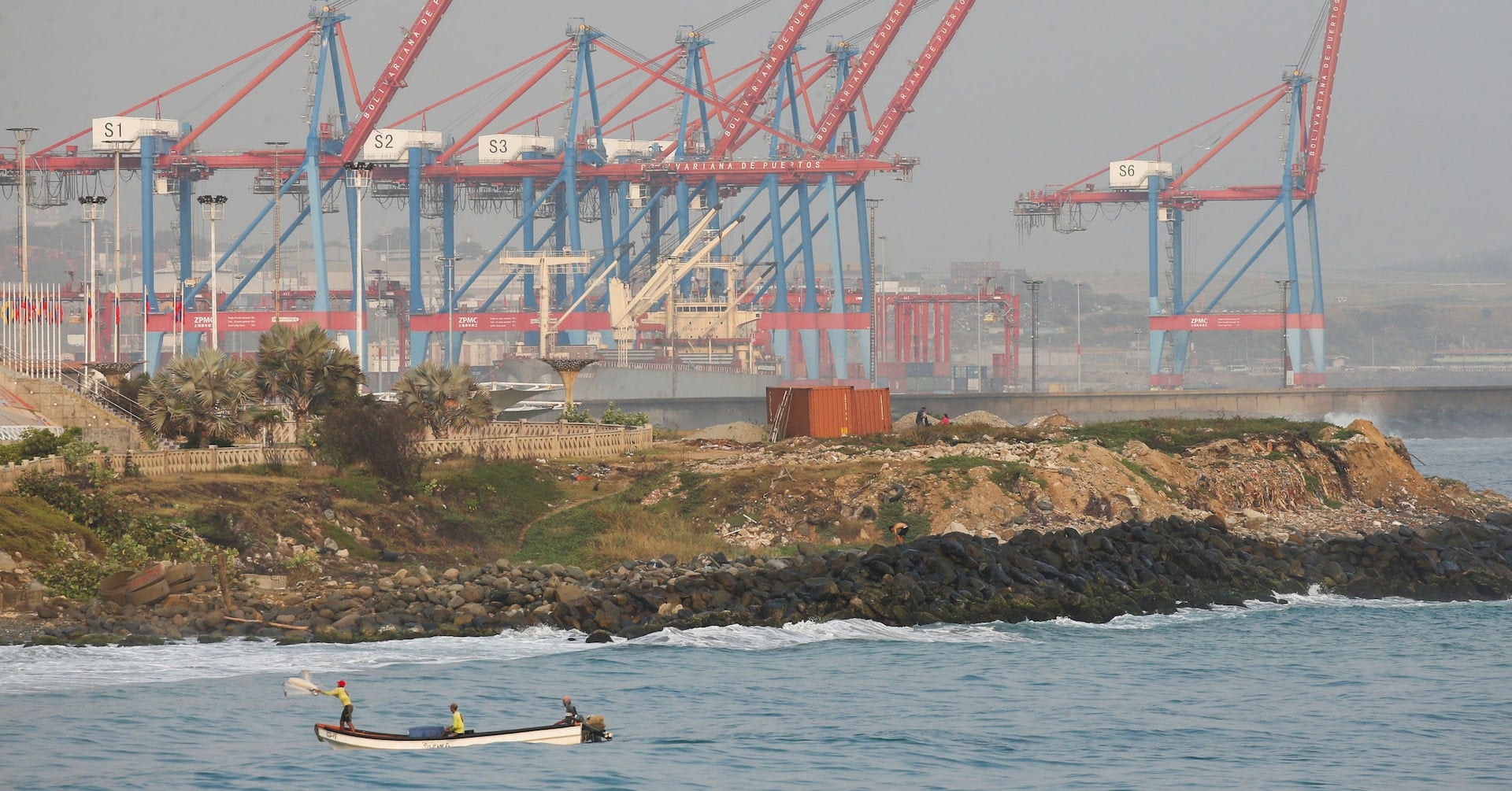
"US Reimposes Sanctions on Venezuela's Oil Sector Amid Election Concerns"
1 year ago•Source: Reuters

The latest energy international relations stories, summarized by AI

Oil prices surged to their highest levels since October amid reports of escalating tensions between Israel and Iran, with West Texas Intermediate futures reaching $87.30 per barrel and Brent touching $92.11 per barrel. The potential for an imminent attack on government targets from Iran has led to increased buying of call options, tightening the supply/demand picture. Analysts predict oil prices may top out around $95+ a barrel in the summer months, with higher energy costs contributing to recent inflation in the US.
Reuters•1 year ago

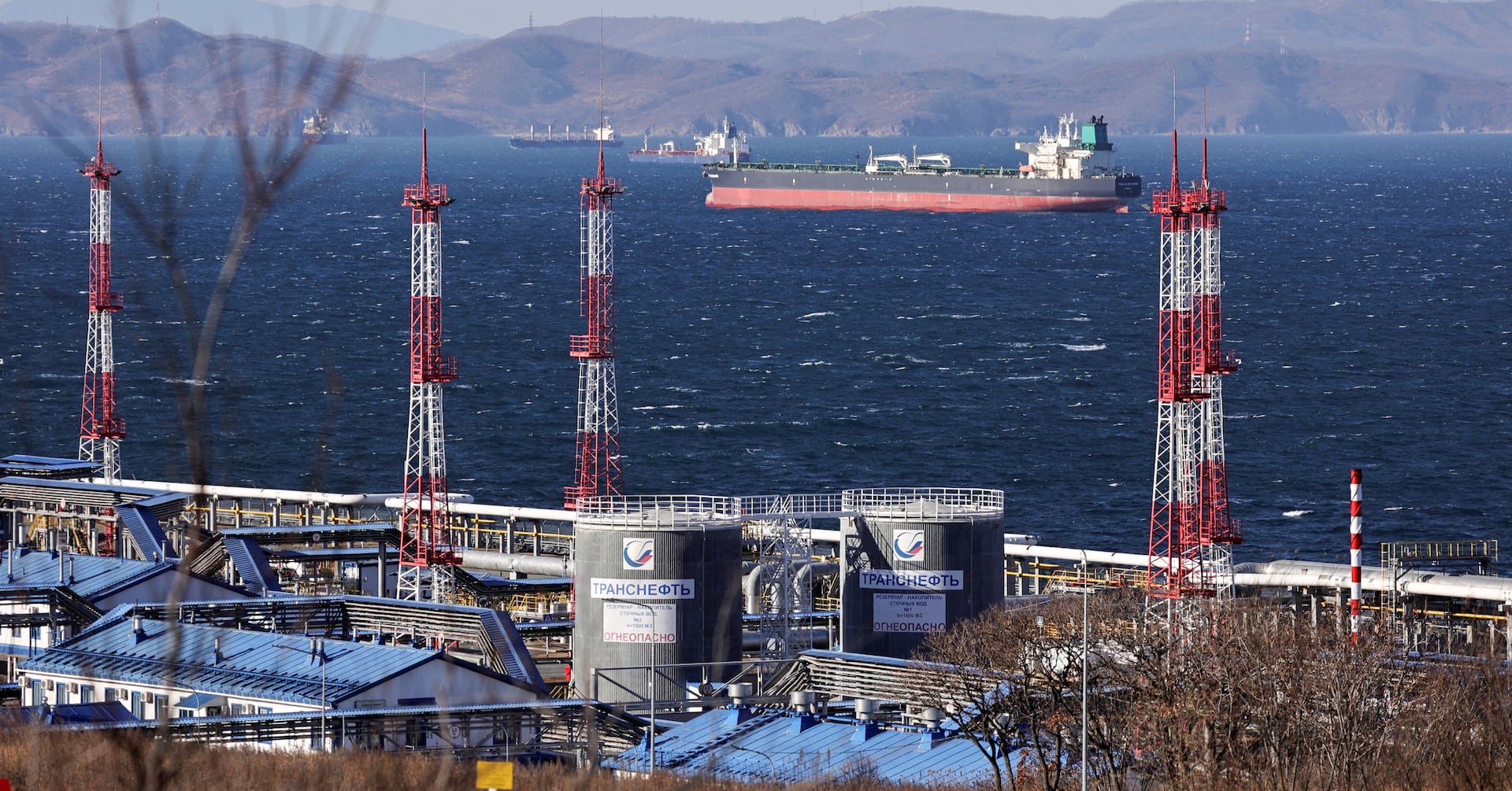
Saudi Arabia, Russia, and other OPEC+ producers have agreed to extend their voluntary crude supply cuts until the end of June, with Saudi Arabia maintaining a 1 million barrels per day cut and Russia reducing its production and export supplies by 471,000 barrels per day. The decision comes amid a stagnant oil price, ongoing geopolitical tensions, and lower demand due to seasonal refinery maintenance in China. These voluntary cuts do not require unanimous consent and will be reassessed in June during the next OPEC+ policy negotiations.
Europe has successfully reduced its reliance on direct Russian oil imports, dealing a blow to Vladimir Putin. Research by Rystad shows that the UK and much of Europe have shifted away from Russian oil and gas, turning to other suppliers such as the US and Canada. This shift has been facilitated by a surge in supply from non-Opec sources and a decrease in overall energy demand due to economic slumps. However, there are concerns that some of the apparent decline in trade with Russia could be illusory, as Russia may be selling more crude oil to countries like India, which is then processed and sold to the UK and Europe.

Crude oil prices rose for the fourth consecutive day after the U.S. killed a militant commander in Iraq and Israel rejected a ceasefire proposal by Hamas. The West Texas Intermediate futures contract added 86 cents to trade at $74.73 a barrel, while the Brent contract for April gained 94 cents to trade at $80.15 a barrel. The Middle East is on the brink of another round of violent escalation as U.S. Secretary of State Antony Blinken seeks a humanitarian pause in Gaza, while Israel's Prime Minister Benjamin Netanyahu vows to press on for "total victory."
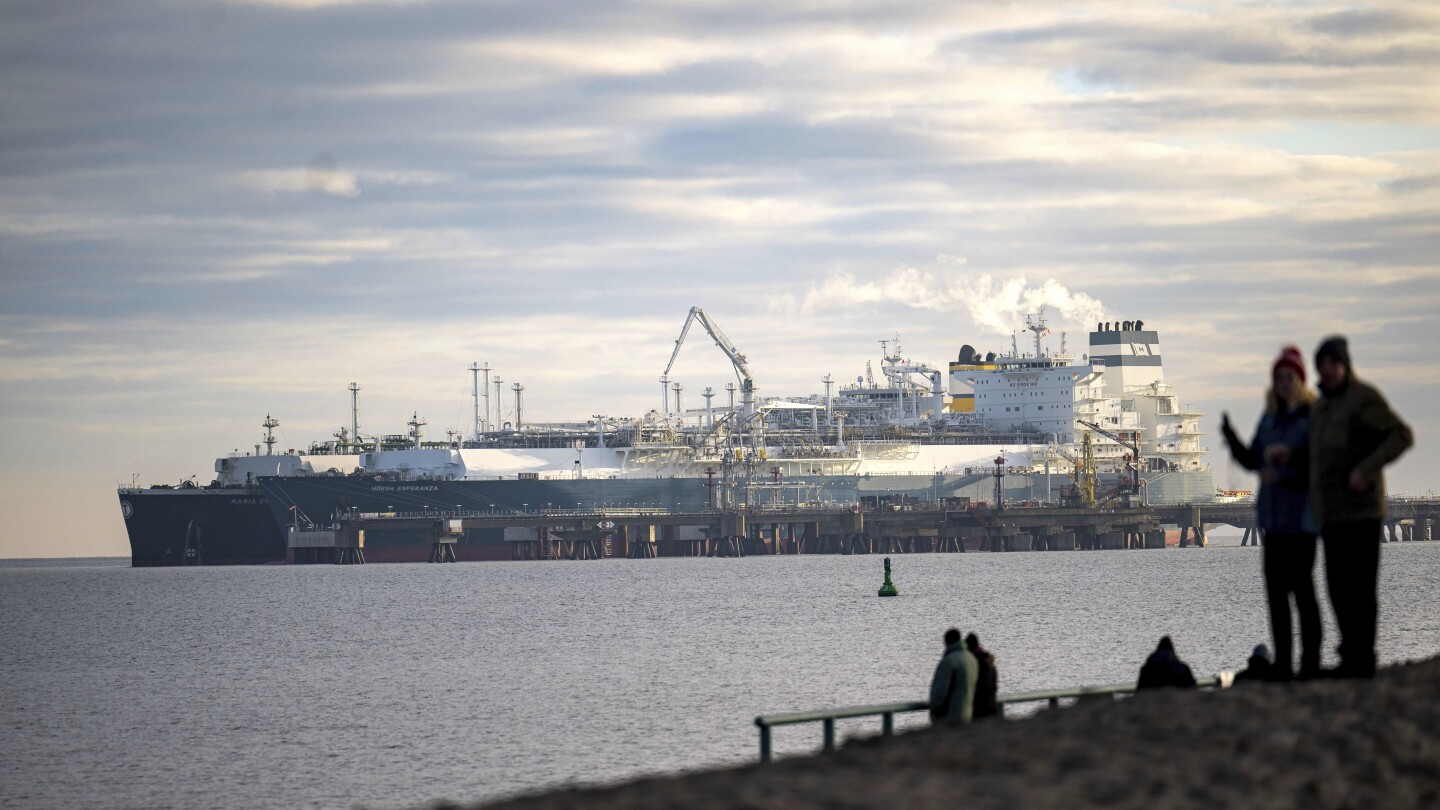
Conflict in the Middle East, particularly the attacks by Yemen’s Houthi rebels in the Red Sea, is disrupting a crucial energy lifeline for Europe, impacting the supply of liquefied natural gas (LNG) from the Middle East. While the attacks have led to rerouting of shipments and cancellations, Europe's gas market is currently well supplied, with little impact on natural gas prices due to weak demand and abundant storage. However, there are concerns about potential escalation and disruption of shipping through the Strait of Hormuz, as well as debates over the role of U.S. gas exports in European energy security amid climate change considerations.
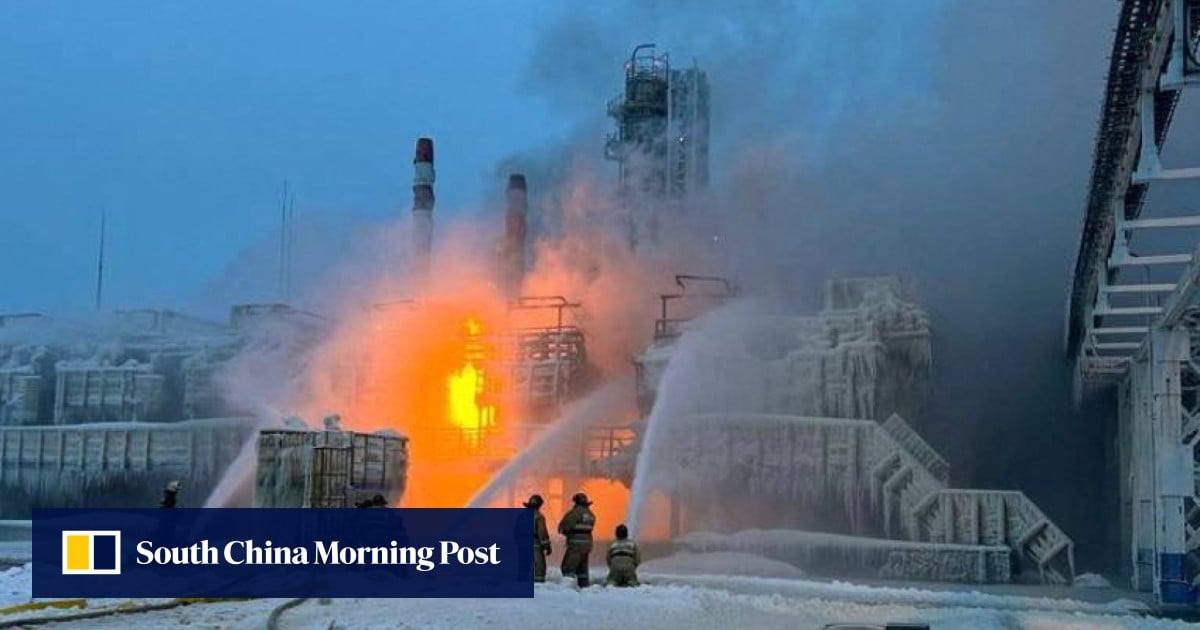
Russian LNG producer Novatek suspends operations at its Baltic Sea terminal after a suspected Ukrainian drone attack caused a fire, damaging two storage tanks and a pumping station. The Ust-Luga complex processes stable gas condensate and is crucial for shipping processed products to international markets. Russia and Ukraine have been targeting each other's energy infrastructure in a nearly two-year-old war, with recent attacks on an oil depot in Bryansk and the Baltic Sea oil terminal. The fire has been brought under control, and there were no casualties reported.
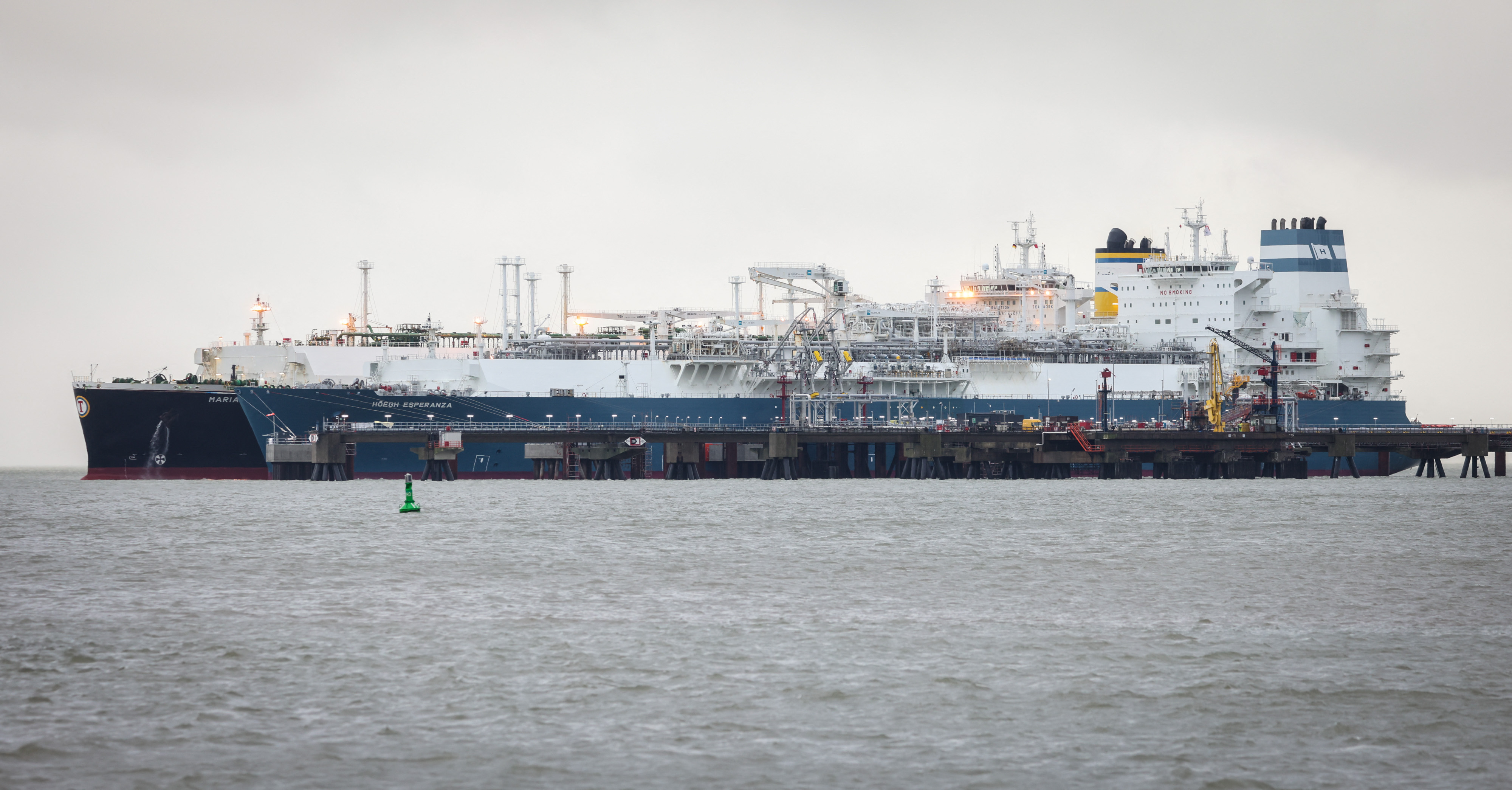
The Biden administration's review of US natural gas export permits is causing concern in Europe, where the energy industry relies on American gas to meet its demands and reduce reliance on Russian gas. The reassessment, driven by climate concerns, could stall projects and create tensions as Europe tries to counter Russia's influence. While the EU has significantly reduced its intake of Russian gas by increasing imports of US liquefied natural gas, a potential slowdown in US exports could push European companies to seek contracts with other suppliers like Qatar, impacting the region's energy security and supply routes.
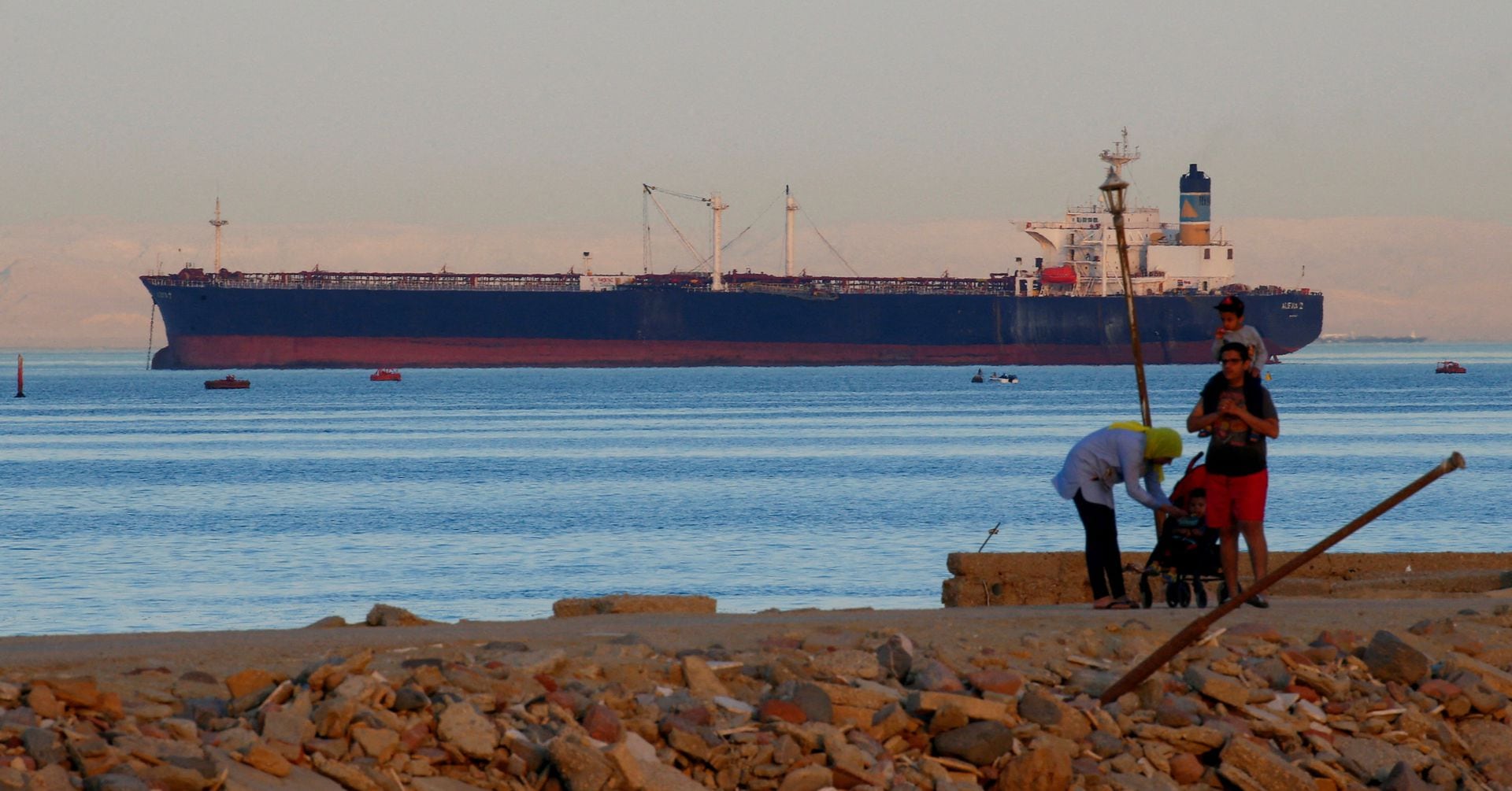
Tankers carrying Qatari liquefied natural gas (LNG) have resumed their course through the Red Sea after a pause due to maritime attacks by Yemen's Iran-aligned Houthis. The attacks have disrupted trade on the main East-West route, prompting some vessels to divert from the Red Sea to the longer route around Africa. Despite the tensions, Qatari LNG production continues, and gas storage levels in Europe remain healthy.

Oil prices surged over 2.5% after the US and Britain conducted air and sea strikes on Houthi military targets in Yemen in response to the group's attacks on shipping in the Red Sea, raising concerns about potential disruptions to oil supplies from the region. The attacks come amid escalating tensions in the Middle East, with the US and its allies sending a clear message against threats to freedom of navigation. The Houthi attacks have already disrupted international commerce, leading shipping companies to divert vessels away from the Red Sea, while Iran's recent seizure of a tanker near the critical Strait of Hormuz has further heightened concerns about oil flows through the region.