Tag

Paleobotany

All articles tagged with #paleobotany

science1 year ago

Ancient Devonian Fossilized Forest Unearthed in England

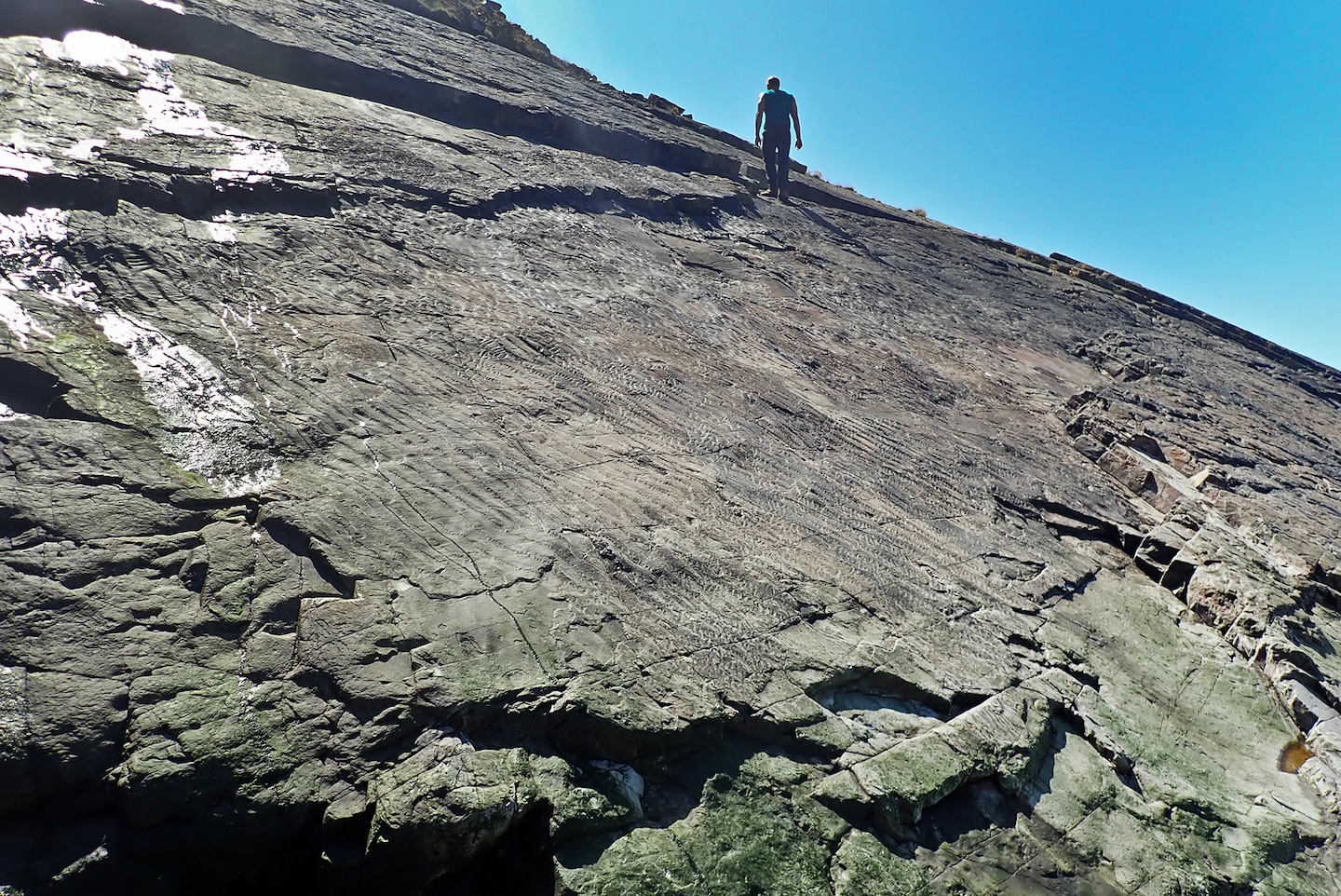
Scientists have uncovered fossilized remnants of the earliest known forest, dating back 390 million years to the Devonian Period, atop cliffs in England. The discovery sheds light on the development of the first forests, featuring peculiar trees called Calamophyton, which had thin, hollow trunks and no leaves. These ancient trees played a significant role in shaping the landscape and creating new animal habitats. The find underscores the importance of revisiting areas for new discoveries and highlights the need to continue exploring Earth's plant past.

science1 year ago

"Devon and Somerset Coast Unveils World's Oldest Fossilized Forest Dating Back 390 Million Years"

Scientists have discovered the world's oldest fossilized forest in southwest England, dating back 390 million years, surpassing the previous record by 4 million years. The forest, from the Devonian Period, featured Calamophyton trees that resembled palm trees with thin, hollow trunks and twig-like structures. These trees played a crucial role in stabilizing riverbanks and coastlines, and provided a habitat for early invertebrates. The findings shed light on the rapid development of early forests and offer insights into the ecology of this ancient forest.

science-and-nature1 year ago

"Discovery of 380-Million-Year-Old Forest in Upstate NY Rewrites History"

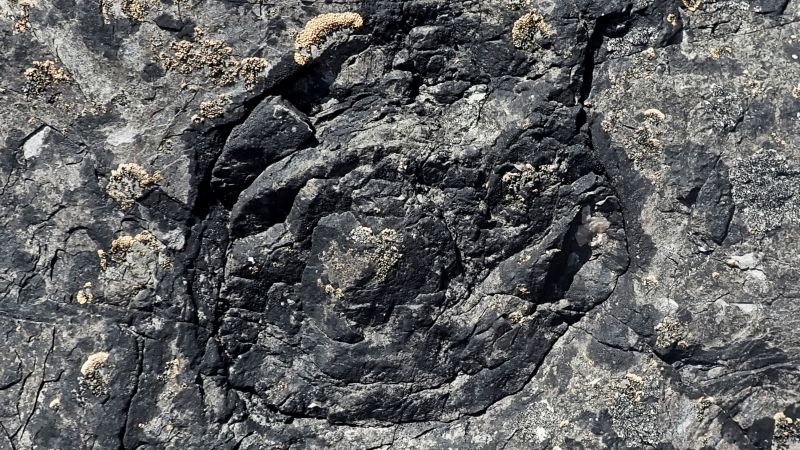
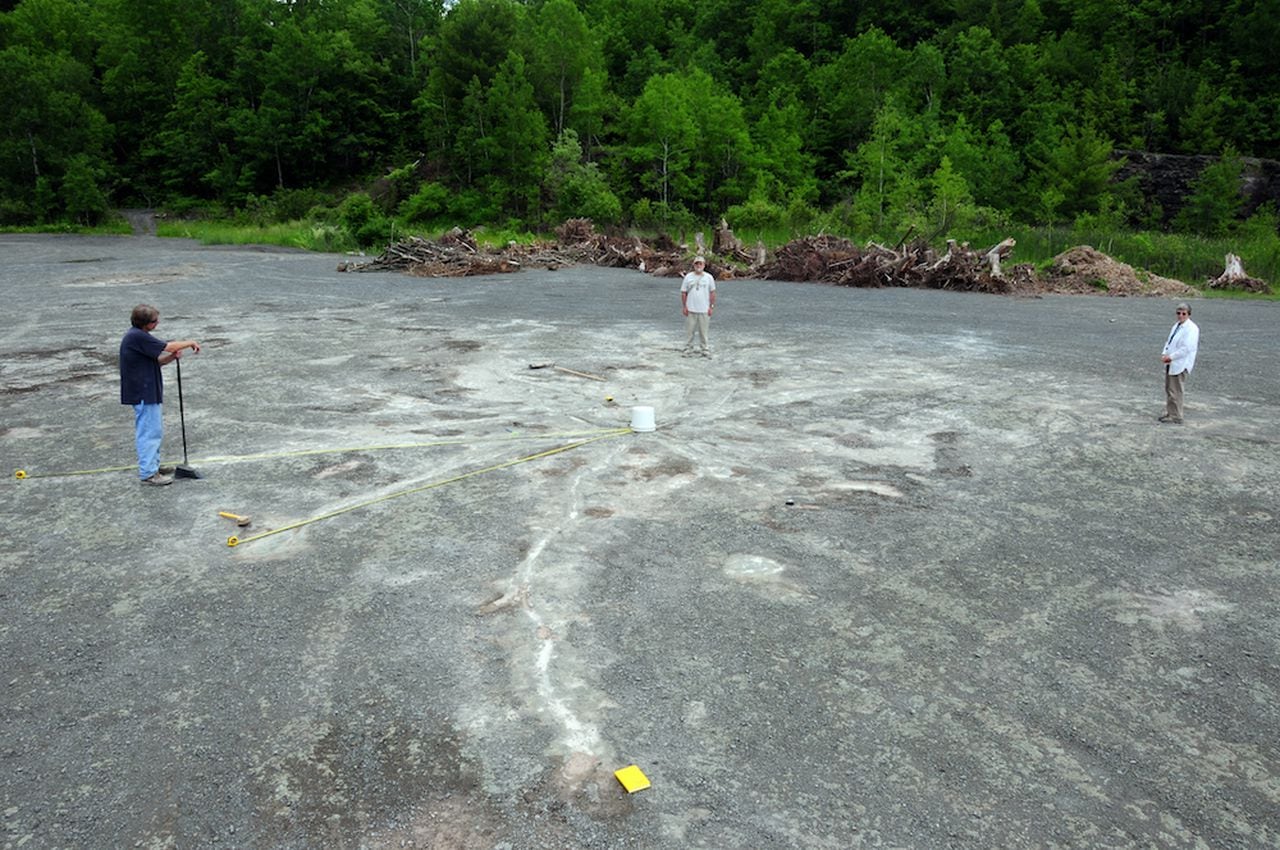
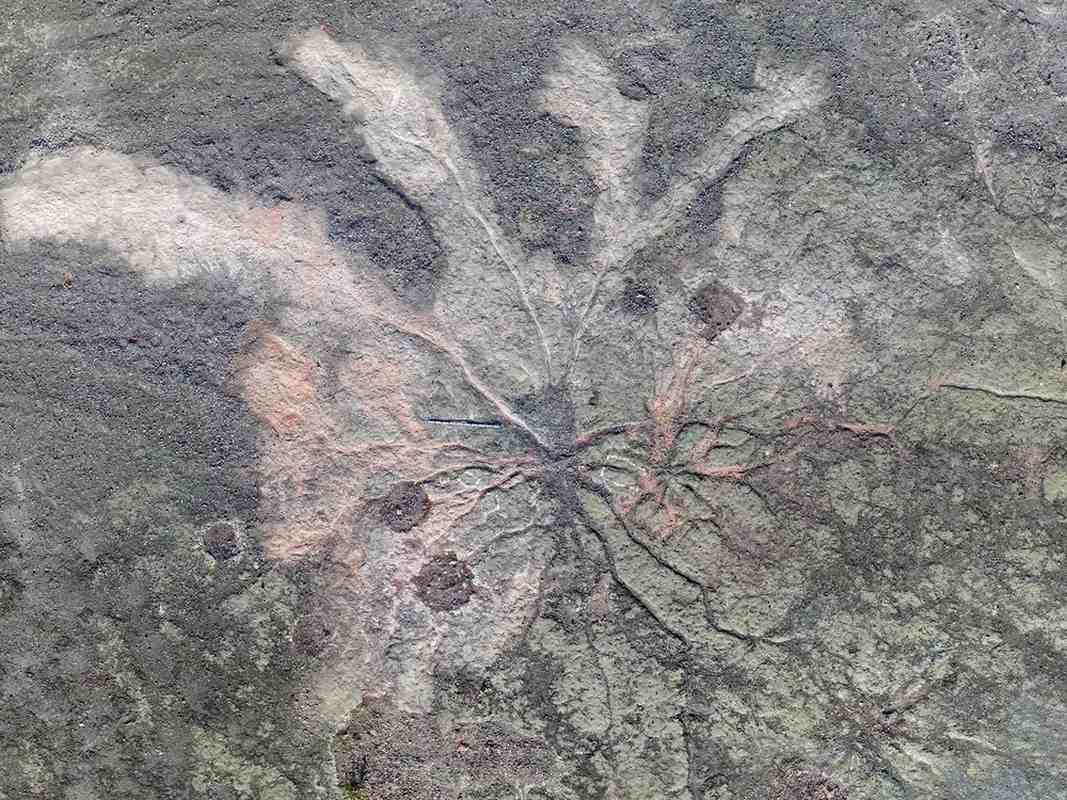
Researchers have declared an ancient forest in Upstate New York as the "world's oldest forest," dating back 387 million years. Located in Cairo, New York, the forest contains traces of roots belonging to the oldest trees in the world, predating the Gilboa fossil forest. The site provides valuable insights into the evolution of early trees, forest ecosystems, past climates, and possibly the earliest land animals. The discovery also sheds light on the role of ancient forests in facilitating the transition of fish into tetrapods and eventually dinosaurs. The area is currently closed to the public but may become an educational center in the future.

paleontology1 year ago

"Unearthed: Bizarre 350-Million-Year-Old Alien-Like Trees Puzzle Scientists"

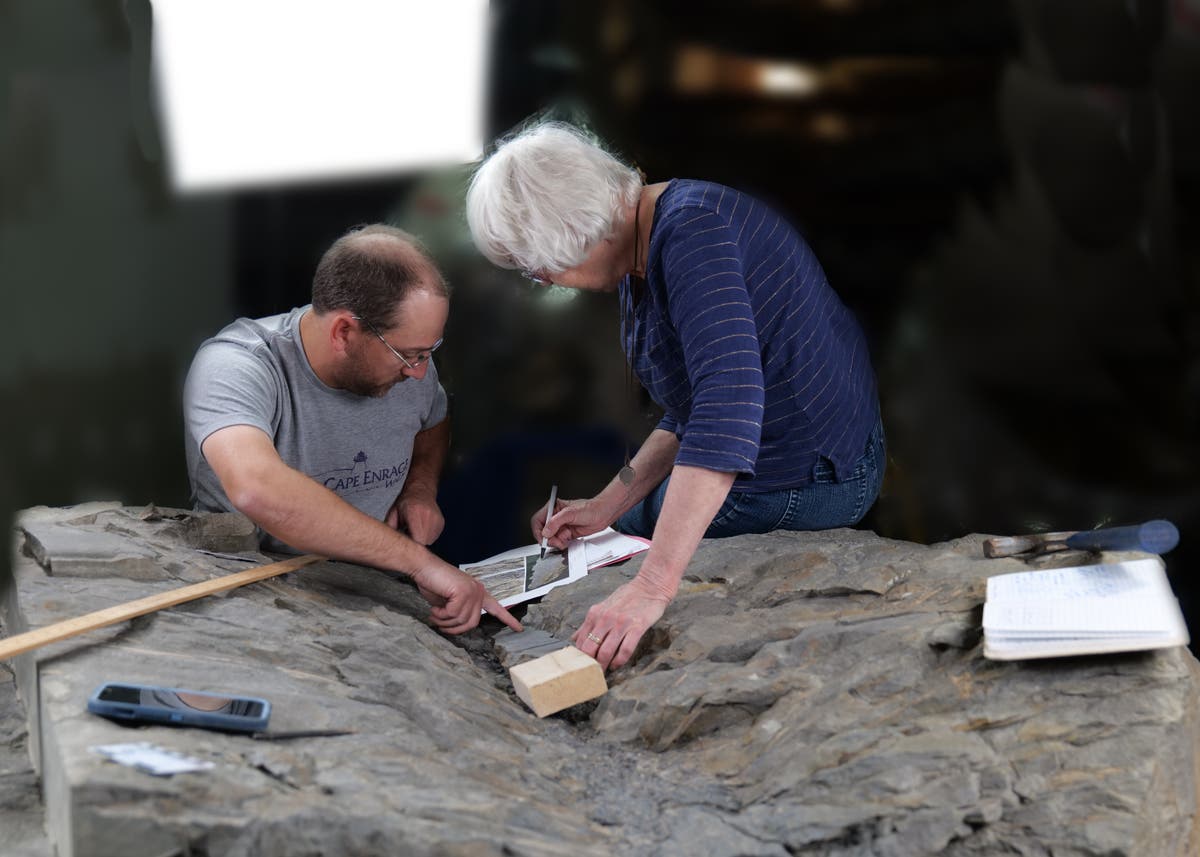
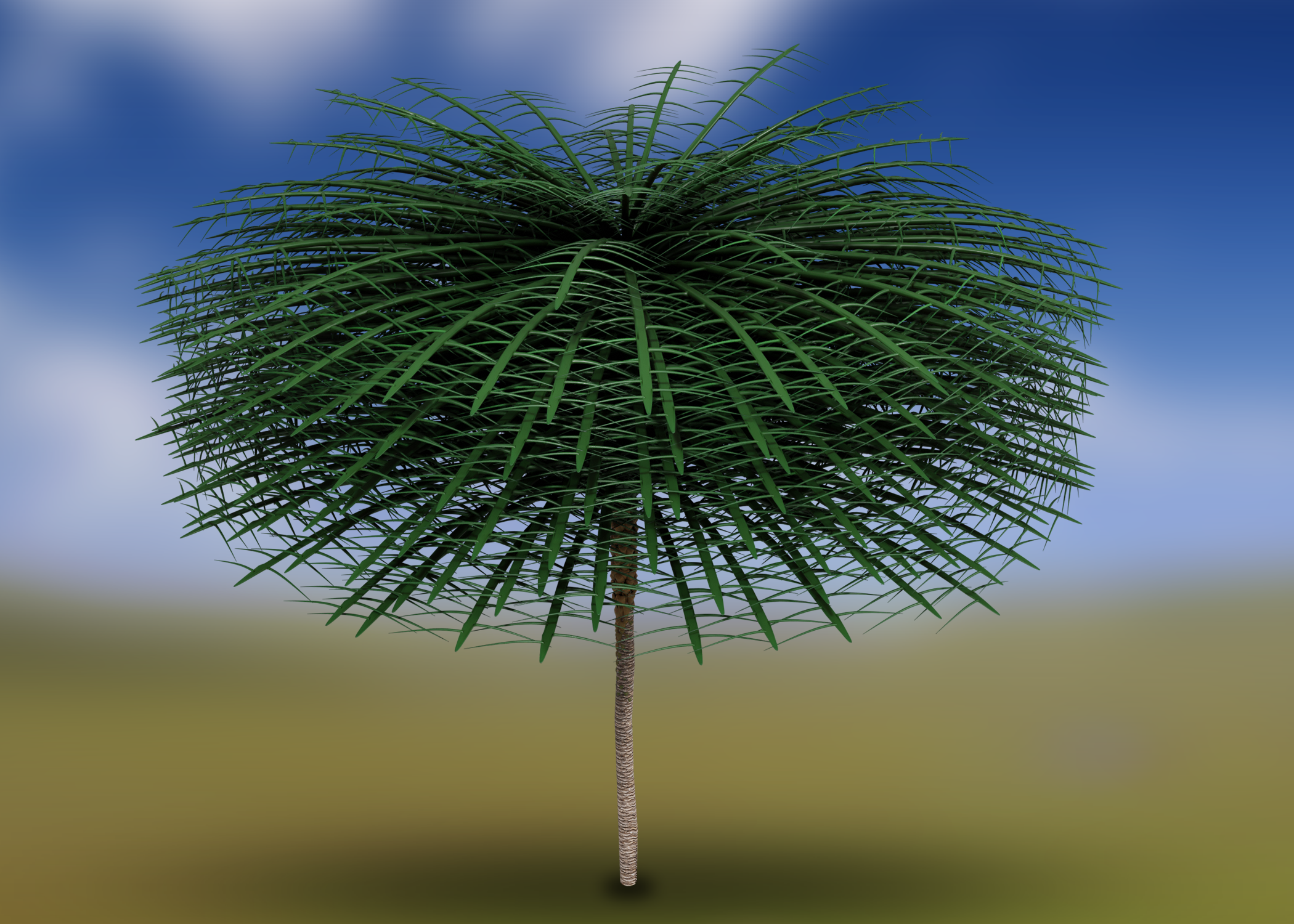
Scientists have discovered fossilized trees from 350 million years ago in New Brunswick, Canada, with a unique three-dimensional crown shape, resembling something from Dr. Seuss's imagination. These ancient trees, called Sanfordiacaulis, had long leaves around their spindly trunks, unlike any modern trees, and are a rare find in the fossil record. The discovery suggests that plant life in the Early Carboniferous period was more complex than previously thought, with trees experimenting with different forms and architectures to maximize light capture and reduce competition.

paleontology1 year ago

"Unearthed: Bizarre 350-Million-Year-Old Tree Baffles Scientists"

Rare fossils have unveiled a previously unknown and "absolutely unique" type of tree, Sanfordiacaulis densifolia, from 350 million years ago in New Brunswick, Canada. These prehistoric trees represent a new genus and species, with over 250 leaves crowded around a non-woody trunk, forming a canopy about 20 feet in diameter. The fossils were preserved due to seismic events that caused the trees to float into a lake before sinking to the bottom. This discovery sheds light on the forest structure and plant evolution during the Carboniferous period, providing insight into the early development of forests and its impact on the planet.

science2 years ago

Ancient Fossil Holdfasts Reveal Early Kelp Evolution

Fossilized holdfasts of kelp dating back 32 million years indicate the presence of ancient kelp forests off the Northwest Coast, challenging the belief that kelp evolved alongside modern marine organisms. These early kelp forests likely served as a food source for an extinct mammal called desmostylian. The fossils, discovered by an amateur collector, provide insight into the evolution of kelp ecosystems and suggest that the complexity of modern kelp forests developed over the past few million years. Further studies of these fossils aim to shed light on the evolution of the kelp ecosystem in the North Pacific and its relationship to changes in the ocean-climate system.

science-and-environment2 years ago

"Unveiling the Ancient Roots: Discovery of the World's Oldest Forest"

Scientists have discovered the world's oldest known forest in Cairo, upstate New York, dating back approximately 386 million years. The forest, which extends over 400 kilometers, was mapped by a team from Binghamton University, New York State Museum, and Cardiff University. It features early plant species such as cladoxylopsids and Achaeopteris trees, as well as an unidentified tree type, all of which reproduced via spores. This discovery provides significant insights into the early ecology of forests and their role in carbon dioxide absorption, marking a pivotal point in Earth's transition to a forested planet.

science-and-environment2 years ago

"Ancient 22-Million-Year-Old Forest Unearthed After Millennia"

Scientists at the Smithsonian Tropical Research Institute have uncovered fossilized remains of a 22-million-year-old mangrove forest on Barro Colorado Island in the Panama Canal. The forest, which was buried by a volcanic eruption, consisted of trees that could grow up to 130 feet tall, thriving in conditions with high atmospheric CO2 levels and brackish water. The discovery includes a new species named Sonneratioxylon barrocoloradoensis, with its closest living relatives found in Southeast Asia. The findings provide insights into the ancient ecosystems of Central America and will be published in the journal Palaeogeography, Palaeoclimatology, Palaeoecology.

paleontology2 years ago

Unveiling the Ancient Mystery: Fossil Revealed as Baby Turtle Disguised as a Plant

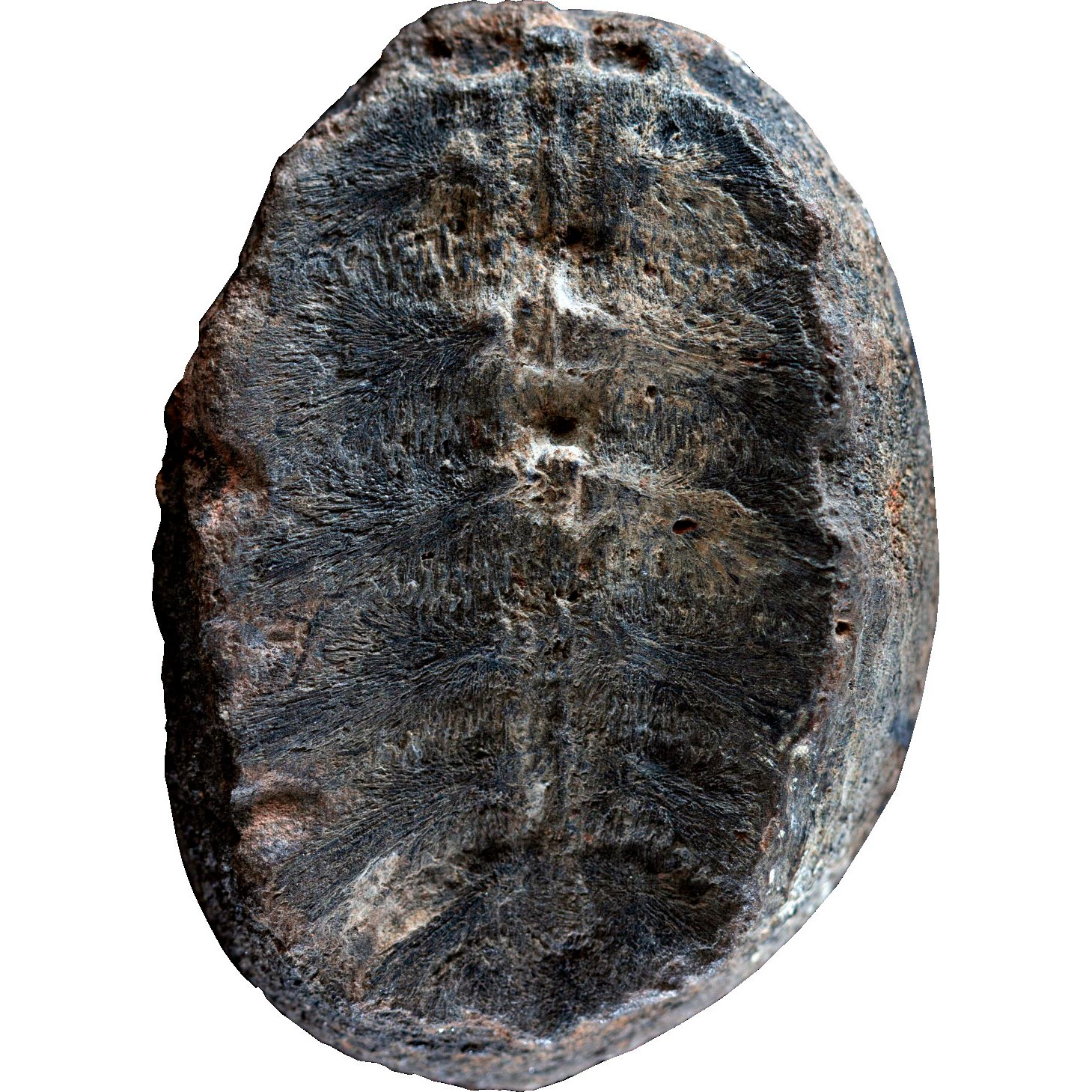
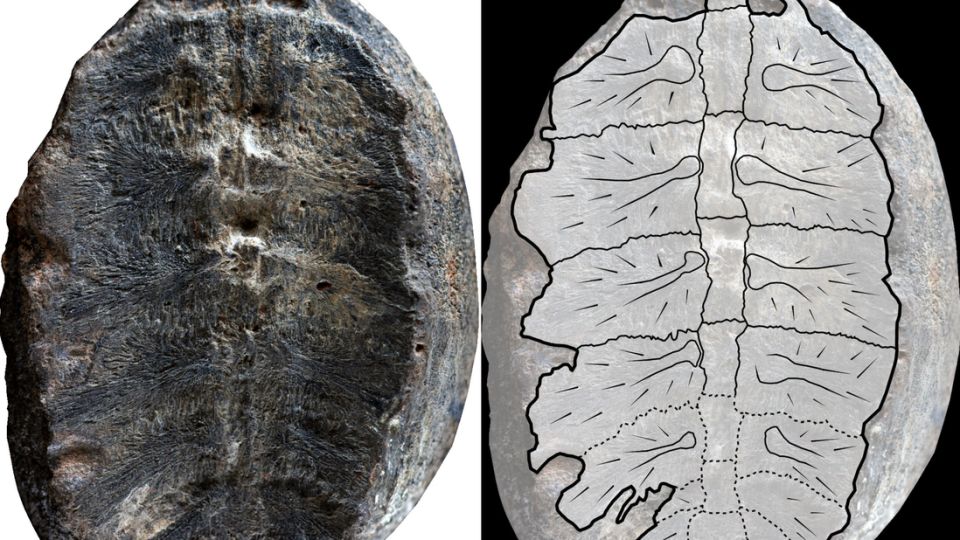
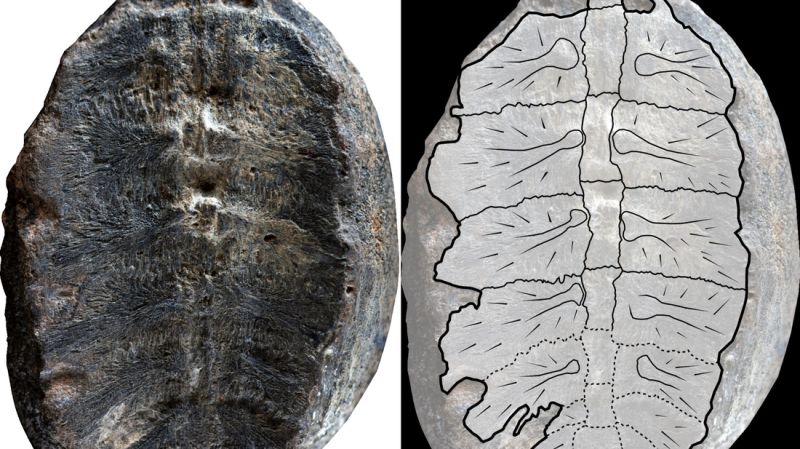
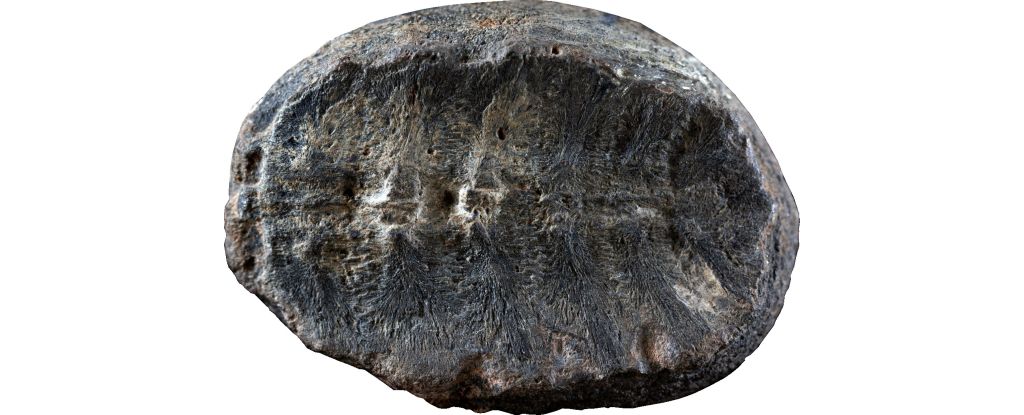
Fossils originally thought to be plant remains from the Early Cretaceous period in Colombia have been re-examined and identified as the fossilized remains of baby turtles. The fossils, nicknamed "Turtwig" after a Pokémon, were initially classified as a type of fossil plant by a Colombian priest in the 1950s. However, researchers noticed key features that didn't match plant characteristics and reached out to a paleontologist who confirmed that the fossils were actually the inside of a turtle's shell. The discovery of these rare fossilized baby turtles sheds light on the growth and development of ancient turtle species and highlights the need to re-evaluate historical collections in paleontology.

paleontology2 years ago

Ancient 'Plant' Fossils Unveiled as Rare Baby Turtles

Fossils previously thought to be ancient plant remains have been identified as the shells of baby turtles that lived during the time of dinosaurs. Scientists have named the turtle species "Turtwig," after a Pokémon character. The discovery, the first of its kind in northwestern South America, was made through a re-examination of fossils collected by a Colombian priest in the 1950s. The findings shed light on the need to re-study historical collections and expand knowledge about the past.

paleontology2 years ago

Ancient Plant Fossil Unveils Surprising Baby Turtle Discovery

Fossils previously thought to be ancient plant remains have been identified as the shells of baby turtles that lived during the time of dinosaurs. Scientists have named the turtle species "Turtwig," after a Pokémon character. The discovery, the first of its kind in northwestern South America, was made by researchers who re-examined fossils collected by a Colombian priest in the 1950s. The fossils were initially classified as a plant, but further analysis revealed them to be the carapaces of baby turtles. The findings shed light on the land plant evolution during the Early Cretaceous Period.

paleobotany2 years ago

Ancient Tree Roots Reveal Surprising Similarities to Human Stories

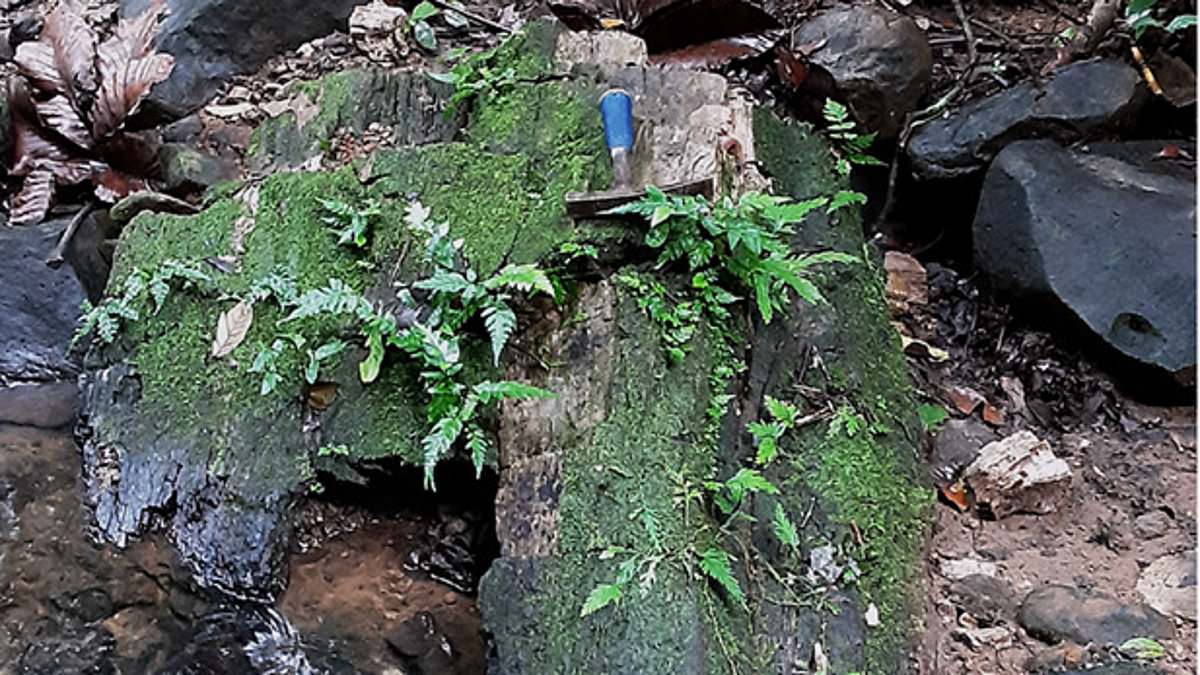
Fossilized tree roots from a 385 million-year-old forest in New York's Catskill mountain range provide insights into the origins and evolution of woody deciduous trees. Belonging to the genus Archaeopteris, these roots resemble modern-day forests and demonstrate that trees developed the strategy of roots early on and have maintained it until today. Unlike other plants at the time, Archaeopteris had sturdy and intricate root systems that allowed for efficient water and nutrient absorption. This ancient tree ancestor had a large trunk, broad leaves, and a serious metabolic engine. The discovery sheds light on the impact of trees on the Earth's environment and the reverse effect of deforestation.

paleontology2 years ago

Ancient Plant Fossil Unveiled as Rare Baby Turtle Fossil

Two fossils discovered in Colombia and previously classified as a plant named Sphenophyllum colombianum have been revealed to be impressions of the inside of baby turtle shells. The fossils, dating back to the early Cretaceous period, were misidentified due to their resemblance to leaf veins. The discovery provides insight into the life cycle of ancient turtles and highlights the importance of re-examining fossil collections.

science2 years ago

New Fossil Discovery in California Challenges Cycad Plant History

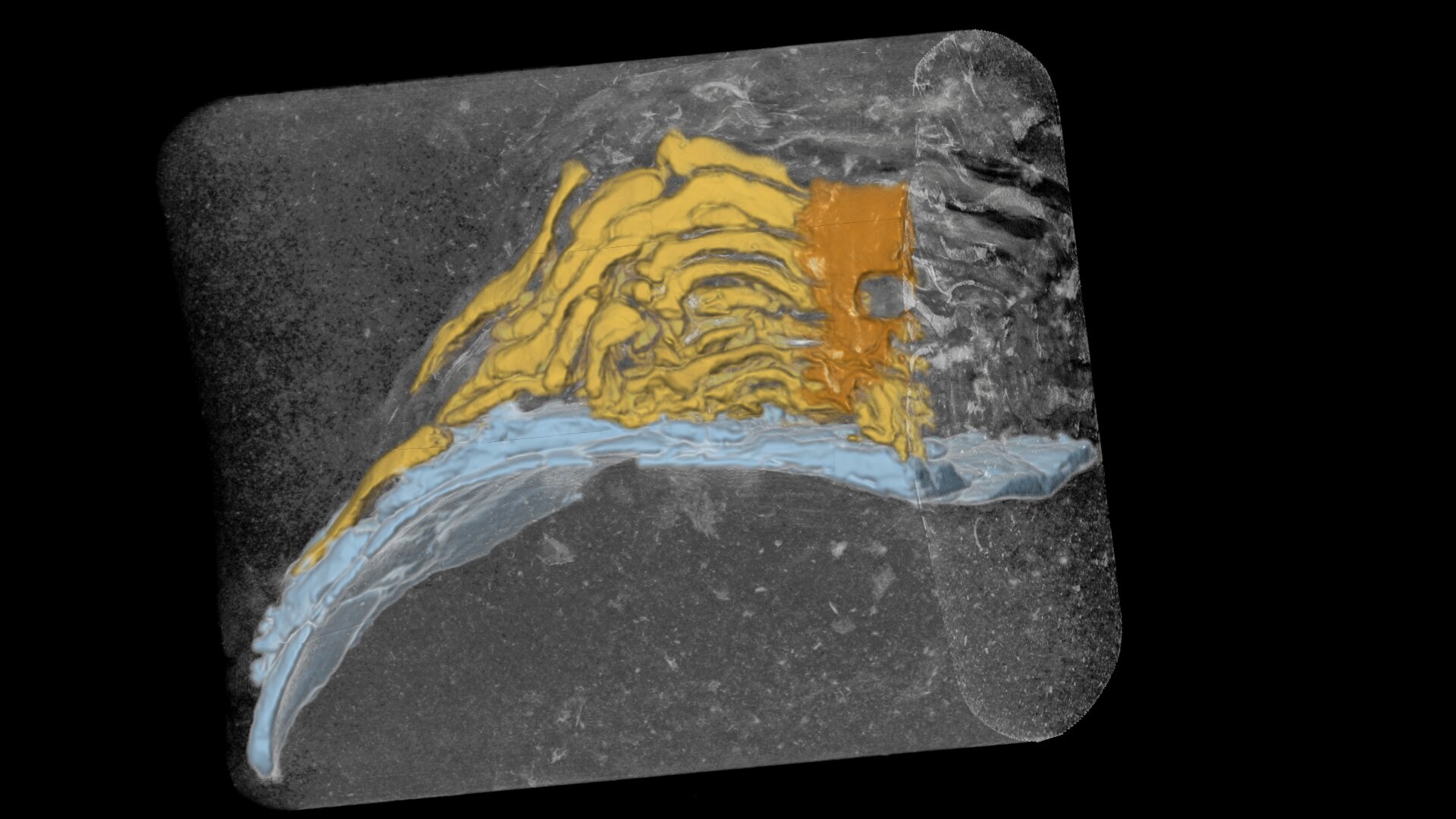
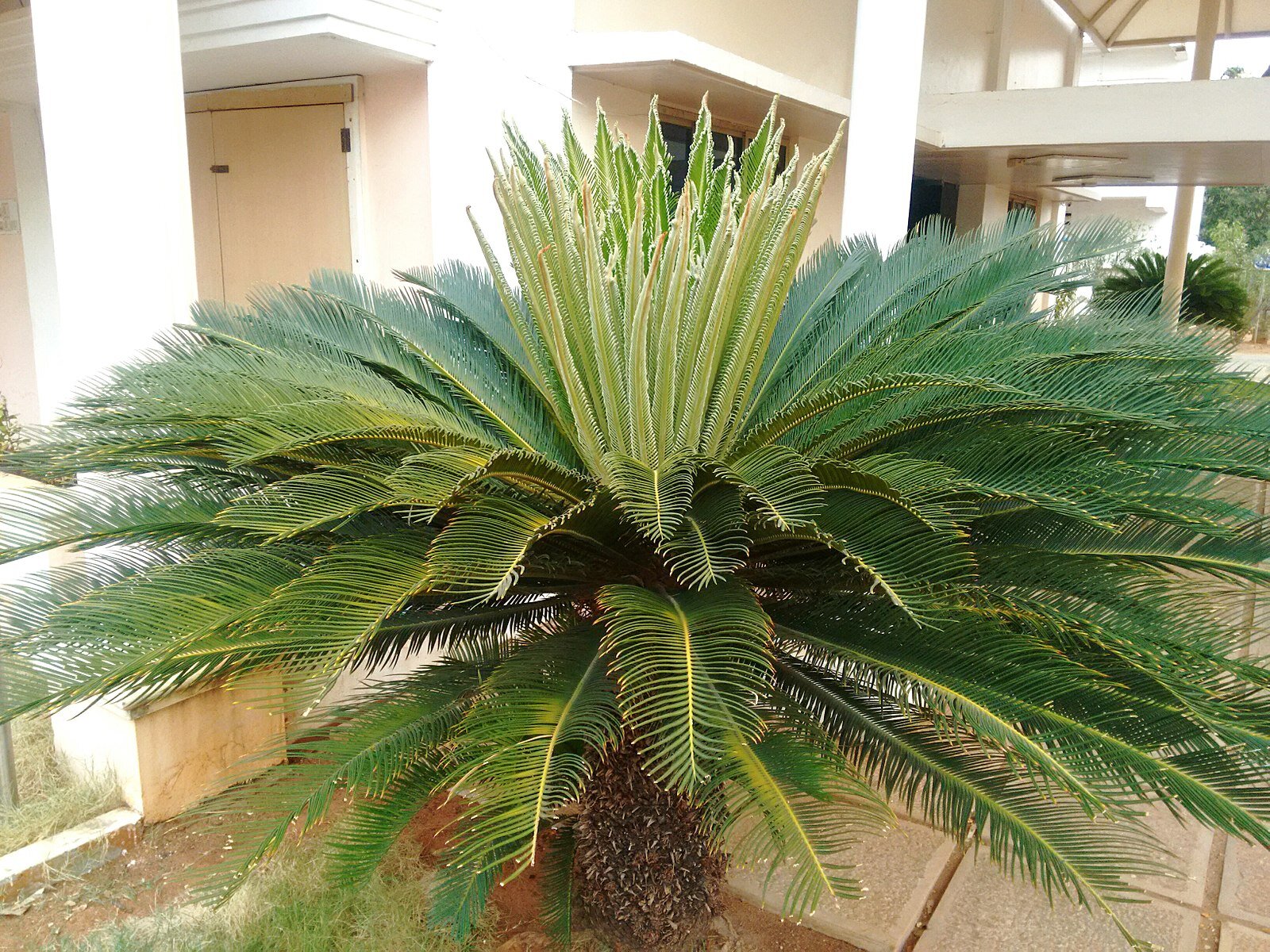
A well-preserved 80-million-year-old pollen cone discovered in California has challenged the idea that cycads, a group of gymnosperms, were "living fossils" that had evolved minimally since the time of the dinosaurs. The fossil, found in the Campanian Holz Shale formation, tells a more accurate cycad natural history, where the plants diversified during the Cretaceous. The discovery suggests cycads have a more dynamic evolutionary history than previously thought. The researchers used serial sectioning, scanning electron microscopy, and 3D reconstruction to study the specimen's cone's architecture, anatomical details, and vasculature organization.