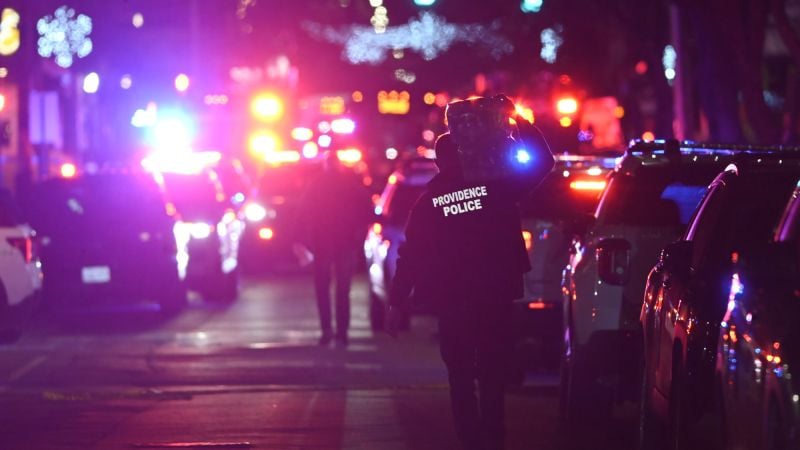
A man wrongly identified as a suspect in the Brown University shooting was detained and later released after evidence showed he was not involved, highlighting issues with premature public announcements and investigative procedures by the FBI and local authorities.
A UK newspaper falsely quoted a man claiming to be former NY mayor Bill de Blasio, who later denied the quotes and clarified he was a wine importer using ChatGPT to respond, highlighting the importance of verifying sources and the risks of AI in journalism.
A man named Bill DeBlasio, a Long Island wine importer, was mistakenly identified as a de Blasio impersonator by British journalists during a political article, but he clarified he is not the former mayor and was simply responding to an email in a humorous exchange.
A mistaken identity at the U.S. Open led to online harassment of a Polish businessman, Roman Szkaradek, who was confused with Piotr Szczerek, the CEO of a different company with a similar name, resulting in reputational damage and emotional distress for Szkaradek.
A Mexican immigrant, Ramon Morales-Reyes, who was falsely accused of threatening President Trump and detained by ICE, has been granted bond by a Chicago court, as authorities acknowledge he is not a danger to the community and the allegations against him were based on a criminal scheme by a fellow inmate. The case highlights issues of misidentification and the complexities of immigration enforcement.
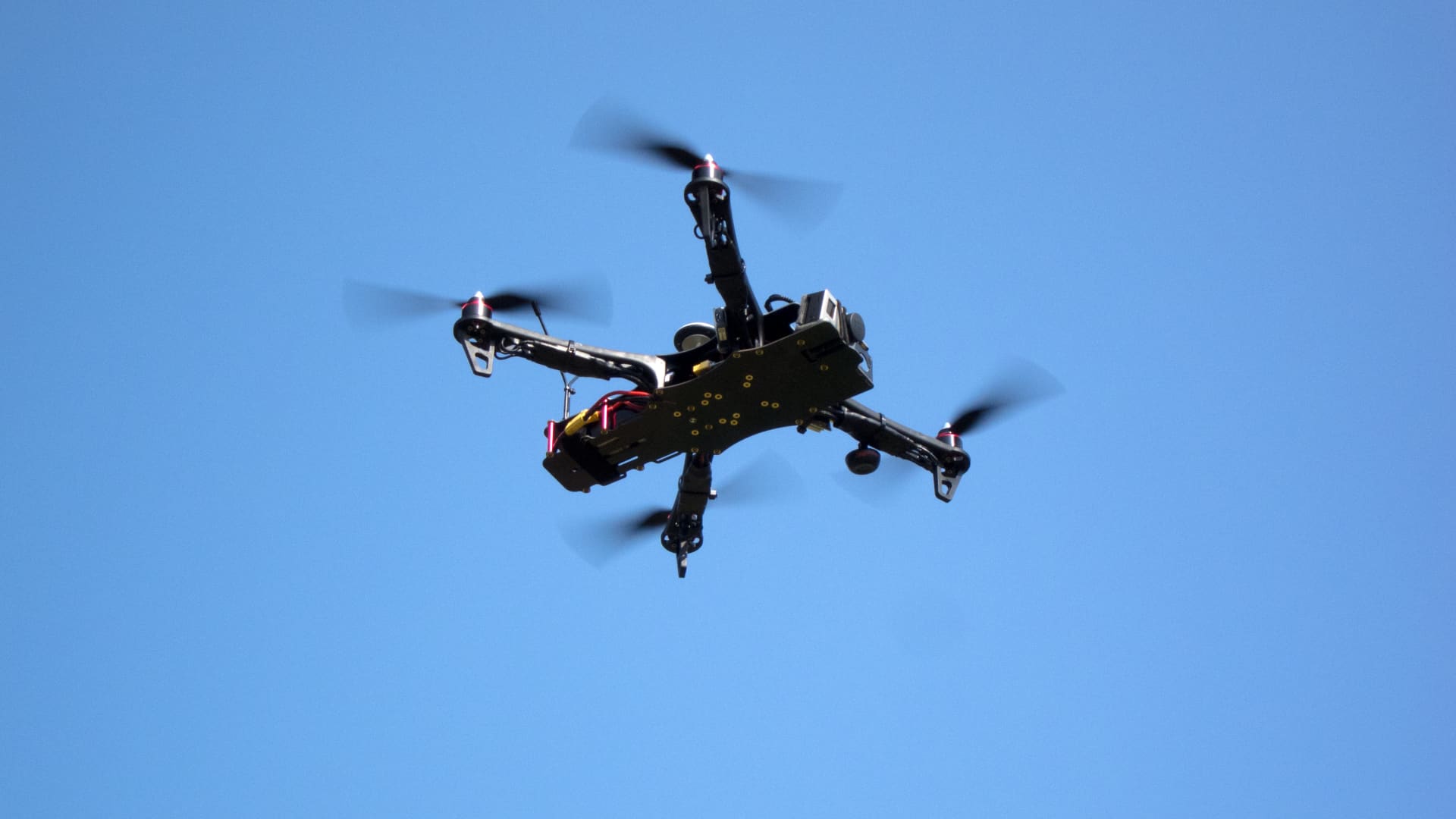
The FBI and Department of Homeland Security have found that many reported drone sightings in New Jersey are actually manned aircraft misidentified as drones. Investigations have revealed no evidence of illegal activity, national security threats, or foreign involvement related to these sightings. The reports, which have been under investigation since mid-November, include sightings near President-elect Donald Trump's golf course and a military research facility.
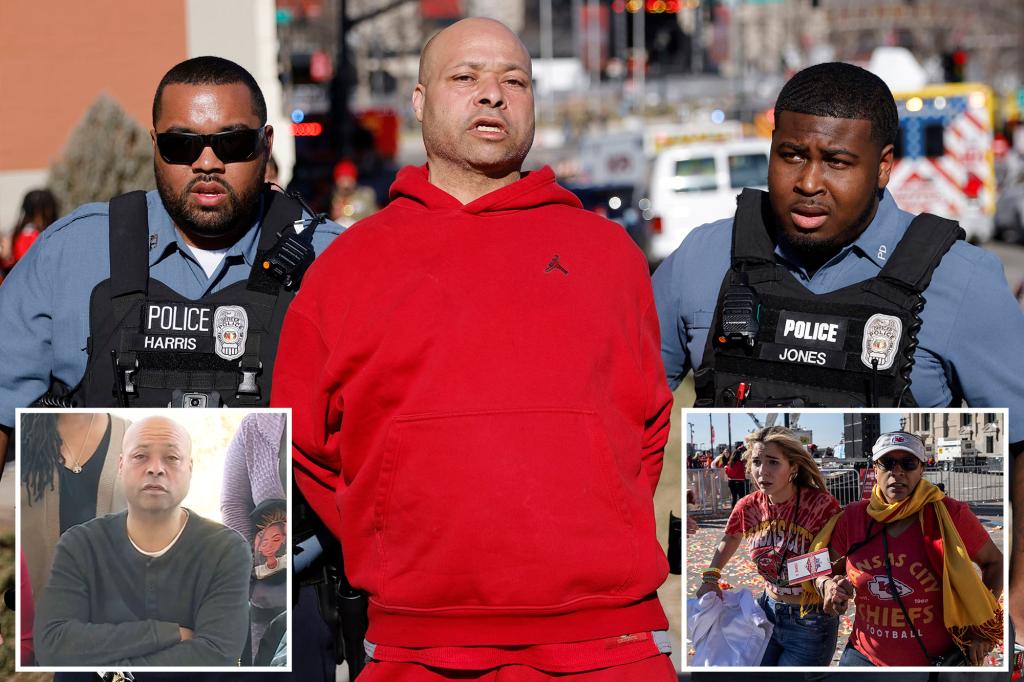
A Kansas man is suing US congressman Tim Burchett for falsely identifying him as a shooter at the Kansas City Chiefs’ celebration parade. Denton Loudermill Jr, who was wrongly labeled as an "illegal alien" and "shooter" in social media posts, experienced death threats and emotional distress as a result. Loudermill, who was not involved in the shooting and was in the country legally, is seeking $75,000 in damages. Burchett's office declined to comment on the pending litigation.
Denton Loudermill, a Kansas City Chiefs fan, was wrongly identified as a gunman in the deadly shooting at the team's Super Bowl victory parade. He was detained for being intoxicated and not moving away from the crime scene but was released without being arrested or cited. His lawyer emphasized that he had nothing to do with the shooting and has received death threats due to misinformation. Two minors have been charged in connection with the shooting, which left one person dead and 22 others injured.
Target will no longer sell a civil rights activity kit that misidentified prominent Black leaders after a high school U.S. history teacher's viral TikTok video. The kit by Bendon Publishing mixed up the names of Carter G. Woodson, W.E.B. Du Bois, and Booker T. Washington. The misidentification comes amid a culture war over discussing race and racism. The kit included magnets of notable civil rights leaders and was available ahead of Black History Month. The misidentification prompted outrage online, leading to Target pulling the product from its shelves.
Target has removed a Black History Month product, the 'Civil Rights Magnetic Learning Activity', from its shelves after it incorrectly identified W.E.B. Du Bois, Booker T. Washington, and Carter G. Woodson. The errors were brought to light by a U.S. history teacher on TikTok, prompting Target to take action and ensure the publisher is aware of the mistakes.
Rite Aid has been banned from using facial recognition technology for five years after its surveillance system incorrectly identified potential shoplifters, particularly targeting Black, Latino, Asian, and female shoppers. The settlement with the Federal Trade Commission addresses allegations that Rite Aid did not do enough to prevent harm to its customers and implement proper procedures. The technology led to thousands of incorrect matches, including an incident where employees stopped and searched an 11-year-old girl. Rite Aid used the technology in hundreds of stores without informing customers. Critics argue that facial recognition technology leads to a higher rate of misidentification for people of color. Rite Aid disagrees with the allegations but is glad to have reached an agreement to resolve the issue.
Rite Aid has settled with the Federal Trade Commission (FTC) over allegations that its facial recognition systems misidentified individuals, particularly women and people of Black, Latino, or Asian descent, as potential shoplifters without their consent. The settlement prohibits Rite Aid from using facial recognition technology in its stores for five years. The FTC complaint stated that Rite Aid used the technology in hundreds of stores, leading to increased surveillance, bans on purchases, and public accusations of criminal behavior. The company created a database of "persons of interest" with low-quality images captured through CCTV cameras, facial recognition cameras, or employee mobile phones. Rite Aid disagreed with the allegations but reached an agreement to resolve the issue. Studies have shown that facial recognition systems often misidentify Black and brown people, leading to false arrests.
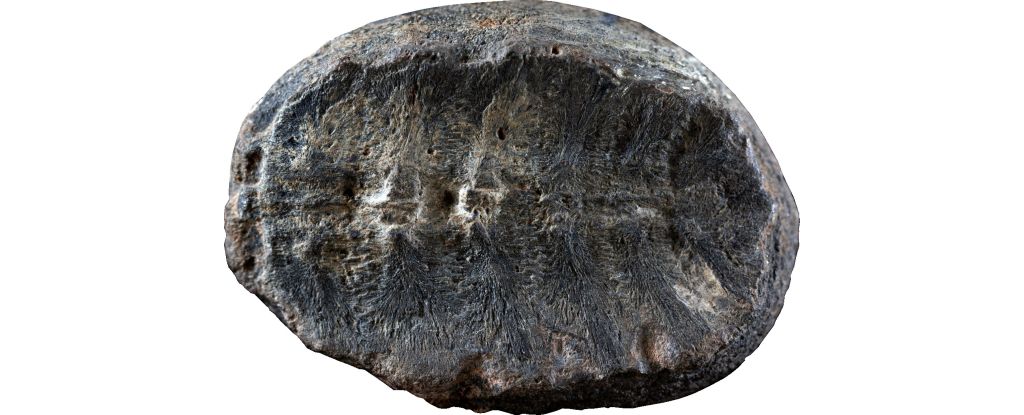
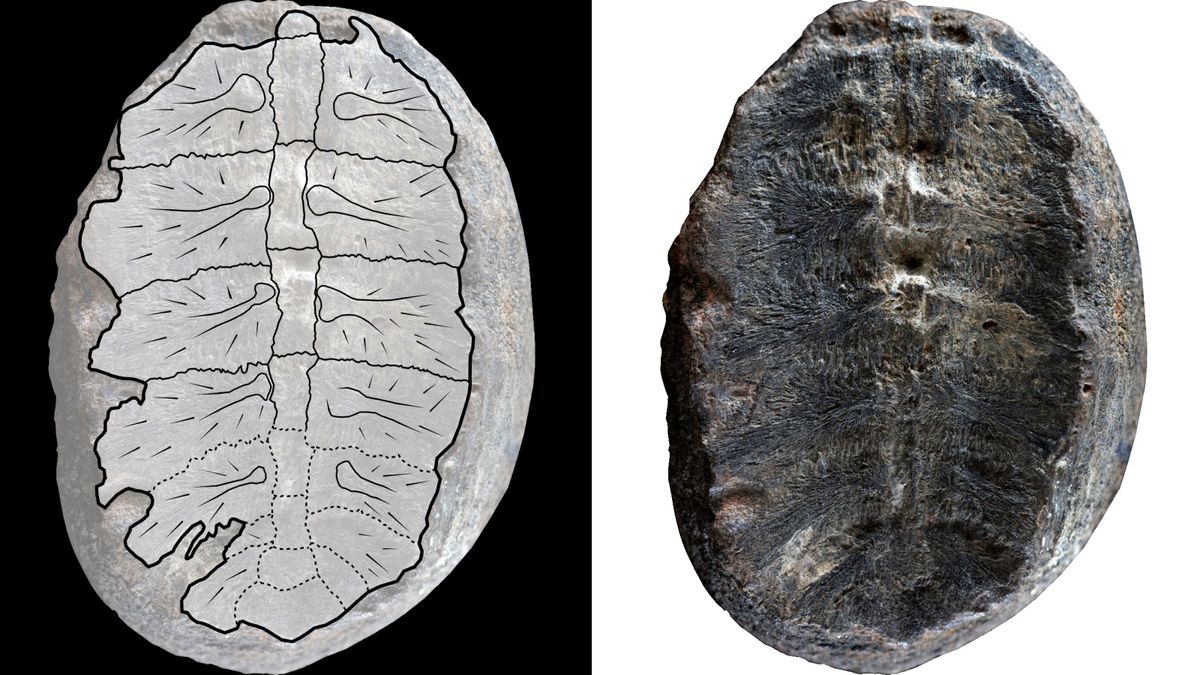
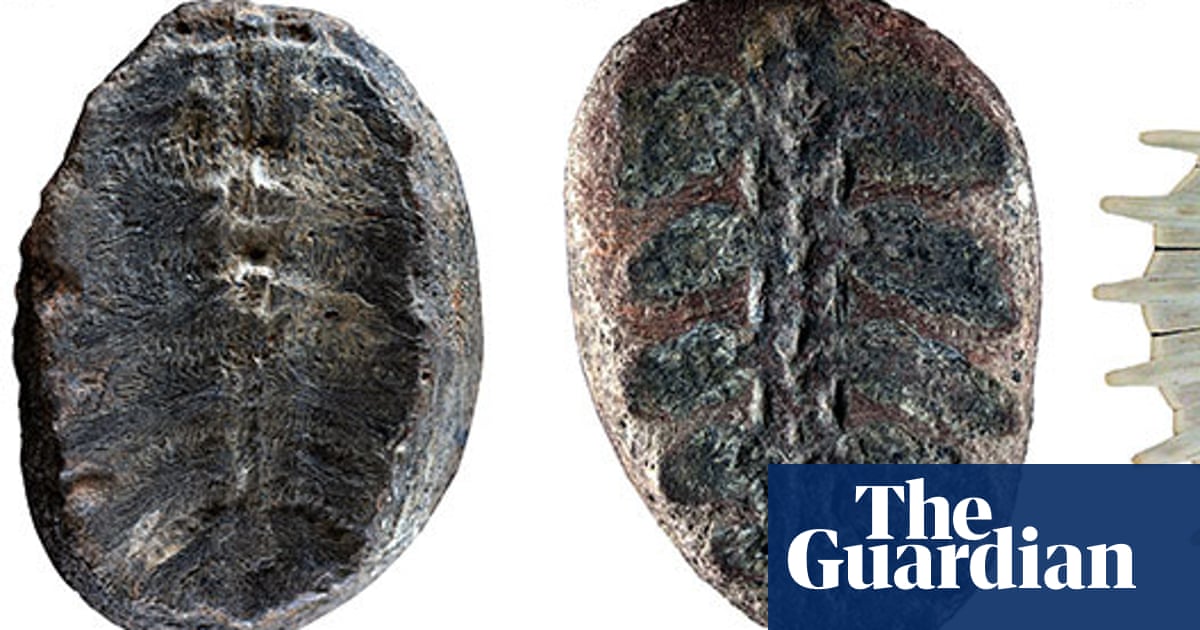
Two fossils discovered in Colombia and previously classified as a plant named Sphenophyllum colombianum have been revealed to be impressions of the inside of baby turtle shells. The fossils, dating back to the early Cretaceous period, were misidentified due to their resemblance to leaf veins. The discovery provides insight into the life cycle of ancient turtles and highlights the importance of re-examining fossil collections.
Two plant fossils collected in Colombia over 50 years ago have been identified as rare hatchling turtles from the Cretaceous period. The fossils, originally thought to be extinct plants, were actually tiny turtle shells measuring 2-2.4 inches long. They are the first hatchling marine turtles on record from that period in northern South America. The discovery highlights the need to re-examine historical collections and reveals the potential for misidentification in paleontology.
Two small fossils initially thought to be prehistoric plants have been re-identified as the remains of baby marine turtles. The oval fossils, found in Colombia and dating back 132-113 million years, were originally believed to be a species of sphenophyllum, but further examination revealed bone growth patterns and evidence of turtle shells. The researchers suggest the turtles were less than a year old and possibly belonged to the species Desmatochelys padillai. The misidentification highlights the importance of careful analysis in paleontology.