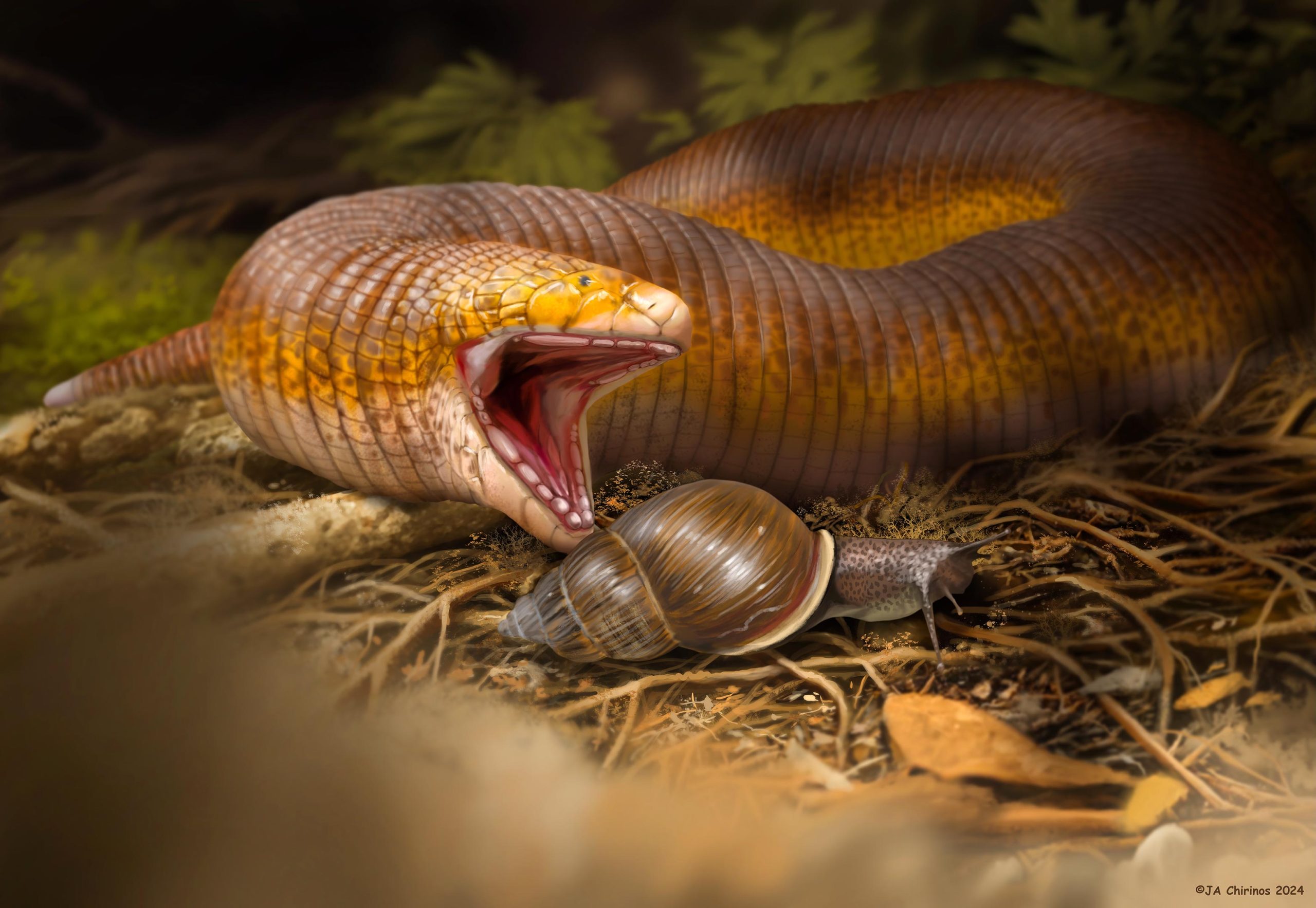
Researchers have discovered the largest known worm lizard species, Terastiodontosaurus marcelosanchezi, in Tunisia. This 50-million-year-old species, with a skull over five centimeters long, likely fed on snails using its powerful jaws and specialized tooth enamel. Unlike modern worm lizards that live underground, this ancient species may have also lived on the surface due to its size. The discovery highlights the evolutionary consistency of snail-eating habits in worm lizards over millions of years.
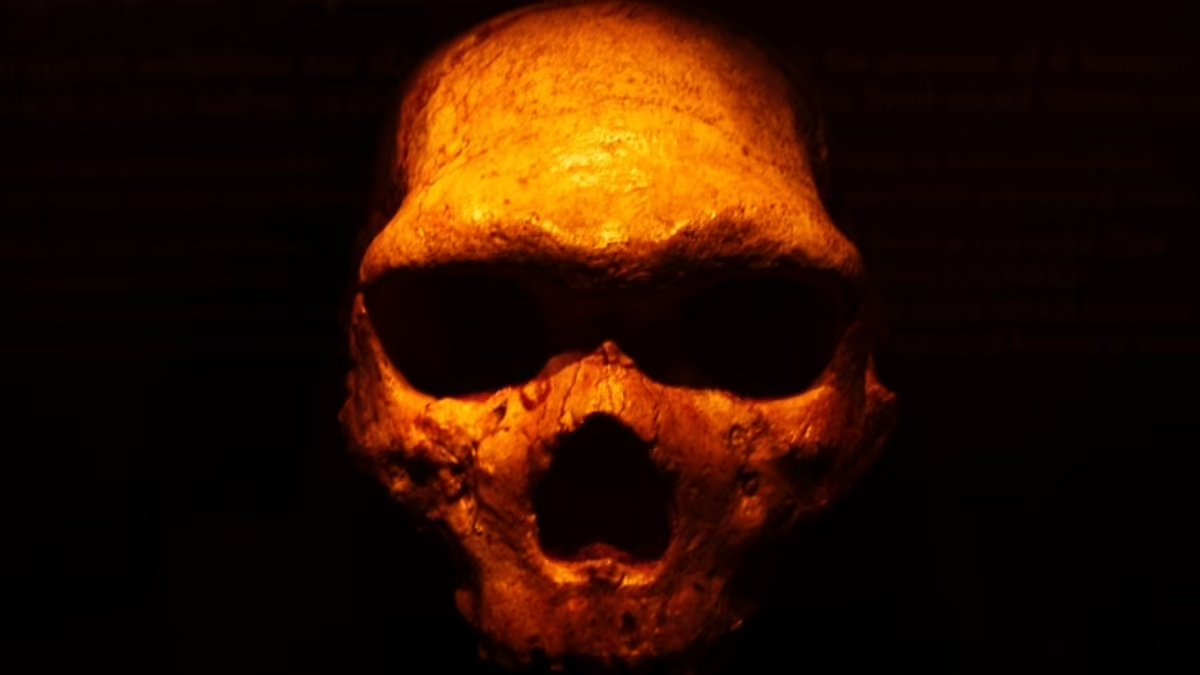
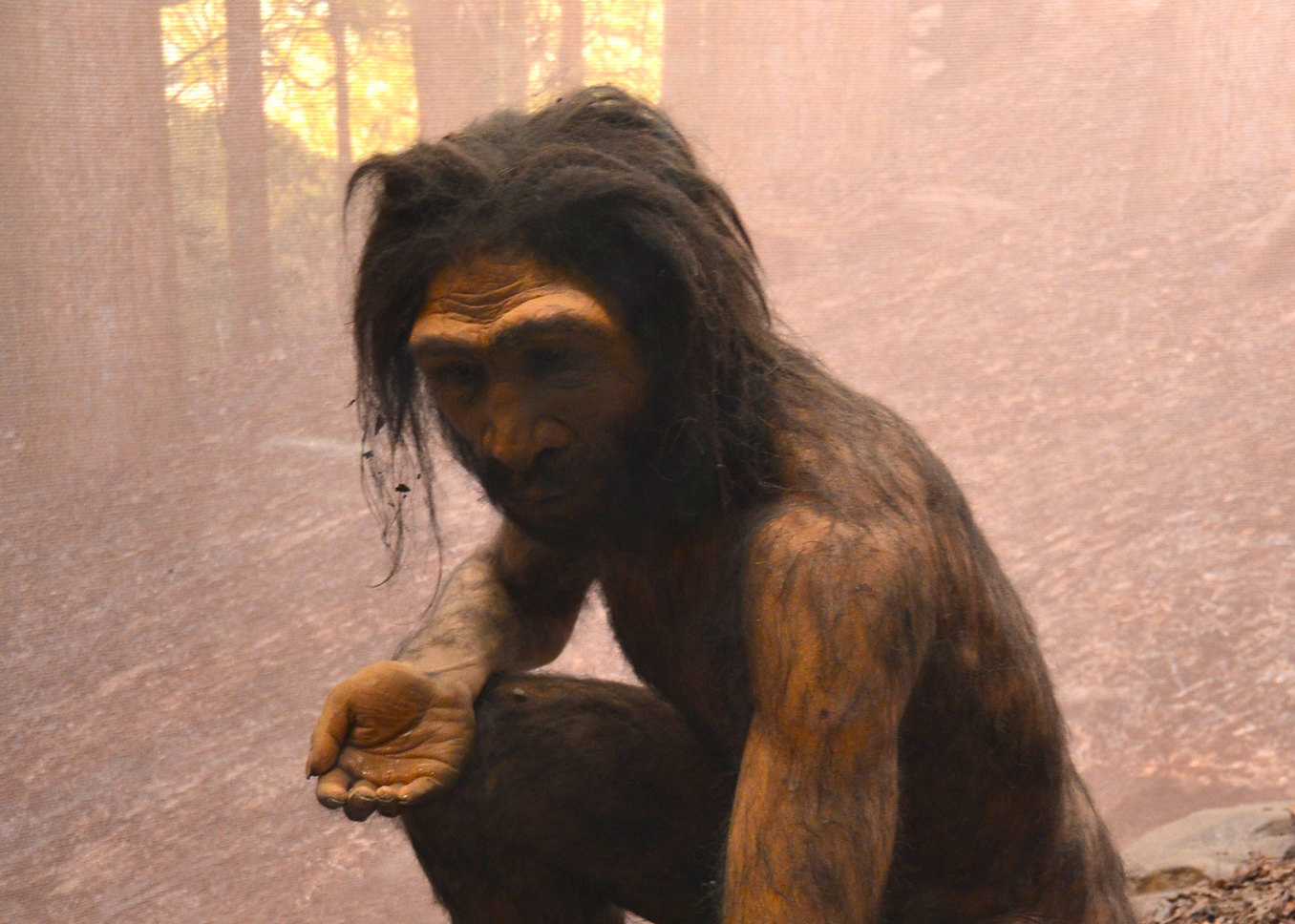
Scientists have identified a potential new species of ancient human, Homo julurensis, characterized by an abnormally large skull, which lived in China between 300,000 and 50,000 years ago. This species, dubbed the 'big head people,' may have had a larger brain than any known hominin, including modern humans. Researchers argue that these fossils, previously grouped with other hominins like Denisovans, display unique features warranting classification as a separate species. The discovery challenges the simplicity of the human evolutionary tree in Asia, suggesting more complex interbreeding and shared ancestry among ancient hominins.
Researchers have discovered a new human species, Homo juluensis, in China, dating back 200,000 years. Found at the Xujiayao site, the species is characterized by large skulls and teeth, distinguishing them from Neanderthals and modern humans. Evidence suggests they were skilled hunters, adapting to harsh climates. The study, published in Nature, indicates Homo juluensis may have interbred with other hominins, including Denisovans, and highlights the complexity of human evolution in eastern Asia.
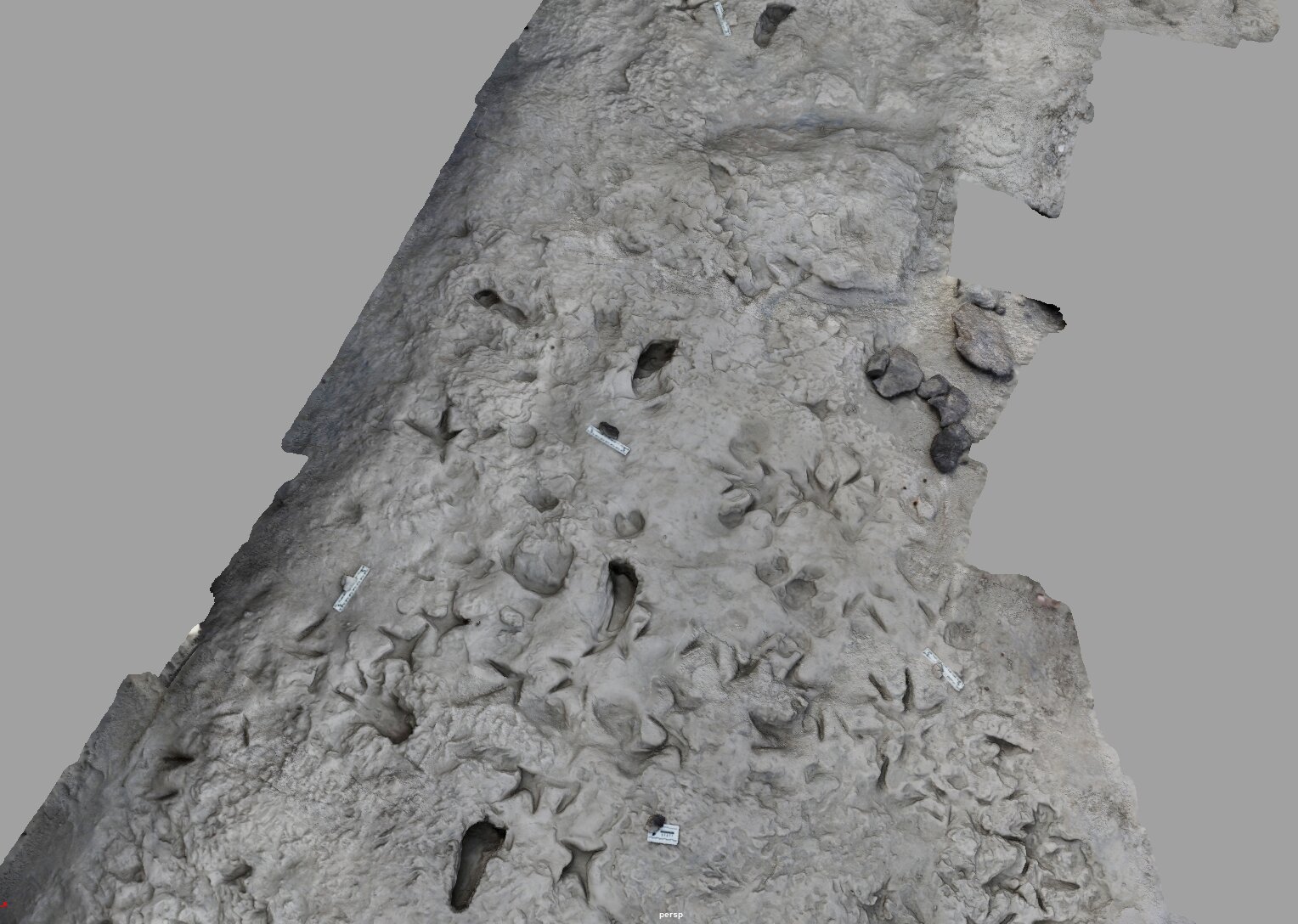
Scientists have discovered 1.5-million-year-old fossil footprints of two different hominin species, Homo erectus and Paranthropus boisei, at the same site near Lake Turkana in Kenya. This finding provides the first evidence of these species coexisting in the same habitat, offering new insights into human evolution and the interactions between different hominin species. The footprints, analyzed using 3D imaging, reveal distinct anatomical and locomotion patterns, enhancing our understanding of ancient human behaviors and environments.
Scientists have discovered a remarkably well-preserved fossil of the Baladi Warru, an ancient sawfly species thought to be extinct for 16 million years, at McGraths Flat in Australia. This find provides insights into Miocene-era ecosystems, revealing interactions with flowering plants like Quintinia. The Baladi Warru's role as both a pollinator and plant consumer offers clues about ancient biodiversity and adaptation, potentially informing current ecological studies amid climate change.
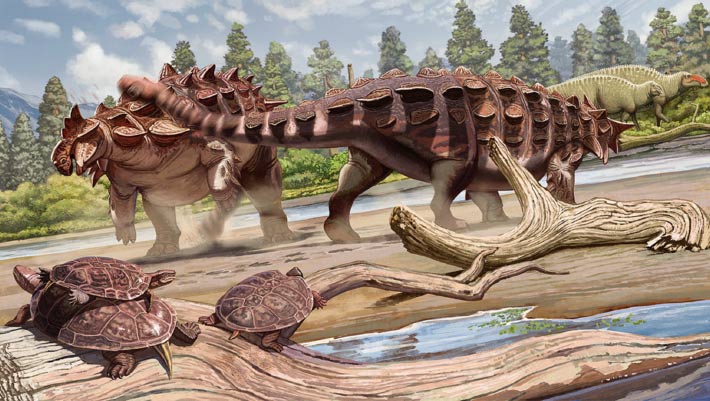
Paleontologists have identified a new species of ankylosaurid dinosaur, named Huaxiazhoulong shouwen, from a partial skeleton found in southern China. This discovery, dating back to the Late Cretaceous epoch, adds to the diversity of ankylosaurid dinosaurs in East Asia and provides insights into their evolution. The findings were published in the journal Historical Biology.
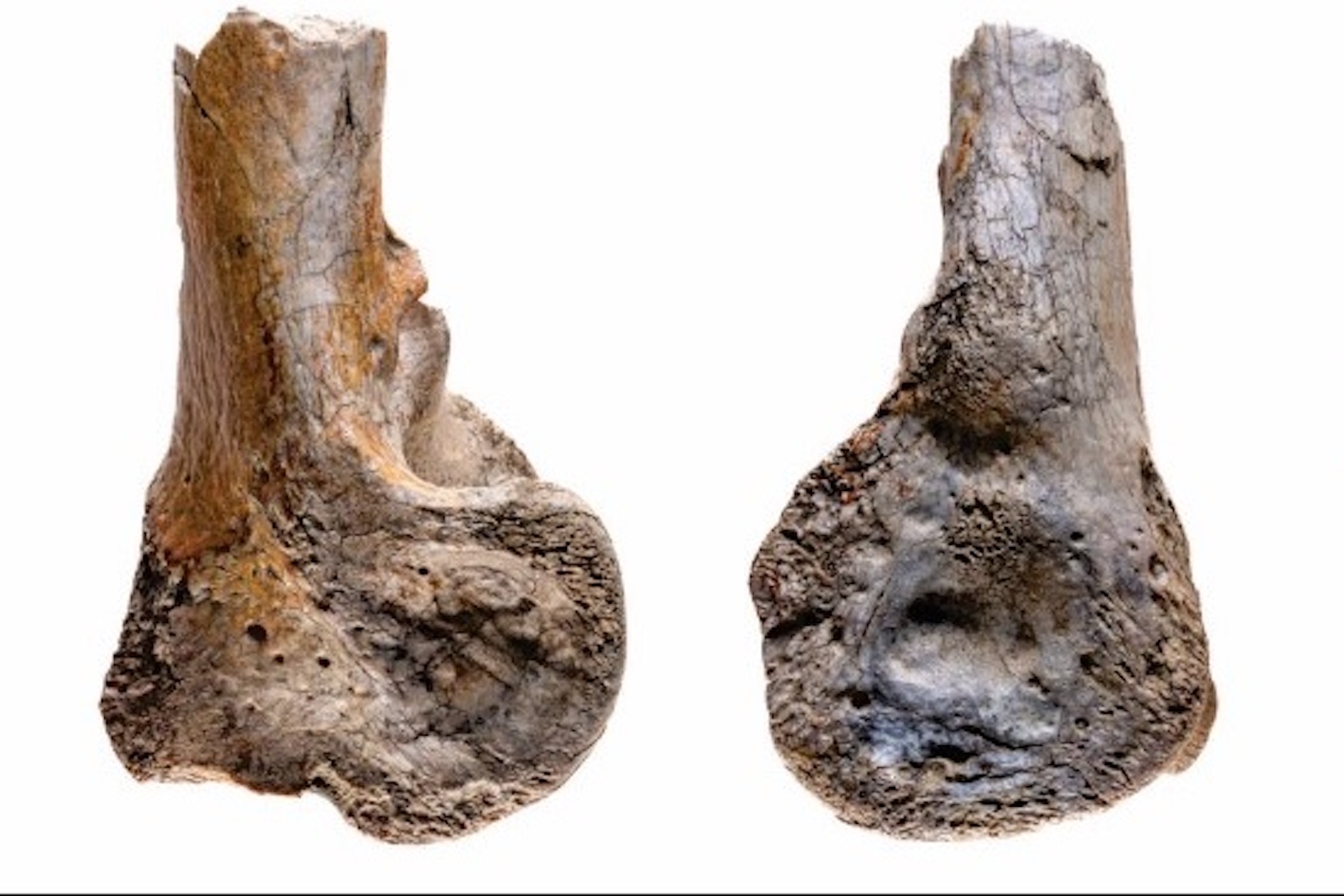
A newly identified fossil of a 'terror bird' from the Middle Miocene era, discovered in Colombia, may represent the largest known member of its kind. The fossil, a fragment of a lower leg bone, suggests the bird was over 2.5 meters tall and weighed more than 150 kilograms. This discovery, detailed in a study published in Papers in Palaeontology, marks the northernmost evidence of such birds in South America and hints at a possible new species within the phorusrhacid group, although the limited material prevents definitive classification.
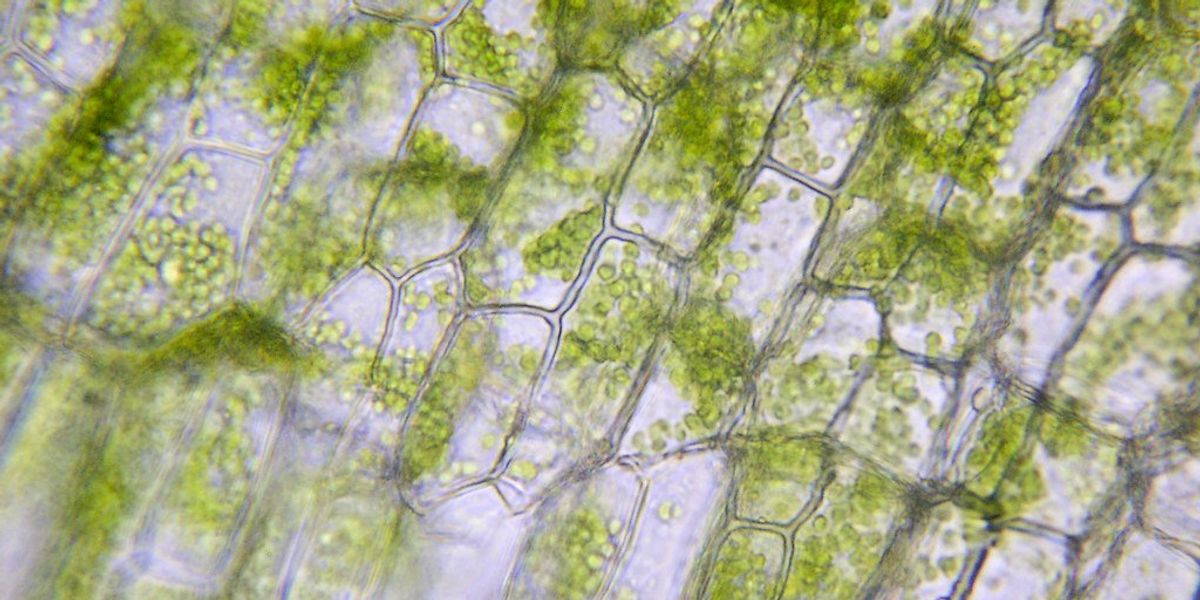
Scientists have discovered fossils dating back 1.75 billion years, providing evidence of ancient oxygenic photosynthetic structures that predate previous findings by over a billion years. This discovery, detailed in a study published in Nature, could shed light on the origins of life on Earth and the Great Oxygenation Event, which filled the atmosphere with oxygen and allowed diverse life forms to emerge. The fossils were found in the McDermott Formation in Australia, and the research highlights the significant impact these early photosynthetic organisms had on the planet's atmosphere and biosphere.
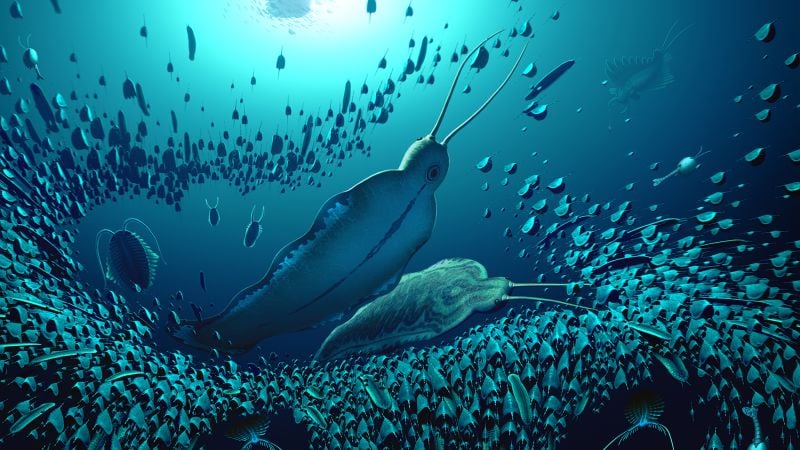
Scientists have discovered fossils of large predatory worms, named Timorebestia, in North Greenland, which thrived over 500 million years ago during the early Cambrian Period, predating the first sharks. These worms, reaching nearly a foot in length, challenge previous beliefs that primitive arthropods were the apex marine predators of that time. The study, published in Science Advances, reveals that these worms were a significant part of a complex and tiered marine ecosystem, providing new insights into the evolution of early carnivorous animals and their impact on the environment.
Scientists have discovered fossilized bacteria in Australia and Canada that suggest photosynthesis may have started 1.2 billion years earlier than previously thought, potentially dating back to 1.7 billion years ago. This finding could significantly alter our understanding of the timeline for the development of complex life on Earth, which is closely tied to the history of photosynthesis and the Great Oxygenation Event that filled Earth's atmosphere with oxygen.
A team of scientists has discovered fossils of a half-billion-year-old predatory worm, Timorebestia, in the high-Arctic zone of North Greenland. These ancient creatures, which were among the largest predators of the Early Cambrian period, are related to modern arrow worms but were significantly larger, reaching up to 30 centimeters in length. The discovery provides new insights into the evolution of early marine ecosystems and the predatory dominance of these ancient worms before the rise of arthropods. The findings, including the preservation of unique nerve structures, support the hypothesis that Timorebestia and similar fossils are closely related to arrow worms, contributing to our understanding of early animal evolution. The research was published in the journal Science Advances.
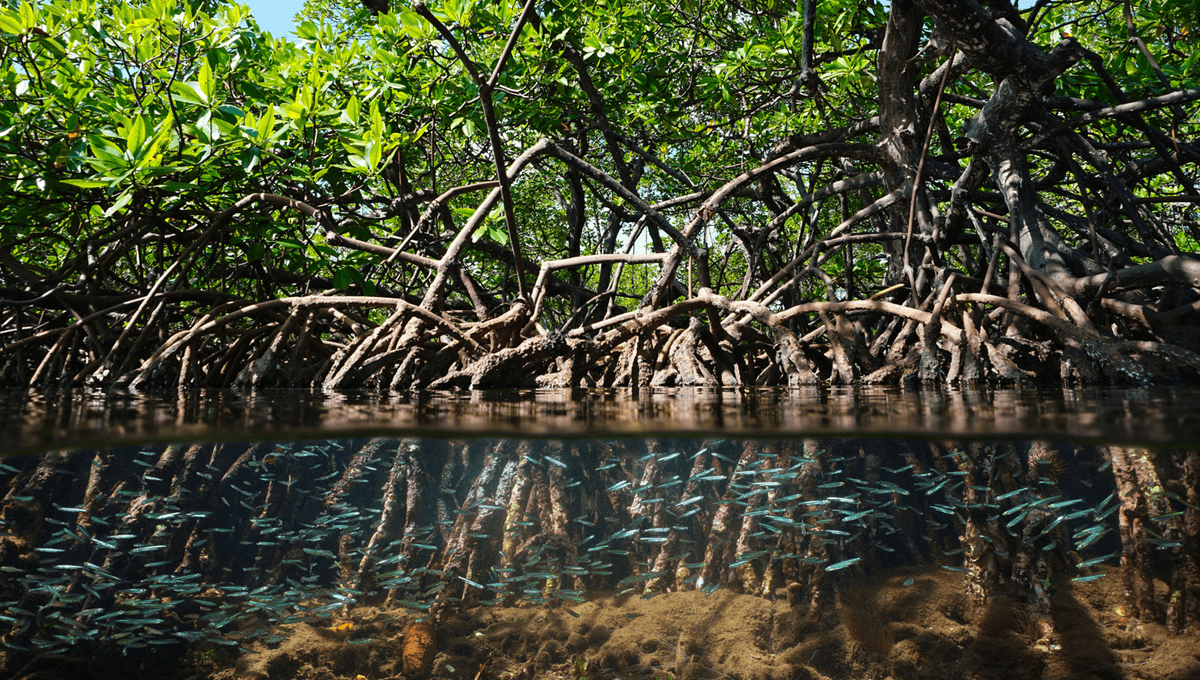
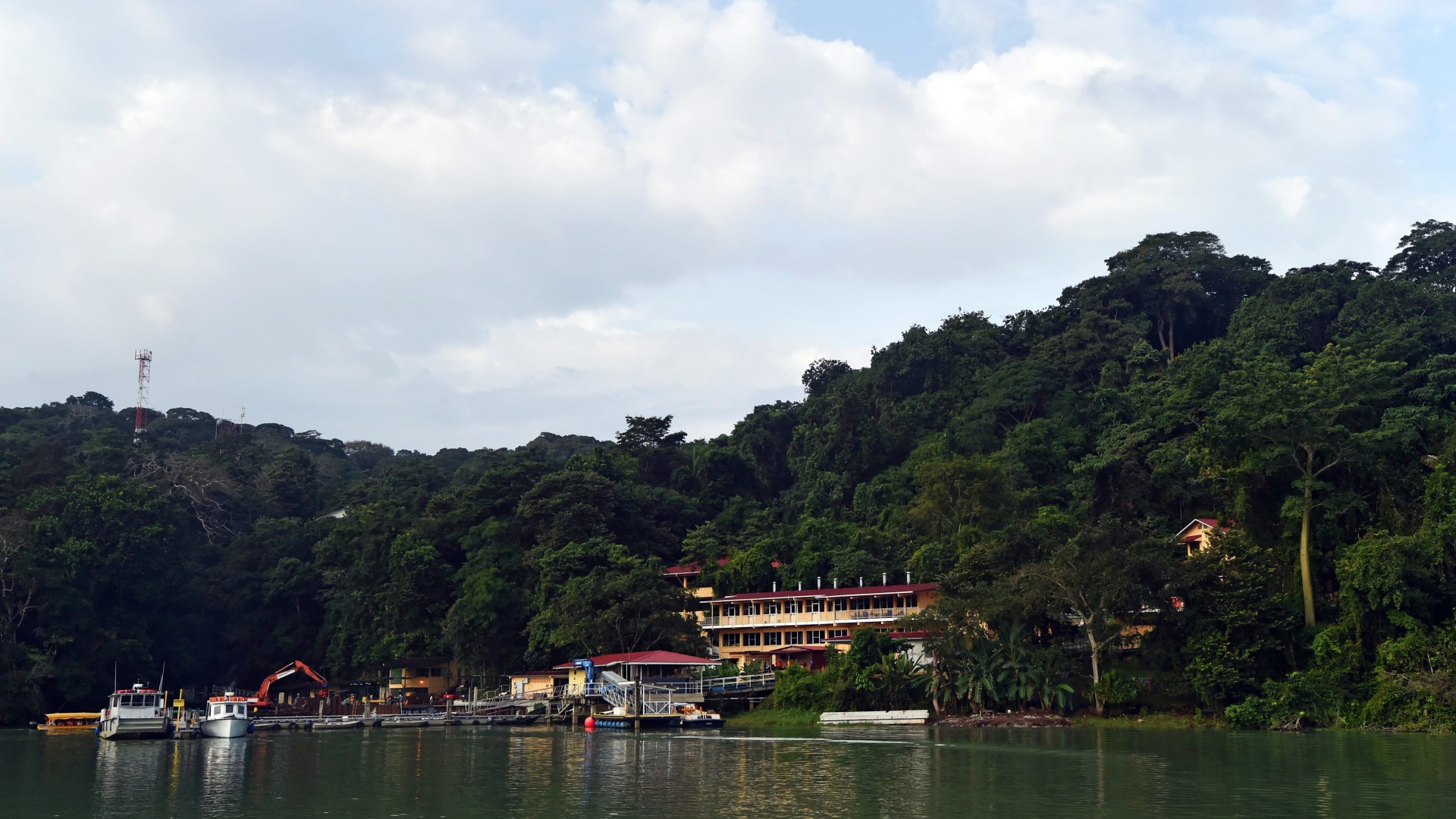
Scientists from the Smithsonian Tropical Research Institute have discovered the fossilized remains of a 22-million-year-old megaflora forest in the Panama Canal. The newly identified extinct mangrove species, Sonneratioxylon barrocoloradoensis, suggests that ancient trees were significantly larger than today's mangroves. Radiometric dating places the forest in the Early Miocene era, and it is believed to have been buried by a lahar—a volcanic mudflow—leading to its exceptional preservation. The discovery, made on Barro Colorado Island, provides valuable insights into Earth's geological and biological history and was facilitated by the sediment removal for the Panama Canal expansion. The findings are detailed in the journal Palaeogeography, Palaeoclimatology, Palaeoecology.
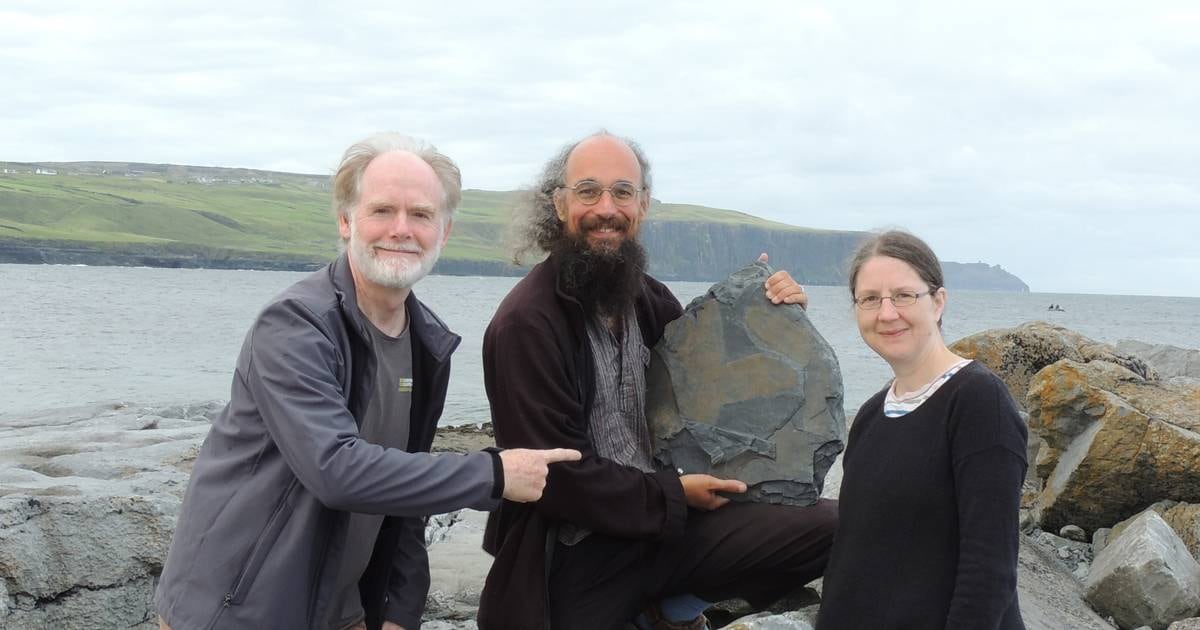
A new species of ancient fossil sponge, named Cyathophycus balori, estimated to be 315 million years old, has been discovered near the Cliffs of Moher in Co Clare, Ireland. This specimen, up to 50cm tall, is the largest known example of its kind and offers significant insights into sponge evolution and their survival in niche environments. The fossil's excellent preservation is considered highly unusual, as sponges typically disintegrate quickly after death. The discovery, made by Dr Eamon Doyle and further studied by Dr Joseph Botting and Dr Lucy Muir, has been published in the international geological journal Geobios.
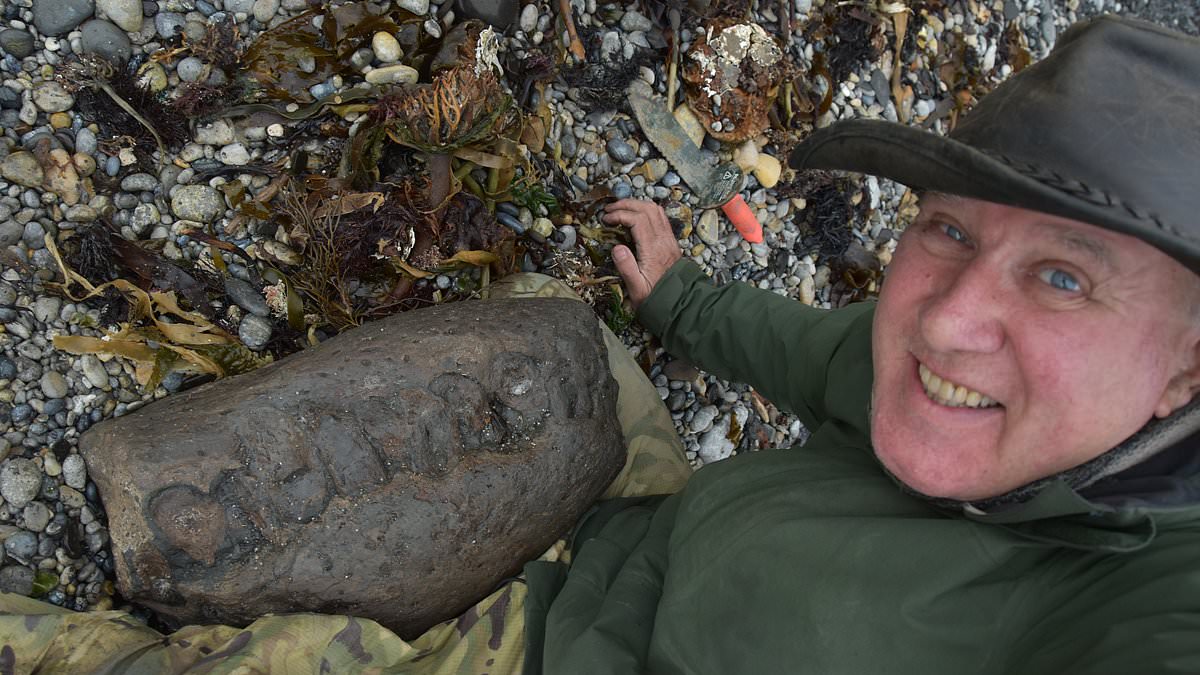
Phil Jacobs, the amateur fossil hunter who discovered a significant pliosaur fossil, has been overlooked in the BBC documentary "Attenborough and the Giant Sea Monster," which credits Sir David Attenborough with the find. Jacobs, who has been hunting fossils for 40 years, found the 150-million-year-old pliosaur skull in Dorset and was only referred to as a 'fossil enthusiast' in the show. The paleontology community is calling for proper recognition of Jacobs' contribution, with an online petition to name the new pliosaur species after him and demands for the BBC to re-edit the documentary to credit him appropriately.
Scientists at the Smithsonian Tropical Research Institute have uncovered the fossilized remains of a 22-million-year-old mangrove forest on Barro Colorado Island in the Panama Canal, revealing a species of mangrove, Sonneratioxylon barrocoloradoensis, that no longer exists. The forest's unique conditions and high atmospheric CO2 levels during the Miocene Epoch allowed these trees to thrive until a catastrophic volcanic eruption caused a lahar, leading to their preservation and eventual extinction. This discovery suggests that similar local extinctions due to volcanic activity may have occurred globally.