Tag

Humanevolution

All articles tagged with #humanevolution

science1 year ago

Ancient 'Big Head' Human Species Discovered in Asia

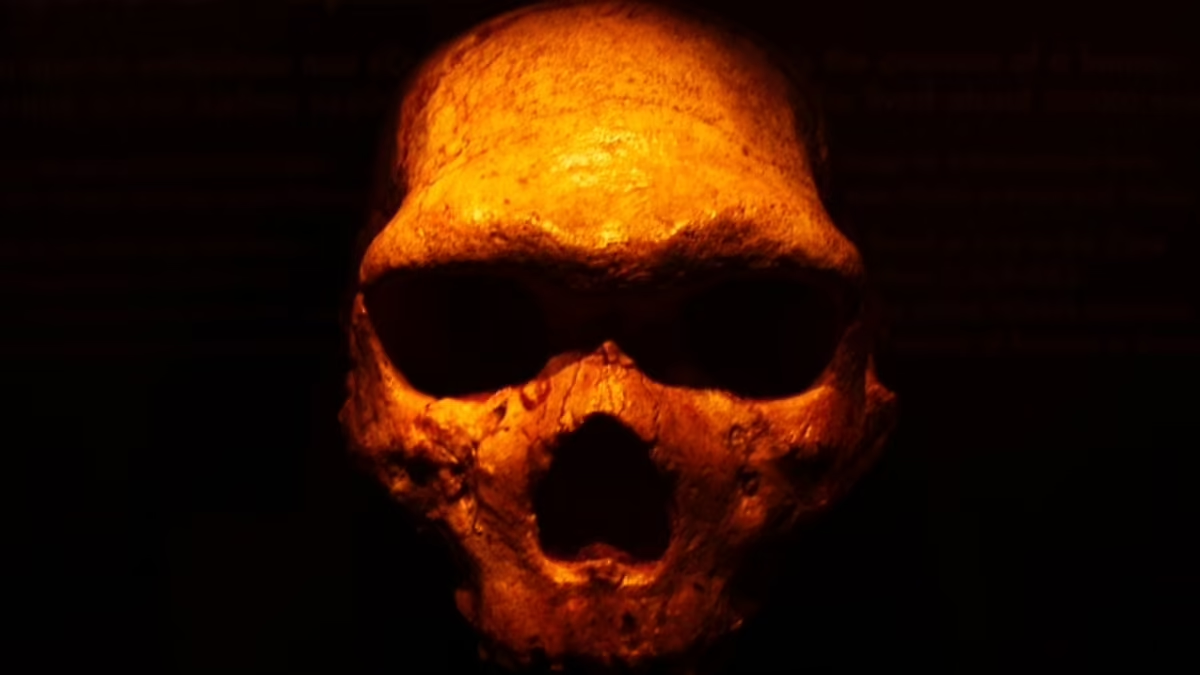
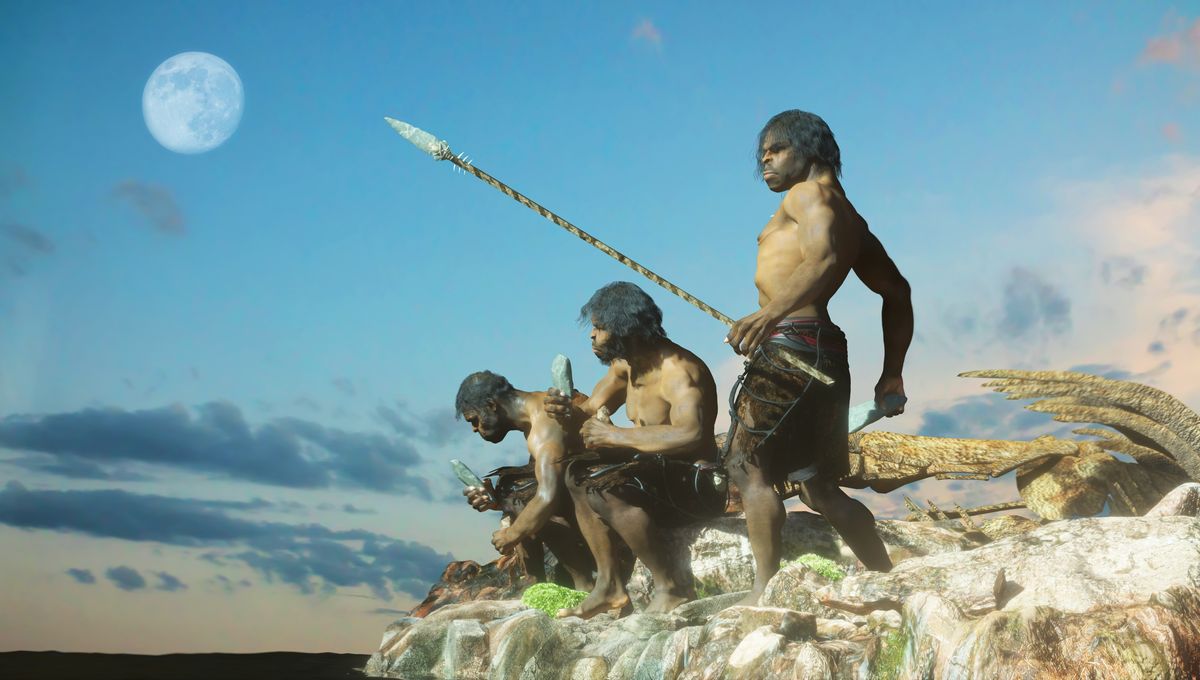
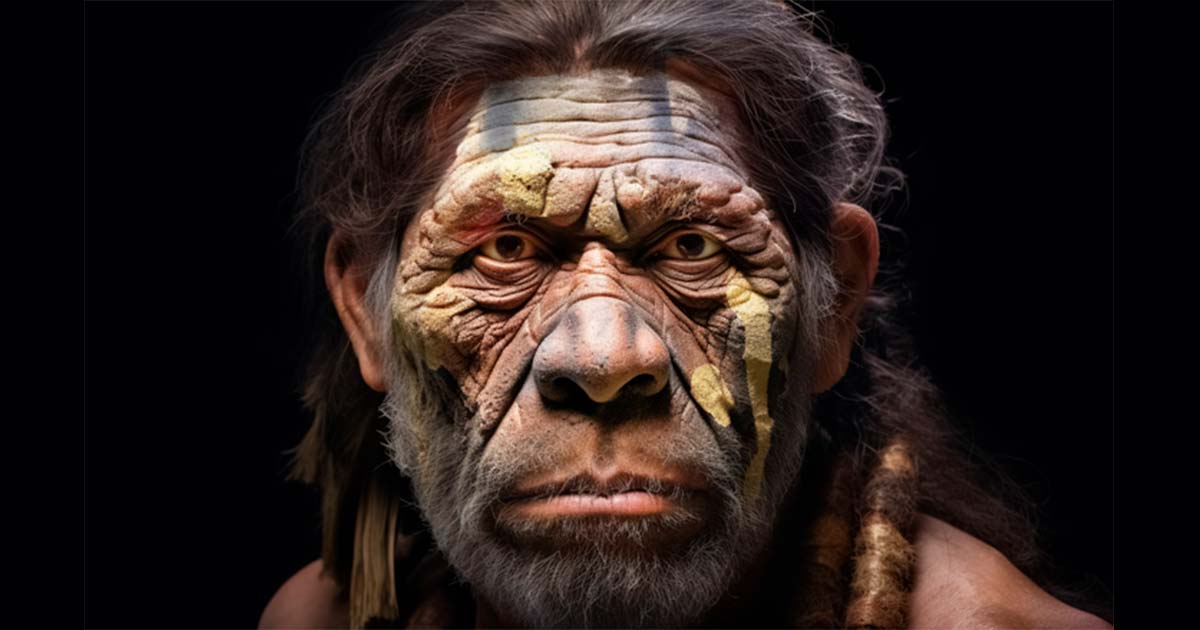
Scientists have identified a potential new species of ancient human, Homo julurensis, characterized by an abnormally large skull, which lived in China between 300,000 and 50,000 years ago. This species, dubbed the 'big head people,' may have had a larger brain than any known hominin, including modern humans. Researchers argue that these fossils, previously grouped with other hominins like Denisovans, display unique features warranting classification as a separate species. The discovery challenges the simplicity of the human evolutionary tree in Asia, suggesting more complex interbreeding and shared ancestry among ancient hominins.

science1 year ago

Ancient Footprints Reveal Coexistence of Human Ancestors in Kenya

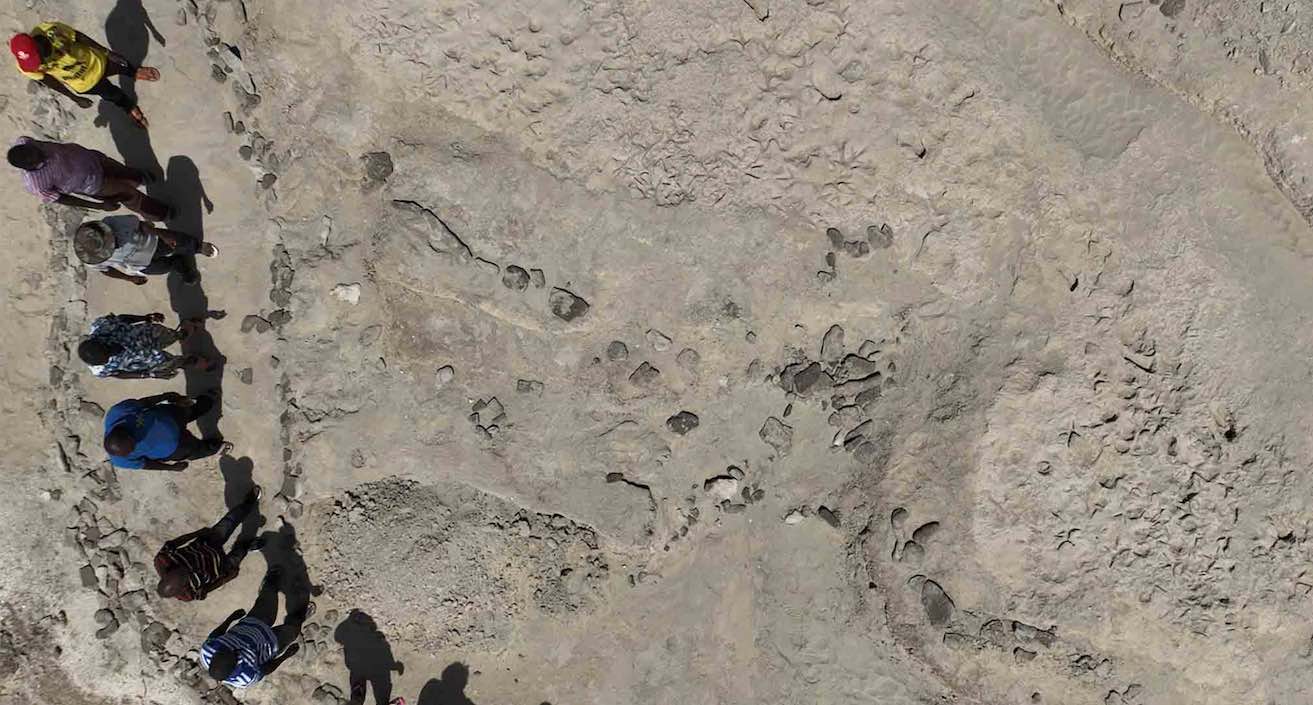
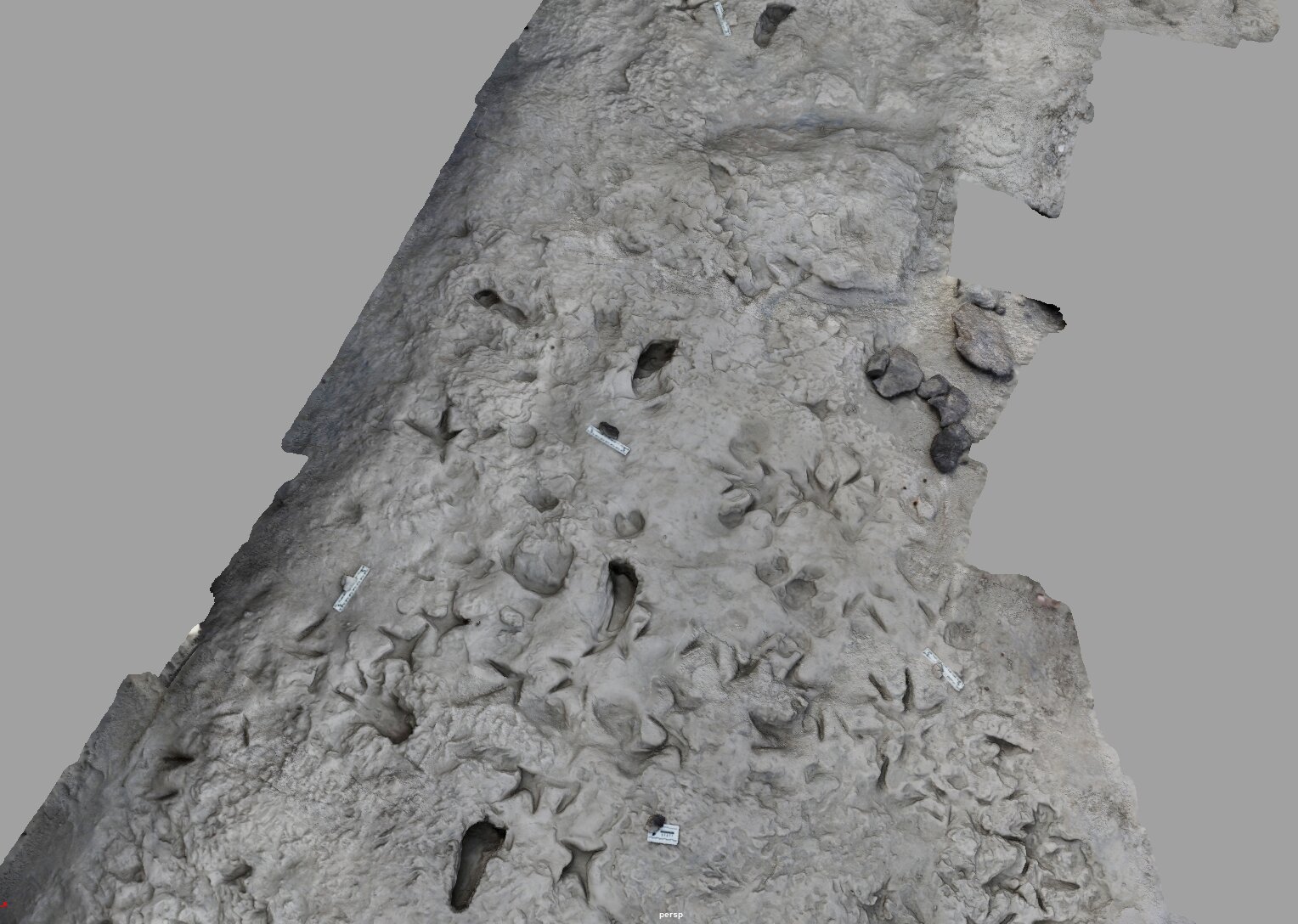
Scientists have discovered 1.5-million-year-old footprints in Kenya, revealing that two different species of human ancestors, Homo erectus and Paranthropus boisei, walked the same path within hours of each other. This finding, published in Science, provides the first evidence of these species coexisting in the same habitat, offering new insights into human evolution and interactions. The study utilized advanced 3D imaging to analyze the footprints, highlighting the significance of trace fossils in understanding ancient human behavior.

science1 year ago

New Ancient Human Species Discovered in China

Researchers have discovered a new human species, Homo juluensis, in China, dating back 200,000 years. Found at the Xujiayao site, the species is characterized by large skulls and teeth, distinguishing them from Neanderthals and modern humans. Evidence suggests they were skilled hunters, adapting to harsh climates. The study, published in Nature, indicates Homo juluensis may have interbred with other hominins, including Denisovans, and highlights the complexity of human evolution in eastern Asia.

science1 year ago

Human Brains Evolved Gradually, Excelling in Growth and Adaptation

A study using a vast fossil dataset and advanced statistical methods reveals that human brain size evolved gradually within species over 7 million years, rather than through sudden leaps between species. This challenges previous beliefs about brain evolution, highlighting continuous change as the driving force. The research also shows that brain size evolution was influenced by complex factors beyond body size, emphasizing the unique evolutionary pressures on brain growth.

science1 year ago

1.5 Million-Year-Old Footprints Reveal Coexistence of Early Human Species

Scientists have discovered 1.5-million-year-old fossil footprints of two different hominin species, Homo erectus and Paranthropus boisei, at the same site near Lake Turkana in Kenya. This finding provides the first evidence of these species coexisting in the same habitat, offering new insights into human evolution and the interactions between different hominin species. The footprints, analyzed using 3D imaging, reveal distinct anatomical and locomotion patterns, enhancing our understanding of ancient human behaviors and environments.

science1 year ago

Ancient Fossil Discovery Questions Human Brain Evolution Theory

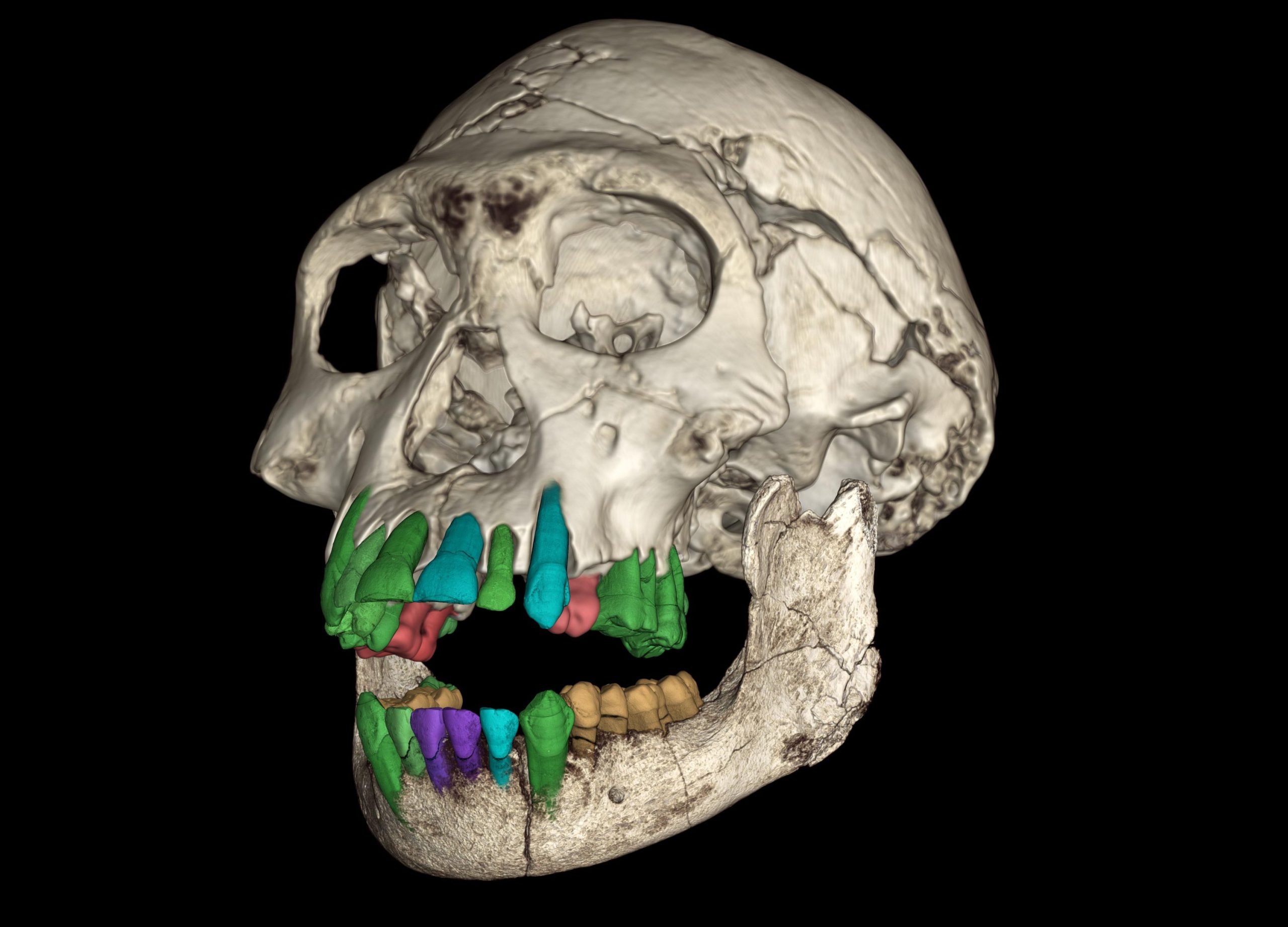
A study of a 1.77-million-year-old Homo fossil from Dmanisi, Georgia, challenges the theory that long childhoods in humans evolved due to large brain sizes. Instead, the research suggests that extended childhoods were crucial for cultural learning and knowledge sharing, which eventually led to larger brains and longer lifespans. The study, using advanced dental imaging, indicates that early Homo species had a prolonged childhood similar to modern humans, despite not having significantly larger brains than great apes. This finding may prompt a reevaluation of human evolutionary theories.

science1 year ago

Unraveling the Global Legacy of the Mysterious Denisovans

Denisovans were an ancient human species whose DNA has been found in diverse modern populations, particularly in Asia and Oceania. Despite limited fossil evidence, genetic studies reveal that Denisovans interbred with ancestors of modern humans, contributing to the genetic diversity seen today. Their existence highlights the complex history of human evolution and migration.

science1 year ago

Lucy: The Fossil Icon That Redefined Human Evolution

The article explores significant fossil discoveries that have shaped our understanding of human evolution, marking the 50th anniversary of the discovery of "Lucy," an Australopithecus afarensis. It highlights other notable fossils like the Taung Child, Mrs. Ples, and the "Hobbits" of Homo floresiensis, as well as the hybrid hominin Denny, who had a Neanderthal mother and a Denisovan father. These findings illustrate the complex evolutionary history and interbreeding among ancient human relatives.

science2 years ago

"Study Reveals Neanderthals and Humans Parted Ways 408,000 Years Ago"

A new study from Tel-Aviv University using BEAST2 software to analyze genomes suggests that Neanderthals and modern humans diverged just 408,000 years ago, which is later than previous estimates of 500,000 to 800,000 years ago. This finding underscores the close relationship between the two species, evidenced by physical similarities and genetic interbreeding, with many people of European descent carrying about 2% Neanderthal DNA. The study contributes to the ongoing debate about the timeline of human evolution and the intricate connection between Homo sapiens and Neanderthals.

scienceanthropology2 years ago

"Rethinking Our Ancestry: The Blurring Line Between Neanderthals and Humans"

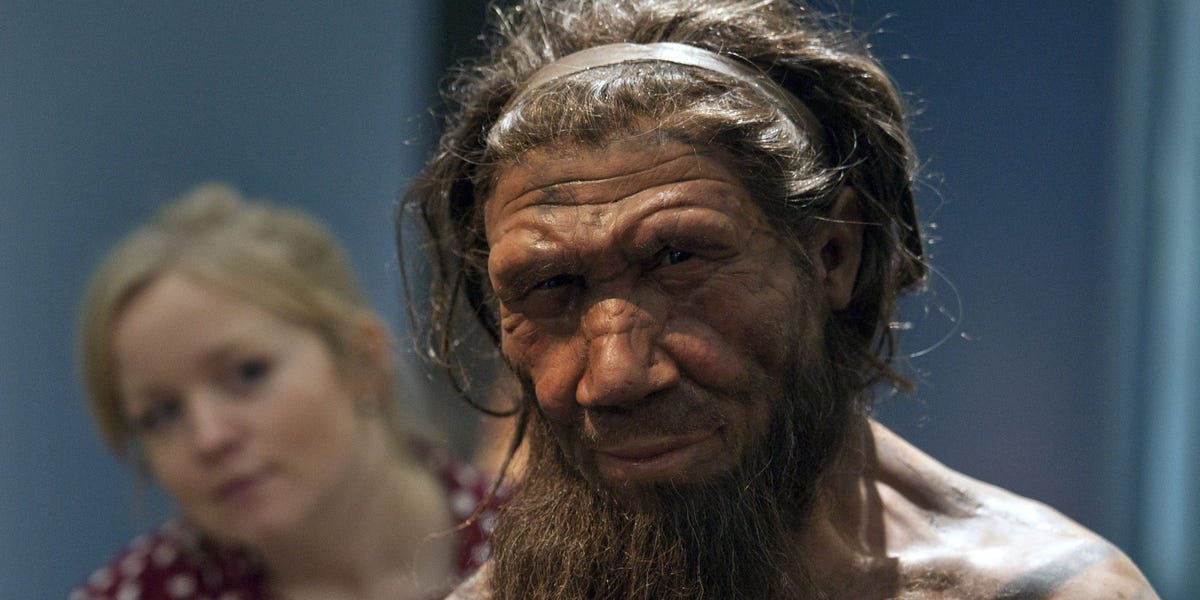
Recent research challenges the traditional view that Neanderthals were a separate species from modern humans, lacking in creativity and complex social structures. New findings suggest they had effective long-term memory, engaged in compassionate kin-based practices, and shared up to 20% of their genome with modern humans, influencing traits like social fear and anxiety. Theories on Neanderthal extinction range from climate change to competition with technologically advanced Homo sapiens, but their genetic and psychological legacy continues to be a subject of study, offering insights into the shared history of human evolution.

science-and-environment2 years ago

"Researchers Suggest Human Evolution Could Hinder Climate Change Solutions"

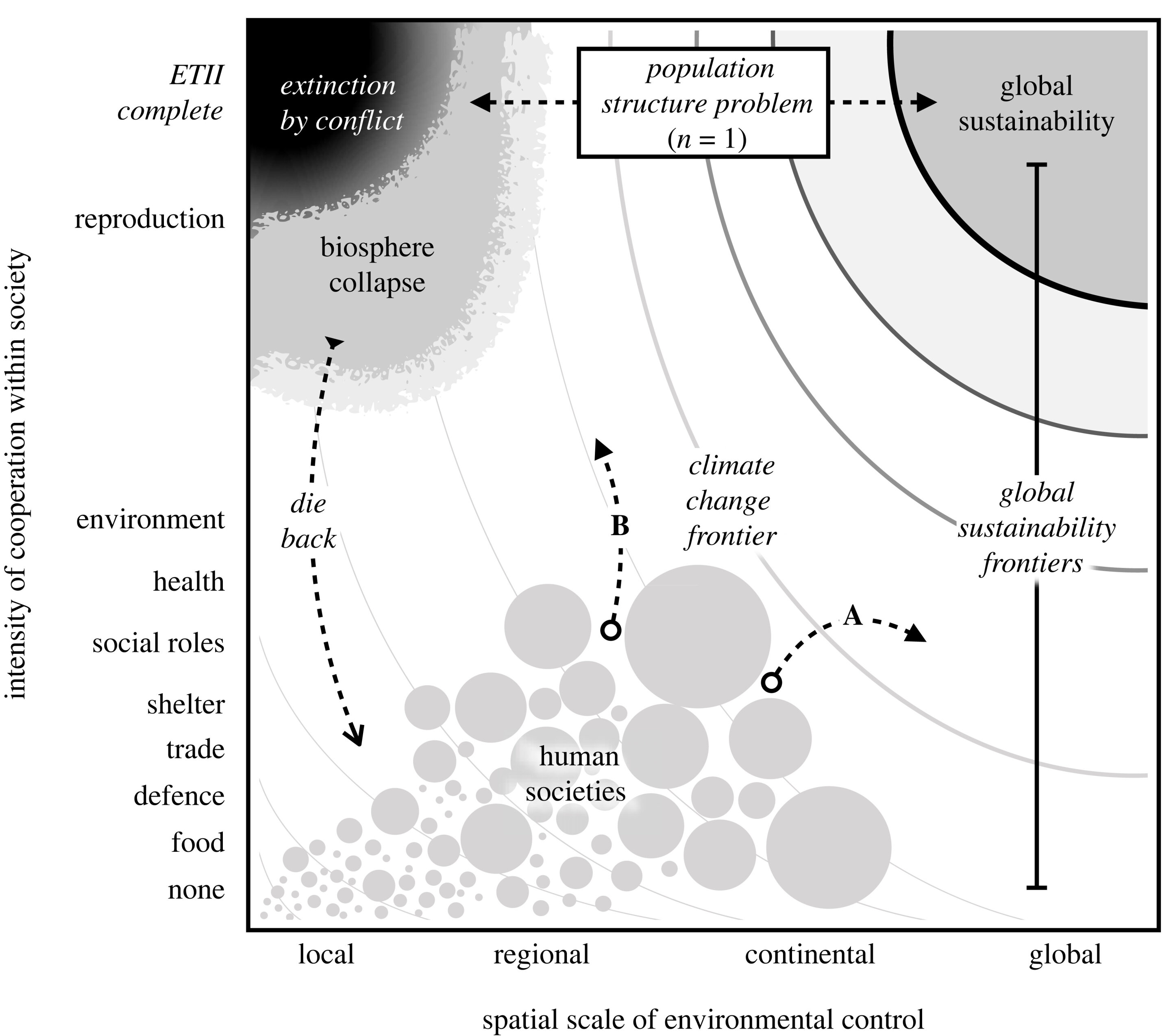
Researchers from the University of Maine suggest that human evolution, particularly our cultural adaptations that have allowed us to dominate the planet, may hinder our ability to solve global environmental problems like climate change. The study, published in Philosophical Transactions of the Royal Society B, indicates that the same traits that enabled humans to thrive—such as exploiting resources and expanding territories—now contribute to environmental crises. Sustainable systems historically emerge after resource struggles, and current global challenges require unprecedented levels of cooperation and global governance, which are not yet in place. The research proposes that understanding the drivers of cultural evolution could be key to fostering global solutions to environmental issues.

science2 years ago

"Debate Intensifies Over Neanderthal and Homo Sapiens Species Classification"

Recent scientific debates are challenging the long-held view that Neanderthals and Homo sapiens are separate species, given that most modern humans carry around 2% Neanderthal DNA, suggesting interbreeding. This, along with evidence of Neanderthal sophistication, such as tool use and potential cultural practices, is reshaping our understanding of human evolution and the strict biological definition of species. The implications of this debate extend to how we define humanity and could have significant impacts on our perception of history and race.